Why Is Your AC Blowing Hot Air? Causes & Fixes
Air conditioners are essential for comfort, especially in the peak of summer. However, if your AC is blowing hot air instead of cooling your space, it can be frustrating. Understanding the root cause of the problem can help you find the best solution quickly. Below, we explore the common reasons why your air conditioner might be blowing hot air and how to fix them.
Common Causes of an AC Blowing Hot Air
1. Thermostat Issues
Cause:
- The thermostat may be set incorrectly to “heat” instead of “cool.”
- Low battery power or malfunctioning sensors could cause incorrect temperature readings.
Fix:
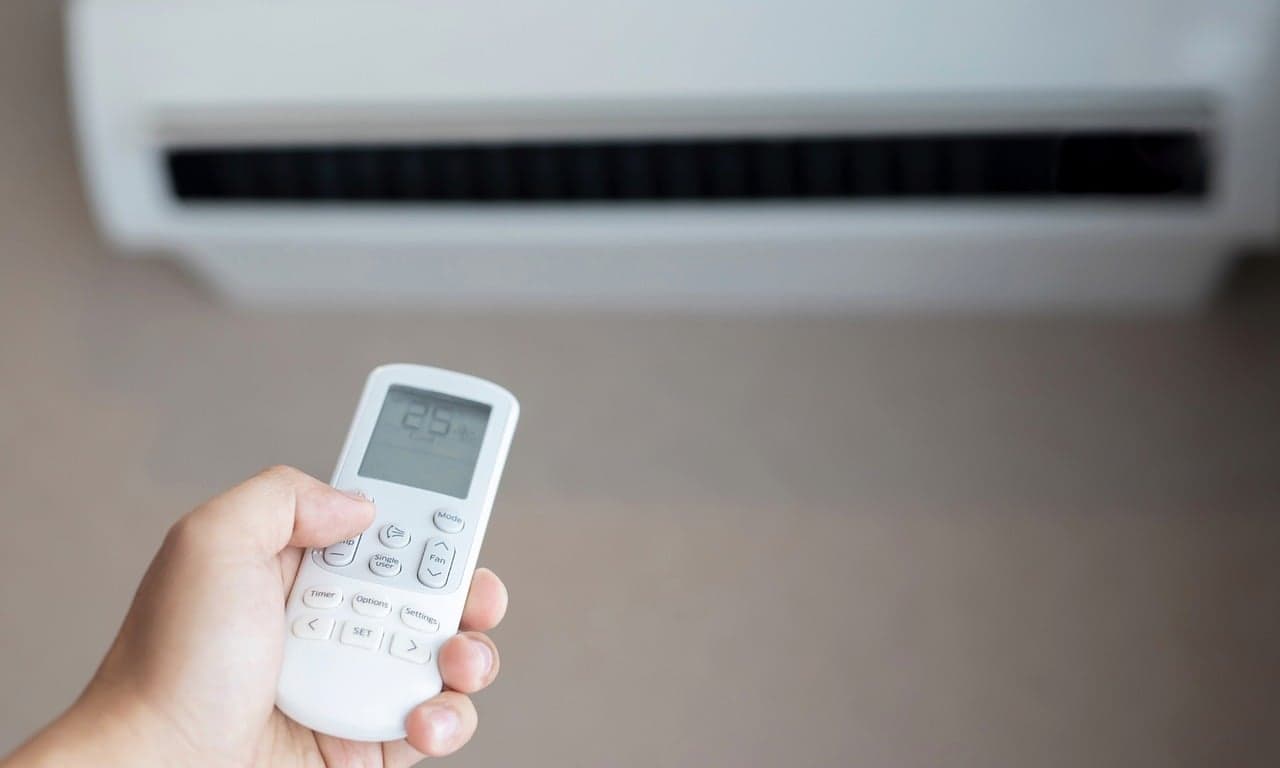
- Check and adjust the thermostat settings to ensure it’s on “cool” mode.
- Replace the thermostat batteries if necessary.
- If your thermostat is outdated or faulty, consider upgrading to a programmable or smart thermostat for better efficiency.
2. Dirty or Clogged Air Filter
Cause:
- A clogged air filter restricts airflow, causing the system to overheat and shut off the cooling function.
- Dust and debris buildup can force the system to work harder, leading to inefficiencies.
Fix:
- Check and replace the air filter regularly (typically every 1-3 months).
- If you have pets or live in a dusty environment, consider using high-efficiency filters to trap more particles.
3. Refrigerant Leak
Cause:
- Refrigerant is crucial for the cooling process. A leak will reduce cooling efficiency and cause the system to blow warm air.
- Common signs of a refrigerant leak include ice buildup on the evaporator coils, hissing sounds, and decreased cooling capacity.
Fix:
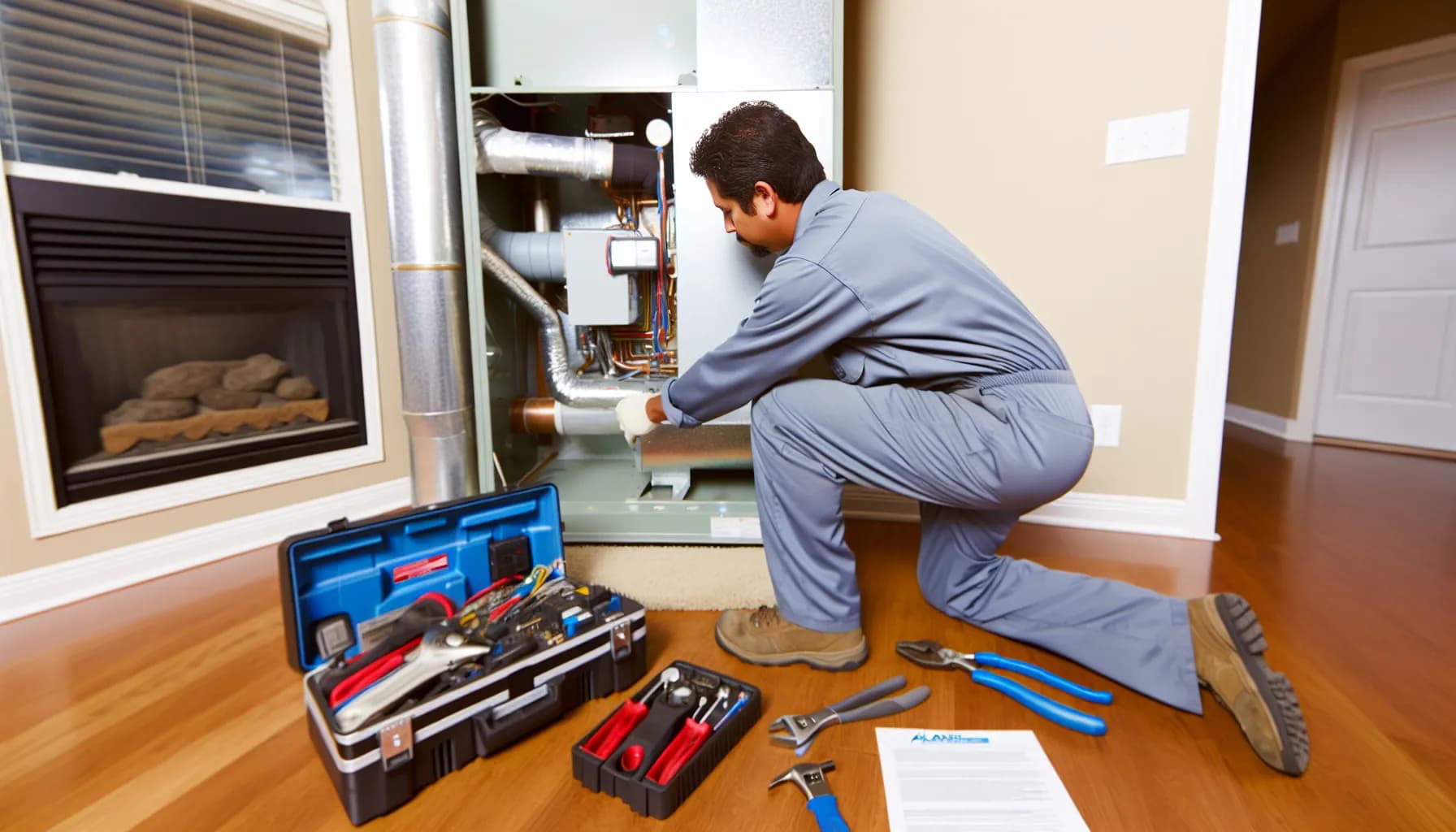
- Contact an HVAC professional to inspect and repair the leak.
- Never attempt to refill refrigerant yourself, as it requires specialized tools and knowledge.
4. Frozen or Dirty Evaporator Coils
Cause:
- Restricted airflow due to dirt or debris buildup can cause the evaporator coils to freeze, preventing them from absorbing heat properly.
- Low refrigerant levels can also contribute to frozen coils.
Fix:
- Turn off the AC and let the ice melt completely before restarting.
- Clean the evaporator coils using a soft brush or coil cleaner.
- Ensure good airflow by keeping vents and ducts unobstructed.
5. Electrical Issues
Cause:
- A tripped circuit breaker can cut power to the outdoor unit, causing the fan inside to blow warm air.
- Faulty wiring or a burned-out capacitor may also prevent the system from functioning correctly.
Fix:
- Check the electrical panel and reset any tripped breakers.
- If the breaker keeps tripping, contact a licensed electrician to inspect for wiring issues.
- Have an HVAC technician check the capacitor and other electrical components for potential replacements.
6. Dirty or Blocked Condenser Unit
Cause:
- The outdoor condenser unit expels heat from your home. If it’s covered in dirt, leaves, or debris, it won’t be able to dissipate heat effectively.
- Blocked airflow can cause the system to overheat and function inefficiently.
Fix:
- Regularly clean the condenser coils and remove debris around the unit.
- Ensure there’s at least two feet of clearance around the condenser for proper airflow.
7. Ductwork Leaks or Obstructions
Cause:
- Leaky ducts allow cool air to escape before reaching your rooms, leading to insufficient cooling.
- Blockages such as dust buildup or rodents nesting in ducts can also restrict airflow.
Fix:
- Inspect ductwork for visible damage or leaks and seal them with duct tape or mastic sealant.
- Schedule a professional duct cleaning service to remove blockages and improve air circulation.
8. Malfunctioning Compressor
Cause:
- The compressor is the heart of the AC system, responsible for circulating refrigerant. If it fails, the system won’t cool properly.
- Overheating, electrical issues, or age-related wear and tear can cause compressor failure.
Fix:
- If the compressor is faulty, an HVAC technician will need to assess whether it can be repaired or needs replacement.
- Regular maintenance can help extend the compressor’s lifespan and prevent premature failure.
Preventative Maintenance Tips
- Schedule Regular Tune-ups: Have your AC serviced at least once a year to check for potential issues before they worsen.
- Change Filters Regularly: A clean filter improves airflow and prevents strain on the system.
- Keep the Outdoor Unit Clean: Clear away dirt, leaves, and debris to ensure optimal performance.
- Monitor Thermostat Settings: Set it to an efficient temperature (around 22-25°C or 72-78°F) to avoid overworking the system.
- Inspect Ductwork for Leaks: Sealing leaks improves efficiency and prevents energy loss.
When to Call a Professional
If your AC continues to blow hot air despite troubleshooting, it’s best to call an HVAC professional. Issues such as refrigerant leaks, electrical malfunctions, or compressor failures require specialized expertise to fix properly.
Final Thoughts
A well-maintained AC system is essential for home comfort. If you notice your AC blowing hot air, start by checking the thermostat, filter, and airflow. Simple fixes like cleaning filters and resetting the circuit breaker can often resolve the issue. However, for more serious problems like refrigerant leaks or compressor failures, professional repair is necessary. By staying proactive with regular maintenance, you can keep your AC running efficiently and avoid unexpected breakdowns.
Royalty-Free Image for This Article:


Alloy HVAC Team
HVAC experts with years of experience in the industry. We share tips, insights, and the latest trends in heating, ventilation, and air conditioning to help you maintain optimal comfort in your home or business.