Window vs. Wall Air Conditioners: What’s Best for Colorado Homes?
Colorado’s unique climate brings hot, sunny summers and frigid, snowy winters. For many homeowners and small businesses from Greenwood Village to Boulder, staying cool during peak summer months is essential. When central air isn’t feasible or you need targeted cooling for specific rooms, window and wall air conditioners are the go-to options. But which is better for Colorado homes? At Alloy Heating and Cooling, we help you make informed choices that fit your home, budget, and comfort needs. Let’s dive into the differences and decide what works best for your Colorado property.
Understanding Window and Wall Air Conditioners
What Is a Window Air Conditioner?
A window air conditioner is a self-contained cooling unit designed to fit inside a standard window frame. It draws warm air from the room, cools it using refrigerant coils, and then expels the hot air outside while returning cooled air to your space. Window ACs are popular in apartments, bedrooms, and home offices because they’re relatively easy to install and remove when not in use. Many homeowners in Denver and Lakewood choose window units for seasonal use or to supplement central air systems during extreme heat waves.
What Is a Through-the-Wall Air Conditioner?
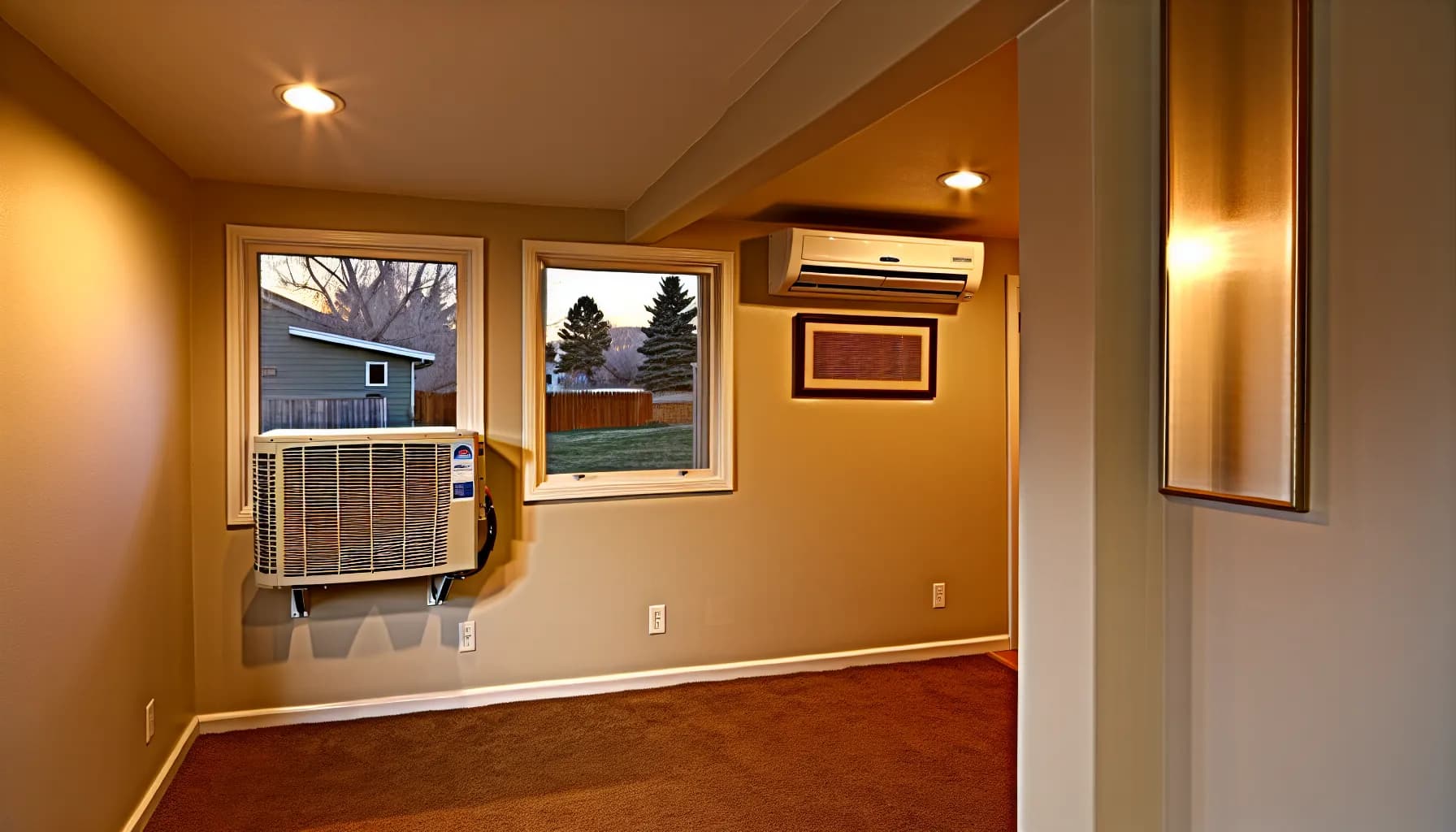
A through-the-wall air conditioner, or wall AC, is a similar self-contained unit but is installed permanently through an exterior wall. This setup requires cutting a hole in the wall, typically framed with a sleeve kit for structural support and weatherproofing. Wall ACs are ideal for rooms that lack suitable windows or where you want a more permanent and aesthetically integrated solution. For instance, a homeowner in Castle Rock may opt for a wall unit in a finished basement or home addition where central air ducting is impractical.
Key Differences: Window vs. Through-the-Wall Units
- Placement: Window ACs sit in a window frame; wall units require a wall opening and sleeve.
- Permanence: Window units are seasonal and removable; wall units are permanent fixtures.
- Sealing: Through-the-wall ACs generally provide a tighter seal, reducing drafts and energy loss.
- Room Aesthetics: Wall ACs don’t block windows or natural light, a benefit for rooms with limited window space.
- Noise and Vibration: Wall units are less prone to rattling since they’re supported by the wall, not a window sash.
Efficiency and Cooling Performance in Colorado’s Climate
How Colorado’s Climate Affects AC Performance
Colorado’s semi-arid climate features hot, dry summers and cool nights. Many homes in areas like Highlands Ranch or Aurora experience quick indoor temperature spikes during the day, so efficient and responsive cooling is important. The dry air allows ACs to operate efficiently, but the large temperature swings can highlight air leakage issues, making proper installation crucial for both window and wall units.
Energy Efficiency: Which Option Saves More?
Energy efficiency depends on both the unit’s design and how well it’s installed. Wall ACs typically achieve higher efficiency because they seal tightly against the wall, minimizing air leaks. In contrast, window ACs can develop gaps around the frame, letting hot air in and cooled air out, especially in older wooden windows found in many Denver and Morrison homes. Modern Energy Star-rated window units have improved, but for year-round efficiency, wall ACs still hold an edge.
For example, a homeowner in Littleton noticed rising utility bills during summer. After switching from a 10-year-old window unit to a properly installed wall AC, their energy use dropped by 15 percent, largely due to reduced air leakage and improved insulation around the wall sleeve.
Noise Levels: Window vs. Wall Air Conditioners
Noise is a common concern. Window ACs rest on the window sash, which can vibrate or rattle, especially in older homes. Wall ACs, anchored directly in the wall, tend to operate more quietly and are less likely to transmit vibration into the room. For a bedroom in a quiet neighborhood like Evergreen, a wall unit may be preferable if you’re sensitive to nighttime noise.
Installation and Maintenance Considerations
Installation Requirements for Window ACs
Window air conditioners are usually designed for double-hung windows. Installation involves lifting the unit into the open window, closing the sash onto the AC, and sealing the gaps with included side panels and weatherstripping. Most homeowners in Centennial and Parker can complete this as a DIY project in under an hour, making it a popular choice for renters and those seeking a non-permanent solution.
However, installation isn’t always straightforward. Windows that open sideways, older wooden sashes, or homes with non-standard window sizes may require custom solutions or may not accommodate a window AC at all.
Installing a Through-the-Wall AC: What to Expect
Installing a wall AC is more complex. It requires measuring and cutting a hole in an exterior wall, framing it with a support sleeve, and ensuring the installation is weatherproof. For structural safety and insulation, professional installation is strongly recommended, especially in brick or stucco homes common in Boulder and Golden. Once installed, wall units can be used year-round, and their permanent placement adds value to home additions, sunrooms, and converted garages.
One real-world example: A small business owner in Arvada wanted to cool a server room. After consulting with Alloy Heating and Cooling, they chose a wall AC to avoid blocking windows and for higher security, since window units can be removed more easily from outside.
Maintenance and Longevity of Each Type
Both window and wall ACs require regular filter cleaning, coil inspection, and drainage checks. Because wall units are more protected from outside weather and are less likely to be removed seasonally, they tend to last a bit longer, often 10 to 15 years with proper maintenance. Window ACs, exposed to outdoor elements and frequent handling, typically last 8 to 12 years. In Colorado’s dusty, pollen-filled air, regular filter cleaning is crucial for both types to maintain efficiency and indoor air quality.
Cost Comparison: Window AC vs. Through-the-Wall AC
Initial Purchase and Installation Costs
Window ACs are generally less expensive to purchase and install. Prices start as low as $150 for a small unit, with larger models for bigger rooms ranging up to $500. Installation is usually DIY, costing nothing beyond the unit itself.
Through-the-wall ACs start at around $400 for basic models, with more powerful units reaching $1,000 or more. Professional installation can add $500 to $1,200, depending on wall type, sleeve requirements, and whether electrical upgrades are needed. In older homes in Wheat Ridge or Lakewood, these costs can add up, but the investment often pays off in comfort and energy savings over time.
Long-Term Operating Costs
Wall ACs often have lower operating costs due to their tighter seal and greater efficiency. Over a typical Colorado cooling season, a wall unit might save $5 to $20 a month in energy costs compared to a similarly sized window AC, especially if the window unit is not perfectly sealed. Over 10 years, these savings can help offset the higher upfront installation cost.
Additionally, wall ACs may be less prone to theft or accidental damage, reducing replacement costs and insurance risks for homeowners and small businesses alike.
Which Air Conditioner Is Best for Colorado Homes?
Factors to Consider for Colorado Homeowners
- Home Ownership: Renters often prefer window ACs for their portability and easy removal. Homeowners may opt for wall ACs as a long-term investment.
- Room Usage: Bedrooms, home offices, and server rooms benefit from the quieter operation and secure installation of wall units.
- Window Availability: If a room has limited or valuable window space, a wall unit preserves natural light and views.
- Climate and Insulation: Colorado winters are cold. Wall ACs provide a better seal, preventing drafts and heat loss during off months.
- Budget: Window units are more affordable up front, but wall units offer better long-term efficiency and may add to property value.
Pros and Cons Summary
| Window Air Conditioner | Wall Air Conditioner | |
|---|---|---|
| Pros | Lower initial cost; Easy DIY installation/removal; Portable | Permanent, secure installation; Higher efficiency; Quieter; Doesn’t block windows |
| Cons | May allow air leaks; Blocks window; Noisier; Shorter lifespan | Higher upfront cost; Requires professional installation; Not portable |
For Colorado homes, especially in communities like Castle Pines, Ken Caryl, or Monument where energy efficiency and resale value matter, a through-the-wall air conditioner is often the better long-term solution. However, for renters, temporary spaces, or budget-conscious households, a window unit remains a practical choice.
Need help choosing, installing, or maintaining your air conditioner in the Denver Metro, Boulder, or Douglas County areas? Contact Alloy Heating and Cooling for expert advice and professional service tailored to Colorado’s climate and your home’s unique needs.
Frequently Asked Questions
Is a window air conditioner or a through-the-wall unit more energy efficient?
Through-the-wall units tend to be more energy efficient because they create a better seal with less air leakage, but modern window ACs also offer good efficiency. The best choice depends on the model and installation quality.
Which type of air conditioner is easier to install in Colorado homes?
Window air conditioners are generally easier to install, requiring no permanent changes to the home. Through-the-wall units require cutting a hole in an exterior wall, which is more complex and may need professional installation.
Can I use a window AC in a wall opening?
It’s not recommended to use a standard window air conditioner in a wall opening. Window units are not designed for wall installations and may not fit properly, causing inefficiency and potential damage.
Are wall air conditioners better for cold Colorado winters?
Wall air conditioners offer a tighter seal, minimizing drafts and heat loss during winter, which is beneficial in Colorado’s colder months compared to window units that can allow more air leakage.
What is the lifespan of window vs. wall air conditioners?
Both types can last 8-15 years with proper maintenance, but through-the-wall units often have a slightly longer lifespan due to their more permanent installation and better protection from weather elements.

Alloy HVAC Team
HVAC experts with years of experience in the industry. We share tips, insights, and the latest trends in heating, ventilation, and air conditioning to help you maintain optimal comfort in your home or business.