The Advantages of Ductless Mini‑Split Heat Pumps for American Homes
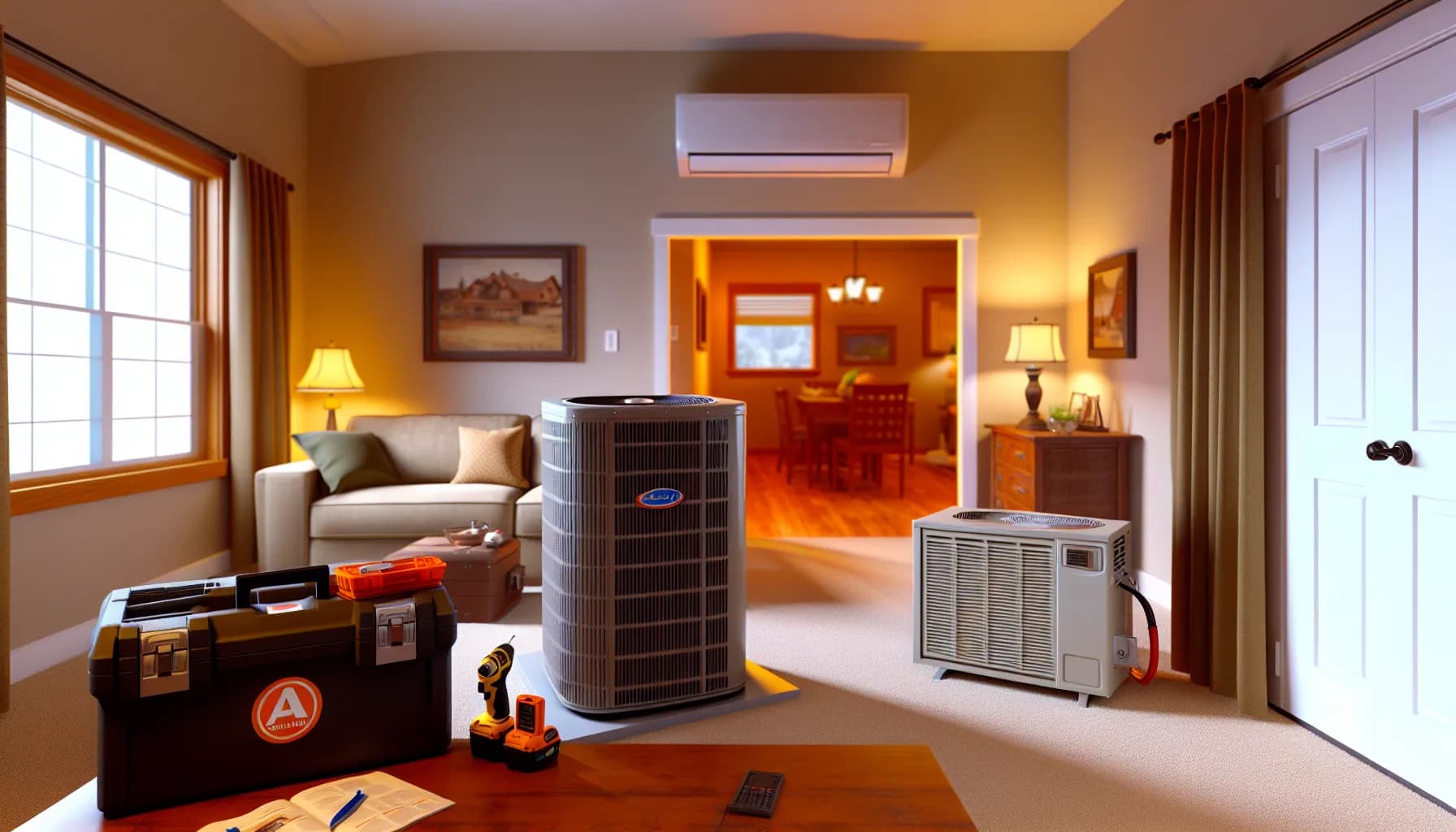
Ductless mini‑split heat pumps provide heating and cooling without the need for ductwork, making them ideal for homes without existing ducts or for room additions. ENERGY STAR notes that mini‑splits can reduce energy use by up to 60 % compared with standard electric radiators and avoid more than 4 500 lbs of greenhouse‑gas emissions over their lifetime【144056674600507†L133-L148】. They use an outdoor compressor connected to indoor air‑handling units via small refrigerant lines, delivering efficient zoned comfort【144056674600507†L223-L246】.
Benefits of Mini‑Split Systems
- Energy efficiency – By transferring heat rather than generating it, mini‑splits use less energy. ENERGY STAR cold‑climate models maintain efficiency even at temperatures as low as 5 °F (∑15 °C)【144056674600507†L247-L256】. This makes them suitable for South African winters.
- Heating and cooling in one – Mini‑split heat pumps provide both functions, eliminating the need for separate furnaces and air conditioners【144056674600507†L211-L218】.
- Flexible installation – Indoor units can mount on walls, ceilings or floors. Because there are no ducts, installation is easier in older homes or additions【144056674600507†L223-L246】.
- Zoned comfort – Each indoor unit has its own thermostat, allowing independent temperature control for different rooms. This avoids arguments over temperature and saves energy by only conditioning occupied spaces【144056674600507†L211-L218】.
- Improved indoor air quality – Without combustion and ductwork, there’s no risk of combustion fumes, and filters in each head unit capture dust and allergens【144056674600507†L223-L246】.
- Reduced greenhouse‑gas emissions – ENERGY STAR‑rated mini‑splits avoid more than 4 500 lbs of greenhouse‑gas emissions over their lifetime【144056674600507†L133-L148】.
Sizing and Installation Considerations
Proper sizing is critical. A Manual J load calculation considers your home’s size, insulation, windows, orientation and climate to determine heating and cooling loads. Oversized units short cycle and waste energy, while undersized units can’t keep up【774141376813259†L129-L179】. An HVAC professional will use Manual J to size each indoor unit and select the right outdoor compressor capacity. Correct installation ensures refrigerant lines are properly insulated and electrical connections meet code. Improper installation can reduce efficiency and shorten the system’s lifespan.
When Mini‑Splits Make Sense
Mini‑split systems are ideal for:
- Homes without existing ductwork.
- Renovations or additions where extending ductwork is impractical.
- Rooms with different comfort requirements (e.g., bedrooms vs. living areas).
- Regions with high electricity costs where energy efficiency is paramount.
Call to Action – Alloy Heating & Cooling installs ductless mini‑split systems tailored to your home. We perform accurate load calculations, recommend appropriate models and ensure professional installation. Contact us to learn how a mini‑split can improve your comfort and lower your energy bills.
Frequently Asked Questions (FAQ)
Are mini‑split systems expensive to install? Initial costs are higher than window units but lower than installing ductwork. Energy savings over time can offset the upfront cost【144056674600507†L133-L148】.
Do mini‑splits work in cold weather? ENERGY STAR cold‑climate mini‑splits are designed to deliver heating at temperatures as low as 5 °F (−15 °C)【144056674600507†L247-L256】. In milder Western Cape winters, they perform efficiently.
How long do mini‑split systems last? With proper installation and maintenance, mini‑splits can last 15–20 years. Regular filter cleaning and professional inspections are essential.

Alloy HVAC Team
HVAC experts with years of experience in the industry. We share tips, insights, and the latest trends in heating, ventilation, and air conditioning to help you maintain optimal comfort in your home or business.