Beat the Heat: The Ultimate Guide to Choosing and Maintaining Your Swamp Cooler
Beat the Heat: The Ultimate Guide to Choosing and Maintaining Your Swamp Cooler
Understanding Swamp Coolers: How They Work
Swamp coolers, also known as evaporative coolers, are a unique and efficient way to keep your home cool, especially in dry climates. Unlike traditional air conditioners that use refrigerants and compressors, swamp coolers harness the natural process of evaporation to cool the air. Essentially, they draw in warm outside air through water-saturated pads. As the air passes through these pads, the water evaporates, absorbing heat in the process and thereby cooling the air. This cooled air is then circulated throughout your home by a fan.
One of the key components of a swamp cooler is its water pump, which ensures that the cooling pads remain wet. The fan and motor work in tandem to pull in the hot air and push out the cooled air. The simplicity of the design makes swamp coolers not only effective but also relatively easy to maintain. Additionally, because they add moisture to the air, they can be particularly beneficial in arid regions where humidity levels are low.
Understanding how swamp coolers work can help you appreciate their benefits and limitations. For instance, they are most effective in environments with low humidity. In highly humid conditions, the air is already saturated with moisture, which reduces the rate of evaporation and therefore the cooling efficiency. By grasping the basic mechanics of these coolers, you can better decide if they are the right cooling solution for your home.
Benefits of Using a Swamp Cooler
Swamp coolers offer a range of benefits that make them an attractive alternative to traditional air conditioning systems. One of the most significant advantages is their energy efficiency. Swamp coolers use considerably less electricity since they don’t rely on energy-intensive components like compressors. This reduction in energy consumption not only lowers your utility bills but also makes swamp coolers an eco-friendly choice, reducing your carbon footprint.
Another notable benefit is the improved air quality. Traditional air conditioners can recycle stale indoor air, but swamp coolers continuously draw in fresh outdoor air, which is filtered through the cooling pads. This process can help remove dust, allergens, and other pollutants, providing a cleaner and healthier indoor environment. Additionally, the added humidity can prevent issues like dry skin, respiratory problems, and static electricity, which are common in areas with low humidity.
Swamp coolers are also more cost-effective compared to traditional air conditioning systems. The initial investment is lower, and the operating costs are minimal. They are easier to install and maintain, often requiring just basic DIY skills. The combination of lower costs, energy savings, and health benefits make swamp coolers a compelling option for homeowners looking to stay cool during the hot summer months.
Key Factors to Consider When Choosing a Swamp Cooler
Selecting the right swamp cooler for your home involves several key considerations to ensure optimal performance and satisfaction. One of the first factors to assess is the cooler’s size and cooling capacity, often measured in Cubic Feet per Minute (CFM). The CFM rating indicates how much air the cooler can circulate per minute. To determine the appropriate CFM for your space, multiply the square footage of your home by the ceiling height and then divide by two. This calculation will give you a baseline for the cooling capacity you need.
Another critical consideration is the type of cooling pads used in the swamp cooler. There are two main types: aspen and cellulose. Aspen pads, made from wood shavings, are inexpensive and offer good cooling efficiency but require frequent replacement. Cellulose pads, also known as honeycomb pads, are more durable and provide better cooling performance but are slightly more expensive. The choice between these pads will depend on your budget and maintenance preferences.
Additionally, you should consider the features and build quality of the swamp cooler. Look for models with adjustable fan speeds, which allow you to control the airflow and cooling intensity. Some advanced models come with programmable timers, remote controls, and even Wi-Fi connectivity for smart home integration. The build quality can affect the cooler’s durability and lifespan, so opt for units with sturdy construction and reliable components. By carefully evaluating these factors, you can choose a swamp cooler that meets your specific needs and provides efficient cooling for years to come.
Types of Swamp Coolers: Evaporative vs. Portable
Swamp coolers come in various types, each designed to cater to different needs and applications. The two primary categories are evaporative coolers and portable coolers. Understanding the differences between these types can help you make an informed decision.
Evaporative coolers, also known as whole-house or ducted coolers, are designed to cool an entire home or large space. These units are typically installed on the roof, a window, or an exterior wall. They connect to the home’s ductwork to distribute the cooled air throughout the living areas. Evaporative coolers are ideal for homeowners looking to replace or supplement their existing HVAC systems with a more energy-efficient option. However, they require professional installation and are more suitable for permanent setups.
Portable swamp coolers, on the other hand, offer flexibility and convenience. These units are mobile and can be easily moved from room to room or even outdoors. They are an excellent choice for renters or those who need cooling in specific areas without the commitment of a permanent installation. Portable coolers are self-contained systems with built-in water reservoirs that need to be filled periodically. While they may not offer the same cooling capacity as whole-house units, their versatility and ease of use make them a popular choice for many households.
Both types of swamp coolers have their advantages and limitations. Evaporative coolers are more powerful and can cool larger spaces effectively, while portable coolers offer flexibility and convenience for targeted cooling. Depending on your needs, budget, and living situation, you can choose the type that best suits your requirements.
How to Properly Install Your Swamp Cooler
Proper installation of your swamp cooler is crucial for ensuring optimal performance and efficiency. While some models may require professional installation, many can be set up with basic DIY skills. Here are some general steps to guide you through the process.
First, choose an appropriate location for your swamp cooler. For whole-house units, the roof or an exterior wall is ideal. Ensure the installation site is well-ventilated and has access to a water supply. If you’re installing a window unit, make sure the window is large enough to accommodate the cooler and that it can support the unit’s weight. Portable coolers require less effort; simply place them in the desired location, ensuring there is enough space for airflow.
Next, assemble the cooler according to the manufacturer’s instructions. This typically involves attaching the cooling pads, connecting the water supply, and securing the unit in place. For whole-house units, you may need to connect the cooler to your home’s ductwork. This step may require some carpentry skills or professional assistance, depending on the complexity of the installation.
Once the cooler is assembled and in place, fill the water reservoir or connect the water line, ensuring there are no leaks. Plug in the cooler and test it to ensure everything is working correctly. Adjust the settings and fan speeds to achieve the desired cooling effect. Regularly check the water levels and top up as needed. By following these steps and paying attention to the details, you can ensure a successful installation and enjoy the benefits of your swamp cooler.
Essential Maintenance Tips for Swamp Coolers
Maintaining your swamp cooler is essential for ensuring its longevity and optimal performance. Regular upkeep can prevent common issues and keep your cooler running smoothly throughout the summer. Here are some essential maintenance tips to keep in mind.
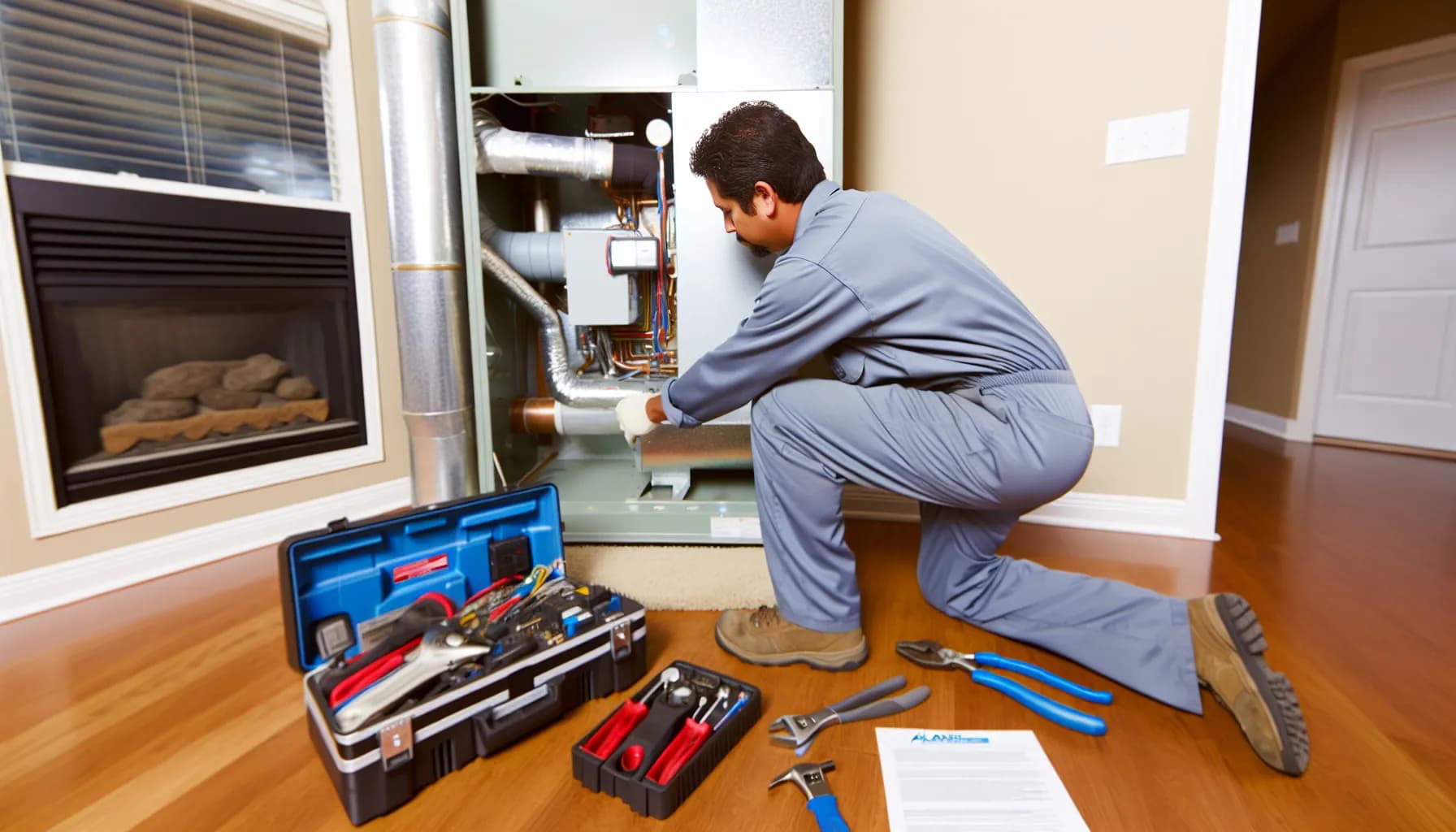
First, regularly check and clean the cooling pads. These pads can accumulate dust, dirt, and mineral deposits over time, reducing their efficiency. Remove the pads and rinse them with clean water to remove any buildup. If the pads are worn out or damaged, replace them with new ones. This simple step can significantly improve the cooler’s performance and extend its lifespan.
Next, inspect the water pump and reservoir. Ensure the pump is functioning correctly and that the water is flowing smoothly to the cooling pads. Clean the reservoir regularly to prevent the buildup of algae and mineral deposits. If you notice any leaks or issues with the pump, address them promptly to avoid further damage.
Additionally, check the fan and motor for any signs of wear or damage. Lubricate the motor bearings if necessary and ensure the fan blades are clean and free of obstructions. Regularly inspect the belts and replace them if they show signs of wear. By keeping these components in good condition, you can ensure that your swamp cooler operates efficiently and effectively.
Troubleshooting Common Swamp Cooler Issues
Even with regular maintenance, swamp coolers can occasionally encounter issues that affect their performance. Troubleshooting these problems can help you identify and resolve them quickly. Here are some common issues and their potential solutions.
If your swamp cooler is not cooling effectively, the first thing to check is the cooling pads. Dirty or clogged pads can reduce the cooler’s efficiency. Clean or replace the pads as needed. Additionally, ensure the water pump is working correctly and that the pads are adequately saturated with water. If the air coming from the cooler feels warm, it may indicate a problem with the water supply or pump.
Another common issue is reduced airflow. If the cooler’s fan is not operating at full capacity, check the fan motor and belts for any signs of wear or damage. Lubricate the motor bearings and replace the belts if necessary. Ensure there are no obstructions blocking the airflow, such as debris or furniture.
Leaks and water-related issues can also occur. If you notice water leaking from the cooler, inspect the water reservoir, pump, and connections for any signs of damage or wear. Tighten any loose connections and replace damaged components as needed. Regularly check the water levels and ensure the reservoir is not overfilled.
By addressing these common issues promptly, you can keep your swamp cooler running smoothly and efficiently. Regular maintenance and troubleshooting can help you identify and resolve problems before they become more significant, ensuring a comfortable and cool environment throughout the summer.
Energy Efficiency and Cost Savings with Swamp Coolers
One of the most compelling reasons to choose a swamp cooler over a traditional air conditioning system is the potential for energy efficiency and cost savings. Swamp coolers use significantly less electricity, making them an eco-friendly and cost-effective cooling solution.
Swamp coolers operate using a simple yet effective mechanism that relies on the natural process of evaporation. This process requires minimal energy compared to the energy-intensive compressors and refrigerants used in traditional air conditioners. As a result, swamp coolers consume up to 75% less electricity, which can translate to substantial savings on your utility bills.
In addition to lower energy consumption, swamp coolers also have lower operating costs. The initial investment for a swamp cooler is typically lower than that of a traditional air conditioning system. They are easier to install and maintain, reducing the need for professional services and repairs. The combination of lower upfront costs and reduced energy usage makes swamp coolers a cost-effective choice for homeowners.
Moreover, the environmental benefits of using a swamp cooler cannot be overlooked. By reducing your energy consumption, you are contributing to a decrease in greenhouse gas emissions and conserving natural resources. Swamp coolers do not use harmful refrigerants, making them a more sustainable option for cooling your home. By choosing an energy-efficient swamp cooler, you can enjoy a comfortable living environment while also making a positive impact on the planet.
Seasonal Preparations: Getting Your Swamp Cooler Ready for Summer
As the summer season approaches, it’s essential to prepare your swamp cooler to ensure it operates efficiently and effectively. Proper seasonal preparations can help you avoid common issues and enjoy a cool and comfortable home throughout the hottest months.
Start by performing a thorough inspection of your swamp cooler. Check the cooling pads, water pump, fan, motor, and other components for any signs of wear or damage. Clean or replace the cooling pads as needed, and ensure the water pump is functioning correctly. Lubricate the motor bearings and inspect the fan belts for any signs of wear. Address any issues promptly to prevent further damage and ensure the cooler is ready for use.
Next, clean the water reservoir and ensure it is free of algae, mineral deposits, and other debris. Fill the reservoir with clean water and check for any leaks. If your cooler has a water line connection, ensure the line is secure and free of obstructions. Regularly check the water levels and top up as needed to maintain optimal performance.
Finally, test the cooler to ensure it is operating correctly. Turn on the unit and allow it to run for a few minutes to check for any issues with airflow, cooling efficiency, or water distribution. Adjust the settings and fan speeds to achieve the desired cooling effect. By performing these seasonal preparations, you can ensure your swamp cooler is ready to keep your home cool and comfortable throughout the summer.
Conclusion: Enjoying a Cool and Comfortable Home
Swamp coolers offer an energy-efficient, cost-effective, and eco-friendly solution for keeping your home cool during the hot summer months. By understanding how they work, evaluating key factors when choosing a model, and performing regular maintenance, you can ensure your swamp cooler provides optimal performance and longevity.
Whether you opt for a whole-house evaporative cooler or a portable unit, the benefits of using a swamp cooler are clear. From improved air quality and added humidity to significant energy savings and reduced environmental impact, swamp coolers offer a range of advantages over traditional air conditioning systems.
By following the tips and guidelines outlined in this ultimate guide, you can make an informed decision, ensure proper installation, and maintain your swamp cooler with ease. With the right swamp cooler and regular upkeep, you can enjoy a cool and comfortable home all season long. Say goodbye to sweltering summers and hello to a refreshingly cool oasis—beat the heat with the ultimate guide to choosing and maintaining your swamp cooler.

Alloy HVAC Team
HVAC experts with years of experience in the industry. We share tips, insights, and the latest trends in heating, ventilation, and air conditioning to help you maintain optimal comfort in your home or business.