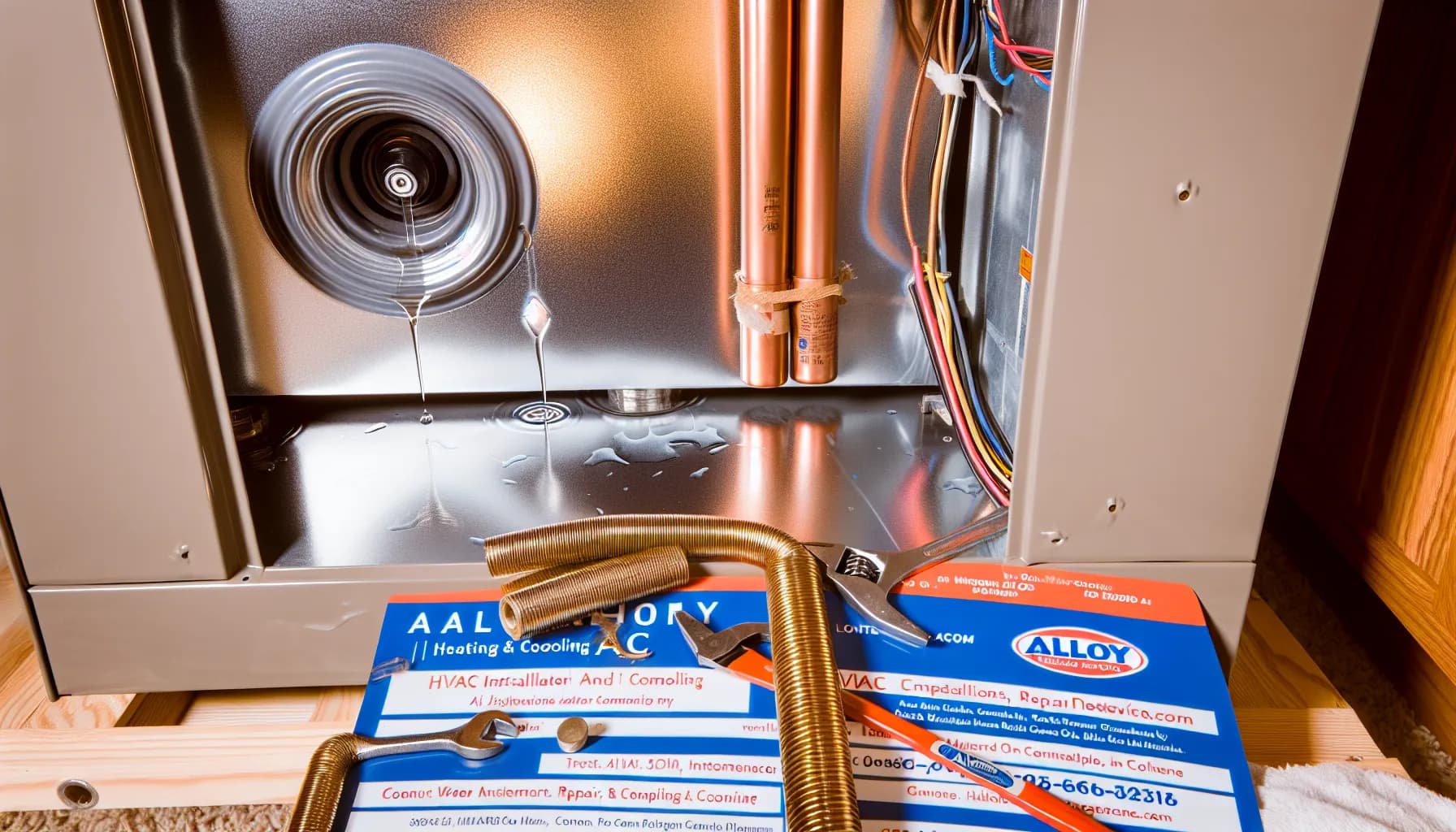
What to Do When Your HVAC Is Leaking Water: Causes, Fixes, and When to Call a Pro
Discovering water pooling around your HVAC system can be alarming. Whether you live in Greenwood Village, Denver, or Boulder, a leaking HVAC unit isn’t just a nuisance, it can lead to costly water damage and comfort issues in your home or business. At Alloy Heating and Cooling, we want to help you understand why your HVAC is leaking, what you can do right away, and when it’s time to call in the professionals.
Understanding Why Your HVAC Is Leaking Water
Common Causes of HVAC Leaks
Water leaks from HVAC systems are usually tied to the air conditioning cycle. Here’s why: when your AC runs, it pulls moisture from the air as part of the cooling process. That moisture condenses on the evaporator coils and is supposed to drain away through a condensate line. But sometimes, problems crop up, such as:
- Clogged condensate drain line: Debris, dirt, or algae can block the line, causing water to back up and overflow.
- Cracked or rusted drain pan: Over time, the pan collecting condensation can deteriorate and leak.
- Dirty or old air filters: Restricted airflow can cause coils to freeze and then thaw, releasing excess water.
- Low refrigerant levels: This can also lead to frozen coils, which melt and leak water once the system is off.
- Improper installation or poor drainage: Sloped pans or misaligned drain lines can’t channel water away properly.
How to Identify a Water Leak in Your HVAC System
Sometimes the signs are obvious, a puddle near your furnace or air handler, or damp spots on the floor. Other times, you might notice musty odors, increased humidity, or even water stains on ceilings if the unit is in an attic. One of our Greenwood Village customers, for example, called us after spotting water dripping from their ceiling vent. A quick inspection revealed a clogged condensate line in their attic AC unit.
Step-by-Step Guide: What to Do When Your HVAC Is Leaking Water
Turn Off Your HVAC System
First, turn off your system at the thermostat and, if possible, at the breaker. This helps prevent electrical hazards and stops the leak from getting worse.
Check and Replace the Air Filter
Dirty filters can block airflow, causing coils to freeze and then leak when they thaw. Remove and inspect the filter. If it’s clogged with dust, replace it right away. Homeowners in Highlands Ranch and Parker often notice leaks during peak summer because their systems work overtime, making monthly filter checks essential.
Inspect the Condensate Drain Line
Look for signs of a clogged line. If you see water standing in the drain pan or dripping from the line, it could be blocked. Locating the drain line, usually a small PVC pipe, and checking for obstructions is a good start.
Examine the Drain Pan for Damage
Use a flashlight to check under the unit for cracks or rust. If the pan is damaged, water will leak out instead of draining away. In older homes around Littleton, corroded drain pans are a common culprit.
Check for Frozen Evaporator Coils
If you see ice forming on the coils or hear unusual noises, frozen coils might be your problem. Let them thaw with the system off. Do not try to chip off the ice, as this can damage the coils.
DIY Fixes for a Leaking HVAC System
Clearing a Clogged Drain Line
Try using a wet-dry vacuum to suction out the clog from the outdoor end of the drain line. You can also flush the line with a mixture of water and vinegar. Remember to pour the solution slowly to avoid spills. Many Denver homeowners have successfully cleared minor clogs with this method, but if the line remains blocked, it’s time to call a pro.
Cleaning or Replacing the Drain Pan
Remove standing water from the pan and clean it with soap and water. If the pan is cracked, a temporary fix is to use waterproof epoxy, but a permanent solution is to have it replaced by a technician.
Thawing Frozen Coils
If frozen coils are the cause, keep your system off to allow them to thaw completely. Make sure your air filter is clean and that vents throughout your home are open and unobstructed. If the coils keep freezing, there may be a refrigerant issue or deeper airflow problem needing professional attention.
When to Call a Professional HVAC Technician
Signs You Need Expert Help
Not every leak is a DIY fix. Call Alloy Heating and Cooling if you notice:
- Repeated leaks, even after clearing the drain line or replacing filters
- Visible mold or water damage
- Strange noises, odors, or system shutdowns
- Frozen coils that persist after thawing
- Difficulty accessing or locating the issue
A Castle Rock business owner recently called us after their office AC shut down and water kept pooling despite their best efforts. Our technician found a hidden clog deep in the drain system and replaced a corroded pan, restoring comfort and preventing further damage.
Preventing Future Water Leaks
Regular HVAC maintenance is the best way to avoid water leaks. Schedule annual inspections and tune-ups, change filters monthly during heavy use, and keep the area around your system clean. Preventive care can save you from expensive repairs and water damage, especially during Colorado’s hot summers and cold winters.
Frequently Asked Questions
Is it dangerous if my HVAC is leaking water?
While a leaking HVAC isn’t always an immediate danger, it can cause water damage, mold growth, and electrical issues if not addressed quickly.
Can I use my HVAC if it’s leaking water?
It’s best to turn off your system and investigate the cause before continuing to use it, as running it could worsen the problem or cause further damage.
How much does it cost to fix a leaking HVAC?
Costs vary depending on the issue. Simple fixes like clearing a drain line may cost little, while repairs for damaged components might require a professional and cost more.
What causes my HVAC drain line to clog?
The drain line can clog due to dirt, algae, mold, or debris buildup, preventing water from draining away as it should.
How can I prevent my HVAC from leaking water in the future?
Regular maintenance, changing air filters, and scheduling annual HVAC inspections can help prevent leaks and other common issues.

Alloy HVAC Team
HVAC experts with years of experience in the industry. We share tips, insights, and the latest trends in heating, ventilation, and air conditioning to help you maintain optimal comfort in your home or business.