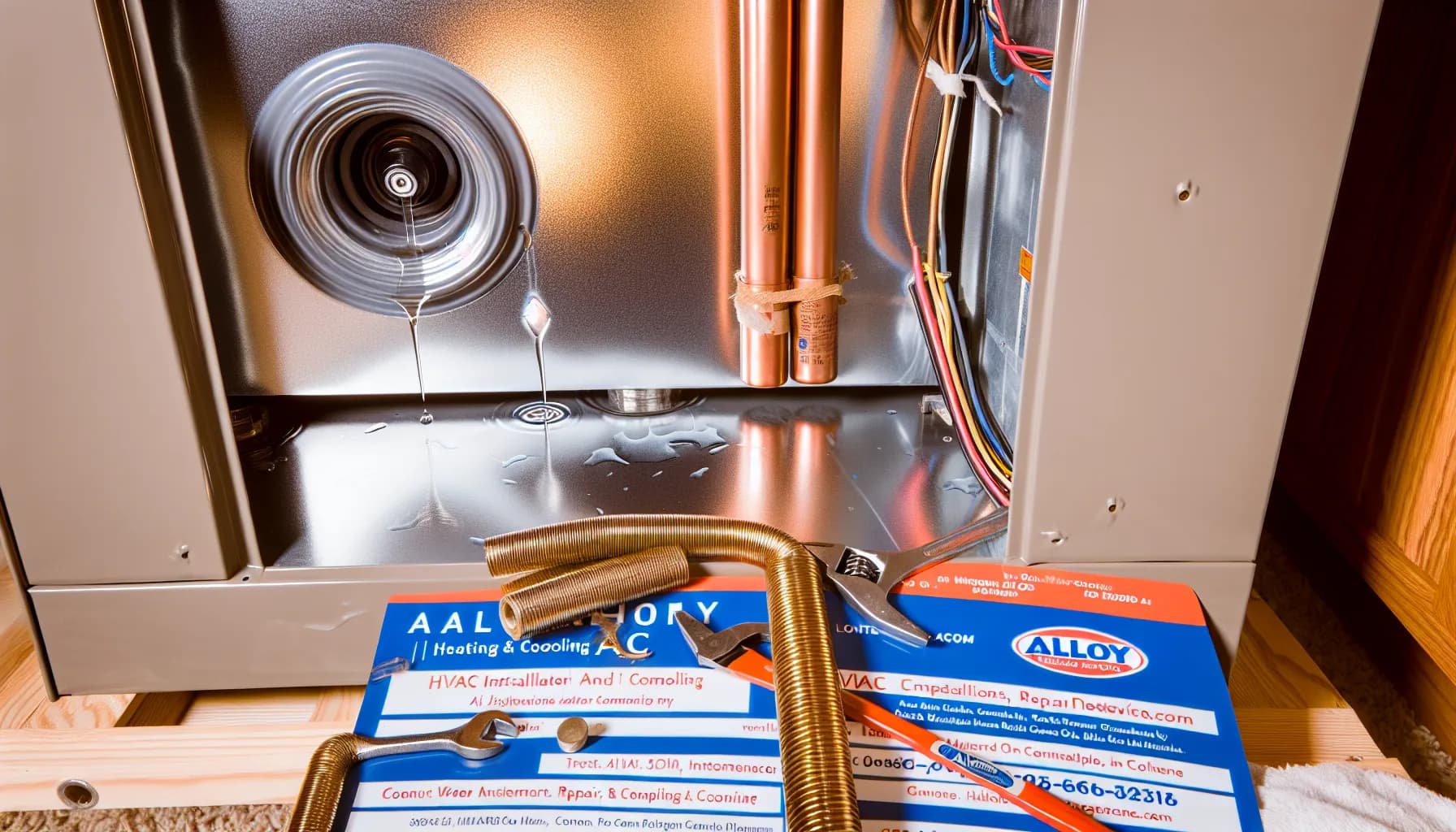
Why Is My HVAC System Leaking Water? Common Causes and Fixes for Colorado Homes
As a homeowner in Colorado, it can be alarming to discover water pooling around your HVAC system. Water leaks are not only inconvenient but can also lead to property damage, mold growth, and expensive repairs if not addressed promptly. At Alloy Heating and Cooling, we often receive calls from customers in Greenwood Village, Englewood, Littleton, Highlands Ranch, and across the Denver metro area asking, “Why is my HVAC system leaking water?” This comprehensive guide will help you understand what causes HVAC water leaks in Colorado homes, what you can do to fix them, and how to prevent future problems.
Understanding Why Your HVAC Is Leaking Water
How Your HVAC System Works
Your HVAC (Heating, Ventilation, and Air Conditioning) system is designed to keep your home comfortable year-round. In the summer, your air conditioner removes heat and humidity from the air. As warm, humid air passes over the cold evaporator coil, moisture condenses and drips into a drain pan, then flows out through a condensate drain line. In the winter, your furnace helps circulate warm air, and while it typically does not produce as much condensation, certain high-efficiency models can also create water as a byproduct.
Normally, this process is contained and you should never see water leaking from your HVAC system. However, when something goes wrong, water can back up or overflow, leading to visible leaks.
Signs of a Water Leak in Your HVAC
- Visible puddles or dampness around the indoor unit
- Ceiling stains or water damage (especially if your HVAC is located in the attic or upper floor)
- Unusual musty odors near vents or the HVAC unit
- Higher indoor humidity or discomfort
- Your HVAC shutting down unexpectedly or failing to cool/heat as expected
In one recent case in Castle Rock, a homeowner noticed water stains on the basement ceiling. Upon inspection, our technician found the AC’s condensate drain line was clogged, causing water to overflow and seep through the floor joists. Catching these signs early can save you money and hassle down the line.
Common Causes of HVAC Leaking Water in Colorado Homes
Water leaks can occur for several reasons. Here are the most frequent culprits we see in Colorado homes:
Clogged Condensate Drain Line
This is the most common cause of HVAC water leaks. Over time, dust, dirt, mold, and pet hair can accumulate in the condensate drain line, blocking the normal flow of water. When the line is blocked, water backs up and spills over the drain pan, resulting in leaks. Colorado’s dry, dusty environment can accelerate this buildup, especially in homes near open fields or during wildfire season.
Dirty or Clogged Air Filter
Air filters help keep dust and debris out of your system. When filters get clogged, airflow is restricted, causing the evaporator coil to freeze. When it eventually melts, it can overwhelm the drain pan, leading to water leaks. We’ve seen this happen in homes in Highlands Ranch where a busy family forgot to change their filter for several months, resulting in both a water leak and a costly coil replacement.
Damaged or Rusted Drain Pan
The drain pan catches condensation from the evaporator coil. Over time, especially in older homes in areas like Morrison or Golden, the pan can rust, crack, or develop holes. A damaged pan won’t hold water properly, allowing it to leak onto the floor or ceiling below.
Low Refrigerant Levels
Low refrigerant leads to reduced pressure in your AC system, which can cause the evaporator coil to freeze. As with a dirty filter, when the ice melts, the drain pan can overflow, leading to leaks. Refrigerant issues are more common in older systems or those with slow leaks in the lines.
Improper HVAC Installation
If your HVAC system was not installed correctly, the drain pan or condensate line may not be properly aligned, leading to poor drainage. This is especially a concern in homes with recent renovations or new construction in rapidly growing areas like Parker or Thornton. We’ve been called in after a DIY installation resulted in ongoing leaks due to improper pitch in the drain line.
Fixes for a Leaking HVAC System
While some water leaks can be handled by homeowners, others require professional attention. Here’s how you can address the most common causes:
How to Unclog the Condensate Drain Line
- Turn off your HVAC system at the thermostat and breaker.
- Locate the condensate drain line (usually a PVC pipe near the indoor unit).
- Use a wet/dry vacuum to suck out the clog from the outdoor end of the line.
- Flush the line with a mixture of hot water and a small amount of vinegar to kill algae and mold.
If this does not resolve the issue, call a professional from Alloy Heating and Cooling. We have specialized tools to clear tough blockages safely.
Replacing or Cleaning Air Filters
- Check your air filter monthly, especially during heavy use in summer or winter.
- Replace disposable filters or clean reusable ones according to manufacturer recommendations.
In Southglenn, one of our customers reduced HVAC leaks and improved air quality simply by setting a reminder to change their filters every 60 days. Regular filter changes are a simple but effective way to protect your entire system.
Repairing or Replacing the Drain Pan
- Inspect the drain pan for rust, cracks, or holes. It may be necessary to remove some panels to access it.
- Small holes can sometimes be patched with epoxy, but significant damage requires replacement.
Drain pan replacement is best left to professionals, as it may involve removing parts of the evaporator coil or disconnecting refrigerant lines. Alloy Heating and Cooling technicians can quickly diagnose and fix drain pan issues, minimizing downtime and mess.
When to Call a Professional HVAC Technician
If you have tried the above steps and your HVAC system is still leaking water, or if you notice ice on the coil, low cooling performance, or hear unusual noises, it’s time to call in the experts. Refrigerant leaks, improper installation, or persistent drainage issues require specialized tools and knowledge.
For example, a homeowner in Centennial called us after multiple failed attempts to clear a condensate line. Our technician found a hidden kink in the drain line behind drywall, which was only accessible with professional equipment. After rerouting the line and performing a system check, the leaks stopped for good.
Preventing Future HVAC Water Leaks
Regular Maintenance Tips
- Schedule annual HVAC inspections and tune-ups with Alloy Heating and Cooling.
- Change air filters regularly (every 1-3 months or as needed).
- Clean the condensate drain line once or twice per year with vinegar or an enzyme cleaner.
- Inspect the area around your HVAC unit for signs of water, mold, or unusual smells.
Preventive maintenance is especially important in Colorado, where dust, pollen, and wildfire smoke can quickly impact HVAC performance. In homes with pets or in rural areas like Elizabeth or Kiowa, more frequent filter changes may be needed.
Seasonal Considerations for Colorado Homes
Colorado’s temperature swings and dry climate create unique HVAC challenges. During spring and fall, rapidly changing temperatures can put extra stress on your system. Before turning on your air conditioner in the spring or furnace in the fall, have a professional inspect and clean your system. This helps catch small problems before they become major leaks.
In mountain communities like Evergreen or Boulder, consider installing a condensate pump if your HVAC unit is located in a basement below the outside ground level. This ensures proper drainage, even during heavy summer rainstorms or spring snowmelt.
Finally, invest in a smart thermostat or leak detector to get early alerts if a problem develops. Many Colorado homeowners have saved themselves from major water damage simply by catching leaks early.
Conclusion
Water leaks from your HVAC system should never be ignored. Whether caused by a clogged drain line, dirty filter, damaged pan, or installation issue, leaks can quickly escalate into bigger problems. By understanding the most common causes, recognizing early warning signs, and scheduling regular maintenance, you can protect your Colorado home or business from water damage and expensive repairs.
Alloy Heating and Cooling proudly serves Greenwood Village, Englewood, Littleton, Highlands Ranch, Parker, Denver, Lakewood, Castle Rock, Boulder, and the entire Front Range. If you notice water around your HVAC system or want to schedule a preventive maintenance check, contact us today for fast, friendly, and expert service.
Frequently Asked Questions
Is it normal for my HVAC system to leak water?
A small amount of condensation is normal, but visible water pooling or dripping is a sign of a problem that should be addressed.
Can I use my HVAC if it’s leaking water?
It’s best to turn off your HVAC and contact a professional, as running it while leaking can cause further damage.
How can I prevent my HVAC from leaking water in Colorado's climate?
Regular maintenance, changing filters, and scheduling seasonal tune-ups help prevent leaks, especially with Colorado’s dry and variable weather.
What should I do if I notice water around my HVAC unit?
Turn off the system, check for clogged drains or filters, and call an HVAC technician if the issue isn’t easily resolved.
How often should I have my HVAC system serviced?
Experts recommend servicing your HVAC system at least once a year, ideally before the cooling or heating season begins.

Alloy HVAC Team
HVAC experts with years of experience in the industry. We share tips, insights, and the latest trends in heating, ventilation, and air conditioning to help you maintain optimal comfort in your home or business.