How to Reduce Your Heating and Cooling Bills in Colorado’s Extreme Weather
Living in Colorado means experiencing everything from frigid winter blizzards to dry, sweltering summers. For homeowners and small businesses across Greenwood Village, Englewood, Littleton, Boulder, and beyond, managing heating and cooling costs isn’t just about comfort, it’s about smart budgeting. At Alloy Heating and Cooling, we know firsthand how Colorado’s climate can push HVAC systems to their limit. Fortunately, with the right strategies, you can keep your energy bills under control while keeping your space comfortable all year long.
Understanding Colorado’s Unique Climate Challenges
How Extreme Weather Affects Energy Usage
Colorado’s weather is famously unpredictable. One day you may enjoy sunny skies in Denver, and the next, a snowstorm hits Littleton. These temperature swings force heating and cooling systems to work overtime. For instance, sub-zero winter nights in Highlands Ranch demand powerful heating, while triple-digit summer days in Aurora put stress on air conditioning units. This constant back-and-forth can lead to skyrocketing energy bills if your home is not ready.
Seasonal Considerations: Winter vs. Summer
Winter heating bills typically peak between November and February, especially during cold snaps. Drafts, poor insulation, and old furnaces are often to blame. Summer brings its own challenges, with the sun beating down on rooftops in Castle Rock, Parker, and Thornton. Homes without adequate insulation or updated AC units see their electricity bills climb as systems struggle to keep up. Understanding these seasonal demands is the first step toward saving money year-round.
Optimize Your Home’s Insulation and Sealing
Inspect and Upgrade Insulation
Insulation acts as your home’s thermal barrier. In Colorado, having the right insulation in walls, attics, and crawl spaces is critical. For example, a homeowner in Centennial saw their heating bills drop by 20% after upgrading attic insulation to meet modern R-value standards. If your home was built before 2000, it’s wise to have a professional assess your insulation.
Seal Windows and Doors
Even the best furnace or air conditioner can’t compensate for leaky windows and doors. Air leaks are common in older homes from Morrison to Erie. Check for drafts using a simple candle or smoke pen test around doors and windows. Weatherstripping and caulking are inexpensive fixes that can prevent treated air from escaping. A small business owner in Boulder reduced their energy costs by $300 a year by sealing gaps around storefront windows and installing door sweeps.
Address Attics and Basements
Heat rises, and in Colorado’s cold winters, a poorly insulated attic can quickly drain warmth. Similarly, basements are prone to cold air infiltration. Insulating these spaces and sealing penetrations (like wiring holes or ductwork joints) can make a significant difference. Roxborough Park homeowners often see immediate improvements in comfort after addressing basement insulation.
Upgrade to Energy-Efficient Heating and Cooling Systems
Choosing Energy Star-Rated Equipment
When it’s time to replace an old furnace or AC, always look for Energy Star-rated models. These systems are specifically designed to use less energy without sacrificing performance. For example, a family in Golden replaced their 20-year-old furnace with a high-efficiency model and saved over $400 on their annual heating bill. Energy Star air conditioners can use up to 15% less energy than standard models, which adds up quickly during Colorado’s long cooling season.
Regular Maintenance and Tune-Ups
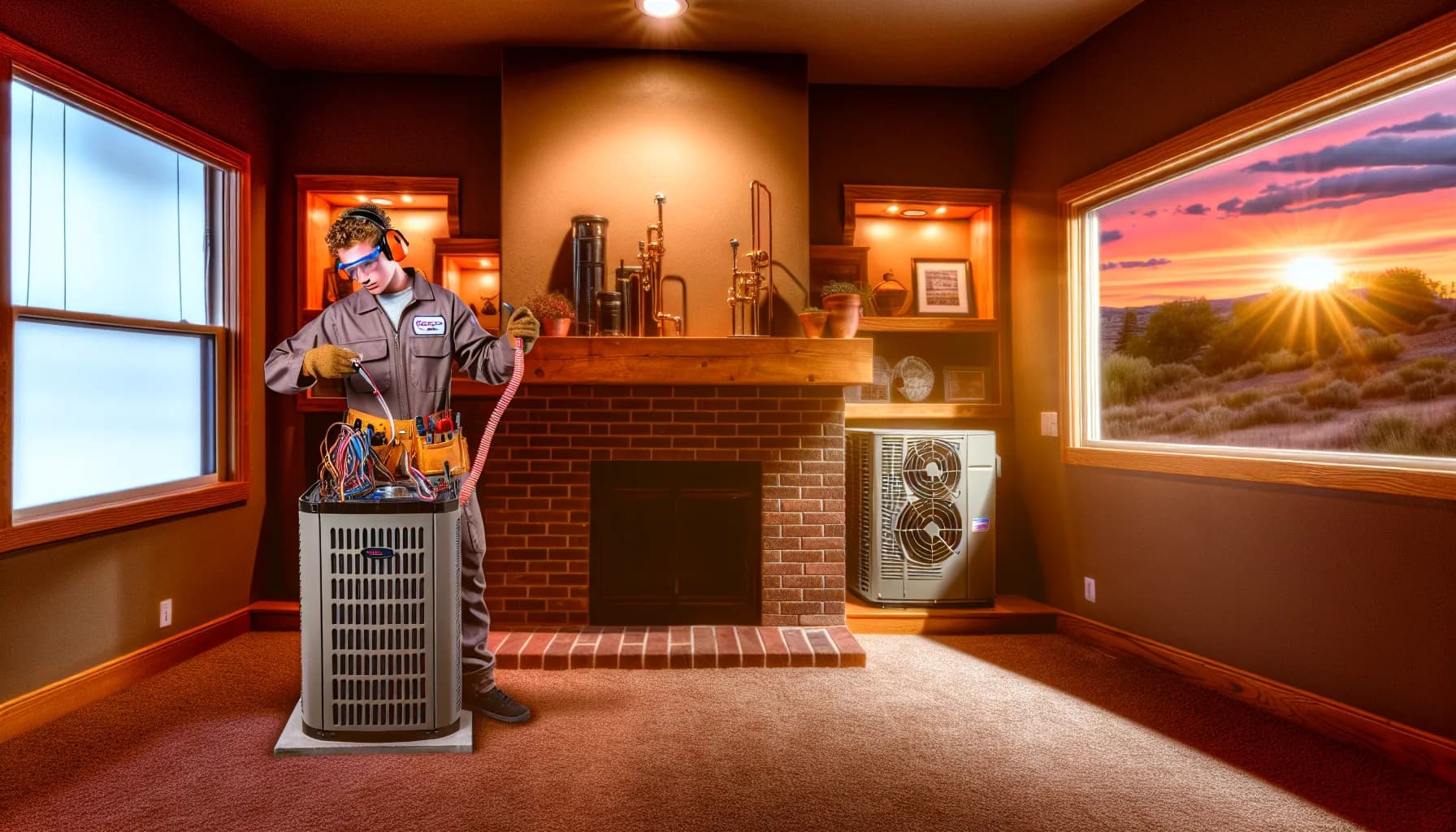
Regular HVAC maintenance ensures your system runs at peak efficiency. In Colorado, where dust and pollen can clog filters and coils, annual tune-ups are essential. Alloy Heating and Cooling recommends scheduling a professional inspection before winter and summer. We helped a Highlands Ranch homeowner avoid a costly furnace breakdown and improve efficiency by catching a cracked heat exchanger during a routine check.
Smart Thermostats and Zoning
Smart thermostats, like those from Ecobee or Nest, adapt to your schedule and adjust temperatures automatically. Zoning systems allow you to heat or cool only the rooms you use most. In a Greenwood Village home, installing a smart thermostat and creating two zones led to a 25% reduction in overall energy use. These solutions pay for themselves quickly in energy savings and added comfort.
Adopt Energy-Saving Habits Year-Round
Adjusting Thermostat Settings Wisely
Small changes in thermostat settings can have a big impact. Lower your thermostat by 7-10°F while you’re asleep or away in winter, and raise it during summer. According to the Department of Energy, this can save up to 10% a year on heating and cooling. Homeowners in Federal Heights reported lower bills just by setting their thermostat to 68°F during the day and 60°F at night in winter.
Utilize Ceiling Fans and Window Coverings
Ceiling fans aren’t just for summer. In winter, running fans clockwise at low speed circulates warm air trapped near the ceiling down into living spaces. In summer, reversing the direction helps create a cooling breeze. Thermal curtains, blinds, and even reflective window films can block out heat during hot afternoons in Westminster or hold in warmth during chilly nights in Palmer Lake.
Schedule Regular HVAC Filter Replacements
Dirty air filters force HVAC systems to work harder, wasting energy and shortening equipment lifespan. Replace filters every 1-3 months, or more often during high pollen seasons. Alloy Heating and Cooling helped a Parker business cut their AC costs by 15% simply by switching to a high-efficiency filter and setting up a regular replacement schedule.
Leverage Rebates and Incentives in Colorado
State and Utility Company Programs
Colorado offers a range of rebates to encourage energy efficiency. Xcel Energy, Black Hills Energy, and other local providers often provide rebates for high-efficiency furnaces, AC units, smart thermostats, and insulation upgrades. For example, a Denver homeowner received $800 back after upgrading to an Energy Star furnace and adding attic insulation. Check with your utility company to see which programs you qualify for.
Federal Tax Credits for Energy Efficiency
The federal government also offers tax credits for certain energy-efficient home improvements. In 2024, the Inflation Reduction Act allows homeowners to claim credits for qualifying HVAC equipment, insulation, windows, and more, sometimes up to 30% of the project cost. This can make upgrading your home’s efficiency much more affordable for families in Arvada, Castle Pines, or Monument.
Real-World Scenario: Bringing It All Together
Let’s look at a real scenario. The Smith family in Lone Tree was struggling with high heating bills during winter and uncomfortable summers. After a home energy audit, they:
- Upgraded attic and basement insulation
- Replaced old weatherstripping on windows and doors
- Installed an Energy Star furnace and a smart thermostat
- Adopted a habit of changing filters every two months
- Took advantage of $1,200 in combined rebates and tax credits
Within the year, their energy bills dropped by more than 30%, and their indoor comfort improved dramatically. This type of success story is common across Colorado when proactive steps are taken.
Conclusion
Reducing your heating and cooling bills in Colorado’s extreme weather is possible with the right approach. Start with insulation and sealing, upgrade to efficient HVAC systems, adopt smart habits, and leverage available rebates. Alloy Heating and Cooling is proud to help homeowners and small businesses from Centennial to Broomfield find the best solutions for their needs. If you’re ready to take control of your comfort and your energy bills, contact us today for an in-home assessment or HVAC tune-up.
Frequently Asked Questions
What is the most effective way to reduce heating bills in Colorado winters?
Upgrading insulation and sealing air leaks are among the most effective steps, as they help retain heat and reduce demand on your heating system.
Do smart thermostats really help lower energy bills?
Yes, smart thermostats optimize heating and cooling schedules based on your lifestyle, often resulting in significant energy savings.
Are there local rebates in Colorado for energy-efficient HVAC upgrades?
Many utility companies and the state of Colorado offer rebates and incentives for upgrading to energy-efficient HVAC systems and insulation.
How often should HVAC systems be maintained in Colorado’s climate?
It’s recommended to have your HVAC system professionally maintained at least once per year, ideally before the heating and cooling seasons.
Can window treatments help reduce heating and cooling costs?
Yes, using thermal curtains or blinds can help keep heat in during winter and block out excess sun in summer, reducing reliance on your HVAC system.

Alloy HVAC Team
HVAC experts with years of experience in the industry. We share tips, insights, and the latest trends in heating, ventilation, and air conditioning to help you maintain optimal comfort in your home or business.