Wall Air Conditioner vs Window Air Conditioner: Which Works Best in Colorado Homes?
Understanding Wall and Window Air Conditioners
What is a Wall Air Conditioner?
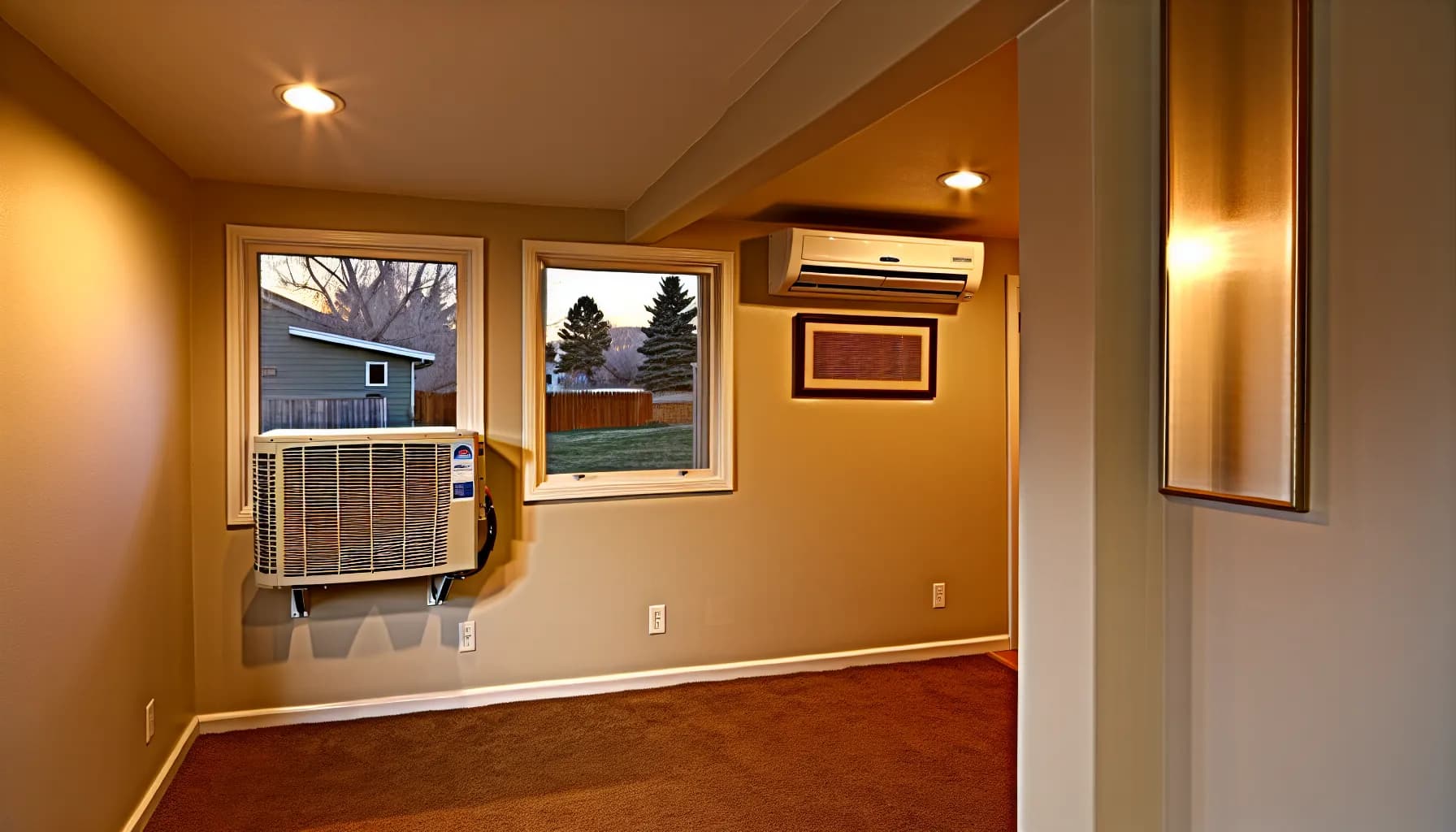
Wall air conditioners, sometimes called through-the-wall units, are cooling appliances installed directly into an exterior wall. These units require a specially cut hole for a secure fit and are supported by the wall structure itself. Wall ACs are a popular choice for rooms lacking appropriate windows or for homeowners seeking a more permanent and less intrusive cooling solution. Once installed, the exterior of the unit is flush with your siding, while the interior face rests just inside your living space.
What is a Window Air Conditioner?
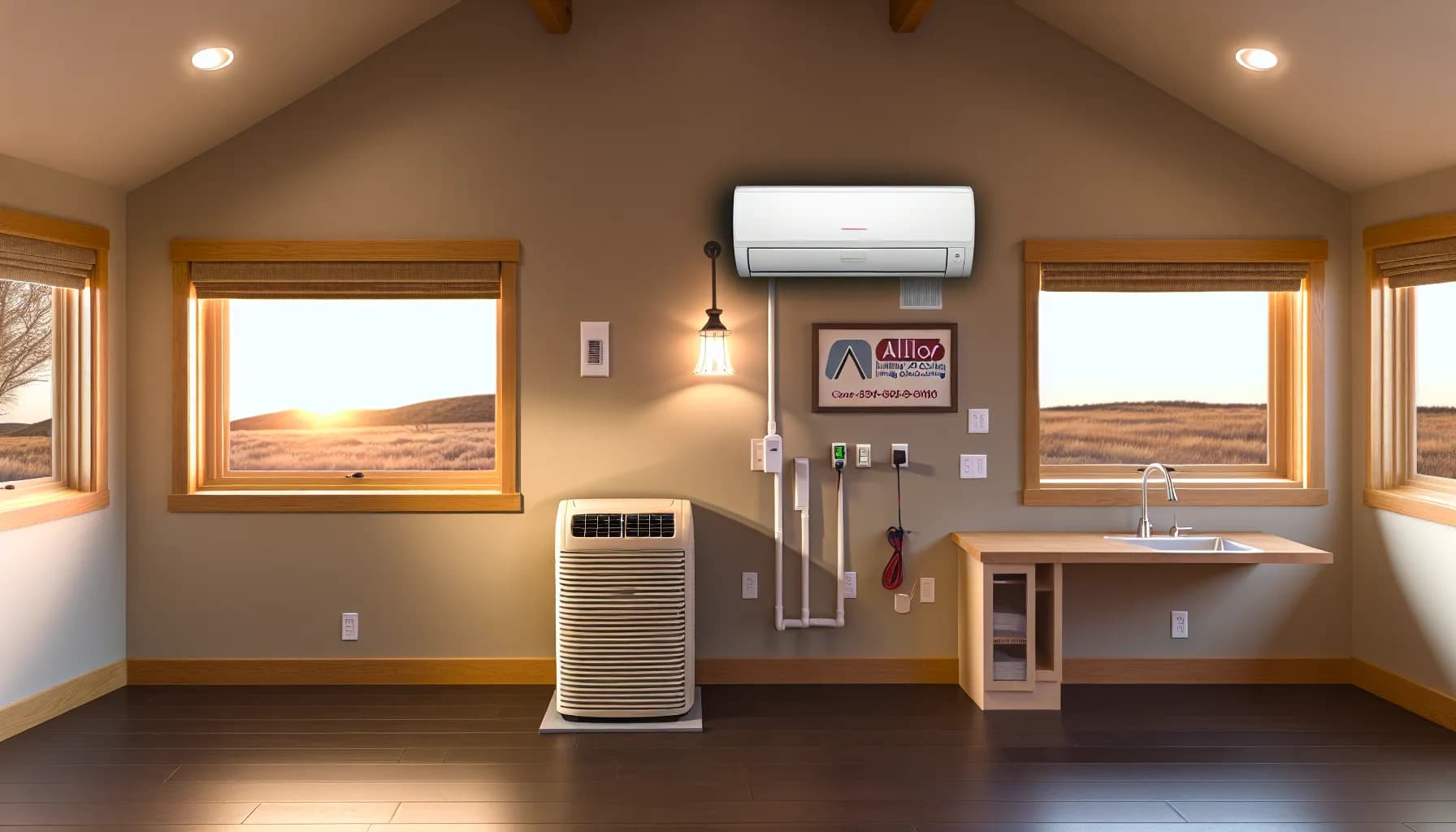
Window air conditioners are portable or semi-permanent units designed to fit within a standard window frame. They expel heat outside and blow cooled air into the room. Most window ACs hang partially inside and outside the window, supported by the sash and sometimes a bracket. Homeowners appreciate their ease of installation and removal, making them a go-to for renters or those looking for seasonal cooling.
Key Differences at a Glance
- Installation: Wall units require a wall cutout; window units fit into existing windows.
- Portability: Window units are easier to remove and relocate.
- Insulation: Wall units generally offer a tighter, more energy-efficient seal.
- Permanence: Wall units are a long-term solution, while window units are typically temporary.
Climate Considerations for Colorado Homes
How Colorado’s Climate Affects Cooling Needs
Colorado’s climate is unique, with hot, dry summers and significant temperature swings between day and night. In places like Greenwood Village, Highlands Ranch, and Boulder, daytime highs can soar into the 90s, while nights cool off quickly. This means Colorado homeowners may not need constant cooling, but when they do, performance matters. The state’s high altitude also reduces air density, impacting how efficiently air conditioners remove heat from your home.
Insulation and Energy Efficiency Factors
Proper insulation is essential for any Colorado home, especially when using a room air conditioner. Wall units typically provide a tighter seal compared to window models, reducing drafts and energy loss. This is particularly important in older homes found in areas like Denver and Lakewood, where insulation may not meet today’s standards. Better insulation leads to lower energy bills and improved comfort during sudden heatwaves.
Wall Air Conditioners: Pros and Cons
Advantages of Wall Air Conditioners
- Energy Efficiency: Wall ACs usually offer superior insulation, minimizing air leakage around the unit. This translates to consistent cooling and reduced utility bills.
- No Window Blockage: Since they do not occupy a window, you keep your natural light and view. This is a big advantage for rooms with limited windows or where ventilation is needed.
- Permanence and Security: Wall units are installed securely, making them less prone to theft and less likely to be dislodged by wind or mishaps.
- Quieter Operation: Compared to window models, wall units are often quieter, thanks to better sealing and fewer vibrations transferred to the window frame.
Potential Drawbacks of Wall Units
- Installation Complexity: Installing a wall unit involves cutting a hole in the exterior wall, which typically requires professional help and may not be suitable for renters.
- Upfront Cost: Wall units and their installation tend to cost more than window units initially.
Window Air Conditioners: Pros and Cons
Benefits of Window Air Conditioners
- Affordable and Accessible: Window ACs are widely available, budget-friendly, and easy to install or remove seasonally.
- Portability: Ideal for renters or those who move frequently. You can transfer your unit between rooms or homes with ease.
- Simple Installation: Most homeowners in Aurora, Centennial, or Castle Pines can install a window AC with basic tools and a little help.
Limitations of Window Units
- Reduced Window Function: The unit blocks part or all of your window, reducing natural light and limiting ventilation.
- Potential for Air Leaks: Window units can let in hot air, bugs, and noise if not sealed properly.
- Less Secure: They can be easier targets for theft in ground-floor windows.
Installation and Maintenance
Wall Unit Installation in Colorado Homes
Professional installation is often necessary for wall units, especially in homes with brick or stucco exteriors common in the Denver and Boulder areas. Cutting a clean, weatherproof hole, framing the opening, and ensuring a tight seal are crucial steps. Proper installation prevents water intrusion, drafts, and structural issues. Homeowners in historic neighborhoods like Morrison or Golden should check with local building codes and HOA rules before starting.
Window Unit Installation: What to Consider
Window ACs require a compatible window, usually double-hung, with adequate support for the unit’s weight. In Colorado, where strong afternoon storms are common, ensure the unit tilts slightly outward to drain condensation away from your home. Be sure to use all included weather stripping and seals to prevent energy loss and water leaks.
Maintenance Requirements for Both Types
Both wall and window air conditioners benefit from regular maintenance. Replace or clean filters monthly during high use, clear debris from exterior vents, and check for signs of moisture or mold. At Alloy Heating and Cooling, we recommend an annual service check, especially before the peak summer months. This keeps your unit running efficiently and extends its lifespan. In areas with cottonwood trees or frequent dust, like Roxborough Park or Erie, more frequent cleaning may be needed.
Cost Comparison: Wall vs Window Air Conditioners
Upfront Costs
Window air conditioners typically cost less upfront, with prices ranging from $150 to $500 depending on size and features. Wall units start at around $400 and can exceed $1,000, with installation adding $300 to $800 or more. While the initial investment for wall units is higher, the long-term benefits may justify the expense for many Colorado homeowners.
Long-Term Energy Efficiency and Savings
Wall units tend to be more energy efficient due to their tighter installation and better sealing. Over several summers, these savings can offset the higher purchase and installation costs. Window units may be less efficient, especially if not installed perfectly or if windows are drafty. In Colorado’s dry, high-altitude climate, every bit of energy savings counts, especially for larger homes or businesses in Castle Rock or Lakewood.
Which Air Conditioner is Best for Colorado Homes?
Factors to Consider Before Choosing
- Home Layout: Do you have suitable windows, or would a wall unit fit your needs better?
- Budget: Are you looking for the most affordable solution, or are you planning for long-term efficiency?
- Ownership: Homeowners have more flexibility for permanent installations, while renters may prefer window units.
- Noise Sensitivity: If quiet operation is essential, wall units are typically the better choice.
Recommendations Based on Home Type
- Single-Family Homes: Wall units offer a long-term, efficient solution, especially for older homes with few windows or unique layouts.
- Apartments and Condos: Window units are usually preferred, as they do not require structural changes and can be removed when moving.
- Historic or Custom Homes: Consult with HVAC professionals to avoid damaging exterior walls or violating local codes. Sometimes a portable or ductless mini-split may be a better fit.
For example, a homeowner in Highlands Ranch retrofitted a basement office with a wall AC for year-round comfort. Meanwhile, a renter in Aurora opted for a window unit that could be taken when moving to a new apartment. Ultimately, the best choice comes down to your home’s configuration, your budget, and your long-term plans.
If you’re unsure which solution is right for your Colorado home or business, Alloy Heating and Cooling can help. Our experts can assess your space, discuss your needs, and recommend the most efficient and cost-effective cooling option for your unique situation.
Frequently Asked Questions
Are wall air conditioners more energy efficient than window air conditioners?
Wall air conditioners typically offer better insulation and less air leakage, making them more energy efficient, especially in climates like Colorado’s. However, actual efficiency depends on the model and proper installation.
Can I install a window air conditioner in any room?
Window air conditioners require a standard-sized window for installation. Rooms without suitable windows may not be ideal for window units, making wall units a better option in such cases.
Do wall air conditioners require professional installation?
Yes, wall air conditioners usually require cutting a hole in an exterior wall and may need professional installation to ensure proper fit and insulation.
Which type is quieter: wall or window air conditioners?
Wall air conditioners are often quieter than window units because they have better insulation and are more securely installed, reducing vibration and noise.
How does Colorado’s elevation affect air conditioner performance?
Higher elevations like those in Colorado can impact air conditioner efficiency. Both types can work well, but it’s important to choose a unit rated for your altitude and cooling needs.

Alloy HVAC Team
HVAC experts with years of experience in the industry. We share tips, insights, and the latest trends in heating, ventilation, and air conditioning to help you maintain optimal comfort in your home or business.