How Often Should You Have Your HVAC Serviced in Colorado?
If you’re a homeowner or business owner in Colorado, from Greenwood Village to Boulder and everywhere in between, your HVAC system is essential for comfort year-round. Between harsh winters along the Front Range and warm, dry summers, your heating and cooling equipment works hard to keep indoor temperatures just right. But how often should you have your HVAC serviced in Colorado? Let’s break down the factors, benefits, and best practices so you can keep your system running smoothly and avoid unexpected breakdowns.
Why Regular HVAC Maintenance Matters
Benefits of Routine HVAC Servicing
Regular HVAC maintenance isn’t just about preventing problems. It delivers real, measurable benefits for Colorado homeowners and businesses. For example, a Centennial homeowner who schedules annual furnace checkups noticed their energy bills drop by 15%. That’s because a well-tuned system runs more efficiently, using less energy to heat or cool your space. Here are some key benefits of routine servicing:
- Boosted Efficiency: Clean filters and calibrated components help your system use less energy, saving you money each month.
- Longer System Lifespan: Addressing minor issues before they grow can add years to your HVAC system’s life, delaying the costly need for replacement.
- Improved Air Quality: Regular maintenance removes dust, pollen, and debris that can circulate through your home or office, which is especially important during Colorado’s allergy seasons.
- Fewer Breakdowns: Technicians catch and fix wear-and-tear issues early, reducing the risk of mid-winter furnace failures or summer AC breakdowns.
- Warranty Compliance: Many manufacturers require proof of regular maintenance to keep your warranty valid.
Consequences of Skipping Maintenance
Neglecting HVAC maintenance can lead to more than just discomfort. An Englewood small business learned this the hard way when their air conditioner failed on a 95-degree June day, right in the middle of a customer event. The culprit? A clogged filter and a worn-out capacitor, both preventable with routine service. Here’s what can happen if you skip maintenance:
- Higher Utility Bills: Dirty or neglected systems have to work harder, using more energy.
- Unexpected Breakdowns: Small issues can snowball into major repairs when left unaddressed.
- Poor Indoor Air Quality: Dusty ducts, clogged filters, and dirty coils can spread allergens throughout your space.
- Shortened Equipment Life: Lack of care accelerates wear and tear, leading to premature system failure.
- Voided Warranties: Most HVAC warranties require regular maintenance. Missed service visits could leave you unprotected.
Recommended HVAC Service Frequency in Colorado
General Guidelines for HVAC Servicing
So, how often should you have your HVAC serviced in Colorado? The general rule is at least once a year, but Colorado’s unique climate makes a strong case for more frequent check-ins. Most HVAC professionals recommend servicing both your heating and cooling systems annually, ideally in spring for air conditioning and fall for heating. That means two service visits per year for optimal performance.
Factors That Influence Service Intervals
While twice-yearly maintenance is a good baseline, some situations may require more frequent service. Consider these factors:
- System Age: Older systems (10+ years) often benefit from more frequent checkups due to increased wear and tear.
- Usage Level: Homes with high occupancy, pets, or businesses with round-the-clock operations may need extra filter changes and inspections.
- Location: Areas with lots of dust, pollen, or wildfire smoke can clog filters and coils faster.
- Type of Equipment: Heat pumps, which run year-round, often need more attention than traditional furnaces or central AC units.
Seasonal Considerations for Colorado’s Climate
Colorado’s climate is unique, icy winters, hot summers, and wild swings in between. Here’s how seasonal changes affect your HVAC needs:
- Spring: Schedule AC maintenance before the first heat wave. This catches issues before you need cooling the most.
- Fall: Book furnace or heat pump service before the first freeze. Early checks ensure safe and reliable heating all winter long.
- Extreme Weather Events: After heavy wildfire smoke or dust storms, consider extra filter changes or system inspections.
Real-world example: A Lone Tree family always schedules their AC tune-up in April and furnace check in September. They rarely experience breakdowns, even during the coldest or hottest months.
What Happens During a Typical HVAC Service Visit?
Inspection Checklist
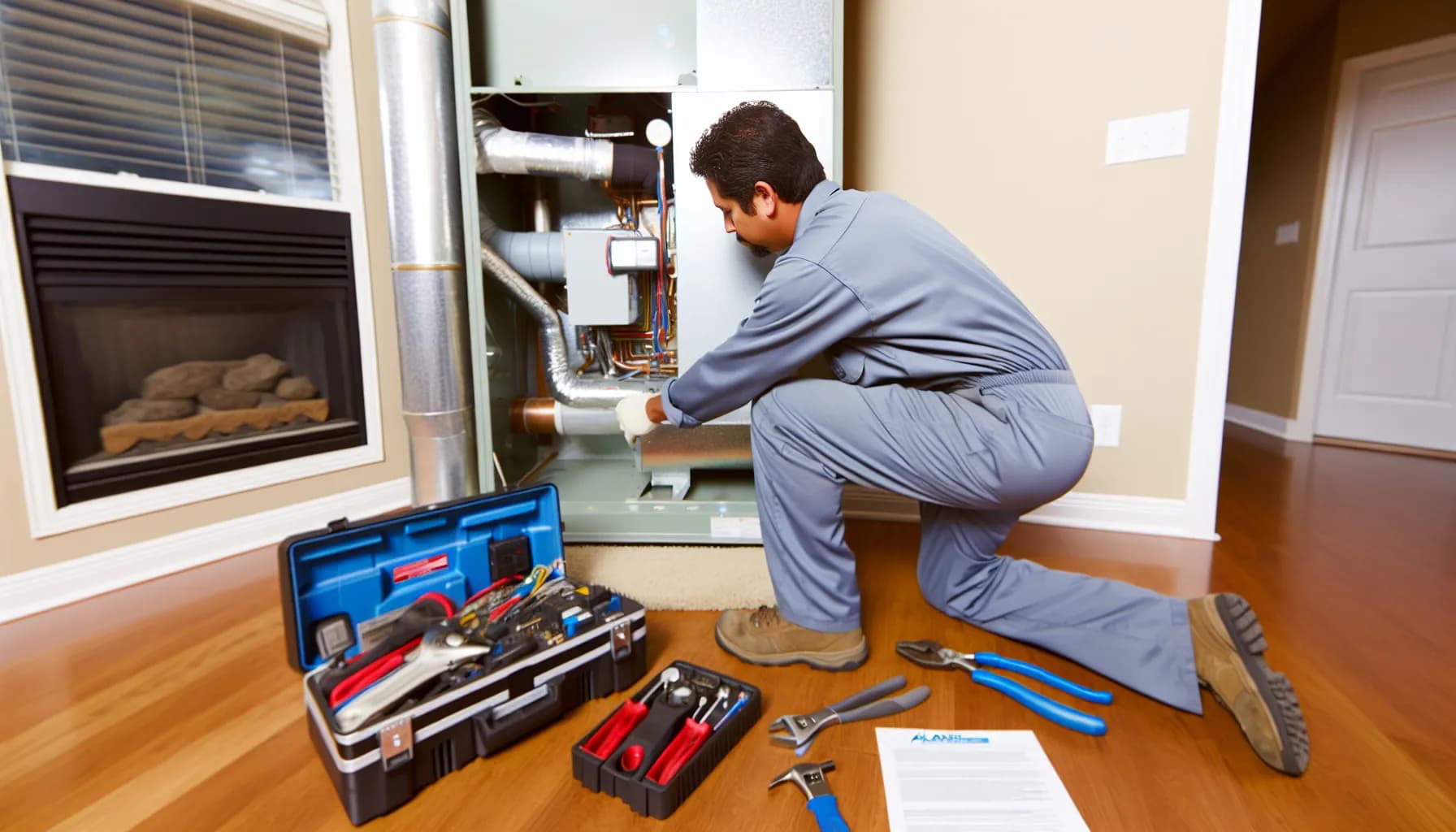
During a professional HVAC service, technicians follow a detailed checklist tailored to your equipment. Here’s what a service visit often includes:
- Checking thermostat calibration and settings
- Inspecting electrical connections and tightening as needed
- Examining and lubricating moving parts (like blower motors and fans)
- Measuring refrigerant levels and checking for leaks (for AC and heat pumps)
- Testing safety controls and system start-up/shutdown sequences
- Inspecting ductwork for leaks, blockages, or damage
Common Maintenance Tasks
Along with inspections, technicians perform hands-on maintenance to keep your system running smoothly:
- Cleaning or replacing air filters
- Cleaning condenser and evaporator coils
- Clearing debris from outdoor units
- Checking and cleaning condensate drains
- Testing system airflow and temperature output
- Inspecting and adjusting belts, pulleys, and fans as needed
For example, during a recent service call in Arvada, a technician discovered a blocked condensate drain that was causing water to back up into the furnace. Quick action prevented water damage and a costly repair.
Signs Your HVAC System Needs Immediate Attention
Warning Signs of HVAC Problems
Sometimes, your system needs more than routine maintenance. Watch for these red flags:
- Unusual noises (grinding, banging, or squealing)
- Weak or uneven airflow
- Strange odors (burning, musty, or chemical smells)
- Frequent cycling on and off
- Sudden spikes in energy bills
- Visible leaks or excessive moisture around units
Real scenario: A Denver homeowner called for service after hearing a loud screech during furnace startup. The technician found a worn-out blower belt that could have snapped at any moment.
When to Schedule Extra Service
Along with regular tune-ups, schedule an HVAC visit right away if you notice:
- System fails to start
- No heat or cool air when system is running
- Refrigerant or water leaks
- Unresponsive thermostat
- Persistent humidity or dust problems
Addressing these issues quickly can prevent bigger, more expensive repairs later. In businesses, immediate attention can also protect inventory or sensitive electronics from temperature extremes.
Tips for Choosing a Qualified HVAC Service Provider in Colorado
What to Look for in an HVAC Technician
Not all HVAC companies are created equal. When choosing a provider, look for:
- Proper licensing and insurance in Colorado
- Technicians certified by organizations like NATE (North American Technician Excellence)
- Experience with your specific equipment brand and type
- Positive customer reviews from nearby communities (such as Highlands Ranch or Golden)
- Upfront pricing and clear service agreements
- Emergency service availability
Questions to Ask Before Scheduling Service
Protect your investment by asking these questions:
- What specific services are included in the tune-up?
- Do you offer maintenance agreements or plans?
- Are your technicians background-checked and insured?
- Do you provide written estimates and explain recommended repairs?
- Can you provide references from customers in my area?
Choosing a reputable HVAC provider ensures your system receives expert care, giving you peace of mind and reliable comfort all year long.
Conclusion
In Colorado’s demanding climate, regular HVAC maintenance isn’t a luxury, it’s a necessity. Scheduling professional service twice a year, before the heating and cooling seasons, is the best way to ensure efficient operation, lower utility bills, and fewer surprises. Whether you’re in Aurora, Castle Rock, or Boulder, trust your local HVAC experts to keep your system in peak condition. Don’t wait for a breakdown, plan your next maintenance visit today and enjoy worry-free comfort, no matter what Colorado weather brings.
Frequently Asked Questions
How often should you have your HVAC serviced in Colorado?
Most experts recommend servicing your HVAC system at least once a year, but in Colorado’s climate, it’s ideal to schedule service for both your heating and cooling systems before each season—typically twice a year.
What are the benefits of regular HVAC maintenance?
Regular HVAC maintenance helps improve energy efficiency, reduces the risk of breakdowns, extends the lifespan of your system, and ensures better indoor air quality.
Does Colorado’s climate affect HVAC service frequency?
Yes, Colorado’s varying temperatures and seasonal extremes can put extra stress on HVAC systems, making biannual servicing especially important for optimal performance.
What is typically included in an HVAC service?
A standard HVAC service includes inspection, cleaning, checking refrigerant levels, testing controls, and replacing filters to ensure your system operates efficiently.
Can skipping HVAC maintenance void my warranty?
Many manufacturers require regular maintenance as part of their warranty terms, so skipping service could potentially void your HVAC system’s warranty coverage.

Alloy HVAC Team
HVAC experts with years of experience in the industry. We share tips, insights, and the latest trends in heating, ventilation, and air conditioning to help you maintain optimal comfort in your home or business.