Essential Guide to Commercial HVAC Maintenance: Boost Efficiency and Save Costs
In the realm of commercial HVAC systems, maintenance isn’t just a routine task; it’s a pivotal element that can significantly boost efficiency and minimize operational costs. As businesses aim to create comfortable environments for employees and customers alike, neglecting HVAC upkeep can lead to inefficient systems, rising energy bills, and unexpected breakdowns. This Essential Guide to Commercial HVAC Maintenance equips you with the crucial knowledge and strategies needed to ensure your system runs smoothly year-round. From understanding the importance of regular inspections to implementing proactive maintenance practices, this guide will help you navigate the complexities of HVAC care. By investing time and resources into upkeep, not only do you extend the lifespan of your equipment, but you also enhance indoor air quality and protect your bottom line. Let’s delve into the essential practices that will keep your commercial HVAC system efficient and cost-effective, ensuring a comfortable atmosphere for all.
Understanding Commercial HVAC Systems
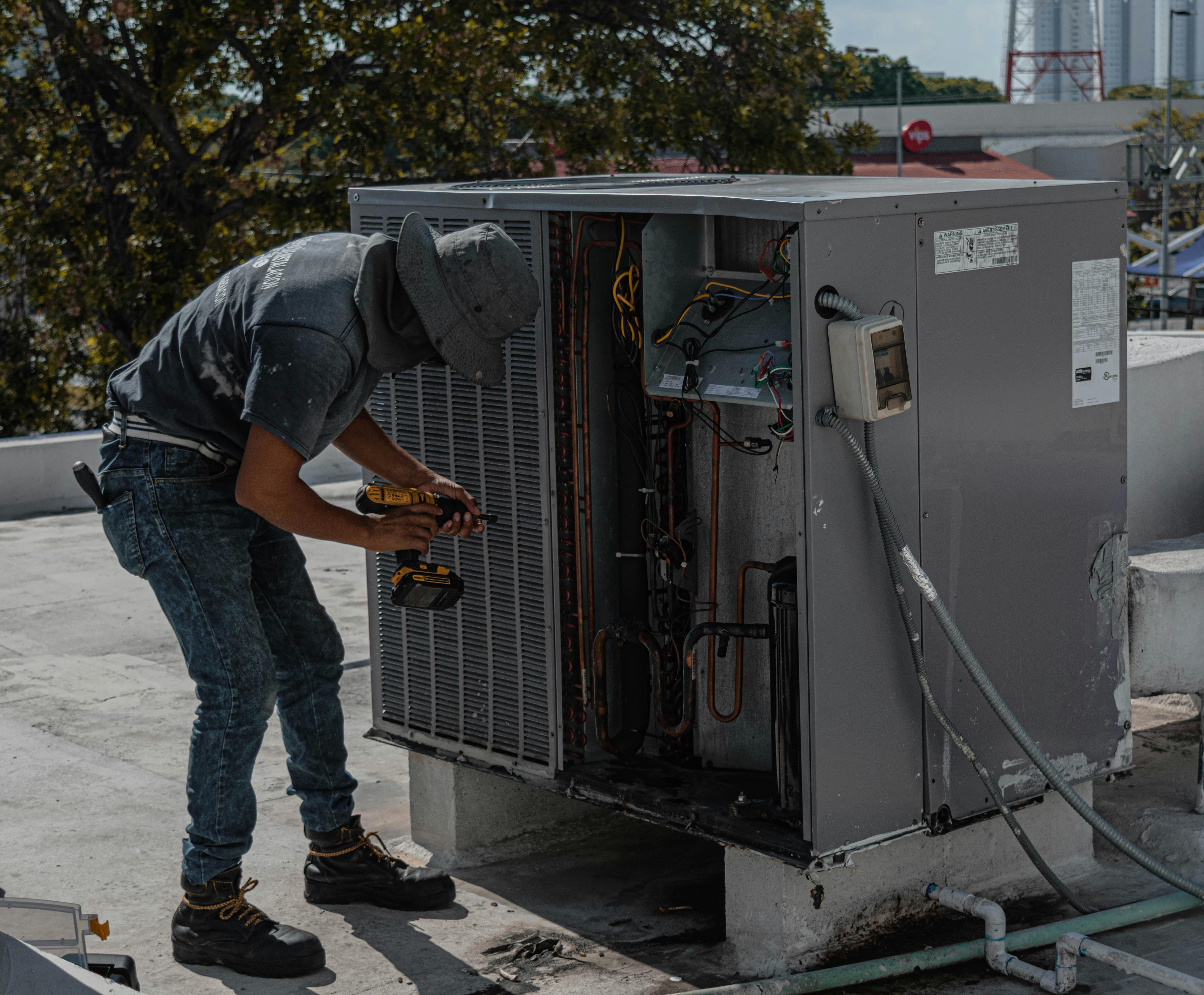
<sub>Image Source: Pexels</sub>
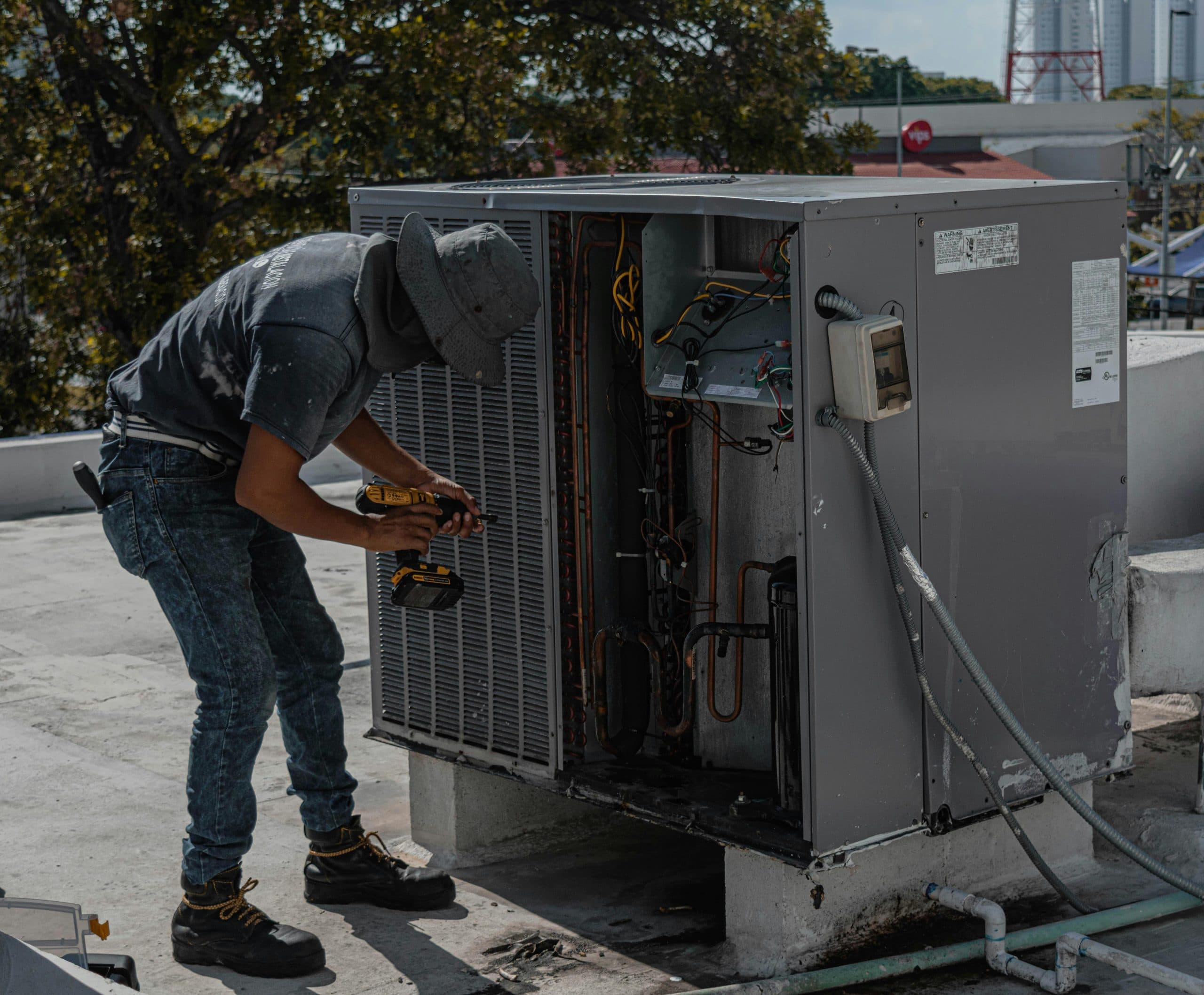
Commercial HVAC (Heating, Ventilation, and Air Conditioning) systems are complex networks designed to regulate the indoor climate of large buildings such as offices, schools, hospitals, and shopping centers. These systems are more sophisticated than residential setups due to the higher demands for heating and cooling over large areas and varied occupancy levels. The primary function of an HVAC system is to provide thermal comfort and maintain indoor air quality, ensuring a healthy and productive environment.
The components of a commercial HVAC system can vary widely depending on the building’s size, design, and specific needs. Typically, these systems include air handlers, chillers, boilers, rooftop units, and ductwork. Each component plays a crucial role in the overall functionality, and any malfunction in one part can affect the entire system’s performance. Understanding how these parts work together helps in identifying potential issues and maintaining the system efficiently.
Moreover, commercial HVAC systems often incorporate advanced technologies such as building automation systems (BAS), which enable centralized control and monitoring. These technologies enhance system performance by optimizing energy usage, improving indoor air quality, and reducing operational costs. Integrating smart controls and sensors can lead to significant improvements in efficiency and reliability, highlighting the importance of staying updated on the latest HVAC innovations.
Importance of Regular HVAC Maintenance
Regular maintenance of commercial HVAC systems is essential for several reasons. Firstly, it ensures that the system operates at peak efficiency, which directly translates to energy savings. An efficiently running system does not overwork to maintain desired temperatures, thereby consuming less energy and lowering utility bills. In an era where energy costs are continually rising, maintaining an efficient HVAC system is a smart financial decision.
Secondly, consistent maintenance helps in extending the lifespan of the HVAC equipment. Regular inspections and timely interventions can prevent small issues from escalating into major problems that could require costly repairs or even complete system replacements. By addressing wear and tear, cleaning components, and performing routine checks, businesses can avoid unexpected breakdowns and ensure that their HVAC system remains reliable for years.
Furthermore, regular maintenance significantly impacts indoor air quality, which is vital for the health and comfort of building occupants. An unmaintained system can harbor dust, mold, and other contaminants that can circulate through the air, leading to health problems such as allergies and respiratory issues. By keeping the system clean and well-maintained, businesses can provide a safer and more comfortable environment for employees and customers.
Key Components of HVAC Systems to Monitor
Monitoring the key components of a commercial HVAC system is crucial to ensure its optimal performance. One of the primary components to keep an eye on is the air filter. Air filters trap dust, dirt, and other particles, preventing them from entering the HVAC system and the indoor air. Clogged or dirty filters can restrict airflow, causing the system to work harder, which not only increases energy consumption but also puts additional strain on the components.
Another vital component is the thermostat, which regulates the temperature by controlling the heating and cooling cycles. A malfunctioning thermostat can lead to inconsistent temperatures and inefficient system operation. Regularly checking and calibrating the thermostat ensures that the HVAC system responds accurately to temperature settings, maintaining comfort and efficiency.
The ductwork is also a critical part of the HVAC system. Leaks or blockages in the ducts can result in significant energy losses and uneven temperature distribution. Routine inspections can help identify and seal leaks, clean out blockages, and ensure that the ductwork is properly insulated, enhancing the system’s overall efficiency.
Common HVAC Issues and How to Prevent Them
Commercial HVAC systems face various issues that can affect their performance and longevity. One common problem is refrigerant leaks. Low refrigerant levels can reduce the system’s cooling capacity and lead to higher energy consumption. Regularly checking for leaks and ensuring proper refrigerant levels can prevent this issue and maintain the system’s efficiency.
Another frequent issue is the buildup of dirt and debris on the system’s components, such as coils and fans. This accumulation can obstruct airflow and reduce the system’s efficiency. Implementing a routine cleaning schedule for these components can help prevent blockages and maintain smooth operation. Additionally, keeping the surrounding areas of the HVAC units clean and free from debris can further enhance performance.
Electrical issues, such as faulty wiring or worn-out components, can also cause HVAC malfunctions. These problems can lead to system failures or even pose fire hazards. Regular electrical inspections and addressing any signs of wear or damage can mitigate these risks. Ensuring that all electrical connections are secure and in good condition is vital for the safe and efficient operation of the HVAC system.
Seasonal Maintenance Checklist for Commercial HVAC
A seasonal maintenance checklist is a practical tool for keeping your commercial HVAC system in top shape. Each season presents unique challenges and requirements, making it essential to tailor maintenance tasks accordingly. In the spring, for example, it’s crucial to clean or replace air filters, inspect the outdoor units for debris, and check refrigerant levels in preparation for the warmer months.
During the summer, the focus should be on monitoring the cooling system’s performance. This includes checking the thermostat settings, cleaning the evaporator and condenser coils, and ensuring that the system is adequately lubricated. Regularly inspecting and cleaning the condensate drain is also important to prevent water damage and maintain system efficiency.
As fall approaches, it’s time to prepare for the heating season. This involves inspecting and servicing the heating elements, checking the flue system for safety, and ensuring that the system’s controls are functioning correctly. Cleaning or replacing the air filters and inspecting the ductwork for leaks are also essential tasks to maintain efficient operation during the colder months.
Benefits of Professional HVAC Maintenance Services
Hiring professional HVAC maintenance services offers numerous advantages that go beyond basic upkeep. Certified technicians possess the expertise and experience to identify potential issues that may not be apparent to the untrained eye. Their thorough inspections and diagnostic skills can prevent minor problems from escalating into major repairs, saving businesses both time and money.
Professional maintenance services also ensure compliance with industry standards and regulations. This is particularly important for commercial buildings, where adherence to safety and environmental guidelines is crucial. Regular professional maintenance can help businesses avoid penalties and ensure that their HVAC systems operate within legal and safety requirements.
Moreover, professional services can provide tailored maintenance plans that meet the specific needs of a business. These plans often include scheduled inspections, cleaning, and repairs, ensuring that the HVAC system receives consistent and comprehensive care. This proactive approach not only enhances system performance but also provides peace of mind, knowing that the HVAC system is in capable hands.
Energy Efficiency Tips for HVAC Systems
Improving energy efficiency in commercial HVAC systems is a key strategy for reducing operational costs and minimizing environmental impact. One effective tip is to implement programmable thermostats or building automation systems that allow precise control over heating and cooling schedules. By adjusting temperatures based on occupancy and time of day, businesses can avoid unnecessary energy consumption.
Regularly cleaning and maintaining HVAC components is another important step in enhancing energy efficiency. Dirty or clogged filters, coils, and ducts can obstruct airflow and force the system to work harder, consuming more energy. Keeping these components clean ensures optimal airflow and reduces the strain on the system, leading to lower energy usage.
Sealing and insulating ductwork is also crucial for energy efficiency. Leaky ducts can result in significant energy losses, as conditioned air escapes before reaching the intended areas. Properly sealing and insulating ducts ensures that air is delivered efficiently, reducing the need for the system to run longer or more frequently. This not only saves energy but also enhances overall comfort within the building.
Cost-Saving Strategies in HVAC Maintenance
Implementing cost-saving strategies in HVAC maintenance can lead to significant financial benefits for businesses. One effective approach is to adopt a preventive maintenance plan, which involves regular inspections and proactive servicing of the system. By addressing issues before they become major problems, businesses can avoid costly repairs and extend the lifespan of their HVAC equipment.
Investing in energy-efficient upgrades is another cost-saving strategy. Upgrading to high-efficiency HVAC units, installing programmable thermostats, and incorporating energy recovery ventilators can reduce energy consumption and lower utility bills. While these upgrades may require an initial investment, the long-term savings in energy costs make them a worthwhile endeavor.
Additionally, businesses can take advantage of rebates and incentives offered by utility companies and government programs for energy-efficient HVAC systems. These financial incentives can help offset the cost of upgrades and encourage businesses to invest in sustainable and cost-effective solutions. Researching and applying for these programs can provide significant financial relief and support long-term savings.
The Role of Technology in HVAC Maintenance
Technology plays a pivotal role in modern HVAC maintenance, offering innovative solutions that enhance efficiency and reliability. Building automation systems (BAS) are a prime example, providing centralized control and monitoring of HVAC systems. These systems use sensors and smart controls to optimize performance, detect issues in real-time, and adjust settings automatically based on occupancy and environmental conditions.
Predictive maintenance is another technological advancement transforming HVAC care. Utilizing data analytics and machine learning algorithms, predictive maintenance systems can forecast potential failures and maintenance needs before they occur. This proactive approach allows businesses to schedule maintenance at optimal times, reducing downtime and preventing unexpected breakdowns.
Remote monitoring and diagnostics are also revolutionizing HVAC maintenance. With the ability to monitor systems remotely, technicians can diagnose issues and make adjustments without being physically present on-site. This not only saves time and resources but also allows for quicker response times and more efficient troubleshooting. Embracing these technological advancements can lead to more effective and streamlined HVAC maintenance practices.
Conclusion: Investing in HVAC Maintenance for Long-Term Savings
Investing in regular HVAC maintenance is a strategic decision that offers substantial long-term savings and benefits. By ensuring that commercial HVAC systems operate efficiently, businesses can reduce energy consumption, lower utility bills, and minimize the risk of costly repairs. Regular maintenance also extends the lifespan of HVAC equipment, delaying the need for expensive replacements and ensuring reliable performance.
Moreover, maintaining a well-functioning HVAC system enhances indoor air quality, creating a healthier and more comfortable environment for employees and customers. This can lead to increased productivity, higher customer satisfaction, and a positive reputation for the business. Prioritizing HVAC maintenance demonstrates a commitment to the well-being of building occupants and the overall operational efficiency of the business.
In conclusion, the Essential Guide to Commercial HVAC Maintenance provides valuable insights and practical strategies to keep your HVAC system running smoothly year-round. By embracing proactive maintenance practices, leveraging professional services, and incorporating energy-efficient technologies, businesses can achieve significant cost savings and ensure a comfortable atmosphere for all. Investing time and resources into HVAC maintenance is not just a necessity; it’s a smart investment in the future success and sustainability of your business.

Alloy HVAC Team
HVAC experts with years of experience in the industry. We share tips, insights, and the latest trends in heating, ventilation, and air conditioning to help you maintain optimal comfort in your home or business.