Ductless Mini Split vs. Central Air Conditioning: Which Is Right for Colorado Homes?
Choosing the right air conditioning system for your Colorado home can make a world of difference in comfort, efficiency, and long-term costs. With Colorado’s unique climate, ranging from hot, dry summers to chilly winters, homeowners and small business owners across Greenwood Village, Englewood, Littleton, Denver, and surrounding areas often ask whether a ductless mini split or a central air conditioning system is the better option. At Alloy Heating and Cooling, we bring decades of HVAC expertise to help you make the best choice for your property.
Understanding Ductless Mini Split Systems
How Ductless Mini Splits Work
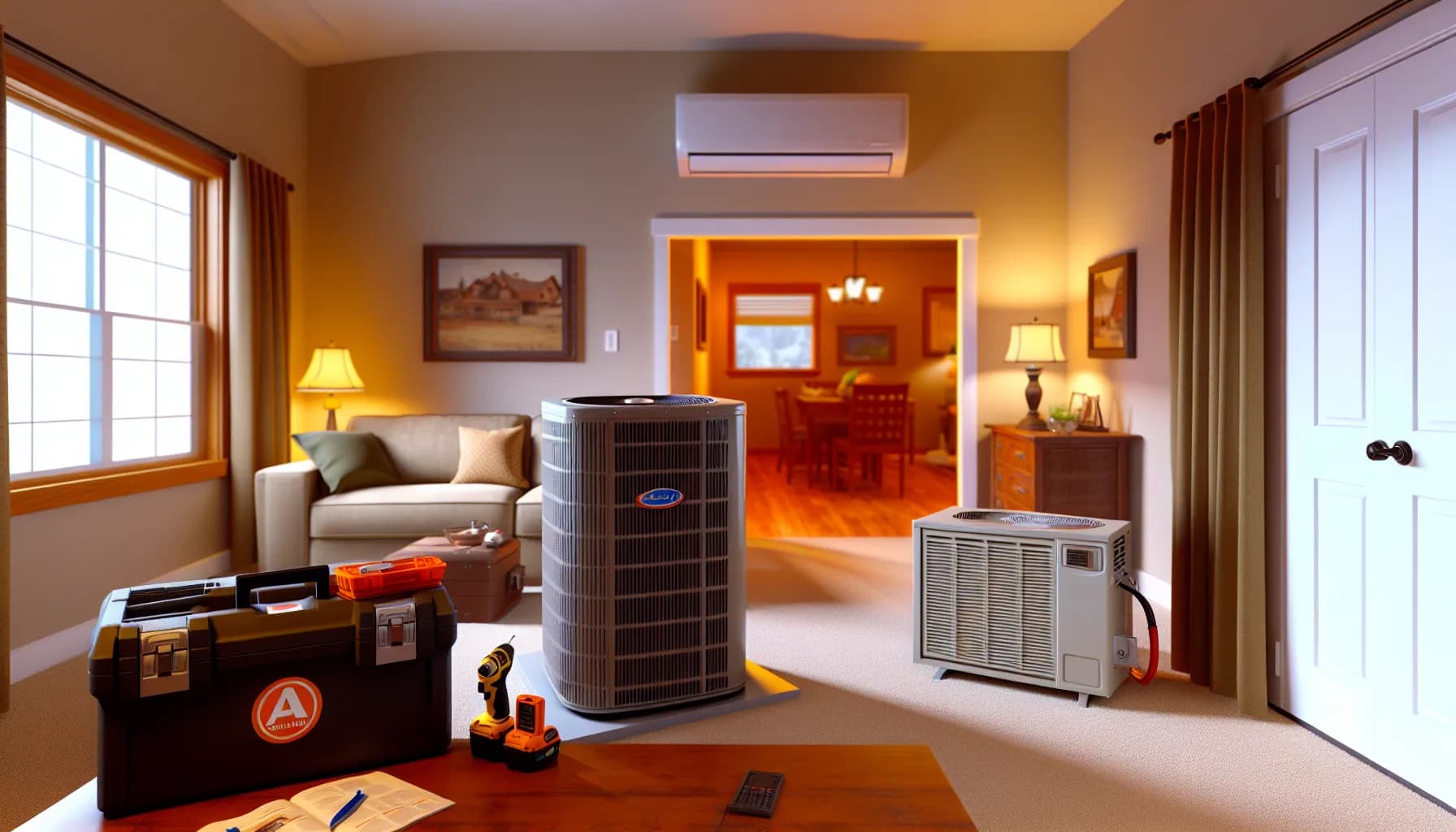
Ductless mini split systems use an outdoor compressor and one or more indoor air handlers to condition your home’s air. Unlike central air, these systems don’t rely on ductwork. Instead, each indoor unit is connected directly to the outdoor unit via refrigerant lines, allowing targeted heating or cooling for specific rooms or zones.
Main Components of a Mini Split System
- Outdoor Unit: The compressor and condenser, installed outside your home.
- Indoor Air Handlers: Wall-mounted or ceiling-mounted units that deliver conditioned air directly into the room.
- Refrigerant Lines: Flexible tubing that carries refrigerant between the outdoor and indoor units.
- Remote Controls: Allow you to adjust temperature and settings for each zone independently.
Benefits of Going Ductless
- Flexible Zoning: Set different temperatures for each room or area.
- Energy Efficiency: No duct losses, so energy isn’t wasted.
- Easy Installation: No need to add or modify ductwork, making mini splits ideal for older homes, additions, or garages.
- Dual Function: Many models provide both heating and cooling.
For example, a homeowner in an older Denver bungalow found a mini split system perfect for their home office addition, avoiding the hassle and expense of extending existing ductwork.
Central Air Conditioning Explained
How Central AC Systems Operate
Central air conditioning uses a single outdoor unit and a network of ducts to distribute cooled air throughout your home. The system pulls warm air from inside, cools it at the evaporator coil, and sends it through the ducts to every room. A central thermostat controls the temperature for the entire house.
Key Features and Requirements
- Ductwork: Essential for air distribution, existing ducts can save on installation costs, but adding new ducts can be expensive and invasive.
- Single-Zone Operation: Typically cools the entire home to the same temperature.
- Air Filtration: Central systems often include advanced filtration, improving indoor air quality.
Pros and Cons of Central Air in Colorado
- Pros: Seamless, even cooling throughout the home; quiet operation; can add value if your home already has ducts.
- Cons: Duct losses can reduce efficiency; costly to install in homes without existing ductwork; less flexibility in zoning.
A Littleton homeowner with existing ductwork chose central air to efficiently cool their two-story family home during hot summer months. However, an Englewood client with a historic home faced high installation costs due to the need for new ducts and opted for a ductless system instead.
Comparing Ductless Mini Splits and Central Air for Colorado Homes
Energy Efficiency and Performance
Ductless mini splits are often more energy efficient, especially in Colorado homes where only certain rooms need cooling or heating. Central air can be less efficient if ductwork is leaky or poorly insulated. Mini splits with inverter technology adjust output to match demand, reducing energy waste.
Installation and Maintenance Considerations
Mini splits are minimally invasive to install, typically requiring only a three-inch hole for the refrigerant line. Central air installation is more complex if ducts need to be added or upgraded. Maintenance for both systems includes regular filter changes and annual professional inspections, but cleaning ductwork adds extra cost for central air.
Cost Comparison: Upfront and Long-Term
- Mini Splits: Upfront costs vary by number of zones, but installation is usually less expensive in homes without ducts. Lower operating costs due to higher efficiency and zoning.
- Central Air: More cost-effective if ducts are already in place. Higher upfront costs in ductless homes. Potentially higher energy bills due to duct losses.
A Castle Rock family retrofitted their home with a ductless system for their finished basement, enjoying lower bills and independent control, while a Highlands Ranch resident with modern ductwork stuck with central air for its whole-home reach.
Factors to Consider When Choosing an AC System in Colorado
Climate and Seasonal Needs
Colorado’s climate sees wide temperature swings. Mini splits offer both heating and cooling, which is valuable for spring and fall shoulder seasons. Many models operate efficiently in temperatures as low as -13°F, making them suitable for most Front Range homes.
Home Layout and Existing Infrastructure
Homes with open layouts or existing ductwork are often good candidates for central air. Older or historic homes, additions, or rooms without ducts are ideal for mini splits. For example, a Parker homeowner added a mini split to their sunroom, avoiding the need to tie into their central ductwork.
Personal Comfort Preferences
If you prefer individualized comfort, like keeping bedrooms cooler than living areas, a ductless mini split offers unmatched zoning. Central air suits those who want one consistent temperature throughout the home.
Is a Ductless Mini Split Right for Your Colorado Home?
Ideal Scenarios for Mini Splits
- Homes without existing ductwork
- Room additions, finished basements, or bonus rooms
- Historic or older homes where ductwork installation is impractical
- Families seeking zoned comfort and energy savings
Potential Limitations and Challenges
- Initial equipment cost may be higher per zone
- Wall-mounted units are visible in living spaces (though discreet)
- Some larger homes may require multiple outdoor units for full coverage
Whether you choose a ductless mini split or central air, Alloy Heating and Cooling is here to guide you through every step, from consultation to installation and maintenance. Our experienced technicians serve homeowners and small businesses across the Denver metro area, ensuring comfort tailored to your unique needs.
Frequently Asked Questions
What is a ductless mini split system?
A ductless mini split is a type of air conditioning system that cools and heats your home without requiring ductwork. It consists of an outdoor compressor unit and one or more indoor air handlers connected by refrigerant lines.
Are ductless mini splits energy efficient for Colorado homes?
Yes, ductless mini splits are highly energy efficient, especially for homes in Colorado that require targeted heating and cooling. Their zoned operation and inverter technology help reduce energy waste.
How much does it cost to install a ductless mini split compared to central air?
The upfront cost of installing a ductless mini split can be comparable to or less than central air, especially if your home lacks existing ductwork. Central air installation may require costly ductwork additions, while mini splits are quicker and less invasive to install.
Can a ductless mini split heat and cool my entire house?
Yes, ductless mini splits can be designed to heat and cool multiple rooms or zones in your home. Multi-zone systems use several indoor units connected to a single outdoor unit for whole-home comfort.
Is a ductless mini split system suitable for Colorado’s climate?
Ductless mini splits work well in Colorado’s varied climate, offering both heating and cooling options. Many models are designed to operate efficiently even in colder winter temperatures.

Alloy HVAC Team
HVAC experts with years of experience in the industry. We share tips, insights, and the latest trends in heating, ventilation, and air conditioning to help you maintain optimal comfort in your home or business.