Is Your Air Conditioner Blowing Warm Air? Troubleshooting Tips for Colorado Homeowners
There is nothing more frustrating than coming home on a hot Colorado afternoon, turning on the AC, and feeling warm air blowing from the vents. If your aircon blows warm air, the problem could be as simple as a thermostat setting or as serious as a refrigerant leak or compressor issue. At Alloy Heating and Cooling, we help homeowners, small businesses, and commercial properties across Greenwood Village, Littleton, Aurora, Boulder, Denver, and nearby Front Range communities figure out what is wrong and get comfortable again fast.
This guide walks through the most common reasons an air conditioner blows warm air, what you can check yourself, and when it is time to call a licensed HVAC professional.
Common Reasons Your Air Conditioner Blows Warm Air
When an aircon blows warm air, there is usually a clear cause behind it. These are the issues we see most often in Colorado homes and businesses.
Incorrect Thermostat Settings
One of the easiest problems to miss is the thermostat. It may be set to heat instead of cool, or the fan may be set to on instead of auto. When the fan runs continuously, it can make it seem like the system is working even when the compressor is not cooling the air. We have seen plenty of calls from homeowners who thought the AC had failed, only to find the thermostat had been switched during the previous heating season.
Dirty or Clogged Air Filters
A dirty filter restricts airflow and can cause the system to overheat, struggle to cool properly, or even freeze up. Once airflow drops, the AC may start pushing out warm air instead of cool air. This is especially common in Colorado, where dust, pollen, wildfire smoke, and pet hair can load up filters faster than expected. Regular filter changes are one of the simplest ways to avoid cooling problems.
Refrigerant Leaks or Low Refrigerant Levels
Refrigerant is what allows your AC to absorb heat from inside your home and release it outdoors. If there is a leak or the system is low on refrigerant, cooling performance drops quickly. You may notice warm air from the vents, ice on the refrigerant line, or the system running longer than usual without lowering indoor temperatures. We have traced many warm-air calls to small line-set leaks, coil leaks, or aging connections.
Electrical or Power Issues
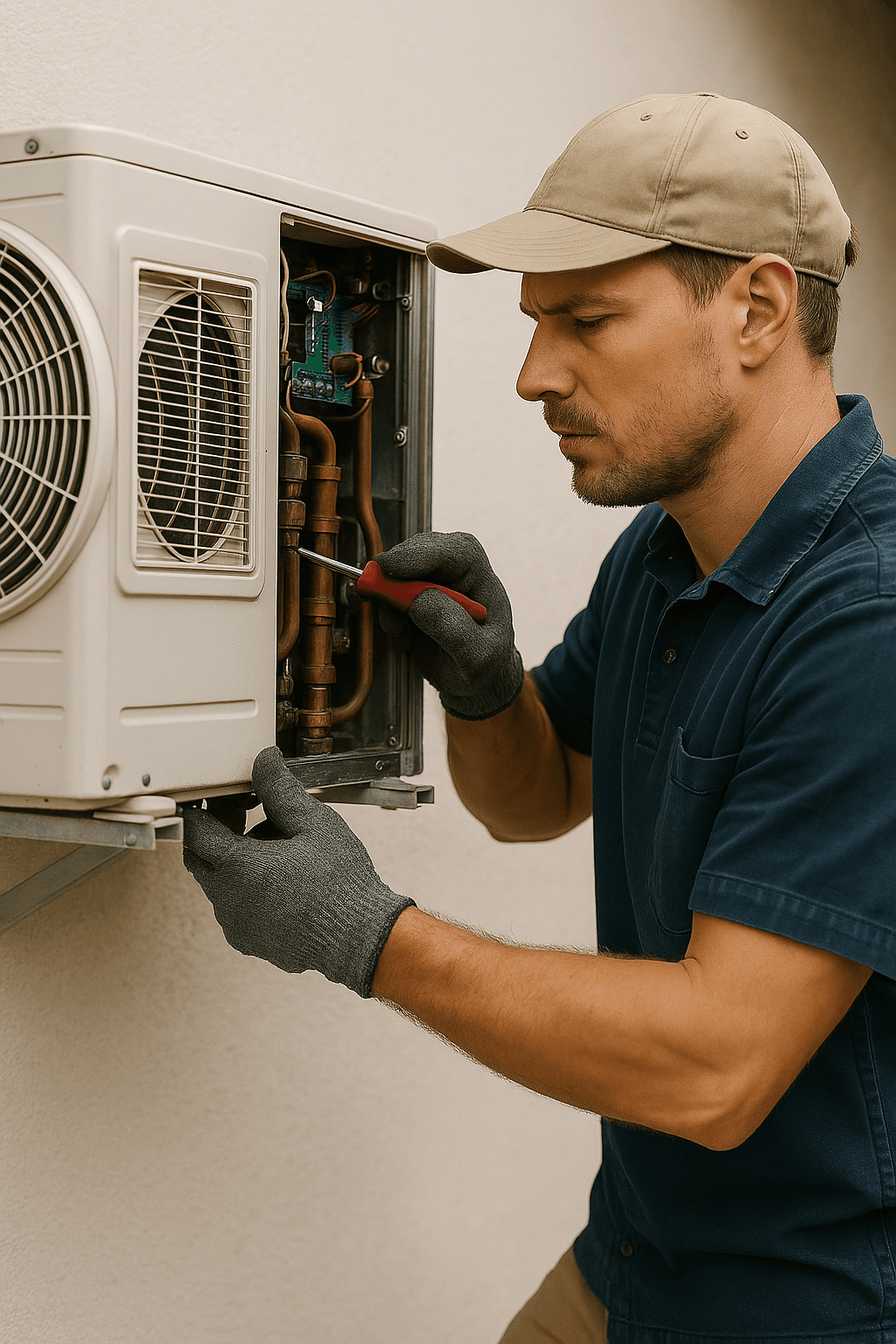
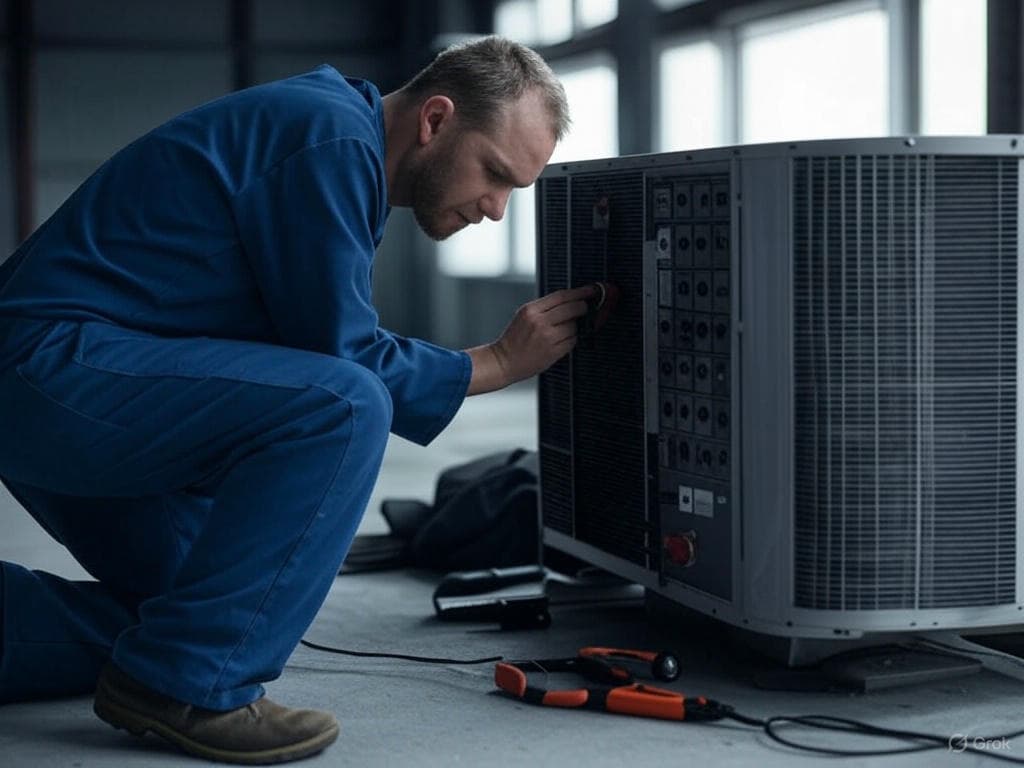
Air conditioners depend on both indoor and outdoor electrical components working correctly. A tripped breaker, loose wiring, failed contactor, or bad capacitor can stop the outdoor unit from running even though the indoor blower still operates. In older Denver homes and some light commercial buildings, electrical wear can lead to intermittent cooling or a system that starts and stops without ever producing cold air.
Problems with the Outdoor Unit
The outdoor condenser unit is responsible for releasing heat removed from your home or building. If the condenser is blocked by debris, the fan is failing, or the coils are dirty, the system cannot shed heat effectively. Cottonwood fluff, grass clippings, leaves, and dirt can all reduce performance. We have seen commercial units in Parker and residential systems along the Front Range lose cooling because the outdoor coil was packed with debris.
Compressor Problems
The compressor is one of the most important parts of the cooling system. If it fails or begins to weaken, your AC may run but never cool properly. Sometimes the indoor fan will keep moving air, which makes it feel like the AC is on, but the air will be warm because the compressor is not doing its job. Compressor issues usually require professional diagnosis and repair.
Step-by-Step Troubleshooting for Warm Air Issues
Before you call for service, there are a few safe checks you can do yourself. These steps can help you rule out simple issues and narrow down the cause of the problem.
Check and Adjust the Thermostat
- Make sure the thermostat is set to cool.
- Set the fan to auto instead of on so the fan does not circulate air when the compressor is off.
- Confirm the temperature setting is lower than the current indoor temperature.
- Replace thermostat batteries if your model uses them.
Simple example: We once helped a Highlands Ranch homeowner who thought their AC was failing. The thermostat was still set to heat from winter. After switching it to cool, the system worked normally.
Inspect and Replace Air Filters
- Find your return air filter and remove it.
- Hold it up to the light. If you cannot see light through it, replace it.
- Check filters every month during peak cooling season.
- Replace filters every 1 to 3 months, or more often if you have pets, allergies, or a dusty environment.
Real-world example: In a Littleton ranch home, a heavily clogged filter was the only thing keeping the AC from cooling properly. A filter change restored airflow and comfort quickly.
Examine Circuit Breakers and Power Supply
- Check the electrical panel for any tripped breakers related to the AC system.
- Make sure the outdoor disconnect switch is turned on.
- If the breaker trips again soon after resetting, stop there and call a professional.
Important note: Do not attempt electrical repairs unless you are qualified. Repeated breaker trips often point to a deeper issue such as a failing capacitor, motor problem, or wiring fault.
Look for Signs of Refrigerant Leaks
- Check for ice buildup on the indoor refrigerant line or outdoor unit.
- Listen for hissing sounds near the refrigerant line or coil.
- Notice whether the system runs continuously but never cools the space.
- If you suspect a leak, turn the system off and schedule service.
Colorado homeowners should know that refrigerant handling must be done by a licensed HVAC technician. It is not a safe or legal DIY repair.
Clear Debris Around the Outdoor Unit
- Keep at least 2 to 3 feet of open space around the condenser.
- Remove leaves, weeds, grass, cottonwood fluff, and other debris.
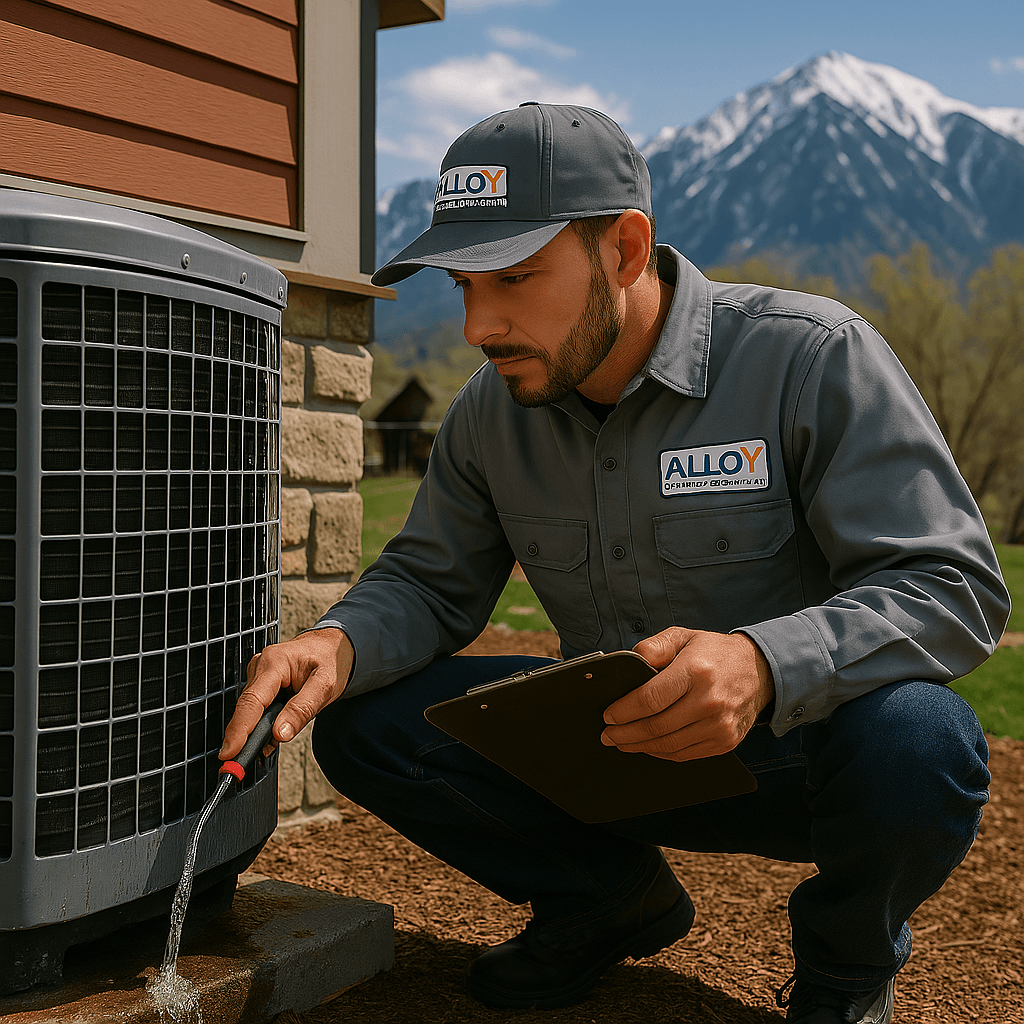
- With the power off, rinse the outdoor coil gently with a hose if it looks dirty.
In Ken Caryl, a homeowner saw a major improvement after clearing cottonwood buildup from the condenser. Outdoor airflow matters more than many people realize.
When to Call a Professional HVAC Technician
Some cooling problems are best handled by an experienced HVAC technician. Calling for help early can prevent a small issue from turning into a bigger repair, especially during Colorado heat waves when your system is working hard.
Signs You Need Professional AC Repair
- The AC still blows warm air after you have checked the thermostat, filter, and breaker.
- You see ice on the refrigerant lines or around the indoor coil.
- You hear hissing, buzzing, rattling, or grinding noises.
- The system short cycles, runs nonstop, or will not turn on.
- You smell burning, notice electrical issues, or see water pooling around the unit.
We recently helped a business in Wheat Ridge avoid a complete shutdown by finding a failing compressor before it took out the rest of the cooling system. That kind of early intervention can save time, money, and comfort.
Why Professional Air Conditioning Repair Matters
- Certified technicians can find the real cause, whether it is refrigerant loss, electrical failure, a bad fan motor, or compressor trouble.
- Proper repairs help the system run more efficiently, which can lower energy use.
- Expert service protects equipment life and helps preserve manufacturer warranty coverage.
At Alloy Heating and Cooling, we use professional diagnostics to pinpoint the problem quickly and carry many common parts on our trucks for faster repairs across the Front Range.
Preventing Future Warm Air Problems
The best way to avoid another situation where your aircon blows warm air is with routine maintenance and a few simple habits. This matters for Colorado homeowners, but it is just as important for small businesses and commercial properties that depend on steady comfort for customers and employees.
Regular AC Maintenance Tips
- Replace air filters every 1 to 3 months.
- Schedule an annual tune-up before peak cooling season.
- Keep the outdoor unit free of vegetation and debris.
- Have refrigerant levels, electrical connections, and operating performance checked during service.
In Evergreen, a family stayed ahead of summer breakdowns for years by keeping up with annual service and simple filter changes.
Seasonal HVAC Checklist for Colorado Property Owners
- Spring: Test the AC before the first heat wave and schedule service if airflow seems weak or the unit makes unusual noises.
- Summer: Check filters monthly, keep the condenser clear, and watch for performance changes during extreme heat.
- Fall: Replace filters and prepare the system for heating season.
- Winter: Protect outdoor equipment from ice, snow, and debris, then plan furnace maintenance.
Consistent maintenance supports lower utility bills, better comfort, and longer equipment life, which is valuable whether you manage a single-family home, office, retail space, or other commercial property.
Serving Homeowners, Small Businesses, and Commercial Properties in Colorado
AC problems do not just affect homes. A warm-air issue in a storefront, office, restaurant, or warehouse can impact employees, customers, equipment, and productivity. That is why Alloy Heating and Cooling offers solutions for residential and light commercial systems across communities like Greenwood Village, Highlands Ranch, Denver, Boulder, Aurora, Littleton, and surrounding areas.
If your air conditioner is blowing warm air, our team can help you determine whether the issue is simple maintenance, a part failure, or a larger system concern. We work to restore comfort quickly and keep your system operating as efficiently as possible.
Frequently Asked Questions
Why does my air conditioner blow warm air instead of cold?
An air conditioner may blow warm air because of incorrect thermostat settings, a dirty filter, low refrigerant, electrical problems, blocked airflow, or a failed outdoor component such as the compressor or fan.
Can I fix an aircon blowing warm air on my own?
You can often handle simple fixes like checking the thermostat, replacing the air filter, or clearing debris around the outdoor unit. Refrigerant problems, compressor issues, and electrical faults should be handled by a licensed HVAC technician.
How often should I replace my AC filter in Colorado?
Most homes should replace AC filters every 1 to 3 months. If you have pets, allergies, ongoing dust, or heavy system use, you may need to replace them more often.
Is it normal for my AC to blow warm air on very hot Colorado days?
Your AC may work harder during extreme heat, but it should still cool your home or building. If it blows warm air, there is likely a mechanical or airflow issue that needs attention.
When should I call an HVAC technician for warm air from my vents?
Call a professional if basic troubleshooting does not solve the issue, if you see ice or suspect a refrigerant leak, if the breaker keeps tripping, or if you hear unusual noises or smell burning.
Can warm air from vents mean my compressor is failing?
Yes. If the indoor blower runs but the outdoor unit is not cooling properly, a weak or failed compressor could be the cause. A technician can test the system and confirm the problem.
If your aircon blows warm air and you need dependable service in Greenwood Village, Highlands Ranch, Denver, Boulder, Aurora, Littleton, or nearby Colorado communities, contact Alloy Heating and Cooling for professional AC repair and maintenance.
Frequently Asked Questions
Why does my air conditioner blow warm air instead of cold?
An air conditioner may blow warm air because of incorrect thermostat settings, a dirty filter, low refrigerant, electrical problems, blocked airflow, or a failed outdoor component such as the compressor or fan.
Can I fix an aircon blowing warm air on my own?
You can often handle simple fixes like checking the thermostat, replacing the air filter, or clearing debris around the outdoor unit. Refrigerant problems, compressor issues, and electrical faults should be handled by a licensed HVAC technician.
How often should I replace my AC filter in Colorado?
Most homes should replace AC filters every 1 to 3 months. If you have pets, allergies, ongoing dust, or heavy system use, you may need to replace them more often.
Is it normal for my AC to blow warm air on very hot Colorado days?
Your AC may work harder during extreme heat, but it should still cool your home or building. If it blows warm air, there is likely a mechanical or airflow issue that needs attention.
When should I call an HVAC technician for warm air from my vents?
Call a professional if basic troubleshooting does not solve the issue, if you see ice or suspect a refrigerant leak, if the breaker keeps tripping, or if you hear unusual noises or smell burning.
Can warm air from vents mean my compressor is failing?
Yes. If the indoor blower runs but the outdoor unit is not cooling properly, a weak or failed compressor could be the cause. A technician can test the system and confirm the problem.

Alloy HVAC Team
HVAC experts with years of experience in the industry. We share tips, insights, and the latest trends in heating, ventilation, and air conditioning to help you maintain optimal comfort in your home or business.