9 Smart Ways to Reduce Your Heating and Cooling Bills
9 Smart Ways to Reduce Your Heating and Cooling Bills
Keeping your home comfortable year-round does not have to come with sky-high energy costs. If your heating and cooling bills seem to be climbing every month, it might be time to take action. Whether you live in a new build or a decades-old home, there are practical, cost-effective ways to reduce your HVAC expenses.
Here are nine smart tips to help you save energy and money.
1. Seal Leaks and Drafts
Air leaks around windows, doors, and ductwork let your conditioned air escape. Use weather stripping, caulk, or insulation to seal gaps and prevent energy loss. This small investment can significantly lower your heating and cooling costs.
2. Adjust Your Thermostat Wisely
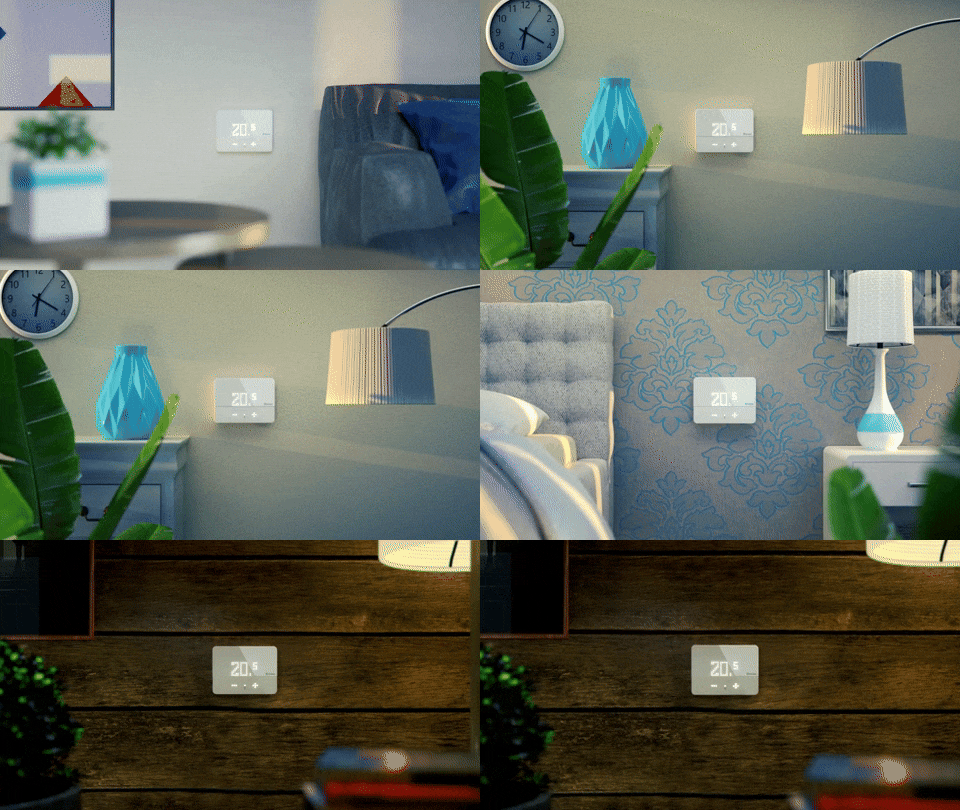
A programmable thermostat can reduce energy use by automatically lowering the temperature when you are asleep or away. In winter, lowering your thermostat by just 1°C can cut your heating bill by up to 10%.
3. Service Your HVAC System Regularly
Just like a car, your heating and cooling system needs regular maintenance. A professional inspection once or twice a year ensures it is running efficiently and can catch problems before they become costly repairs.
4. Change Your Filters Monthly
Dirty air filters reduce airflow, making your system work harder. Replacing or cleaning filters monthly during high-use seasons helps maintain efficiency and prolongs your system’s lifespan.
5. Insulate Your Home Properly
Poor insulation in your roof, walls, and floors lets heat escape in winter and enter in summer. Improving your home’s insulation keeps the temperature stable and reduces the workload on your HVAC system.
6. Use Ceiling Fans
In summer, ceiling fans create a wind-chill effect, allowing you to raise your thermostat by a few degrees. In winter, reversing the fan direction helps circulate warm air that rises to the ceiling.
7. Upgrade to Energy-Efficient Equipment
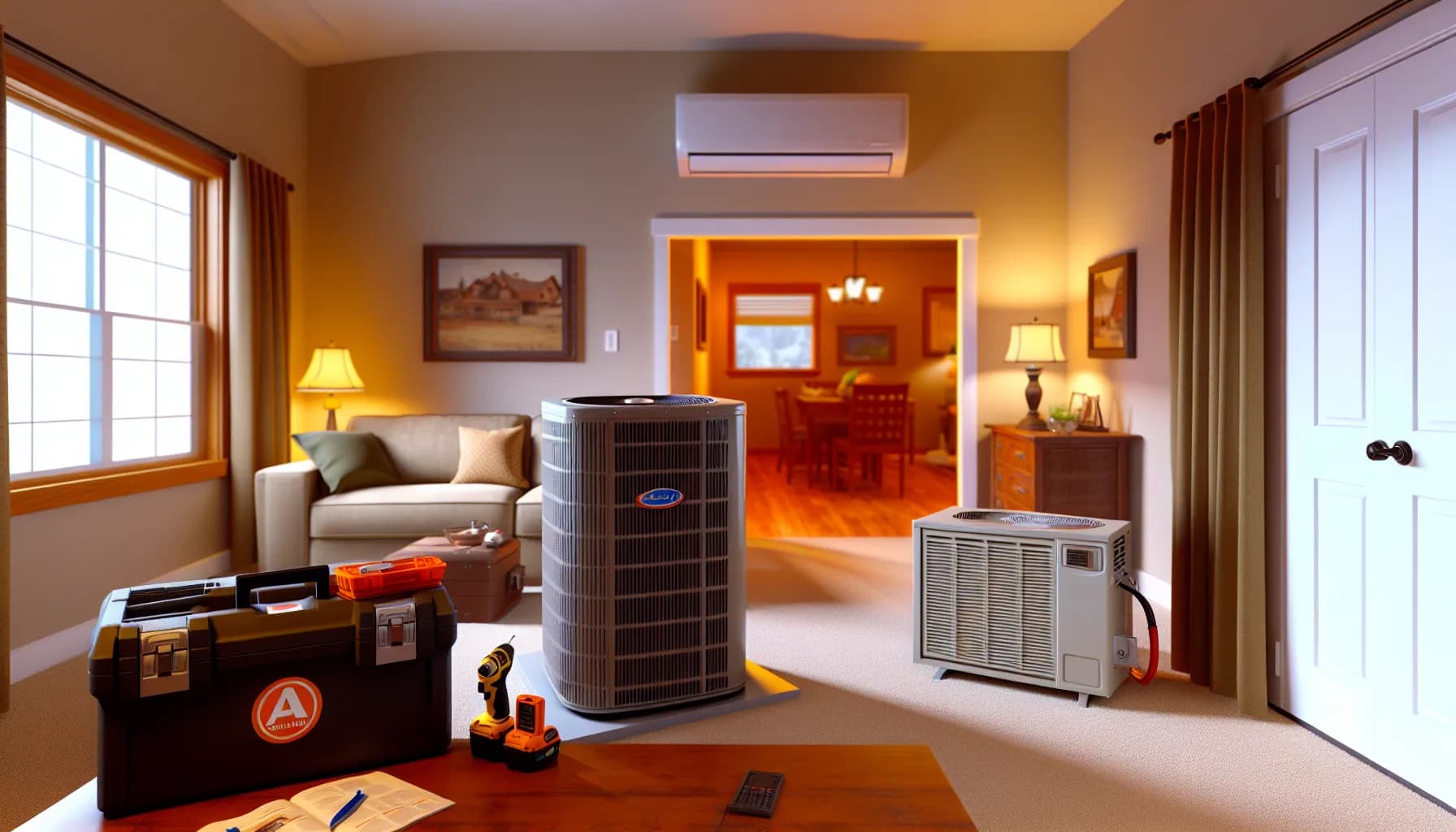
Older systems are far less efficient than newer models. Upgrading to an Energy Star-rated HVAC unit, especially one from a reliable brand like American Standard, can cut your energy bills and offer better indoor comfort.
8. Close Blinds and Curtains
Window coverings act as insulation. Keep curtains open on sunny winter days to warm your home naturally. In summer, close blinds to block out the sun and reduce cooling costs.
9. Use Zoning Systems
If you have unused rooms, consider a zoning system that lets you control temperatures in different areas of your home independently. This way, you are not heating or cooling areas that are not in use.
FAQs
Does turning my system off when I am not home save money?
Is it worth upgrading to a smart thermostat?
How can I tell if my home is poorly insulated?
How much can I save with regular HVAC maintenance?

Alloy HVAC Team
HVAC experts with years of experience in the industry. We share tips, insights, and the latest trends in heating, ventilation, and air conditioning to help you maintain optimal comfort in your home or business.