Does Turning Your Heat or AC On and Off Frequently Raise Your Energy Bill?
Does Turning Your Heat or AC On and Off Frequently Raise Your Energy Bill?
Managing your home’s comfort in Colorado’s changing climate often means adjusting your heating or cooling throughout the day. But does frequently turning your heat or air conditioner on and off actually save money, or could it be costing you more on your energy bill? At Alloy Heating and Cooling, we help homeowners and businesses in Greenwood Village, Englewood, Littleton, and surrounding areas make smart choices for comfort and cost savings. Here’s what you need to know.
Understanding How Heating and Cooling Systems Use Energy
How Furnaces and Air Conditioners Work
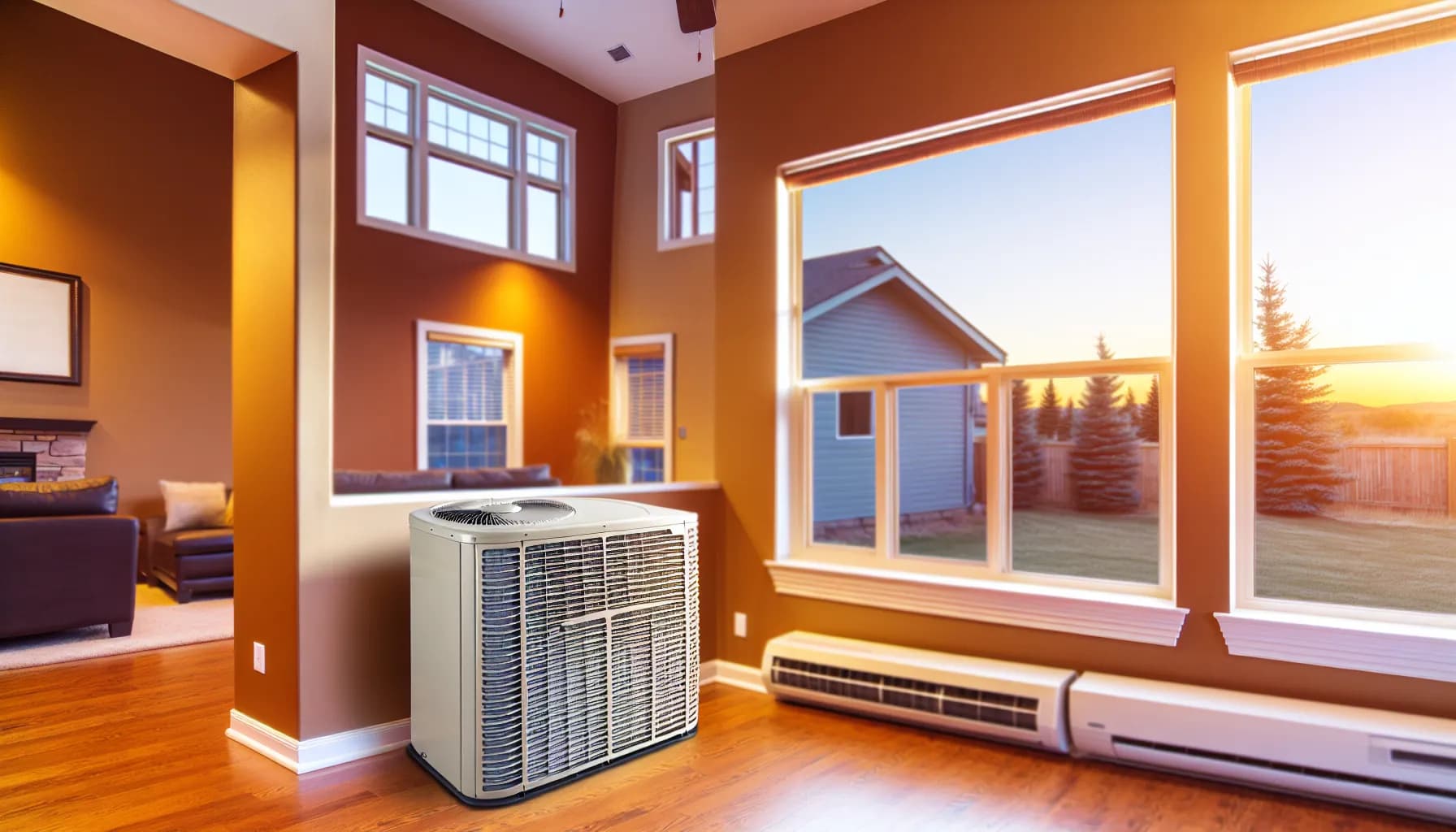
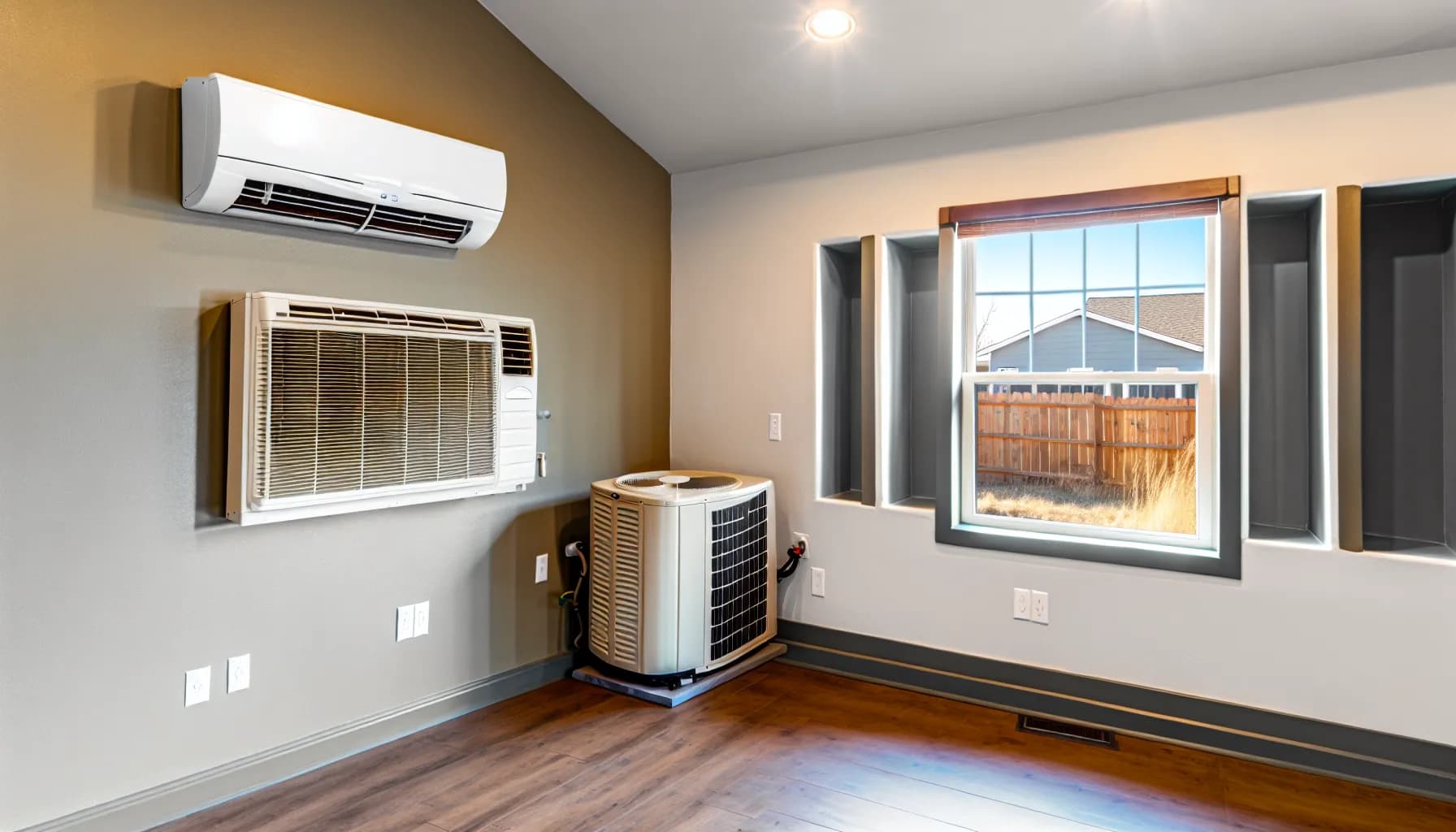
Both furnaces and air conditioners are designed to maintain a set indoor temperature. Furnaces heat air using natural gas, electricity, or propane and then circulate it through your home using a blower fan. Air conditioners work by pulling warm air from inside your house, cooling it through a refrigeration cycle, and returning it indoors. Both systems cycle on and off as needed to keep your space at the temperature you set on your thermostat.
For example, a homeowner in Highlands Ranch might set their furnace to 68°F. When the temperature drops below this, the furnace starts up, heats the home, and then shuts off once the set point is reached. The same basic principle applies to cooling in the summer.
Energy Consumption During Start-up vs. Continuous Operation
Both heating and cooling systems use the most energy during start-up. When your furnace or AC first turns on, it works at full capacity to quickly reach the target temperature. This process draws a surge of electricity or fuel. Once the system reaches the desired temperature, it cycles off and then runs periodically to maintain comfort, using less energy with each subsequent cycle.
Think of it like driving a car: accelerating from a stop uses more gas than maintaining a steady speed on the highway. Similarly, repeatedly turning your HVAC system on and off makes it “accelerate” more often, potentially using more energy overall.
Does Turning Heat or AC On and Off Cost More?
The Impact of Frequent Cycling on Energy Usage
Frequent cycling, or turning your HVAC system on and off repeatedly throughout the day, can actually raise your energy bill. Every time your system starts, it uses extra energy to overcome inertia and quickly reach the set temperature. If you turn your heat off and let your home get cold, the system has to work harder and run longer to bring it back up to temperature. The same applies to air conditioning in the summer.
For instance, a family in Centennial who frequently turns off their heat when leaving for errands and then cranks it up when they return might see higher energy usage compared to maintaining a moderate setback temperature. The system’s effort to “catch up” can outweigh any savings from being off for short periods.
Comparisons: Leaving Systems On vs. Turning Them Off
So, is it better to leave your heat or AC running all day, or to turn it off when you leave? The answer depends on how long you’ll be away. If you are gone for several hours, setting your thermostat to a lower (in winter) or higher (in summer) temperature can reduce energy use. But if you are only leaving for a short time, turning your system completely off may not save much and could cost more when you return and try to quickly restore comfort.
Small businesses in Boulder, for example, benefit from programmable thermostats that set back temperatures during closed hours but keep the building from getting too cold or hot, minimizing the energy needed to return to a comfortable setting in the morning.
Best Practices for Efficient Home Heating and Cooling
Using Programmable Thermostats
One of the best ways to balance comfort and efficiency is to use a programmable thermostat. These devices automatically adjust your home’s temperature based on your schedule. For example, you can set your heat to lower when you’re at work and warm up before you return. In summer, you can allow the temperature to rise when you’re gone and cool down before you get home.
Thermostats with Wi-Fi connectivity make it even easier to manage comfort and energy use, whether you’re in Lakewood or Monument. Some models even “learn” your habits for optimal efficiency.
Maintaining Consistent Temperatures
Keeping your home at a relatively consistent temperature helps your HVAC system run more efficiently. Large temperature swings force your system to work harder when heating or cooling, which increases wear and energy consumption.
For example, in Aurora, where winters can be severe, setting your thermostat to 68°F while home and lowering it to 62°F when sleeping or away can help maintain comfort and save on your bill. Avoid dropping the temperature too low or raising it too high, as this can negate any savings.
Tips for Reducing Your Energy Bill
- Seal air leaks: Weatherstrip doors and windows to keep conditioned air inside.
- Change filters: Replace furnace and air conditioner filters regularly for optimal airflow.
- Schedule maintenance: Annual professional tune-ups keep your system running efficiently.
- Use ceiling fans: Improve circulation so you can set your thermostat a few degrees higher (in summer) or lower (in winter) without sacrificing comfort.
- Block sunlight: Close blinds or curtains during hot afternoons to reduce cooling loads.
Common Myths About Heating and Cooling Costs
Myth: It’s Cheaper to Leave the Heat On All Day
Many homeowners believe that keeping the heat running at the same temperature all day is cheaper than turning it down when they’re away. In reality, lowering your thermostat when you’re not home reduces the amount of energy your furnace uses. The key is to avoid extreme setbacks, which can make your system work too hard when you return.
Myth: Turning Off the AC Wastes Energy
Some think that turning off the air conditioner when leaving wastes energy because it has to “work harder” to cool the house back down. However, if you’re gone for several hours or more, turning off or setting back your AC saves energy. The system will use less power overall, even if it runs more intensely for a short time when you return.
Imagine a business in Thornton closing for the weekend. Keeping the AC running at full blast while no one is there just wastes energy. Instead, set the thermostat to a warmer setting and cool it down before reopening.
Conclusion
In summary, frequently turning your heat or AC on and off can lead to higher energy bills due to increased energy usage during start-up and added system wear. The most cost-effective approach is to use a programmable thermostat, maintain moderate setbacks, and avoid frequent manual adjustments. For personalized advice or to schedule HVAC maintenance, contact Alloy Heating and Cooling. We proudly serve Greenwood Village, Englewood, Littleton, Lone Tree, Highlands Ranch, Parker, and the surrounding Colorado communities.
Frequently Asked Questions
Does turning heat on and off cost more than leaving it on?
Frequently turning your heat on and off can make your system work harder to reach the desired temperature, which may increase energy use compared to maintaining a steady temperature.
Is it better to leave my AC running or turn it off when I leave?
Turning off your AC when you leave for extended periods generally saves energy, but frequent cycling in short intervals can lead to inefficiency.
How can I reduce my energy bill when using heat or AC?
Use a programmable thermostat, set temperatures wisely, and avoid frequent manual adjustments to optimize energy use.
Does frequent cycling damage my HVAC system?
Yes, frequent cycling can cause wear and tear on your HVAC system, leading to higher maintenance costs and potentially reducing its lifespan.
What temperature should I set my thermostat to save money?
In winter, set your thermostat to 68°F when you’re home and lower when away. In summer, set it to 78°F when home and higher when away for optimal savings.

Alloy HVAC Team
HVAC experts with years of experience in the industry. We share tips, insights, and the latest trends in heating, ventilation, and air conditioning to help you maintain optimal comfort in your home or business.