Window Air Conditioner vs Through-the-Wall: Which Is Best for Colorado Homes?
Window Air Conditioner vs Through-the-Wall: Which Is Best for Colorado Homes?
Choosing between a window air conditioner vs through wall unit comes down to your space, budget, and how permanent you want the cooling solution to be. In Colorado, where summer heat can hit hard during the day and temperatures can still drop at night, the right unit can make a noticeable difference in comfort and energy costs.
At Alloy Heating and Cooling, we help homeowners, small businesses, and commercial property managers compare cooling options based on real-world use, not just specs on a box. Here’s a clear breakdown of how window units and through-the-wall air conditioners compare for Colorado properties.
Understanding Window and Through-the-Wall Air Conditioners
What Is a Window Air Conditioner?
A window air conditioner is a self-contained cooling unit that fits into a standard window opening. It pulls warm air from the room, cools it with refrigeration coils, and sends the cooled air back inside while pushing heat outdoors. These units are popular across Colorado because they are affordable, relatively easy to install, and a good fit for renters, seasonal use, and smaller rooms.
What Is a Through-the-Wall Air Conditioner?
A through-the-wall air conditioner works much like a window unit, but it is installed directly into an exterior wall opening instead of a window. It uses a sleeve for support and a tighter built-in seal. That makes it a strong option for homeowners and businesses that want a more permanent cooling setup without giving up window space or natural light.
Key Differences Between Window and Through-the-Wall AC Units
- Installation location: Window AC units sit in a window opening. Through-the-wall units go into a dedicated wall opening.
- Sealing: Through-the-wall models usually provide a tighter seal and less air leakage.
- Installation complexity: Window units are often DIY-friendly. Through-the-wall units usually require professional installation.
- Use case: Window ACs are often seasonal or temporary. Through-the-wall units are generally a long-term solution.
Performance Comparison: Window AC vs Through-the-Wall in Colorado
Energy Efficiency and Cooling Power
Colorado’s climate brings hot afternoons, strong sun, dry air, and big temperature swings. Because of that, installation quality matters almost as much as the unit itself. Through-the-wall air conditioners often perform better when it comes to sealing and reducing air leaks, which can improve efficiency and comfort.
For example, a homeowner in Parker may notice fewer hot spots and less wasted cooling after upgrading from a window unit to a through-the-wall model, especially if the old window unit had gaps around the edges. On the other hand, a properly sized ENERGY STAR window AC can still work well for a bedroom, office, or guest room.
Suitability for Colorado’s Climate
Colorado homes face unique cooling challenges, including high altitude, strong sun exposure, and dry conditions. Through-the-wall units tend to handle these conditions well because they are installed more securely and can reduce outside air intrusion.
Window units can still be a practical choice in apartments, rentals, or rooms where wall installation is not possible. For example, in Northglenn or Aurora apartments, a window AC may be the most realistic solution. In a single-family home in Castle Rock or Golden, a through-the-wall unit may offer better long-term comfort and a cleaner look.
Noise Levels and Everyday Comfort
Both types of units make some noise because the compressor and fan are built into the indoor section. That said, through-the-wall air conditioners often feel quieter in the room because they tend to mount more securely and seal better against vibration and outside noise.
We have seen this matter in small offices and retail spaces across Denver, where a quieter cooling system helps employees stay focused and customers stay comfortable. A well-installed through-the-wall unit can reduce rattling, drafts, and the feeling that the AC is constantly working too hard.
Installation, Maintenance, and Cost Considerations
Installation Requirements for Each Type
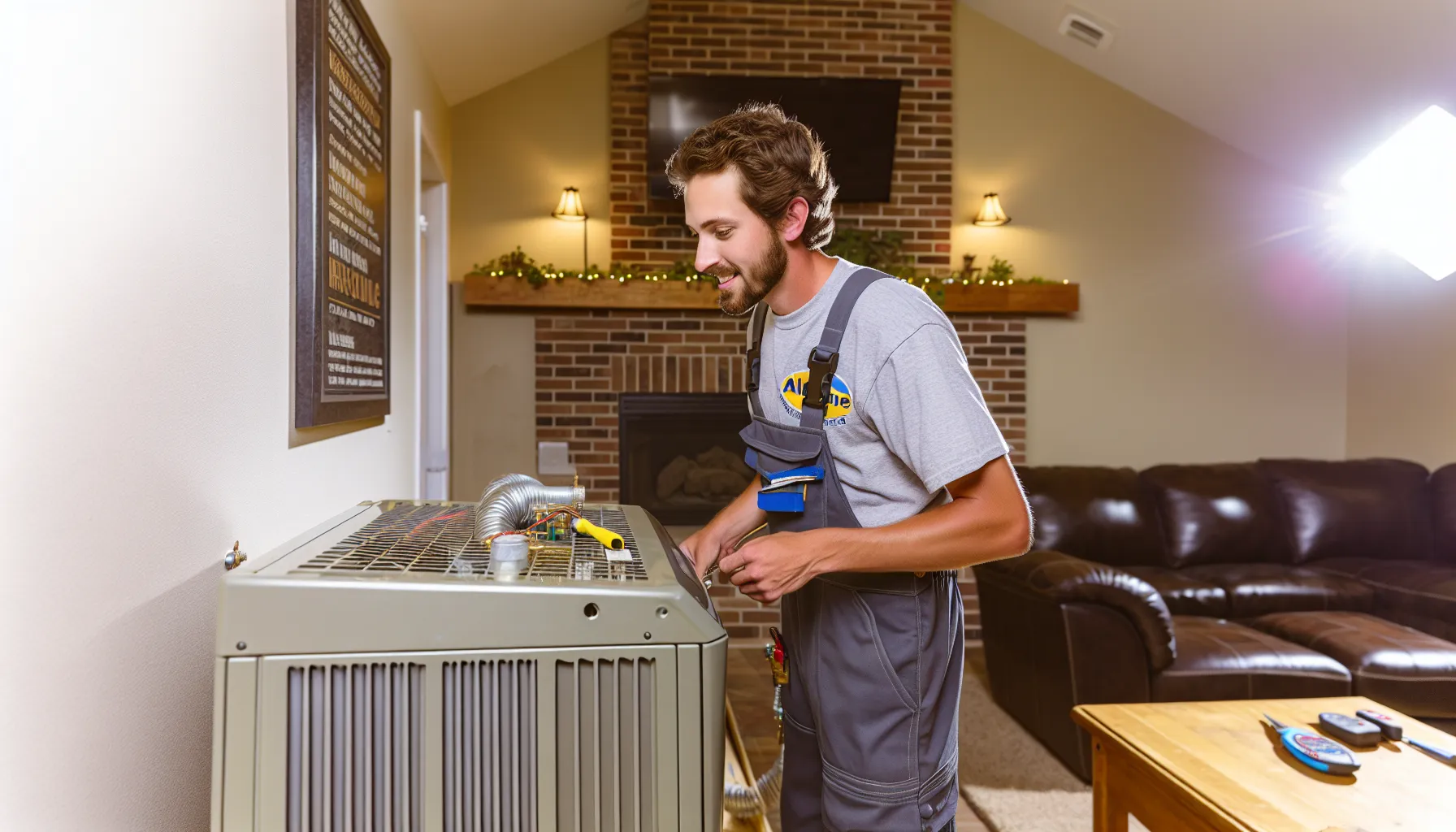
Window air conditioners are usually the simpler option. Many homeowners can install one in less than an hour if the window is the right size and the unit is properly supported. They are a common choice for renters, temporary cooling, and situations where you do not want to alter the structure of the home.
Through-the-wall air conditioners require a properly sized wall opening and a sleeve. In many Colorado homes, especially older properties with brick, stucco, or other exterior finishes, professional installation is the best way to ensure the wall is cut correctly and sealed well. While the installation takes more planning, the finished result is permanent, neat, and does not block a window.
Maintenance Needs and Long-Term Care
Both unit types need regular care, including filter cleaning, coil inspection, and occasional service. The difference is that through-the-wall units are less exposed to weather when installed correctly, which can help reduce drafts, moisture issues, and pest intrusion.
Window units often need to be removed and stored during Colorado’s colder months, especially if the room is not used year-round. That means a little more seasonal maintenance and a greater chance of wear from repeated removal and reinstallation. Through-the-wall systems are better suited for homes or businesses that want a more permanent setup.
Initial Investment and Operating Costs
Window AC units typically cost less upfront and are easier to replace. Through-the-wall units usually cost more because of the unit itself, the sleeve, and installation labor. However, the added cost can pay off over time if the system runs more efficiently, lasts longer, or reduces service calls.
For example, a family in Centennial may choose a through-the-wall unit for a main living area and find that the tighter seal helps lower monthly utility bills compared with an older window AC that struggled to keep up.
Pros and Cons: Window Air Conditioner vs Through-the-Wall
Advantages and Disadvantages of Window AC Units
- Lower upfront cost
- Quick installation and easy replacement
- Good for renters and seasonal use
- Can block natural light and limit window access
- May allow drafts if the fit is not sealed well
Advantages and Disadvantages of Through-the-Wall AC Units
- Permanent, cleaner-looking installation
- Better insulation and sealing when installed correctly
- Does not take up window space
- Often a better fit for long-term use
- Higher installation cost and more wall modification
How to Choose the Right Air Conditioner for Your Colorado Property
Assessing Your Space and Cooling Needs
Start with the room size, wall construction, and how often the area needs cooling. A home with suitable exterior wall space may be a strong candidate for a through-the-wall installation. A rental, guest room, or temporary office may be better served by a window AC.
For businesses, the decision often depends on how visible the unit will be, how much noise matters, and whether you need a permanent solution. In a small retail space or office, a through-the-wall unit can look more professional and stay out of the way.
Colorado Climate Considerations
Because Colorado has dry air, strong sun, and frequent temperature swings, good insulation matters. A unit that is poorly sealed can waste energy quickly, especially during hot afternoons. Through-the-wall units usually have an edge here, but a quality window unit can still be effective if it is the right size and installed with care.
Best Fit by Property Type
- Single-family homes: Through-the-wall units often provide better long-term value and a more polished finish.
- Apartments and rentals: Window units are usually the easiest and most flexible option.
- Small businesses: Through-the-wall units are often a better fit for consistent comfort and a cleaner appearance.
- Commercial spaces: Through-the-wall systems can support dependable cooling in offices, shops, and light-use commercial areas.
If you are weighing a window air conditioner vs through wall option for your Colorado property, Alloy Heating and Cooling can help you compare installation needs, efficiency, and long-term value. We work with homeowners and businesses across the Front Range, including Aurora, Boulder, Denver, Lakewood, and surrounding communities. Contact us for expert advice tailored to your space.
Frequently Asked Questions
Which is more energy efficient: a window air conditioner or a through-the-wall unit?
Through-the-wall air conditioners are often more energy efficient because they usually seal more tightly and reduce air leakage. That said, a modern ENERGY STAR window AC can also be efficient if it is sized correctly and installed well.
Is it easier to install a window air conditioner or a through-the-wall air conditioner?
Window air conditioners are generally easier to install because they do not require wall modification. Through-the-wall units need a proper wall opening and sleeve, so professional installation is often recommended.
Are through-the-wall air conditioners better for Colorado weather?
They can be. Colorado’s temperature swings and dry climate make a tight seal important. Through-the-wall units often perform well because they are more permanently installed and less likely to leak air.
Can I replace a window AC with a through-the-wall unit?
Yes, but it is not a direct swap. A through-the-wall unit needs a properly sized wall opening and may require structural changes. A licensed HVAC professional can help determine whether the wall is suitable.
Do window AC units block more natural light than through-the-wall units?
Yes. Window AC units take up window space, which can reduce natural light and visibility. Through-the-wall units leave your windows open for daylight and views.
Which option is better for small businesses or commercial spaces?
Through-the-wall units are often the better choice for small businesses and light commercial spaces because they look cleaner, stay out of the way, and can provide more consistent cooling when installed correctly.
Frequently Asked Questions
Which is more energy efficient: a window air conditioner or a through-the-wall unit?
Through-the-wall air conditioners are often more energy efficient because they usually seal more tightly and reduce air leakage. That said, a modern ENERGY STAR window AC can also be efficient if it is sized correctly and installed well.
Is it easier to install a window air conditioner or a through-the-wall air conditioner?
Window air conditioners are generally easier to install because they do not require wall modification. Through-the-wall units need a proper wall opening and sleeve, so professional installation is often recommended.
Are through-the-wall air conditioners better for Colorado weather?
They can be. Colorado’s temperature swings and dry climate make a tight seal important. Through-the-wall units often perform well because they are more permanently installed and less likely to leak air.
Can I replace a window AC with a through-the-wall unit?
Yes, but it is not a direct swap. A through-the-wall unit needs a properly sized wall opening and may require structural changes. A licensed HVAC professional can help determine whether the wall is suitable.
Do window AC units block more natural light than through-the-wall units?
Yes. Window AC units take up window space, which can reduce natural light and visibility. Through-the-wall units leave your windows open for daylight and views.
Which option is better for small businesses or commercial spaces?
Through-the-wall units are often the better choice for small businesses and light commercial spaces because they look cleaner, stay out of the way, and can provide more consistent cooling when installed correctly.

Alloy HVAC Team
HVAC experts with years of experience in the industry. We share tips, insights, and the latest trends in heating, ventilation, and air conditioning to help you maintain optimal comfort in your home or business.