Comparing Window vs. Wall Air Conditioners: Which Is Best for Colorado Residences?
Comparing Window vs. Wall Air Conditioners: Which Is Best for Colorado Residences?
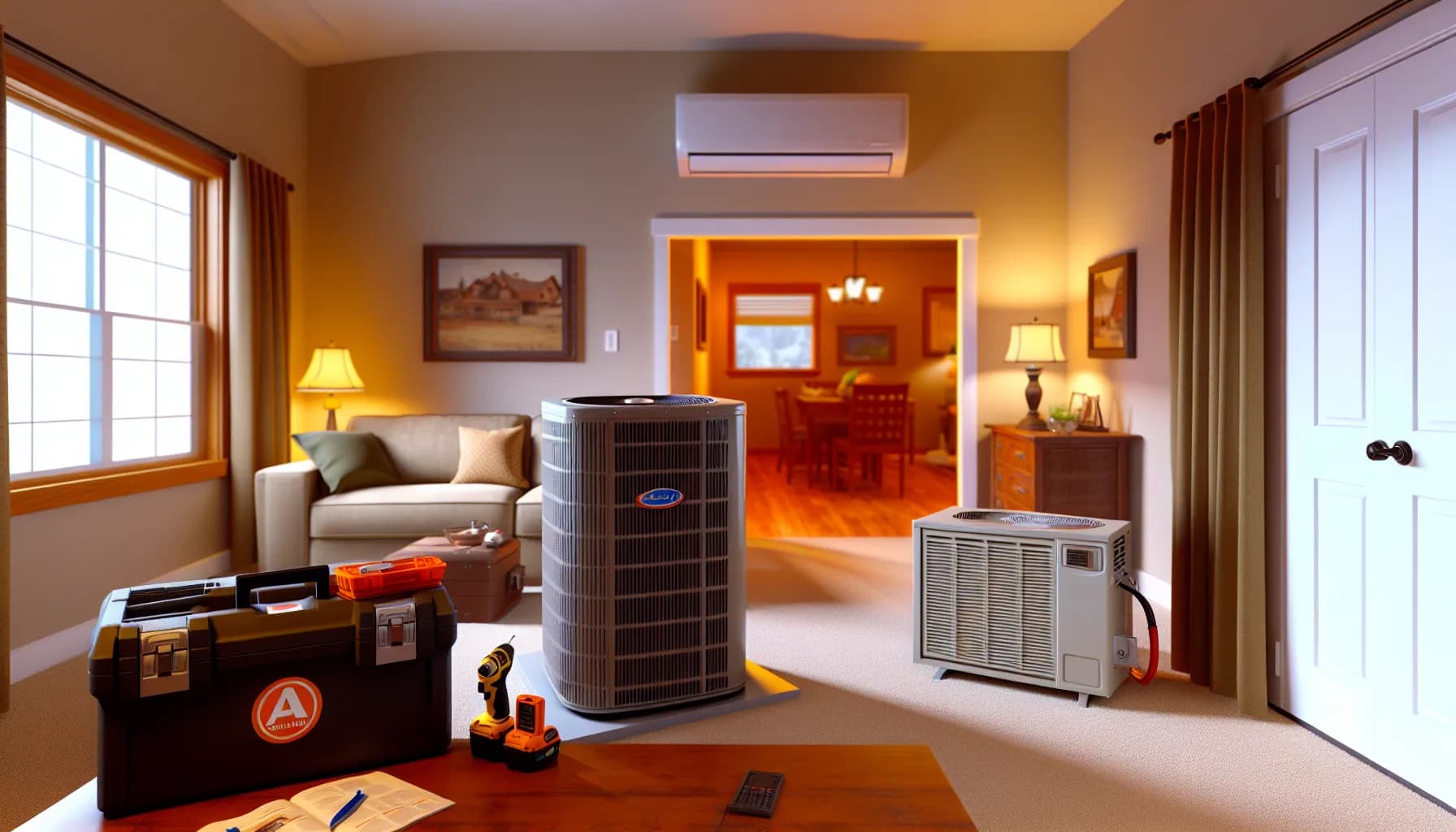
Colorado homeowners face unique challenges when it comes to cooling their homes. With high altitude, unpredictable weather, and a mix of historic and modern residences, choosing the right air conditioner is essential. Two of the most popular cooling options are window air conditioners and wall air conditioners. So, which one is best for Colorado residences? Let’s break down the differences, performance factors, costs, and real-life scenarios to help you make the right decision.
Overview: Wall Air Conditioner vs Window Air Conditioner
What Is a Window Air Conditioner?
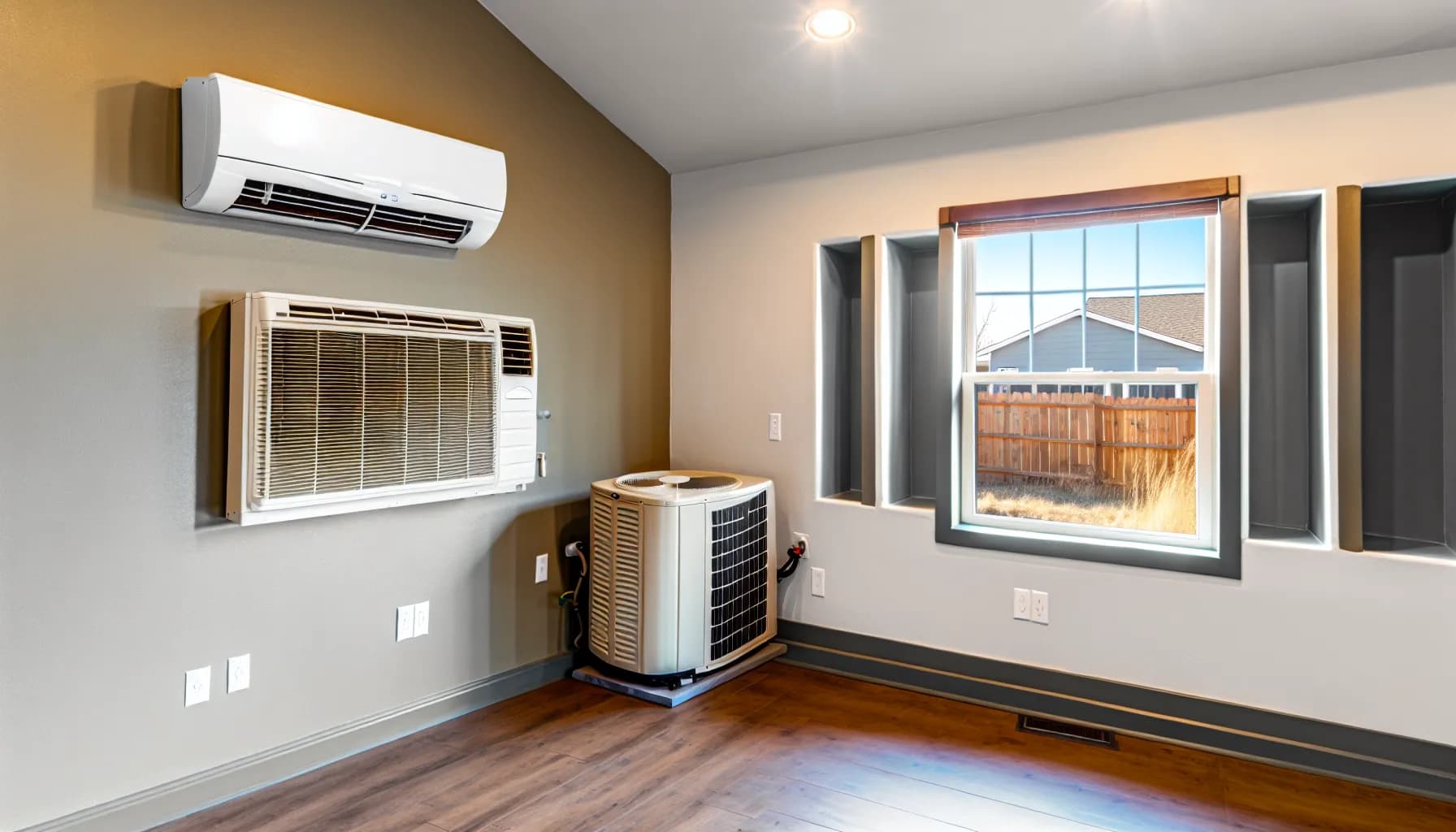
Window air conditioners are compact, self-contained cooling units designed to fit inside a window frame. They draw in warm air from the room, cool it using a refrigerant system, and expel the hot air outside. These units are popular in Colorado cities like Denver and Aurora, especially in older homes or apartments without central air. Installation is usually quick and does not require permanent changes to the structure.
What Is a Wall Air Conditioner?
Wall air conditioners, also called through-the-wall units, are installed directly into an exterior wall. Unlike window units, they require a custom-sized hole in the wall and are typically mounted with a sleeve for stability and insulation. Wall A/Cs are commonly used in homes or commercial spaces where window access is limited or a permanent solution is desired, such as in Centennial or Highlands Ranch’s modern developments.
Key Differences Between Window and Wall Air Conditioners
Installation Requirements
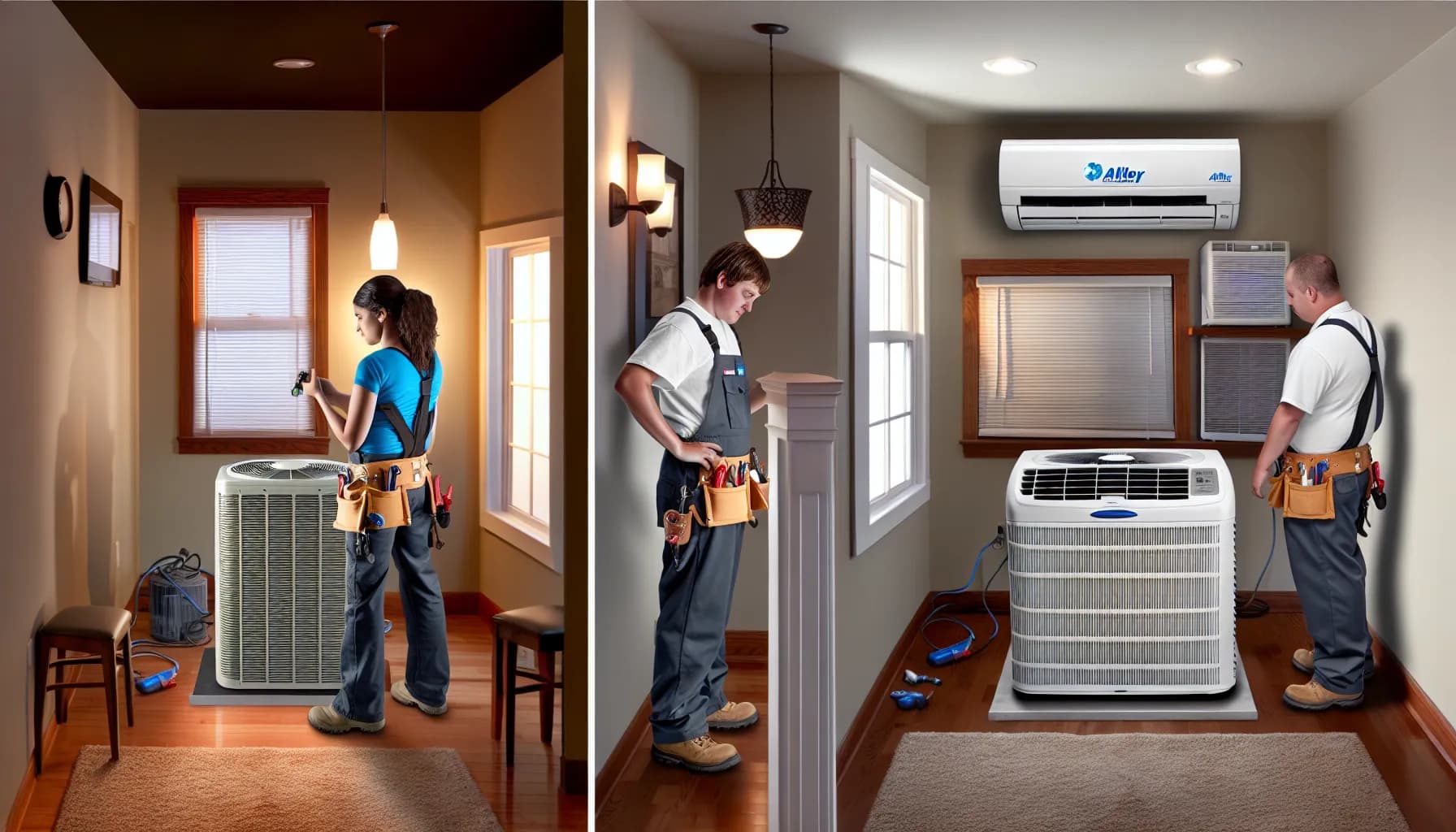
Window air conditioners are known for their ease of installation. Anyone with basic DIY skills can set one up in a standard window opening. Wall air conditioners, on the other hand, require cutting a hole in an exterior wall and may need professional installation. In Greenwood Village, one homeowner chose a wall unit for a sunroom addition, ensuring year-round comfort without sacrificing valuable window space.
Energy Efficiency
Both types of units can be energy efficient, but wall air conditioners often provide a tighter seal against the elements. This reduces drafts and energy loss, especially important in Colorado’s variable climate. However, the efficiency also depends on the unit’s Energy Efficiency Ratio (EER), its size, and proper maintenance. In Parker, a small business owner noticed a drop in energy bills after switching from an older window unit to a modern, Energy Star-rated wall A/C.
Aesthetics and Space Considerations
Window units can block natural light and detract from curb appeal, particularly on the front of a home. Wall air conditioners, once installed, offer a more streamlined look and do not interfere with windows. In communities like Cherry Hills Village, where home aesthetics are a priority, wall units are often the preferred choice for permanent cooling solutions.
Performance in Colorado’s Climate
Cooling Efficiency at High Altitude
Colorado’s high altitude can affect air conditioner performance. The thinner air reduces the efficiency of some cooling systems. Modern window and wall units are engineered to perform well up to 7,000 feet, but it’s important to size the unit correctly. For example, a homeowner in Evergreen needed a larger-capacity wall unit to compensate for altitude-related performance loss.
Weather Durability and Insulation
Window air conditioners can be more susceptible to drafts, rain, and snow infiltration, especially in older windows. Wall air conditioners, when properly installed with a sleeve and insulation, offer better protection against the elements. In Lakewood, a resident reported less heat loss in winter after replacing a window A/C with a wall unit, thanks to improved insulation around the unit.
Noise Levels
Both window and wall units generate noise, but wall air conditioners are often quieter because they are built for permanent installation and can be better insulated. In Thornton, a family with a newborn found that their new wall A/C produced less noise in the baby’s room compared to their previous window unit.
Cost Comparison: Window vs. Wall Air Conditioners
Initial Purchase Price
Window air conditioners are typically less expensive to purchase, with prices starting around $150 for basic models. Wall units usually start closer to $400 and can go higher depending on features and capacity.
Installation Costs
Window A/Cs can be installed by the homeowner, saving on labor costs. Wall units require professional installation, which may include cutting into the wall, adding a sleeve, and sealing. Installation costs can range from $300 to $800, depending on the complexity. In Castle Rock, a couple invested in a wall unit for their home office and found the upfront installation cost worthwhile for long-term comfort.
Ongoing Maintenance and Operation
Both types of air conditioners need regular filter changes and occasional cleaning. Wall units might require less frequent removal for cleaning, while window units are often taken out for winter storage in places like Morrison or Golden. Energy costs will largely depend on the unit’s efficiency and how often it is used.
Which Air Conditioner Is Best for Colorado Residences?
Suitability for Apartments and Homes
For renters or those in temporary housing, window air conditioners offer flexibility and easy removal. Renters in Aurora or Denver apartments often opt for window units because they do not require structural changes. Homeowners seeking a more permanent, efficient, and aesthetically pleasing solution may prefer wall air conditioners, especially in custom-built houses in areas like Castle Pines or Highlands Ranch.
Long-Term Value and Comfort
Wall air conditioners are designed for durability and year-round efficiency. They are less likely to create drafts and can add value to a home with high-quality installation. Window units are more affordable upfront but may need replacement sooner and can impact the home’s appearance. In Niwot, a small business upgraded to wall units in their office to ensure quiet, reliable cooling for staff and clients.
Ultimately, the best choice depends on your specific needs, budget, and property type. If you want a cost-effective, temporary solution, a window air conditioner is likely your best bet. If you want a permanent, energy-efficient, and visually appealing system, consider a professionally installed wall air conditioner. For expert installation, repair, or advice in Colorado, Alloy Heating and Cooling is here to help you stay comfortable no matter what the weather brings.
Frequently Asked Questions
Are wall air conditioners more energy efficient than window units?
Wall air conditioners often have better insulation and a tighter fit, which can reduce energy loss. However, energy efficiency also depends on the model and proper installation.
Can I install a wall air conditioner in a rented apartment in Colorado?
Installing a wall air conditioner usually requires cutting a hole in the wall, which may not be allowed in rental properties. Always check with your landlord and lease agreement first.
Which type of air conditioner is better for Colorado’s dry climate?
Both types can work well in Colorado’s dry climate, but units with built-in dehumidifiers may not be necessary. Focus on cooling capacity and energy efficiency for the best results.
How do installation costs compare for wall vs window air conditioners?
Window air conditioners are typically easier and cheaper to install, while wall units often require professional installation and modifications to your home.
Do wall or window air conditioners last longer?
Wall air conditioners are generally built for more permanent installations and may have a longer lifespan, but regular maintenance is key for both types.

Alloy HVAC Team
HVAC experts with years of experience in the industry. We share tips, insights, and the latest trends in heating, ventilation, and air conditioning to help you maintain optimal comfort in your home or business.