Why Is My Heater Not Working in My Colorado Home? Common Causes and Solutions
Why Is My Heater Not Working in My Colorado Home? Common Causes and Solutions
Waking up to a cold house in the middle of a Colorado winter can be frustrating and even dangerous. If you find yourself asking, “Why is my heater not working?”, you are not alone. Homeowners and business owners across Greenwood Village, Englewood, Littleton, Highlands Ranch, Denver, Boulder, and beyond often face heating issues, especially during our harsh Colorado winters. At Alloy Heating and Cooling, we help Colorado residents identify, troubleshoot, and solve the most common heater problems. In this guide, we’ll explain why your heater may not be working, offer solutions, and share expert tips to keep your system running smoothly all season long.
Common Reasons Your Heater Is Not Working in Your House
Heaters can fail for a variety of reasons, many of which can be diagnosed with a bit of attention and care. Here are the most frequent causes we encounter in Colorado homes and businesses:
Thermostat Issues
The thermostat acts as the “brain” of your heating system. If it’s not working properly, your heater may not turn on or may not heat your home to the desired temperature. Common thermostat problems include dead batteries, faulty wiring, incorrect settings, or an outdated model. For example, a homeowner in Highlands Ranch recently called us because their furnace wouldn’t turn on. The culprit? Their digital thermostat had lost power due to dead batteries. Simply replacing the batteries restored their heat.
Dirty or Clogged Air Filters
Air filters are designed to trap dust, pet dander, and other airborne particles. Over time, these filters can become clogged, restricting airflow and causing the heater to overheat or shut down. A blocked filter was the issue for a small business owner in Centennial who noticed their office was chilly despite the heater running. After replacing the clogged filter, their system returned to normal operation.
Pilot Light or Ignition Problems
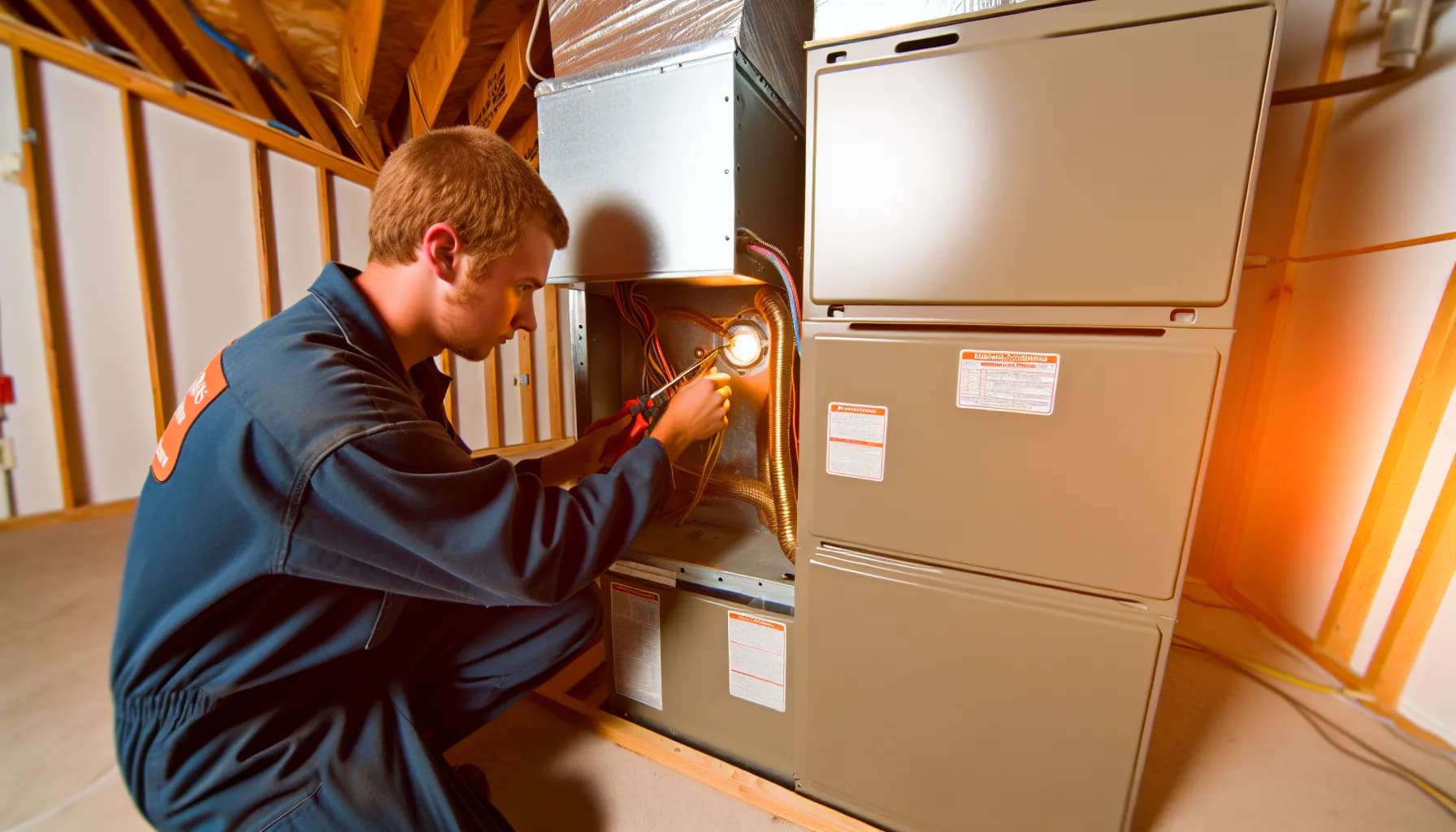
Older furnaces often use a pilot light, while newer models use electronic ignition systems. If the pilot light goes out or the ignition system malfunctions, the furnace won’t heat your home. In Littleton, a homeowner found their heater wouldn’t ignite on a particularly cold morning. Our technician discovered the pilot light had blown out from a draft near the furnace. Relighting the pilot and sealing the draft solved the problem.
Tripped Circuit Breaker or Blown Fuse
Heating systems draw a significant amount of power. A tripped breaker or blown fuse can cut power to your heater, preventing it from working. This is especially common after a power outage or electrical surge. We recently helped a family in Aurora whose heater stopped working after a thunderstorm. Checking their electrical panel revealed a tripped breaker; resetting it restored power and heat.
Blocked Vents or Ductwork
Blocked supply or return vents and dirty ductwork can restrict airflow, reduce efficiency, and cause uneven heating or complete system shutdown. In Golden, a resident noticed one room remained cold no matter how high they set the thermostat. Upon inspection, we found a bookshelf blocking the vent, and several ducts were packed with dust. Clearing these obstructions brought back even warmth throughout the home.
Colorado-Specific Heater Problems to Watch For
Colorado’s unique climate and geography present additional challenges for heating systems. Here’s what to watch for in our region:
Cold Weather Strain on Heating Systems
Colorado winters can be extreme, with temperatures dipping far below freezing. Heating systems often run longer and harder, which can accelerate wear and lead to unexpected breakdowns. For instance, during a January cold snap in Castle Rock, we saw an uptick in calls from homeowners whose heaters couldn’t keep up. In many cases, the systems simply needed a tune-up or minor repairs to handle the extra demand.
Altitude Effects on Furnace Efficiency
Colorado’s high altitude affects how furnaces burn fuel. At elevations above 5,000 feet, the air is thinner, which can impact combustion efficiency and safety. Some furnaces require special adjustments or high-altitude kits. We helped a customer in Evergreen whose new furnace kept shutting off. The manufacturer’s settings were for sea level, but after adjusting the air-fuel ratio for 7,200 feet, the furnace ran perfectly.
Dry Climate and Heater Performance
Colorado’s dry air can contribute to static electricity, dry skin, and respiratory discomfort, especially when heaters run constantly. Dry air can also cause components inside your heater to wear faster. Installing a whole-house humidifier or using portable units can help maintain comfortable humidity levels and prolong heater lifespan. In Parker, a homeowner found adding a humidifier not only made their home more comfortable but also reduced the frequency of furnace repairs.
Troubleshooting Steps for a Non-Working Heater
Before calling in a professional, there are a few troubleshooting steps you can safely take to diagnose and potentially resolve heater issues:
Check the Thermostat Settings
Make sure your thermostat is set to “heat,” not “cool” or “off.” Set the temperature higher than the current room temperature. If your thermostat is programmable, double-check the schedule settings. Replace the batteries if it’s a battery-powered model. If your thermostat is blank or unresponsive, this is a sign it may need new batteries or service.
Inspect and Replace Air Filters
Locate your heater’s air filter and check for dirt or clogs. If the filter looks gray or is visibly dirty, replace it with a fresh one. Most Colorado homes need filter changes every 1-3 months during heating season due to extra dust from dry air and wind.
Reset the Circuit Breaker
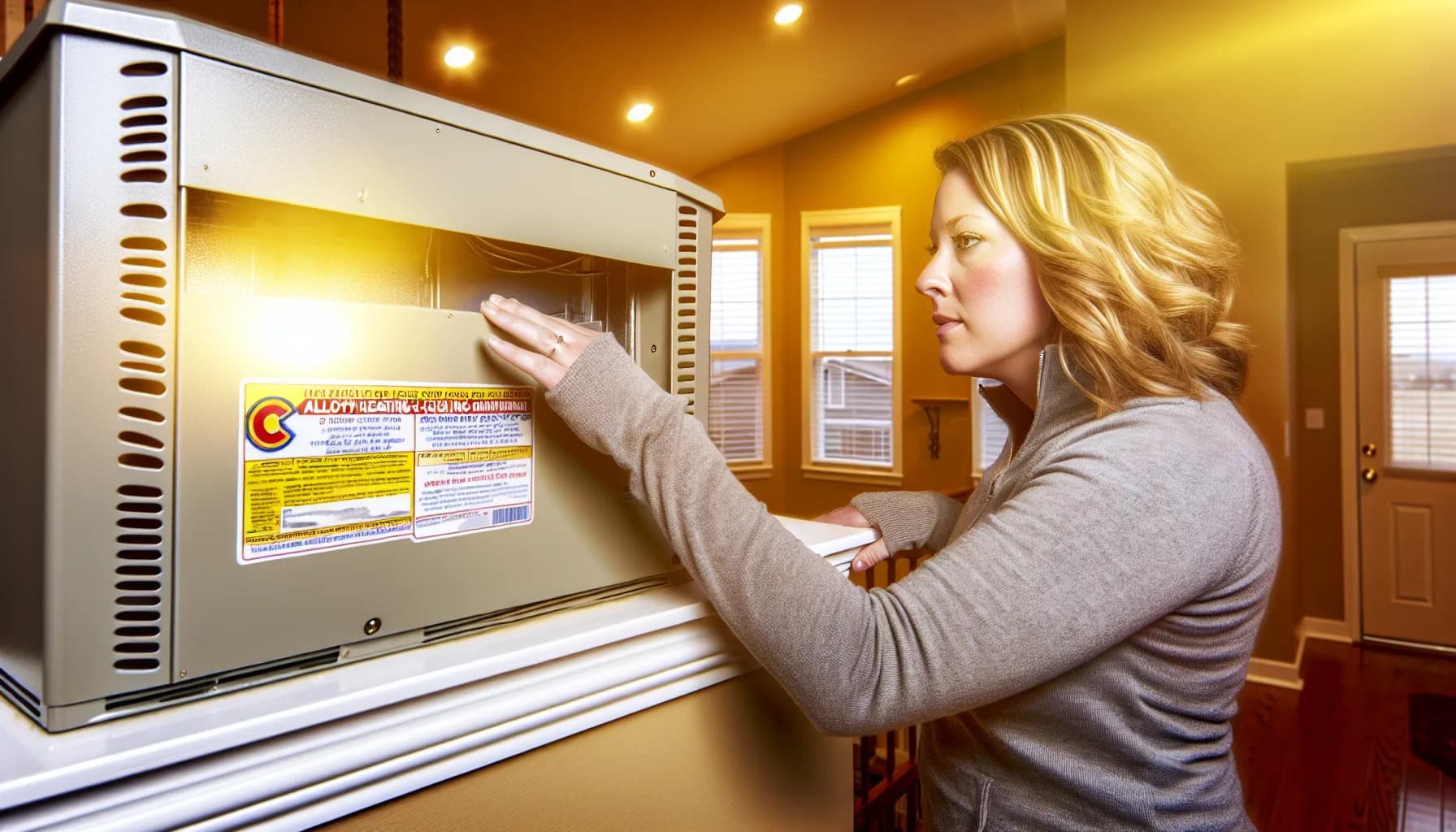
Go to your home’s electrical panel and look for any tripped breakers or blown fuses connected to your HVAC system. Reset any tripped breakers by flipping them fully off, then back on. Replace any blown fuses carefully. If the breaker trips again, there may be a deeper electrical issue that needs a technician’s attention.
Look for Error Codes or Warning Lights
Modern furnaces often have a small viewing window where you can see a blinking light or error code. Consult your owner’s manual for what the codes mean. For example, three blinks might indicate a pressure switch problem. If you see an unfamiliar code or your system starts and stops repeatedly, contact an HVAC professional for diagnosis.
When to Call a Professional
If basic troubleshooting does not restore heat, you notice strange noises or smells, or if your heater shows persistent error codes, it’s time to call a licensed HVAC technician. Attempting DIY repairs on gas or electrical equipment can be dangerous. At Alloy Heating and Cooling, our certified technicians serve all of Metro Denver and the Front Range, providing prompt heater repairs and expert advice tailored to Colorado’s climate.
Preventative Maintenance Tips for Colorado Homeowners
Regular maintenance is the best way to avoid heater breakdowns and expensive repairs. Here are our top tips for keeping your Colorado heating system in peak condition:
Schedule Regular Heater Inspections
Have your furnace or heater inspected and serviced by a professional at least once a year, ideally before the heating season begins. Regular maintenance includes cleaning components, checking safety controls, inspecting the heat exchanger, and verifying high-altitude adjustments. Preventative checkups helped a business owner in Lakewood save hundreds of dollars by catching a failing blower motor before it caused a complete system failure.
Keep Vents and Ducts Clear
Ensure that all supply and return vents are open and unblocked by furniture, curtains, or rugs. Periodically inspect visible ductwork for dust buildup, leaks, or disconnected joints. Schedule professional air duct cleaning every few years, especially if you notice excessive dust or uneven heating.
Maintain Proper Humidity Levels
Use humidifiers to keep indoor humidity between 30% and 50%. This not only improves comfort but also helps your heating system operate efficiently. Some modern thermostats can monitor humidity and remind you when levels drop too low. In Sedalia, a homeowner who struggled with frequent static shocks found that adding a central humidifier improved both comfort and heater performance.
Keeping your heater running smoothly in Colorado requires a blend of technical knowledge and understanding of our unique climate. When in doubt, trust the experts at Alloy Heating and Cooling to diagnose, repair, and maintain your heating system, no matter where you live in the Denver metro or Front Range area.
Frequently Asked Questions
Frequently Asked Questions
Why is my heater running but not blowing hot air?
If your heater is running but not blowing hot air, it could be due to a dirty air filter, thermostat issues, or problems with the pilot light or ignition system. Checking and replacing the air filter and resetting the thermostat are good first steps.
What should I do if my heater won't turn on at all?
First, check that the thermostat is set to heat and the temperature is above room temperature. Then, inspect the circuit breaker and replace any blown fuses. If these steps don’t help, it may be time to call a professional.
How often should I replace my heater's air filter?
It’s recommended to replace your heater’s air filter every 1-3 months, especially during heavy use in Colorado winters. A clean filter helps your system run efficiently and prevents breakdowns.
Can Colorado's altitude affect my heater's performance?
Yes, high altitude can impact furnace efficiency and combustion. Some systems need adjustments or special settings to work properly in Colorado’s elevation.
When should I call a professional for heater repairs?
Call a professional if basic troubleshooting doesn’t restore heat, you notice unusual noises or smells, or if you see error codes on your unit. Regular maintenance from a licensed technician can also prevent major issues.

Alloy HVAC Team
HVAC experts with years of experience in the industry. We share tips, insights, and the latest trends in heating, ventilation, and air conditioning to help you maintain optimal comfort in your home or business.