Why Is My Heater Not Working? Common Home Heating Problems in Colorado
Why Is My Heater Not Working? Common Home Heating Problems in Colorado
Nothing feels quite as frustrating as coming home on a cold Colorado evening only to find your heater isn’t working. Whether you live in Greenwood Village, Parker, Littleton, or Denver, a malfunctioning heater is not just uncomfortable, it can be a real safety concern when temperatures drop. At Alloy Heating and Cooling, we help homeowners, small businesses, and commercial properties throughout the region identify and fix heating issues quickly and reliably. Here, we break down the most common reasons your heater might not be working, challenges unique to Colorado, practical troubleshooting tips, and when to call in a professional HVAC technician.
Common Reasons Your Heater Is Not Working in House
Heaters can fail for a variety of reasons. Understanding these can help you identify problems early and decide when to seek professional help.
Thermostat Issues
Your thermostat is the brain of your heating system. If it’s malfunctioning, set incorrectly, or running low on batteries, it might not signal your heater to turn on. We recently helped a Littleton homeowner whose heater wouldn’t start. The problem was simply a dead thermostat battery, an easy fix that saved a chilly night.
Clogged Air Filters
Dirty or clogged air filters restrict airflow, causing your heater to work harder and sometimes overheat or shut down altogether. In dry and dusty Colorado winters, filters get dirty fast. During a maintenance call in Highlands Ranch, we found a furnace that kept cycling on and off due to a completely blocked filter. Replacing it restored normal operation and improved indoor air quality.
Pilot Light or Ignition Problems
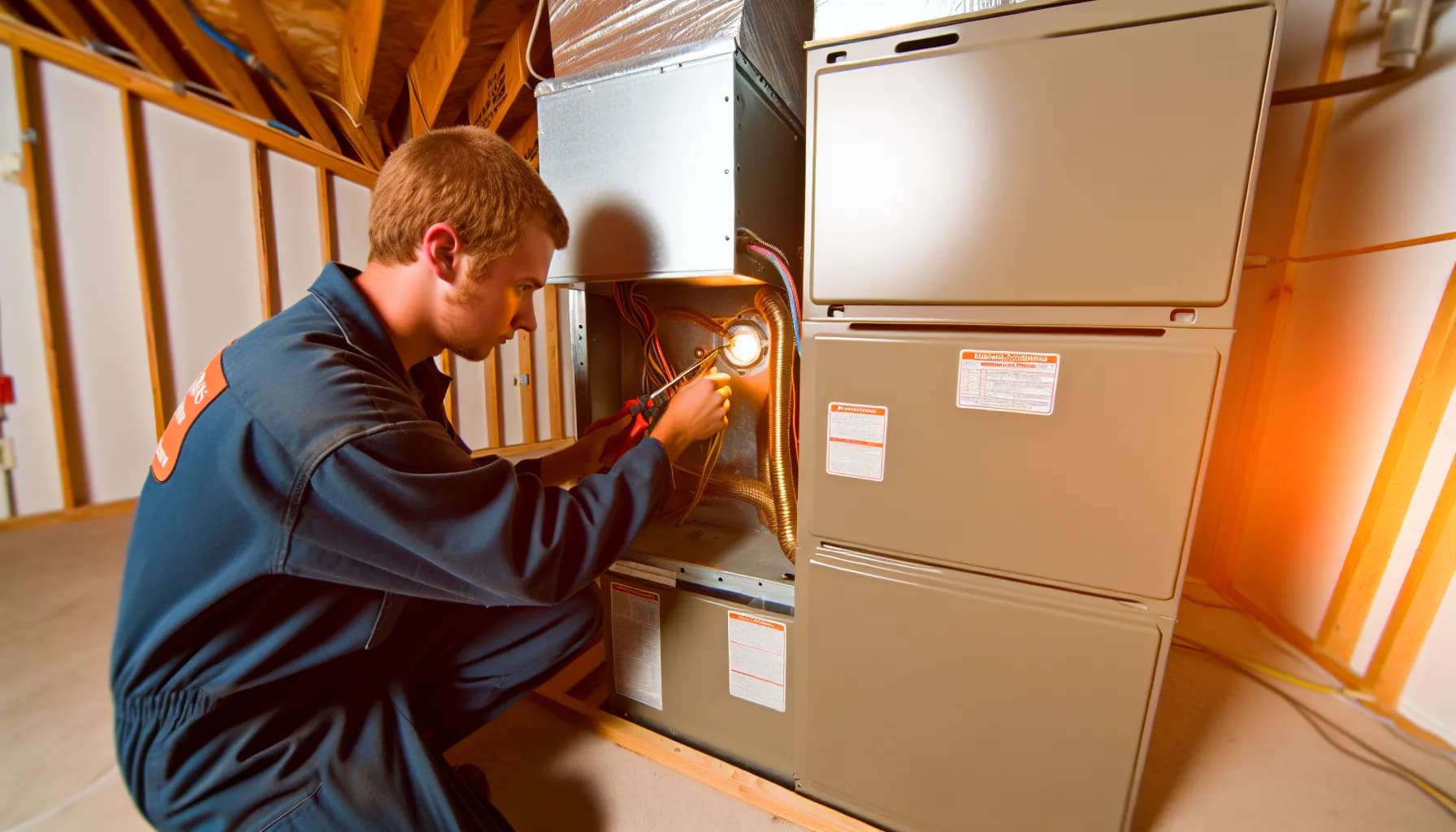
Older furnaces often use a pilot light, while newer models use electronic ignition systems. If the pilot light goes out or the ignition fails, your heater can’t produce heat. In Aurora, a homeowner struggled with a heater that wouldn’t ignite. The culprit? A faulty flame sensor coated with soot. Cleaning the sensor brought the system back online.
Electrical or Power Supply Failures
Your heater needs a consistent power supply. Tripped circuit breakers, blown fuses, or loose wiring can all interrupt service. In Castle Rock, we traced a heater outage to a tripped breaker after a recent electrical storm. Resetting the breaker restored heat to the home.
Blower Motor Malfunctions
The blower motor circulates warm air through your home. If it fails, you might hear unusual noises, smell burning odors, or notice weak airflow from vents. In Federal Heights, a business owner called us about cold offices. We discovered the blower motor capacitor had failed, and a quick replacement had the building warm again in no time.
Colorado-Specific Heating Challenges
Colorado’s unique climate and geography can put extra strain on your heating system. Here’s what makes heating here a little different.
Altitude Effects on Heating Systems
High altitude impacts combustion in gas furnaces. Less oxygen means your system must be properly adjusted or it may burn inefficiently, leading to poor heating and higher energy bills. In Evergreen, we recalibrated a furnace for a homeowner who noticed weak heat output after moving from sea level, solving the problem and improving efficiency.
Cold Weather Strain on Heaters
Colorado winters can be harsh, with long stretches of subfreezing temperatures. Extended cold snaps force heaters to work overtime, increasing the risk of worn-out parts, overworked motors, and system breakdowns. Preventative maintenance is key to surviving these conditions without an emergency call.
Dry Air and Humidity Concerns
The dry air common in Colorado winters can cause static electricity, dry skin, and even impact your heating system’s performance. Dry air pulls moisture from your home, causing wooden floors and furniture to shrink and crack. It can also dry out rubber and plastic components in your HVAC system, leading to premature wear. Installing a whole-home humidifier can help maintain comfort and system longevity.
DIY Troubleshooting Steps When Heater Is Not Working
If your heater stops working, there are a few things you can check before calling for help. These steps may resolve simple issues or help you communicate more effectively with your HVAC technician.
Check Thermostat Settings
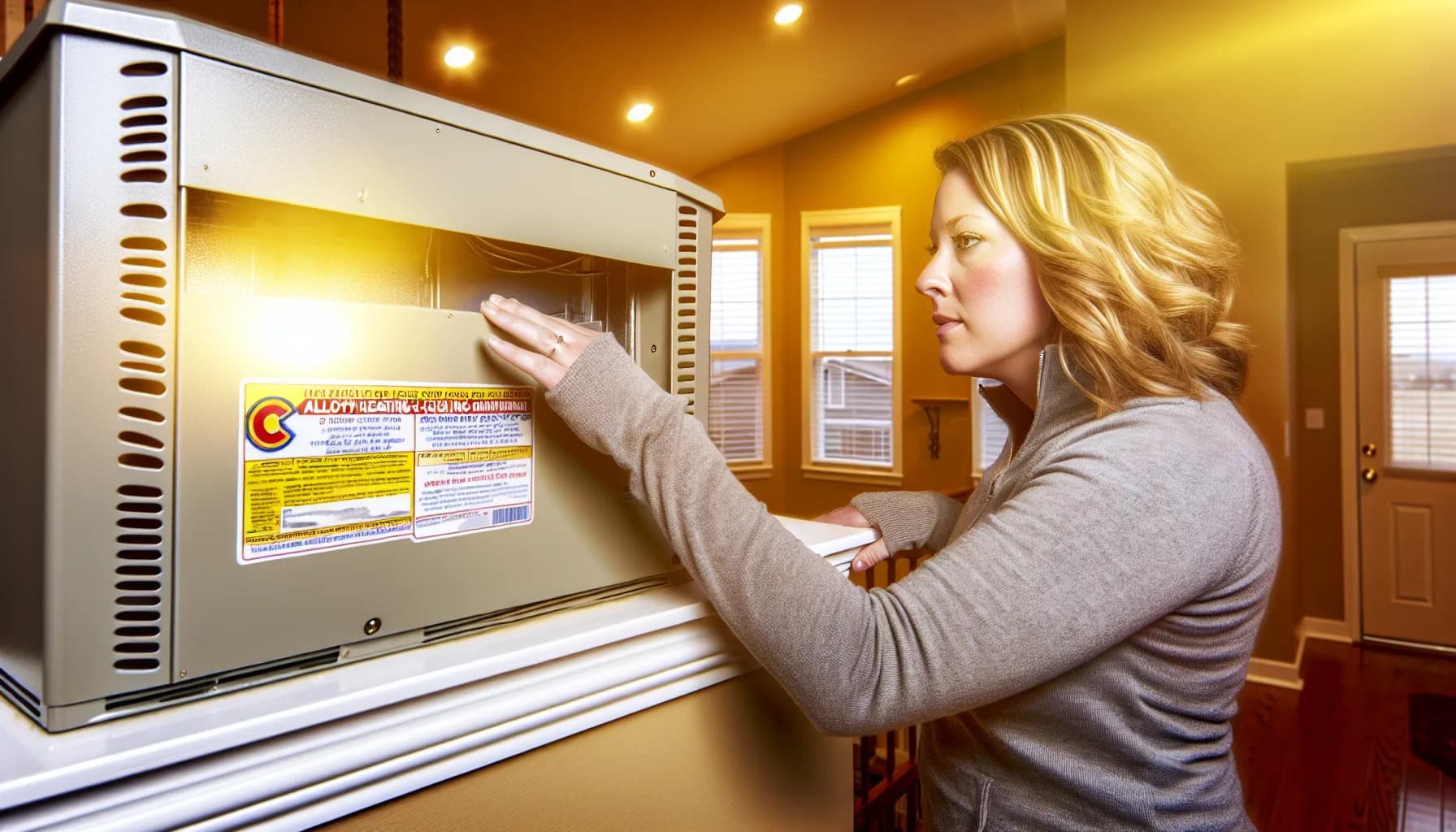
Ensure your thermostat is set to “heat” and the temperature is higher than the current room temperature. Double-check for low batteries, and make sure the display is working. Sometimes, programmable thermostats are set with schedules that don’t align with your current needs, adjust as necessary.
Inspect Circuit Breakers and Fuses
Locate your home’s electrical panel and check for tripped breakers or blown fuses related to your heating system. If you find one, reset the breaker or replace the fuse. If it trips again, call a professional, as repeated electrical issues may signal a deeper problem.
Look for Blocked Vents or Ducts
Walk through your home and check that all supply and return vents are open and unblocked by furniture or other items. Blocked vents restrict airflow, making your heater work harder and reducing efficiency. In one Centennial home, simply moving a couch away from a vent improved heating in the living room.
When to Call a Professional HVAC Technician
Some heater issues require professional attention to ensure safety, efficiency, and lasting repairs. Here’s when it’s time to call Alloy Heating and Cooling.
Warning Signs of Serious Heater Problems
- Strange noises like banging, grinding, or squealing
- Burning or electrical odors
- Frequent cycling on and off
- Insufficient or uneven heating
- Yellow pilot light (should be blue)
- Sudden spike in energy bills
These symptoms can indicate serious issues such as cracked heat exchangers, gas leaks, or failing motors. In Denver, we responded to a call about strong gas odors and found a cracked heat exchanger, a dangerous situation requiring immediate repair.
Benefits of Professional Heating Repair
Licensed HVAC technicians bring years of training and experience. We use specialized diagnostic tools to pinpoint problems quickly, saving you time and money. Our team ensures repairs are done safely, up to code, and with minimal disruption to your home or business. We also offer maintenance plans to keep your system running smoothly year-round.
Preventative Maintenance Tips for Colorado Homes
Preventative care is the best way to avoid heater breakdowns, especially during Colorado’s unpredictable winters. Here’s how to keep your system in top shape.
Regular Filter Replacement
Change your air filter every 1 to 3 months, especially during heavy use. This simple step improves airflow, boosts efficiency, and helps prevent dust buildup inside your system. We’ve seen many furnace failures in Castle Pines traced back to neglected filters.
Annual Heater Inspections
Schedule a professional inspection every year, ideally before the heating season begins. During these visits, technicians check for worn parts, clean sensitive components, and ensure your system is safe and efficient. Annual inspections catch minor issues before they become major problems.
Preparing Your Heater for Winter
Before the first cold snap, test your heater by running it for a few cycles. Listen for unusual sounds, check for strange odors, and make sure all rooms are warming evenly. If you notice anything unusual, call for service before the cold sets in. In Monument, a family discovered their heater wouldn’t start during the first frost, an early test could have prevented a chilly night.
With proper care and a little help from your local experts at Alloy Heating and Cooling, you can keep your Colorado home or business warm and comfortable all winter long.
Frequently Asked Questions
Why is my heater not blowing hot air in my house?
This could be due to a dirty air filter, thermostat issues, or problems with the pilot light or ignition system. Checking these components can help identify the problem.
How do I know if my furnace needs repair or replacement?
If your furnace is making unusual noises, cycling frequently, struggling to heat your home, or is over 15 years old, it may need repair or replacement.
What should I check first if my heater stops working?
Start by checking your thermostat settings, ensuring the circuit breaker hasn’t tripped, and inspecting your air filter for clogs.
Does cold Colorado weather affect my heater’s performance?
Yes, extreme cold can strain your heating system, making regular maintenance important to ensure reliable performance during harsh Colorado winters.
Can I fix heating problems myself, or should I call an HVAC professional?
You can address simple issues like changing filters or checking thermostats, but for persistent or complex problems, it’s best to call a licensed HVAC technician to avoid safety risks and ensure proper repairs.

Alloy HVAC Team
HVAC experts with years of experience in the industry. We share tips, insights, and the latest trends in heating, ventilation, and air conditioning to help you maintain optimal comfort in your home or business.