Furnace Not Heating? Common Reasons Your Heater Is Not Working in Colorado
Furnace Not Heating? Common Reasons Your Heater Is Not Working in Colorado
Understanding Why Your Heater Is Not Working in House
Signs Your Heater Is Malfunctioning
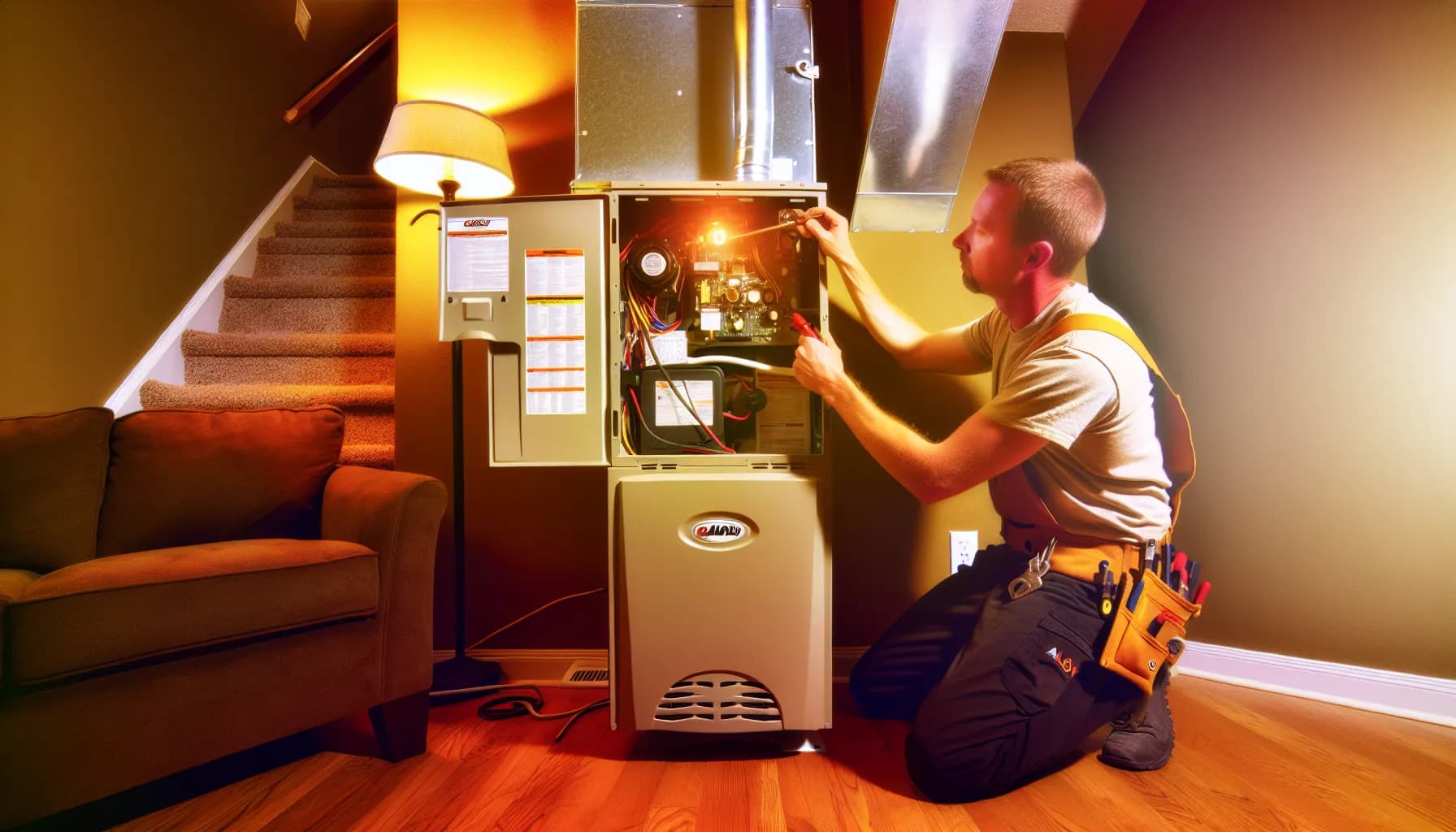
Colorado winters can be brutal, and a malfunctioning furnace is the last thing any homeowner wants to experience. Some common signs your heater is not working properly include uneven heating throughout your home, cold air blowing from vents, strange noises such as banging or whistling, and an unexplained increase in your energy bills. For example, a homeowner in Littleton recently noticed her living room was cold even though the thermostat was set to 70°F. She also heard clicking noises from her basement, indicating a potential ignition issue.
Importance of Timely Heater Repairs
Addressing heater issues promptly is crucial, especially in Colorado, where overnight temperatures can drop rapidly. Delaying repairs may lead to more extensive (and expensive) damage and risk leaving your family or business uncomfortably cold. In one Denver office, a minor blower problem left unchecked resulted in a complete system shutdown, requiring emergency repair during a winter storm. Timely attention could have prevented the disruption and higher costs.
Most Common Reasons Your Heater Is Not Working
Thermostat Issues
The thermostat acts as the brain for your heating system. If it is not set correctly or has dead batteries, your furnace may not turn on or maintain the desired temperature. Sometimes, wiring problems or outdated thermostats can also cause communication errors between the thermostat and furnace.
Clogged or Dirty Air Filters
Furnace filters trap dust, pet hair, and other particles. In Colorado’s dry, dusty climate, filters can clog quickly. When airflow is restricted, the system may overheat and shut off or struggle to distribute warm air, leading to cold spots in your home.
Pilot Light or Ignition Problems
Older furnaces often rely on a pilot light, while modern units use electronic ignition. If the pilot goes out or the ignition system malfunctions, the furnace cannot produce heat. For example, a Highlands Ranch homeowner discovered her furnace was blowing cold air because the electronic igniter failed after a recent power surge.
Blower Motor Malfunctions
The blower motor circulates heated air through your home. If it fails, you may hear humming or notice weak or no airflow from vents. This issue often requires professional diagnosis and repair.
Tripped Circuit Breaker or Power Issues
Furnaces require consistent electrical power. If a circuit breaker trips or a power switch is accidentally turned off, the furnace will not operate. Always check your breaker panel and furnace power switch before calling for help.
Colorado-Specific Heater Issues to Watch For
Impact of Cold Weather on Furnace Performance
Colorado’s extreme winter temperatures can push heating systems to their limits. Prolonged cold spells increase heating demand, which may reveal underlying issues like worn-out components or insufficient insulation. Homeowners in Parker reported their furnace couldn’t keep up during a February cold snap, only to find out their system was undersized for their home’s square footage.
Frozen Condensate Lines
High-efficiency furnaces produce condensation that drains through a small pipe. If this condensate line freezes in subzero temperatures, the furnace may shut down as a safety precaution. This issue is common in unheated basements or garages.
Altitude Effects on Heating Systems
Colorado’s high altitude affects how furnaces burn fuel. Gas combustion changes with thinner air, potentially leading to incomplete burning and reduced efficiency. Modern furnaces usually have altitude adjustments, but older units may need retrofitting to perform correctly in cities like Boulder or Evergreen.
Troubleshooting Steps When Your Heater Is Not Working
Checking the Thermostat Settings
Ensure your thermostat is set to ‘heat’ and the temperature is above current room levels. Replace batteries if needed, and verify the display is functioning. Sometimes, a simple setting adjustment can restore heat.
Replacing or Cleaning Air Filters
Locate your furnace filter and inspect it for dirt or clogging. Replacing or cleaning the filter can quickly resolve many airflow issues, improving both comfort and system efficiency.
Inspecting Furnace Switches and Breakers
Check the furnace’s power switch (usually a light switch near the unit) and your home’s breaker panel. Reset any tripped breakers and ensure the switch is in the ‘on’ position before restarting your furnace.
When to Call a Professional HVAC Technician
If these steps do not restore heat, or if you notice persistent problems like frequent cycling, strange noises, or water leaks, contact a licensed HVAC professional. Technicians have the tools and expertise to safely diagnose and repair complex furnace issues, ensuring your home or business stays warm.
Preventative Maintenance Tips for Colorado Homeowners
Regular Furnace Inspections
Schedule routine inspections, especially before winter. Professionals can spot worn parts or signs of trouble early, reducing the risk of unexpected breakdowns.
Scheduling Annual Tune-Ups
Annual maintenance keeps your furnace running efficiently. Tune-ups often include cleaning burners, checking electrical connections, and calibrating thermostats. Many Greenwood Village and Highlands Ranch residents opt for maintenance plans to gain peace of mind all season long.
Keeping Vents and Ducts Clear
Ensure that supply and return vents are not blocked by furniture or drapes. Clean ducts as needed to maintain strong airflow throughout your home and reduce strain on your system.
Frequently Asked Questions
Why is my heater not working in my house even though the thermostat is on?
If your heater is not working despite the thermostat being on, it could be due to faulty wiring, a dead thermostat battery, or issues with the furnace itself. Check the thermostat settings and replace batteries before calling a technician.
What should I do if my furnace is blowing cold air in Colorado winters?
If your furnace blows cold air, check if the pilot light is out, the air filter is clogged, or the thermostat is set to ‘on’ instead of ‘auto.’ If these fixes don’t work, contact a professional for help.
How often should I change my furnace filter to prevent heater issues?
In Colorado, it’s recommended to change your furnace filter every 1-3 months during the heating season to maintain airflow and prevent system malfunctions.
Can Colorado's altitude affect my heating system's performance?
Yes, higher altitudes can impact gas combustion efficiency in furnaces. Make sure your furnace is properly adjusted for Colorado’s altitude to ensure optimal performance.
When should I call an HVAC professional if my heater is not working?
If basic troubleshooting doesn’t resolve the issue or you notice strange noises, persistent cold air, or frequent cycling, contact a licensed HVAC technician for a thorough inspection and repair.

Alloy HVAC Team
HVAC experts with years of experience in the industry. We share tips, insights, and the latest trends in heating, ventilation, and air conditioning to help you maintain optimal comfort in your home or business.