The Most Efficient Types of HVAC Systems for Colorado’s Unique Climate
The Most Efficient Types of HVAC Systems for Colorado’s Unique Climate
Colorado’s climate is as distinct as its breathtaking scenery, with high-altitude cities, dramatic temperature swings, and low humidity levels that demand more from your heating and cooling systems than the average state. At Alloy Heating and Cooling, we understand the unique comfort challenges faced by homeowners, small businesses, and commercial properties from Denver to Boulder, Castle Rock to Golden. Whether you’re upgrading an old furnace, installing a new air conditioning system, or looking for ways to optimize year-round efficiency, choosing the right HVAC system is essential for comfort, cost savings, and long-term reliability. Let’s explore the most efficient HVAC options for Colorado and how to select the best fit for your property.
Understanding Colorado’s Unique Climate Challenges
Extreme Temperature Swings
Colorado is famous for its unpredictable weather. It’s not uncommon to experience a sunny 70-degree afternoon followed by a chilly evening where temperatures plummet below freezing. This rapid fluctuation puts a strain on HVAC systems, requiring them to quickly adapt to both heating and cooling demands. For example, a Greenwood Village homeowner may find themselves running the furnace in the morning and the air conditioner by afternoon during spring and fall.
Low Humidity Levels
Colorado’s dry air is beneficial for some aspects of comfort, but it can also cause cracked skin, static electricity, and damage to wood furnishings. In winter, indoor humidity can drop even further, making it harder to feel warm and increasing the demand on your heating system. Homes and businesses in Highlands Ranch and Parker often benefit from HVAC systems that can add or manage moisture to maintain healthy, comfortable air quality.
High Altitude Considerations
At elevations ranging from 5,000 to over 8,000 feet, Colorado’s thin air affects both people and machines. Furnaces and air conditioners designed for sea level can lose efficiency and capacity at these heights. For example, a standard furnace in Boulder may require altitude adjustments to deliver the expected heat output, while air conditioners may need larger coils or special refrigerants to compensate for lower air density.
Key Features of the Best HVAC Systems for Colorado Climate
Energy Efficiency Ratings
Efficiency matters everywhere, but it’s especially critical in Colorado, where both heating and cooling can be needed in the same day. Look for systems with high AFUE (Annual Fuel Utilization Efficiency) ratings for furnaces and high SEER (Seasonal Energy Efficiency Ratio) ratings for air conditioners and heat pumps. An Englewood homeowner who upgraded to a 98% AFUE furnace and a 20 SEER AC reported savings of over 30% on their annual energy bill, thanks to reduced waste and better performance.
Humidity Control Capabilities
The best HVAC systems for Colorado often include humidity management. Integrated whole-home humidifiers or systems with variable-speed blowers can help maintain optimal indoor moisture levels. For example, a Littleton family added a central humidifier to their new furnace, drastically reducing wintertime dryness and improving sleep and comfort for their children.
Adaptability to Seasonal Changes
Systems with variable-speed motors, smart controls, and zoning capabilities allow for better adaptation to Colorado’s unpredictable weather. These technologies can ramp heating or cooling output up or down as needed, maintaining even temperatures and reducing energy waste. In Aurora, a small business owner installed a zoned system with smart thermostats, allowing different parts of the office to maintain ideal comfort regardless of the outdoor weather swings.
Top HVAC System Types for Colorado Homes
High-Efficiency Furnaces
Natural gas furnaces remain a popular choice in Colorado due to low fuel costs and reliable heat output. Modern high-efficiency models, especially those with variable-speed blowers and modulating gas valves, offer precise temperature control, quieter operation, and significant savings on utility bills. In Centennial, a homeowner replaced their 80% AFUE furnace with a 97% model and noticed not only improved warmth but also reduced monthly gas usage.
Heat Pumps (Including Cold Climate Models)
Heat pumps are gaining traction in Colorado thanks to advances in technology. Cold climate heat pumps, in particular, are engineered to extract heat even when outdoor temperatures dip below freezing. These systems provide both heating and cooling, making them versatile for year-round use. In Castle Pines, a family switched to a cold climate air-source heat pump and now enjoys comfortable summers and winters while using less natural gas and electricity. Some homeowners pair heat pumps with a backup furnace (dual-fuel system) for added peace of mind during extreme cold snaps.
Evaporative (Swamp) Coolers
Evaporative coolers work exceptionally well in Colorado’s dry air, providing an energy-efficient alternative to traditional air conditioning. They cool by passing warm air over water-saturated pads, adding moisture to the air in the process. In Morrison, a homeowner uses a whole-house swamp cooler to keep their home comfortable all summer at a fraction of the energy cost of a standard AC unit. However, evaporative coolers are less effective during rainy periods or in homes that need precise humidity control year-round.
Ductless Mini-Split Systems
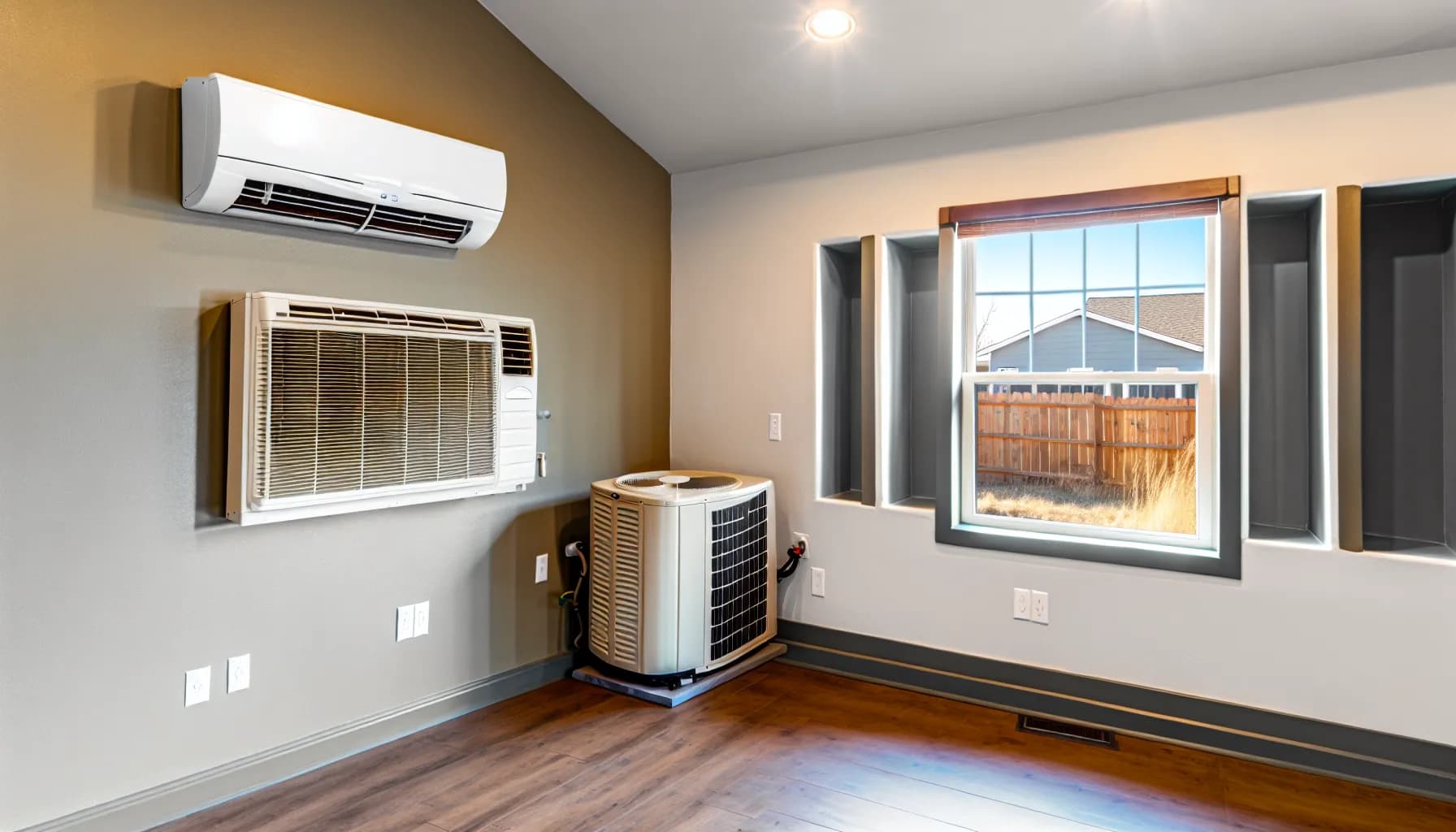
Mini-split systems offer individualized comfort and efficiency, especially for homes without ductwork or additions that need supplemental heating or cooling. These systems consist of an outdoor compressor and one or more indoor air-handling units, allowing for zoned temperature control. In Westminster, a homeowner installed mini-splits in a finished basement and sunroom, solving hot and cold spot issues without the need for expensive duct modifications.
Comparing Costs and Long-Term Savings
Initial Installation Costs
Upfront costs vary by system. High-efficiency furnaces and standard air conditioners generally offer lower initial costs, while heat pumps and ductless mini-splits may require a larger investment, especially if electrical upgrades are needed. Evaporative coolers are among the most affordable to install. For example, in Lakewood, installing a high-performance furnace and AC combo cost around $7,000, while a dual-fuel heat pump system was closer to $12,000. However, local rebates and tax incentives can help offset these expenses.
Energy Consumption and Utility Bills
Energy-efficient systems pay off over time through lower utility bills. A high-efficiency furnace or heat pump can save hundreds of dollars each year compared to older, less efficient models. For instance, a Boulder business owner who upgraded their rooftop unit saw a 40% reduction in energy use during the first winter. Swamp coolers and ductless mini-splits also offer significant savings, especially when paired with smart thermostats and proper insulation.
Maintenance Requirements
Regular maintenance extends the life of your HVAC system and keeps it running efficiently. High-efficiency furnaces and heat pumps generally require annual professional checkups, along with filter changes and periodic humidifier checks. Evaporative coolers need seasonal cleaning and water pad replacement. In Golden, a homeowner who neglected maintenance on their heat pump experienced a costly compressor failure, underscoring the importance of routine service.
Tips for Choosing the Best HVAC System for Your Colorado Home
Consulting with Local HVAC Experts
Every home and business is unique, so it’s wise to work with a local HVAC contractor who understands Colorado’s climate, altitude, and code requirements. At Alloy Heating and Cooling, we perform detailed load calculations, consider your home’s orientation, and recommend systems proven to perform in Southglenn, Denver, and beyond.
Considering Home Insulation and Sizing
Proper insulation and air sealing make a huge difference in HVAC efficiency. Oversized or undersized systems struggle to keep you comfortable and waste energy. For example, in Roxborough Park, a homeowner’s oversized furnace caused short cycling and uneven heating. After a professional assessment, a properly sized furnace was installed, resulting in more consistent warmth and lower bills.
Evaluating Smart Thermostat Integration
Smart thermostats like the Nest or Ecobee adapt to your schedule and adjust settings automatically for maximum efficiency. They’re especially helpful in managing temperature swings and can be controlled remotely for convenience. In Erie, a busy family uses a smart thermostat to pre-warm the house before returning from ski trips, saving money without sacrificing comfort.
Conclusion
Colorado’s climate demands more from your HVAC system, but with the right equipment and expert guidance, you can enjoy year-round comfort, efficiency, and peace of mind. Whether you live in Monument, Boulder, Centennial, or Aurora, Alloy Heating and Cooling is committed to helping you select, install, and maintain the most efficient heating and cooling solutions for your unique needs. Contact us today for a personalized consultation and discover how modern HVAC systems can transform your indoor environment.
Frequently Asked Questions
What is the best HVAC system for Colorado's dry and variable climate?
Heat pumps designed for cold climates and high-efficiency furnaces are often the best choices, as they handle both heating and cooling efficiently while coping with low humidity and temperature swings.
Are evaporative coolers a good choice for Colorado homes?
Yes, evaporative (swamp) coolers are effective in Colorado’s dry environment, offering energy-efficient cooling during the summer, though they are not suitable for humid regions.
How does altitude affect HVAC system performance in Colorado?
High altitude can decrease furnace efficiency and cooling capacity, so it’s important to choose systems rated for Colorado’s elevation and have them adjusted by local professionals.
Do I need a humidifier with my HVAC system in Colorado?
Adding a whole-home humidifier can be beneficial, as Colorado’s air is naturally dry, especially in winter, improving comfort and indoor air quality.
What should I look for when choosing an HVAC contractor in Colorado?
Look for local experience with Colorado’s climate, proper licensing, references, and knowledge of energy-efficient and altitude-appropriate equipment.

Alloy HVAC Team
HVAC experts with years of experience in the industry. We share tips, insights, and the latest trends in heating, ventilation, and air conditioning to help you maintain optimal comfort in your home or business.