Residential HVAC Installation in Colorado Springs: Step-by-Step Guide and What to Expect
Residential HVAC Installation in Colorado Springs: Step-by-Step Guide and What to Expect
For homeowners in Colorado Springs, choosing and installing a new HVAC system is one of the most important investments you can make in your home’s comfort and value. Whether you’re building a new house, replacing an outdated system, or upgrading for energy efficiency, understanding the HVAC installation process will help you make confident, informed decisions. This guide from Alloy Heating and Cooling walks you through every step of residential HVAC installation in Colorado Springs, explaining what to expect and how to get the most out of your new system.
Why Professional HVAC Installation Matters in Colorado Springs
Climate Considerations in Colorado Springs
Colorado Springs is known for its unique climate. With cold, snowy winters and warm, dry summers, your home’s HVAC system must be able to handle quick temperature swings, high altitude, and low humidity. For example, a family in Briargate may find that their older furnace struggles to keep up during a late-season cold snap, while a homeowner in Broadmoor may notice dry indoor air during the summer months. Professional HVAC installers understand these local conditions and recommend systems designed to operate efficiently in Colorado’s demanding climate.
Benefits of Hiring Licensed HVAC Installers
Hiring a licensed HVAC contractor is more than just a legal requirement. Licensed professionals ensure your system is sized correctly, installed safely, and up to code. A recent customer in Old Colorado City, for example, chose Alloy Heating and Cooling for their expertise in handling complex ductwork retrofits in older homes. Professional installers also handle permits, warranty registration, and ensure your system is set up for maximum efficiency, saving you money on energy bills and future repairs.
Preparing for Your HVAC Installation
Home Assessment and Load Calculation
Before any equipment is installed, your HVAC contractor will conduct a thorough home assessment. This includes a Manual J load calculation, which considers your home’s square footage, insulation levels, window types, and orientation. For instance, a family in Stetson Hills with a large, open floor plan will need a different system size than someone in a compact, well-insulated house in Rockrimmon. This step ensures your new HVAC system is neither too small (which would run constantly and wear out quickly) nor too large (which can waste energy and create comfort issues).
Selecting the Right HVAC System for Your Colorado Springs Home
Once your home’s needs are determined, your contractor will help you select the best system. Options might include high-efficiency furnaces, heat pumps, or central air conditioners. Consider features like variable-speed blowers, smart thermostats, or zoning capabilities for multi-level homes. Alloy Heating and Cooling can show you real-world energy savings from other local installations, helping you understand the long-term benefits of investing in a high-efficiency system for Colorado Springs’ climate.
Step-by-Step HVAC Installation Process
Removing Old Equipment (if applicable)
If you are replacing an existing system, the first step is safely removing the old furnace, air conditioner, or heat pump. This process involves disconnecting gas, electrical, and ductwork connections. Technicians take care to manage refrigerant lines and dispose of old equipment according to environmental regulations. In some older homes in the downtown area, asbestos or outdated wiring may be discovered, requiring special attention to keep your home safe.
Installing New HVAC Components
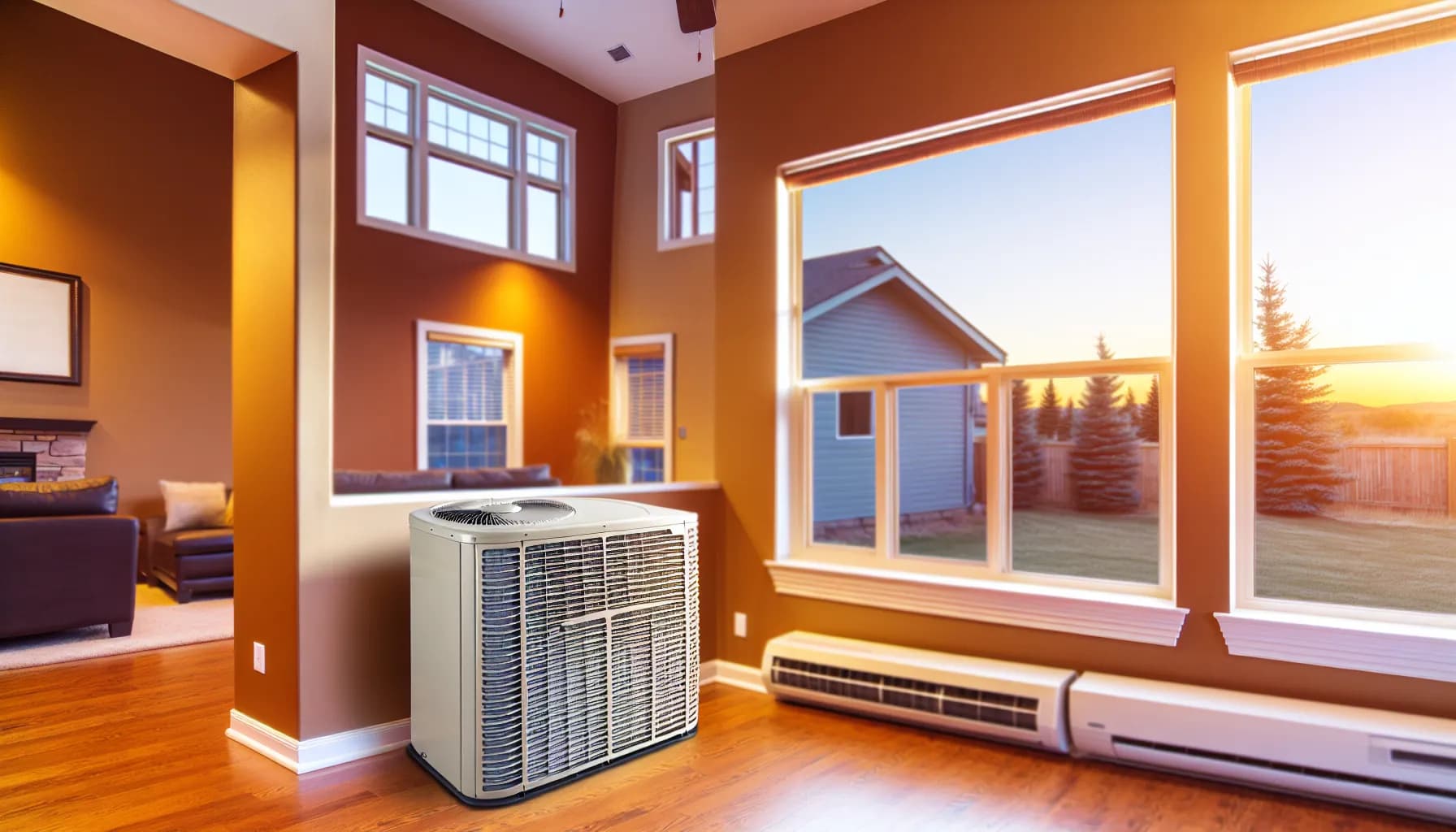
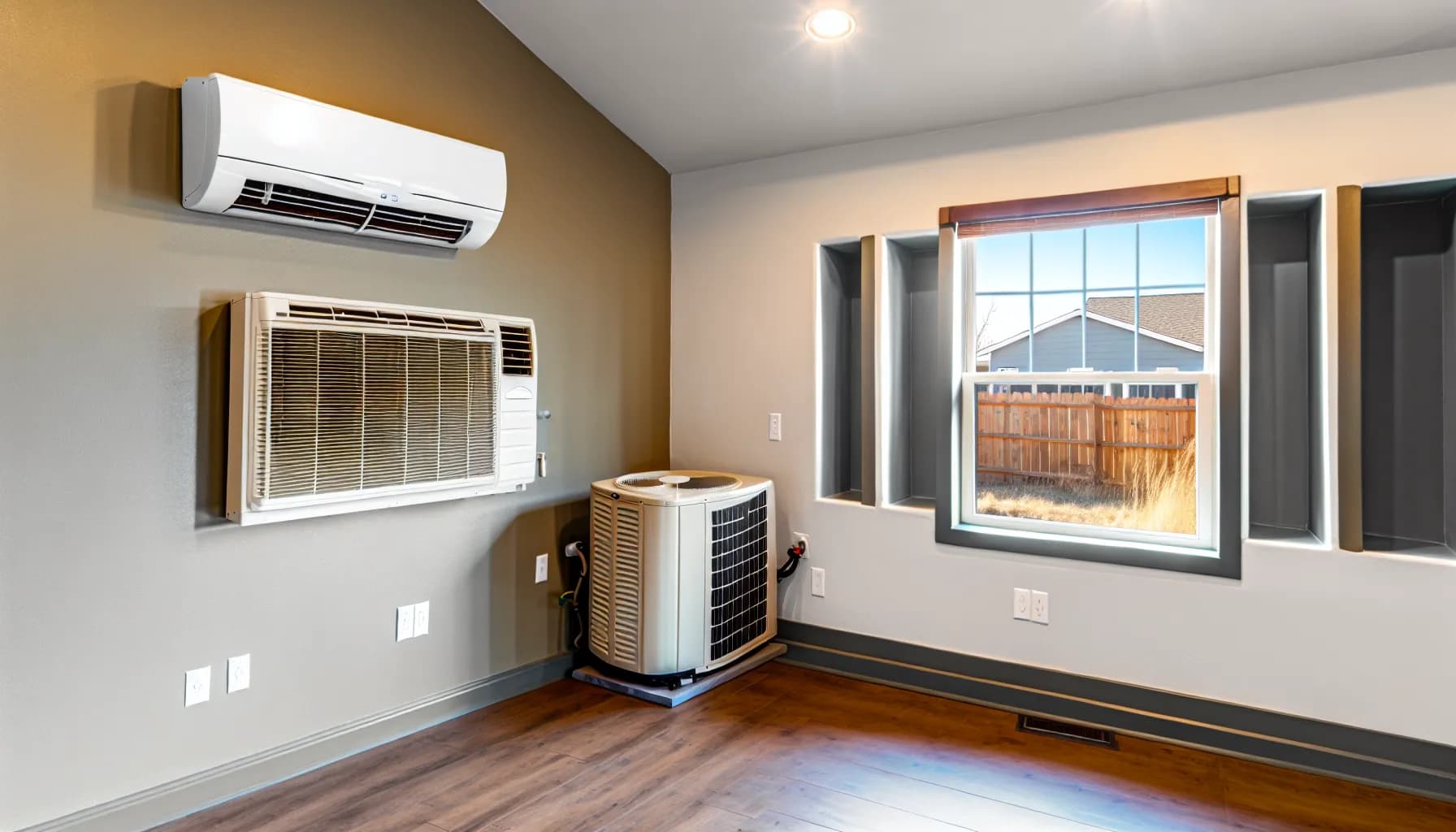
With the old unit out, the new system installation begins. This includes placing the indoor air handler or furnace and installing the outdoor condenser or heat pump (if applicable). Technicians ensure that all equipment is level and properly supported to prevent noise and vibration issues. For example, in a recent Broadmoor Bluffs installation, Alloy’s team custom-built a platform to keep the outdoor unit above snowdrifts and allow for proper drainage.
Connecting Ductwork and Electrical Systems
Proper ductwork connections are crucial for efficient airflow and balanced heating/cooling. Your installer will seal joints, add insulation as needed, and verify that all supply and return ducts are clear. Electrical connections are made to the main panel, and gas lines (for furnaces) are checked for leaks. In newer Colorado Springs homes, this step may include installing a smart thermostat or integrating HVAC controls with home automation systems.
System Testing and Final Inspection
Once everything is connected, the system is thoroughly tested. This includes verifying refrigerant charge, checking for gas leaks, calibrating the thermostat, and confirming proper airflow. Technicians will run the system through heating and cooling cycles to ensure everything works as it should. A final inspection, sometimes required by the city, ensures the installation meets all safety and efficiency standards. Homeowners in Flying Horse have appreciated Alloy’s detailed walkthroughs and explanations at this stage.
What to Expect on Installation Day
Timeline for HVAC Installation
Most residential HVAC installations in Colorado Springs take one to two days. The timeline depends on system complexity, whether old equipment needs removal, and the amount of ductwork modification required. If your project is more involved, such as adding new zones or upgrading electrical panels, your contractor will keep you informed about the timeline and any potential delays.
How to Prepare Your Home
Before installation day, clear a path to the equipment area and ensure there is easy access to attics, basements, or crawl spaces. Move furniture and valuables away from workspaces, and secure pets in a safe area. Some homeowners in Black Forest have found it helpful to cover nearby furniture with plastic to protect from dust. Alloy Heating and Cooling will provide you with specific preparation instructions during your pre-installation call.
Post-Installation Walkthrough
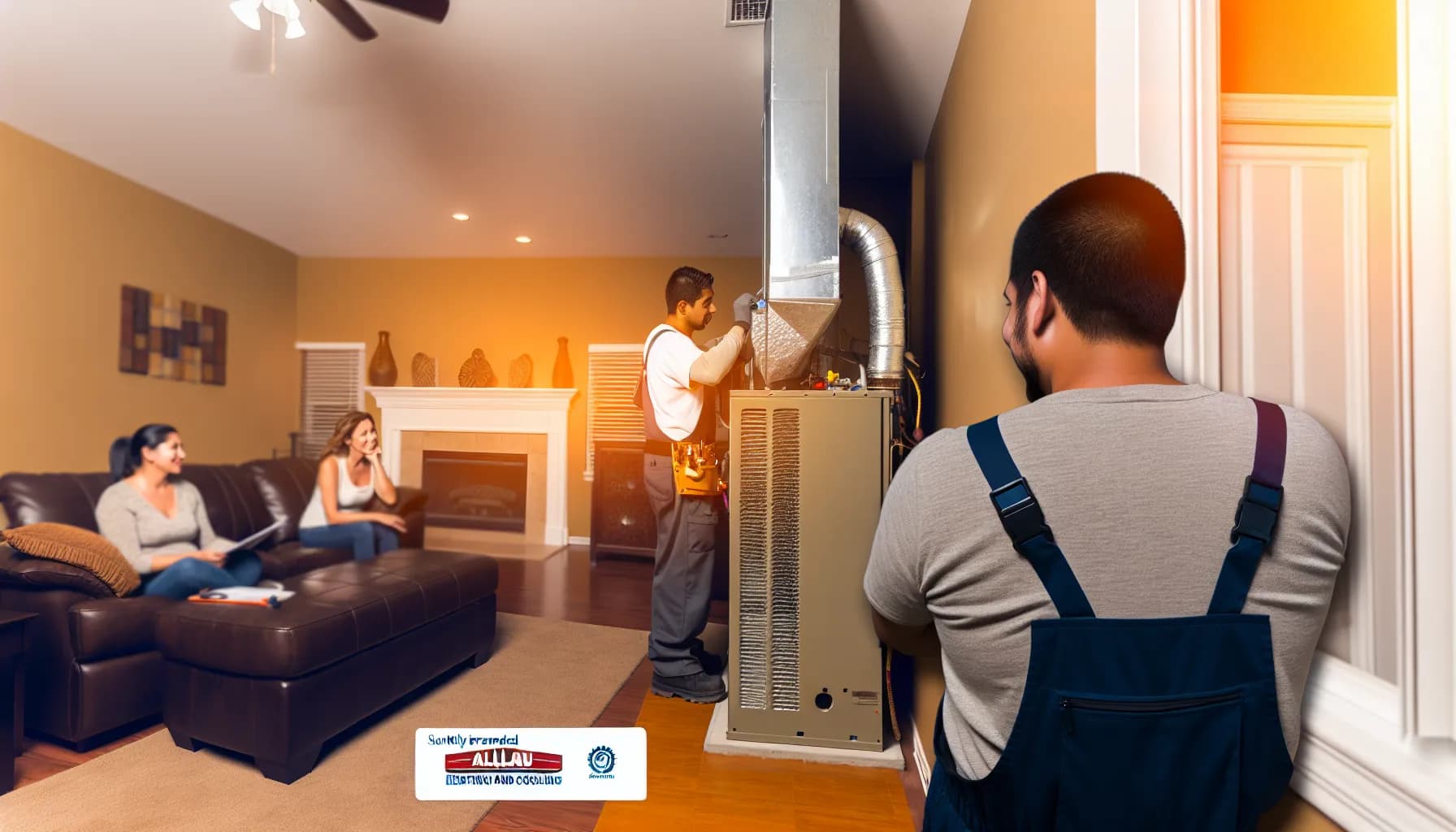
After your new HVAC system is installed, your technician will guide you through a post-installation walkthrough. This includes demonstrating how to operate your new thermostat, reviewing the maintenance schedule, and answering any questions you might have. You will also receive documentation regarding your system’s warranty, efficiency ratings, and any rebates or incentives available to Colorado Springs homeowners.
Aftercare and Maintenance for Your New HVAC System
Recommended Maintenance Schedule
Regular maintenance is essential to keep your HVAC system running efficiently and prolong its lifespan. Alloy Heating and Cooling recommends scheduling professional maintenance twice a year , once before the heating season and once before cooling season begins. Your technician will inspect, clean, and tune up your system, catching small issues before they become costly repairs. For example, a homeowner in Northgate who enrolled in a maintenance plan saw a 15% reduction in energy bills and fewer emergency repairs over several years.
Tips for Maximizing System Efficiency in Colorado Springs
- Change your air filters every one to three months. Homes near open space or with pets may require more frequent changes.
- Keep supply and return vents clear of furniture and drapes to maintain airflow.
- Seal and insulate ductwork, especially in unconditioned spaces like attics or crawl spaces.
- Use a programmable or smart thermostat to avoid unnecessary heating or cooling when you are away.
- Schedule annual inspections to keep your warranty valid and maximize system performance.
By following these tips and working with a trusted local contractor, you’ll enjoy consistent comfort, lower energy bills, and peace of mind for years to come.
Frequently Asked Questions
How long does residential HVAC installation take in Colorado Springs?
Most standard residential HVAC installations in Colorado Springs take one to two days, depending on system complexity and whether old equipment needs to be removed.
What HVAC system size do I need for my Colorado Springs home?
A professional HVAC contractor will conduct a load calculation to determine the correct system size, considering your home’s square footage, insulation, and Colorado Springs climate.
Do I need permits for HVAC installation in Colorado Springs?
Yes, most HVAC installations in Colorado Springs require permits. Licensed HVAC contractors typically handle the permitting process for you.
How can I prepare my home for HVAC installation?
Clear the installation area, secure pets, and make sure there is easy access to all workspaces. Your installer may provide specific instructions before the appointment.
What should I expect in terms of cost for HVAC installation in Colorado Springs?
Costs vary based on system type and home requirements, but residential HVAC installation in Colorado Springs typically ranges from $5,000 to $12,000. Request a detailed estimate from your contractor.

Alloy HVAC Team
HVAC experts with years of experience in the industry. We share tips, insights, and the latest trends in heating, ventilation, and air conditioning to help you maintain optimal comfort in your home or business.