Ductless Mini Split Installation: Is It Right for Your Colorado Home?
Ductless Mini Split Installation: Is It Right for Your Colorado Home?
As energy efficiency and home comfort become bigger priorities for Colorado homeowners, many are turning to ductless mini split systems as an alternative to traditional forced-air HVAC setups. But is a ductless mini split the right solution for your Greenwood Village, Littleton, Aurora, or Denver area home? At Alloy Heating and Cooling, we have installed hundreds of these systems across the Front Range and can help you understand their benefits, ideal applications, and what to expect from installation and maintenance.
What Is a Ductless Mini Split System?
How Ductless Mini Splits Work
Ductless mini splits offer a flexible, energy-efficient way to heat and cool your home without the need for bulky ductwork. The system consists of an outdoor compressor unit and one or more indoor air handlers. These units are connected by refrigerant lines and electrical wiring, allowing for direct climate control in specific rooms or zones.
Unlike traditional central HVAC systems, ductless mini splits deliver conditioned air directly into the living space. This setup is especially useful for older homes without existing ductwork, room additions, finished basements, or spaces that always seem too hot or too cold.
Components of a Ductless System
- Outdoor unit (compressor): Sits outside the home, typically on a concrete pad or wall bracket. This unit houses the compressor and condenser.
- Indoor air handler(s): Mounted on walls or ceilings in the rooms you want to heat or cool. Each unit has its own thermostat and fan.
- Refrigerant lines and wiring: Connect the indoor and outdoor units through a small opening in the wall, minimizing disruption to your home’s structure.
Benefits of Installing a Ductless Mini Split in Colorado
Energy Efficiency Advantages
One of the main reasons Colorado homeowners choose ductless mini splits is energy savings. These systems use inverter-driven compressors that adjust speed based on demand, which reduces energy waste. According to the U.S. Department of Energy, duct losses can account for more than 30% of energy consumption in traditional forced-air systems. Eliminating ducts means ductless mini splits deliver more of your heating and cooling dollars directly where you need them.
For example, a Littleton homeowner who recently upgraded from electric baseboard heaters to a ductless mini split reported a noticeable drop in monthly energy bills, especially during the peak winter and summer months.
Zoned Heating and Cooling
Each indoor unit in a ductless mini split system can be controlled independently. That means you can keep the living room cool while saving energy in rarely used guest rooms. Zoned comfort is ideal for multi-level homes in Highlands Ranch, or for finished basements in Castle Rock that need separate temperature control from the rest of the house.
Improved Indoor Air Quality
Ductless systems have advanced filtration that reduces allergens, dust, and other airborne particles. Since there are no ducts to collect pollen or pet dander, homeowners in areas like Parker and Boulder often notice cleaner, fresher air after making the switch. This benefit is especially valuable for families with asthma or allergy concerns.
Is a Ductless Mini Split Right for Your Colorado Home?
Ideal Home Types and Applications
- Older homes without existing ductwork: Perfect for historic homes in Denver or Golden where installing ducts would be costly or disruptive.
- Room additions and remodels: Great for sunrooms, garages, or finished attics in Arvada or Wheat Ridge where extending the central HVAC is impractical.
- Homes with hot or cold spots: If certain rooms never seem comfortable, a mini split can provide targeted relief.
- Small businesses and offices: Many local businesses in Centennial and Lone Tree use mini splits to control temperatures in server rooms or office suites.
Climate Considerations in Colorado
Colorado’s variable climate, with hot, sunny summers and chilly winters, demands a system that can perform year-round. Modern ductless mini splits are designed to operate efficiently in temperatures as low as -13°F. Many models offer both heating and cooling, making them suitable for homes in the foothills of Evergreen or the plains of Brighton alike.
Comparing Ductless Mini Splits to Traditional HVAC
- Installation: Ductless systems require less invasive installation than central HVAC or baseboard heaters.
- Efficiency: No duct losses means higher overall efficiency.
- Upfront cost: Initial investment can be higher than window ACs but often less than installing new ductwork.
- Flexibility: Easily expanded for future renovations or added rooms.
Ductless Mini Split Installation Process
Site Assessment and System Sizing
A professional installer, like Alloy Heating and Cooling, will begin with a thorough site assessment. This includes evaluating insulation, square footage, window placement, and your comfort goals. Proper sizing is crucial, an undersized system will struggle, while an oversized one can cycle too frequently, wasting energy.
Installation Steps
- Mounting the indoor air handler(s), typically high on an interior wall.
- Placing the outdoor compressor unit in a suitable location, avoiding direct sun or snow drifts.
- Drilling a small hole for refrigerant lines and wiring between the indoor and outdoor units.
- Connecting and sealing all components, then charging the system with refrigerant.
- Testing the system and calibrating each zone for optimal comfort.
Most single-zone installations in homes from Centennial to Broomfield can be completed in a single day. Multi-zone projects may require additional time.
Professional vs. DIY Installation
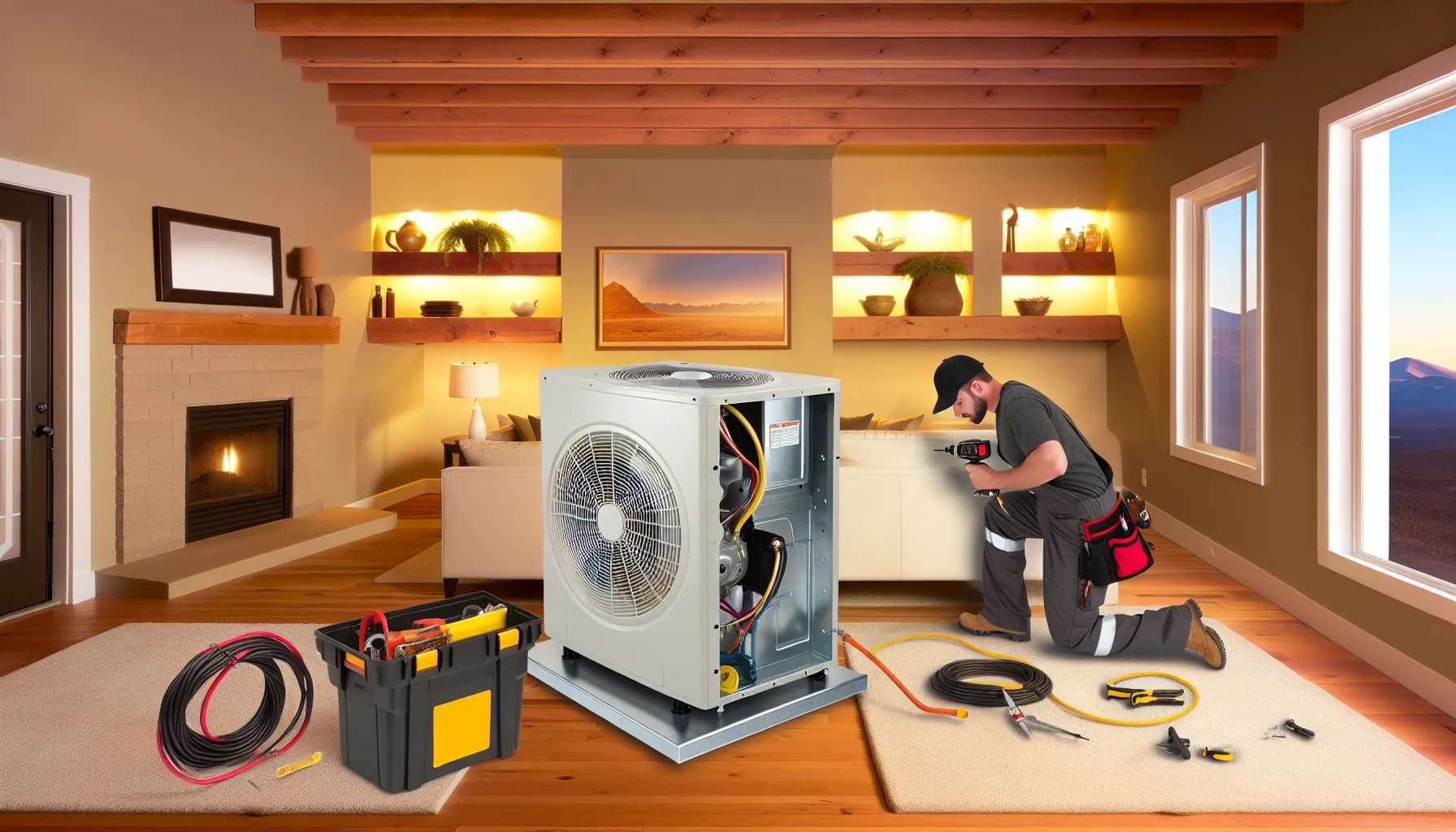
While some homeowners are tempted by DIY mini split kits, professional installation is strongly recommended. Proper refrigerant handling, electrical work, and system sizing all impact performance, safety, and warranty coverage. At Alloy Heating and Cooling, our certified technicians ensure your new mini split system is installed to manufacturer and code standards.
Maintenance and Longevity of Ductless Mini Splits
Routine Maintenance Tasks
- Clean or replace air filters every 1-3 months, especially during heavy use.
- Wipe down indoor unit surfaces to prevent dust buildup.
- Keep the outdoor unit clear of leaves, snow, and debris to maintain airflow.
- Schedule annual professional maintenance to check refrigerant levels, electrical connections, and overall system operation.
Troubleshooting Common Issues
Common issues include reduced airflow, ice buildup on the outdoor unit, or error codes. Many can be avoided with regular filter changes and seasonal tune-ups. If you notice persistent problems, such as water leaks or unusual noises, call Alloy Heating and Cooling for a prompt inspection.
Expected Lifespan
With regular maintenance, ductless mini splits can last 15-20 years. Many Colorado homeowners find their systems running efficiently well beyond that, especially when professionally installed and serviced.
Whether you’re renovating an older home in Lakewood, adding comfort to a Boulder sunroom, or wanting to save on energy bills in Parker, ductless mini splits offer a smart, flexible, and efficient solution. Contact Alloy Heating and Cooling today for a personalized assessment and see if a ductless mini split is right for your Colorado home.
Frequently Asked Questions
How much does it cost to install a ductless mini split in Colorado?
The cost of installing a ductless mini split in Colorado typically ranges from $3,000 to $7,000 per zone, depending on the size, brand, and installation complexity. Multiple zones and additional features may increase the price.
Are ductless mini splits energy efficient in Colorado’s climate?
Yes, ductless mini splits are highly energy efficient and can handle Colorado’s variable climate. Many models function efficiently in both hot summers and cold winters, making them a great fit for Colorado homes.
Can a ductless mini split heat and cool my entire home?
Ductless mini splits can heat and cool individual rooms or zones. For whole-home coverage, multiple indoor units may be required, which can be connected to a single outdoor unit for comprehensive climate control.
How long does it take to install a ductless mini split system?
Professional installation of a single-zone ductless mini split typically takes one day. Multi-zone systems may require additional time depending on the complexity and number of units.
What maintenance is required for a ductless mini split?
Regular maintenance includes cleaning or replacing filters, checking refrigerant levels, and clearing debris from the outdoor unit. Annual professional servicing ensures optimal performance and longevity.

Alloy HVAC Team
HVAC experts with years of experience in the industry. We share tips, insights, and the latest trends in heating, ventilation, and air conditioning to help you maintain optimal comfort in your home or business.