Ductless Mini Split vs. Central Air: Which Cooling Installation is Best for Colorado Homes?
Choosing the right cooling system for your Colorado home is an important decision that impacts your comfort, energy bills, and the value of your property. At Alloy Heating and Cooling, we regularly help homeowners from Greenwood Village to Boulder weigh the pros and cons of ductless mini split systems versus traditional central air conditioning. Both options have unique benefits and are well-suited to different types of homes and families. Let’s explore the differences, advantages, and considerations specific to Colorado’s climate and housing stock.
Understanding Ductless Mini Split Systems
What Is a Ductless Mini Split?
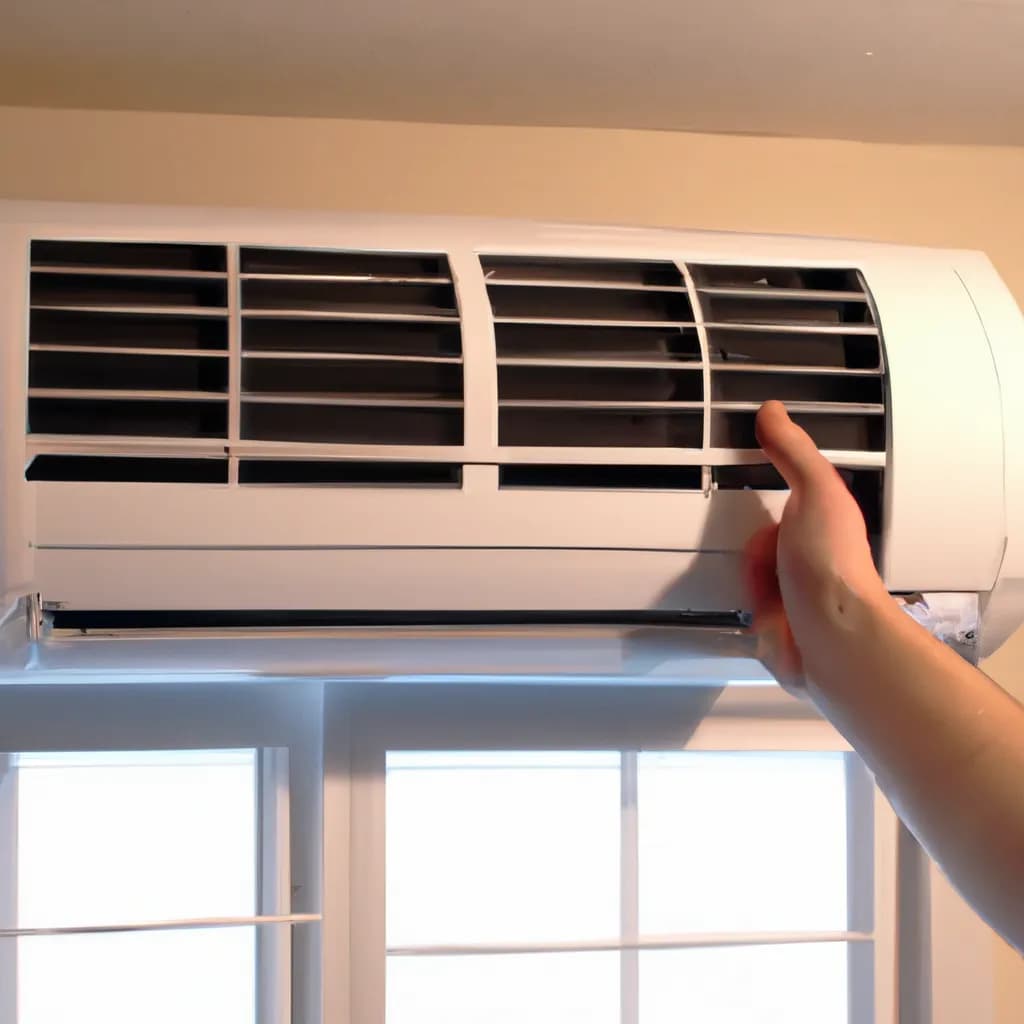
A ductless mini split is a modern cooling and heating system that does not require traditional ductwork. It consists of an outdoor compressor and one or more indoor air-handling units, connected by small refrigerant lines. You may see these mounted high on a wall or ceiling in bedrooms, living rooms, or additions. Mini splits are designed for flexibility and can cool or heat individual rooms or zones.
How Ductless Mini Splits Work
Mini splits transfer heat using refrigerant. In cooling mode, they absorb heat from the indoor air and release it outdoors. In heating mode (most are heat pumps), they reverse the process to bring warmth inside. Each indoor unit operates independently, controlled by its own remote or wall thermostat. This zoned approach is ideal for homes with rooms that are used at different times, such as finished basements or home offices.
Pros and Cons of Ductless Mini Splits
- Pros: High energy efficiency, zoned temperature control, easy installation (no ducts needed), quiet operation, heating and cooling in one system.
- Cons: Higher upfront cost per zone compared to adding a central air system to existing ductwork, aesthetic impact of wall units, may require more than one unit for large homes.
For example, a homeowner in Centennial wanted to add AC to their older home with radiant heat and no ductwork. Installing a ductless mini split allowed them to cool the main living areas and bedrooms without invasive renovations.
Central Air Conditioning Systems Explained
How Central Air Conditioning Works
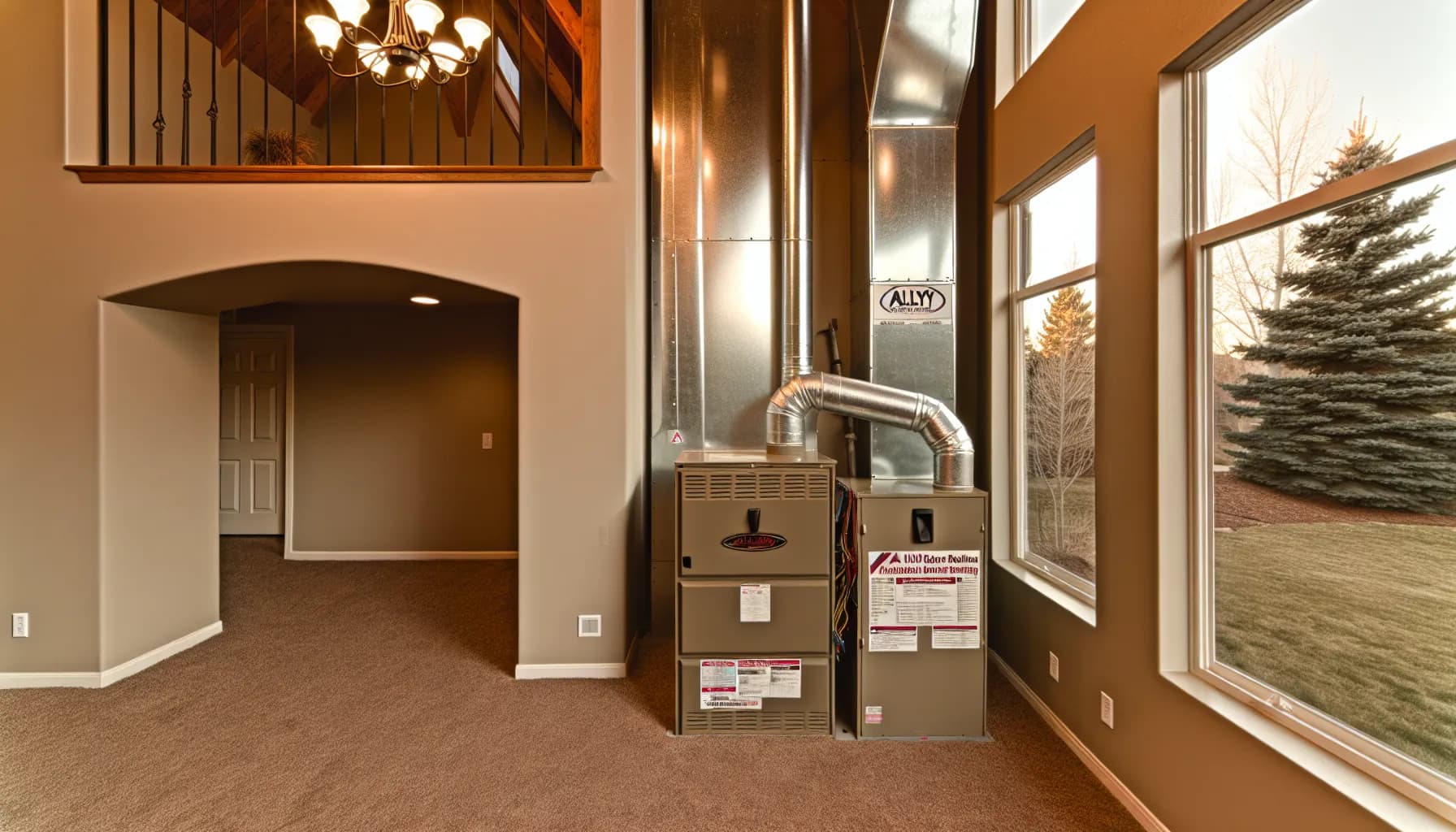
Central air conditioning uses a large outdoor unit (condenser) and an indoor evaporator coil connected to your home’s ductwork. Cooled air is distributed through ducts to each room, regulated by a central thermostat. Central air is often installed alongside a furnace using shared ducts for year-round comfort.
Benefits and Drawbacks of Central Air Systems
- Benefits: Even cooling throughout the home, invisible operation (all components hidden except vents), typically lower cost for whole-home cooling if ducts already exist.
- Drawbacks: Duct losses can reduce efficiency, expensive or impractical to install in homes without existing ductwork, less flexibility for zoned control.
For instance, a family in Highlands Ranch with a newer home and existing ductwork found that upgrading their central air system improved comfort and efficiency without major remodeling.
Key Differences Between Ductless Mini Split and Central Air
Installation Process and Costs
Central air is simpler and more cost-effective if your home already has ducts. Adding ductwork to an older home, however, can be invasive and expensive. Ductless mini splits only require small holes for refrigerant lines, making them ideal for historic homes, additions, or rooms that need targeted cooling. In Colorado, ductless installation typically costs $3,000 to $7,000 per zone. Central air installations range from $4,500 to $8,500 for homes with existing ducts, with costs increasing significantly if ducts must be added.
Energy Efficiency Comparison
Ductless mini splits are generally more efficient because they avoid duct losses, which can account for up to 30% of energy use in traditional systems. Zoned controls also mean you only cool the rooms you use. Central air can be efficient with proper insulation and well-sealed ducts, but whole-home cooling may lead to higher utility bills, especially during Colorado’s hottest months.
Maintenance Requirements
Central air systems require regular duct cleaning and filter changes to prevent dust and allergens. Ductless mini splits need filter cleaning and periodic professional servicing, but there are no ducts to maintain. Both systems should be checked annually by a professional for optimal performance, especially before summer in Colorado’s Front Range.
Aesthetic and Space Considerations
Central air is nearly invisible, with only small vents visible in each room. Ductless mini splits have visible indoor units, which may be a concern for some homeowners. However, newer mini split models feature sleek, compact designs that blend into many interiors. For tight spaces or rooms without attic or basement access, mini splits are often the best choice.
Which Cooling System Suits Colorado Homes Best?
Colorado’s Unique Climate and Cooling Needs
Colorado’s climate is known for hot, dry summers and cool nights, with wide temperature swings. Efficient cooling is important, but so is the ability to heat during chilly evenings. Mini splits excel here, offering both heating and cooling in one system. Central air provides robust cooling across large homes, especially when paired with a high-efficiency furnace for winter.
Performance in Colorado’s High Altitude
Colorado’s elevation from Denver to Monument means thinner air, which can impact HVAC performance. Modern mini splits and central air systems are designed to operate efficiently at high altitude, but it’s important to size equipment properly. At Alloy Heating and Cooling, we always account for altitude when recommending system capacity for your home.
Zoning and Temperature Control Options
Ductless mini splits provide true zoned comfort, perfect for homes with unused guest rooms, sunrooms, or finished basements. Central air can offer some zoning through advanced thermostats and dampers, but usually not as precisely as mini splits. Many Colorado homeowners choose ductless systems for additions or areas with unique temperature needs.
Factors to Consider When Choosing Your Cooling System
Budget and Upfront Costs
Consider your budget and how much of your home you want to cool. Mini splits cost more per zone but save on ductwork. Central air is more affordable for whole-home cooling in ducted homes.
Home Size and Layout
Large, open homes often benefit from central air. Smaller homes, split-levels, and additions are great candidates for mini splits. If you have rooms that are rarely used, a mini split can help you save by only cooling the spaces you need.
Existing Ductwork and Home Age
If your home already has ducts in good condition, central air is usually the most straightforward upgrade. Older homes without ducts or with radiant/baseboard heat are perfect for ductless systems.
Long-Term Savings and Incentives
Ductless mini splits often qualify for energy rebates from Xcel Energy and federal tax credits, thanks to their efficiency. Central air systems with high SEER ratings may also qualify. Over time, ductless systems can deliver lower energy bills due to targeted cooling and heating.
Conclusion: Ductless Mini Split vs. Central Air for Colorado Homes
Both ductless mini splits and central air conditioning offer reliable comfort for Colorado homeowners. The best choice depends on your home’s layout, existing infrastructure, family needs, and budget. At Alloy Heating and Cooling, we help you evaluate your options with a personal consultation and detailed cost-benefit analysis. Whether you live in Littleton, Golden, or Boulder, our team ensures your new system is tailored for Colorado’s climate and your comfort all year long.
Frequently Asked Questions
Are ductless mini splits more energy efficient than central air systems?
Yes, ductless mini splits are generally more energy efficient because they avoid duct losses and allow for zoned cooling, which is especially beneficial for Colorado homes with varying room usage.
How much does it cost to install a ductless mini split in Colorado?
The average cost to install a ductless mini split in Colorado ranges from $3,000 to $7,000 per zone, depending on the brand, capacity, and complexity of the installation.
Can ductless mini splits provide heating as well as cooling?
Yes, most ductless mini splits are heat pumps and can provide both heating and cooling, making them a versatile option for Colorado’s variable climate.
Do I need existing ductwork to install a ductless mini split system?
No, ductless mini splits do not require existing ductwork, making them ideal for older Colorado homes or additions where adding ducts would be difficult or expensive.
Which system is quieter: ductless mini split or central air?
Ductless mini splits are typically quieter than central air systems because the noisiest components are located outside, and the indoor units operate at a low sound level.

Alloy HVAC Team
HVAC experts with years of experience in the industry. We share tips, insights, and the latest trends in heating, ventilation, and air conditioning to help you maintain optimal comfort in your home or business.