How to Qualify for HVAC Rebates and Incentives in Colorado
How to Qualify for HVAC Rebates and Incentives in Colorado
Upgrading your home’s heating and cooling system is a significant investment, but for Colorado homeowners and small business owners, there are plenty of ways to make it more affordable. Across Greenwood Village, Englewood, Littleton, Aurora, Denver, and surrounding communities, HVAC rebates and incentives are available to help you save money while improving comfort and energy efficiency. This comprehensive guide from Alloy Heating and Cooling explains how HVAC rebates work, what programs are available, and how you can qualify for maximum savings.
Understanding HVAC Rebates and Incentives in Colorado
What Are HVAC Rebates and Incentives?
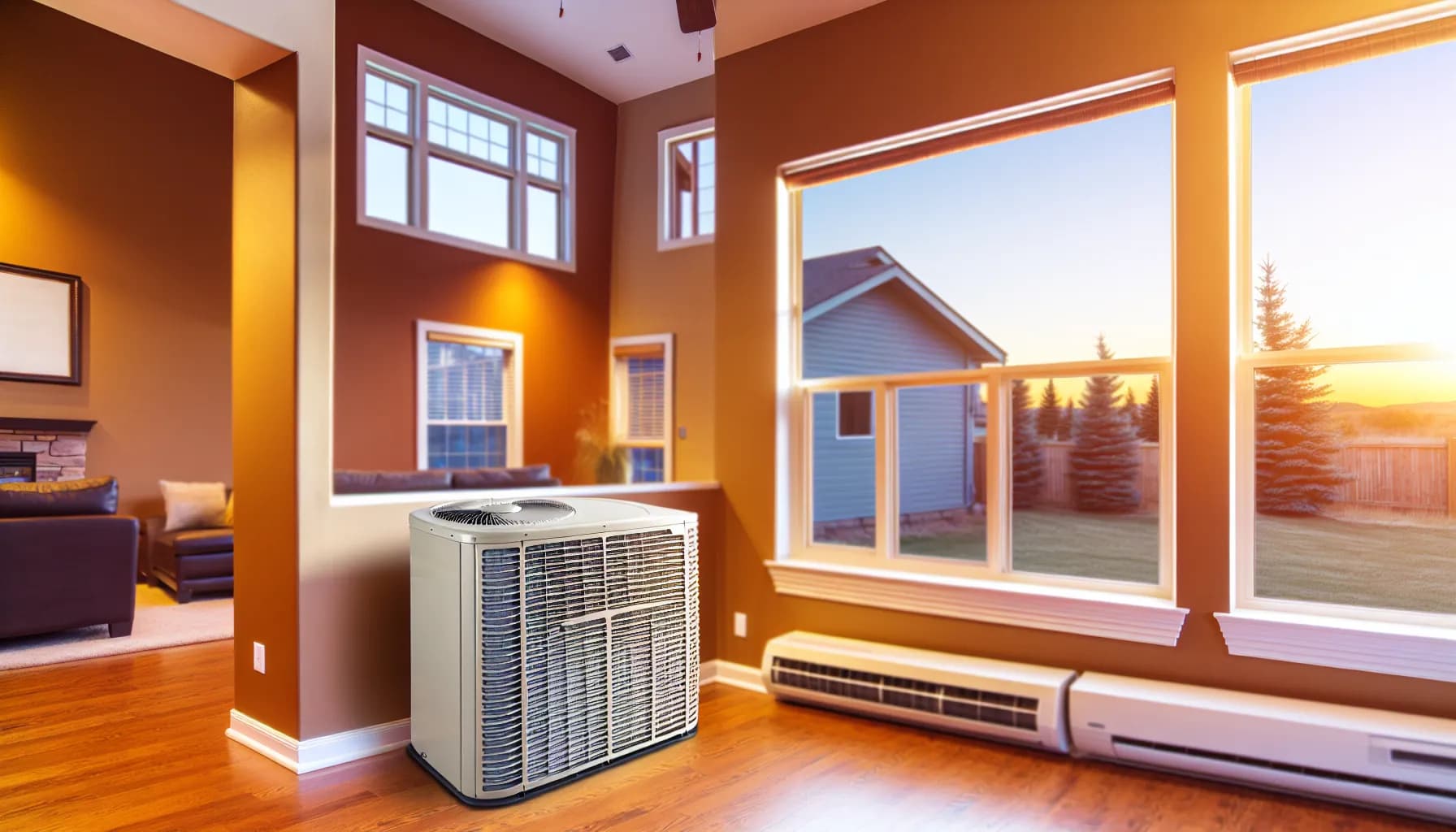
HVAC rebates and incentives are financial rewards offered by utility companies, state agencies, manufacturers, and dealers to encourage the installation of energy-efficient heating and cooling equipment. These programs help offset the upfront costs of purchasing and installing high-efficiency furnaces, air conditioners, heat pumps, smart thermostats, and other qualifying products.
For example, a homeowner in Highlands Ranch who replaces an outdated furnace with a modern, ENERGY STAR®-certified model may receive a rebate directly from their utility provider. Similarly, a small business in Centennial might qualify for a federal tax credit when installing a qualifying rooftop heat pump system.
Why Colorado Offers HVAC Rebates
Colorado’s climate brings cold winters and hot summers, making energy-efficient HVAC systems essential for comfort and cost control. To reduce energy demand, lower utility bills, and minimize environmental impact, Colorado utilities and agencies offer incentives to promote the adoption of high-efficiency equipment. These programs support the state’s broader goals for sustainability, energy conservation, and air quality improvement.
Types of HVAC Rebates and Incentives Available
Utility Company Rebates
Most Colorado residents and businesses are eligible for utility-sponsored rebates. Xcel Energy, Black Hills Energy, United Power, and other providers often offer rebates on qualifying HVAC products. These rebates are typically available for:
- High-efficiency furnaces
- Central air conditioners
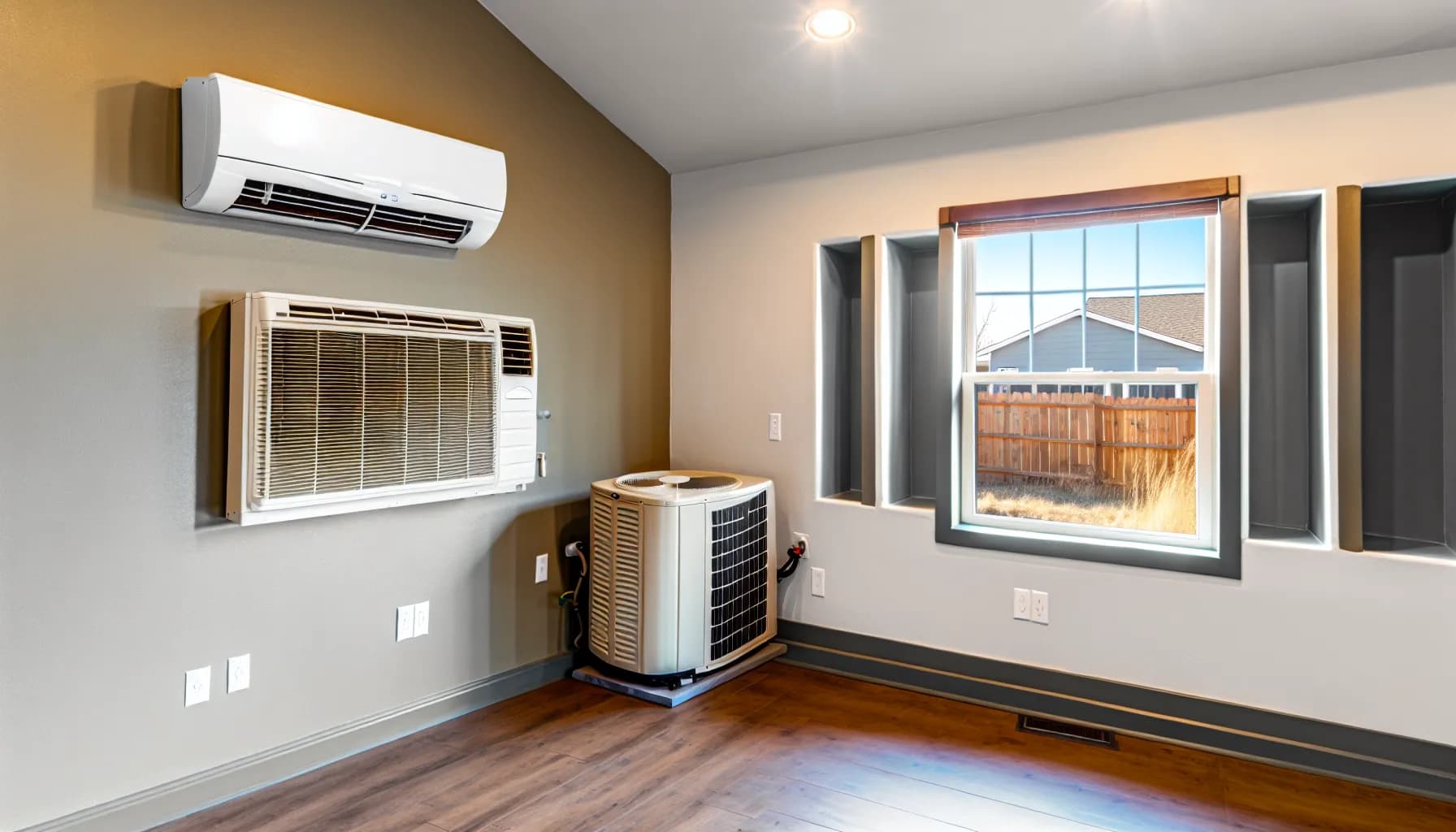
- Heat pumps (including ductless mini-splits)
- Smart thermostats
For example, a Greenwood Village homeowner who installs a qualifying air-source heat pump could receive a rebate of $500 or more from their utility. Likewise, a small café in Littleton might get a rebate for upgrading to a smart thermostat that helps manage energy usage more efficiently.
State and Federal Incentives
Beyond local utilities, the State of Colorado and the federal government offer additional incentives:
- The Colorado Energy Office sometimes provides grants or rebates for residential and commercial energy upgrades, including HVAC systems.
- The Inflation Reduction Act (IRA) expanded federal tax credits for qualifying HVAC systems, heat pumps, and insulation projects. Homeowners may claim a percentage of the installation cost as a tax credit, reducing their federal tax bill.
- The High-Efficiency Electric Home Rebate Program (expected to launch soon) will provide upfront discounts for low- and moderate-income households installing high-efficiency electric appliances, including heat pumps.
Manufacturer and Dealer Promotions
Major HVAC manufacturers such as Lennox, Trane, Carrier, or Rheem occasionally offer seasonal rebates or instant discounts for purchasing select high-efficiency models. Local HVAC contractors, like Alloy Heating and Cooling, may also have exclusive dealer promotions or financing offers that can further reduce your total project cost.
Eligibility Requirements for HVAC Rebates in Colorado
Qualifying HVAC Systems and Equipment
To qualify for most rebates, your new HVAC equipment must meet specific energy efficiency standards, often verified by ENERGY STAR® certification or a minimum Seasonal Energy Efficiency Ratio (SEER) or Annual Fuel Utilization Efficiency (AFUE) rating. For instance, Xcel Energy may require air conditioners to have a SEER2 rating of 16.0 or higher, or gas furnaces to achieve an AFUE of 95% or better.
Heat pumps, especially those designed for cold climates, often qualify for additional incentives. Smart thermostats usually need to be compatible with your utility’s demand response program to be eligible.
Homeowner and Property Criteria
Eligibility often depends on property type and location. Most rebates are available for:
- Owner-occupied single-family homes
- Rental properties (with owner approval)
- Small businesses and commercial properties
Some programs may have income requirements, especially for state or federal incentive programs focused on low- to moderate-income households. Always check the program details, as rebates may not be available for new construction or properties outside the utility’s service area.
Installation and Contractor Requirements
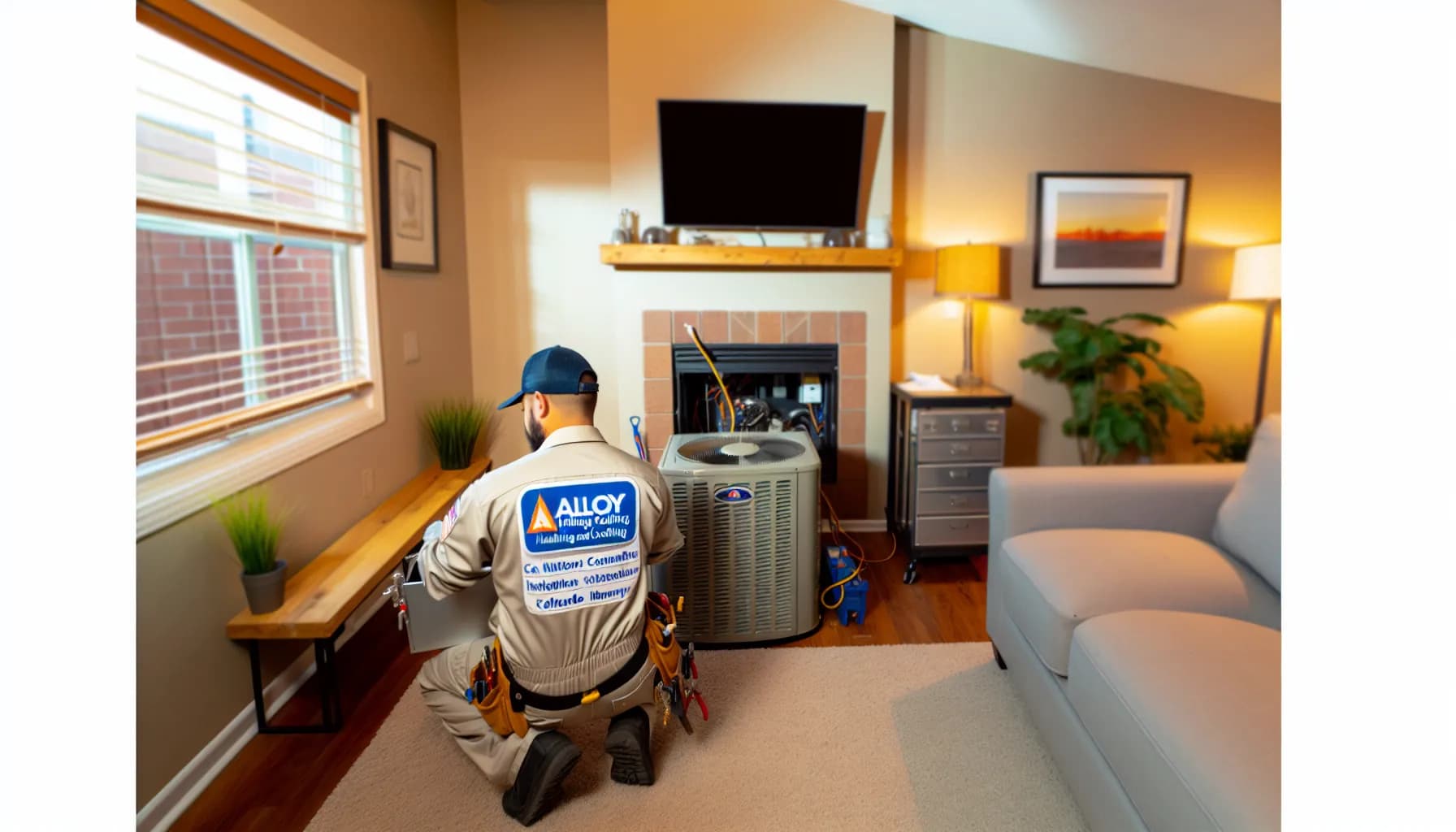
Nearly all rebate programs require that qualifying equipment is installed by a licensed, certified HVAC contractor. This ensures proper installation and equipment performance. For example, a family in Castle Rock replacing their furnace will need to work with a contractor who provides proof of licensing and submits installation documentation to the utility or rebate provider.
DIY installations typically do not qualify. Some programs also require an on-site inspection or post-installation verification before issuing the rebate.
Steps to Apply for HVAC Rebates and Incentives
Gathering Required Documentation
Before applying, gather essential documents, including:
- Proof of purchase (invoice or receipt)
- Equipment model and serial numbers
- Proof of installation by a certified contractor
- Completed rebate application forms
- Utility account number, if applicable
For example, a homeowner in Parker upgrading to a high-efficiency air conditioner should ensure the invoice lists the model number and efficiency rating, and the contractor provides all necessary paperwork for rebate submission.
Completing the Application Process
Most utility and state rebate programs offer online and mail-in applications. Carefully follow the instructions, attach all required documents, and double-check that information matches utility records. Missing details are a common reason for delays or denials.
Your HVAC contractor can often assist with the paperwork, and some even submit applications on your behalf. For instance, Alloy Heating and Cooling regularly helps clients in Lakewood and Aurora navigate the application process to maximize their rebate potential.
Timeline and Approval Process
After submission, rebate approval typically takes 4 to 12 weeks, depending on the program. You may receive your rebate as a check, utility bill credit, or as an instant discount at the time of sale. Federal tax credits are claimed when you file your annual income taxes, so keep all relevant documentation for your records.
Some programs perform a post-installation inspection to verify equipment and installation quality. For example, a business in Boulder that installed a new rooftop unit may need to schedule a utility inspection before receiving its rebate check.
Tips to Maximize Your HVAC Savings
Combine Multiple Incentives
Many homeowners and businesses in Colorado can stack multiple rebates and incentives, such as:
- Utility rebate + state program + federal tax credit
- Manufacturer rebate + dealer promotion + utility rebate
For example, a homeowner in Evergreen might receive an Xcel Energy rebate for a heat pump, combine it with a federal tax credit under the Inflation Reduction Act, and benefit from a manufacturer’s seasonal discount. Combining these offers can reduce total upgrade costs by thousands of dollars.
Work With Certified Contractors
Always choose a licensed and certified contractor to ensure your installation meets rebate eligibility requirements. Certified contractors are familiar with current incentive programs and can guide you through the process. They help avoid costly mistakes, ensure compliance, and often streamline the paperwork for you.
Stay Updated on New Programs
Rebate and incentive programs change frequently. New funding, updated energy standards, or the introduction of new technologies can create additional savings opportunities. Check your utility’s website, the Colorado Energy Office, or consult with Alloy Heating and Cooling for the latest program details. Signing up for email alerts or newsletters is a great way to stay informed.
Real-World Example: A family in Westminster recently upgraded their 20-year-old furnace to a qualifying high-efficiency model. By working with Alloy Heating and Cooling, they received a $600 utility rebate, a $200 manufacturer discount, and claimed a $1,200 federal tax credit during tax season. The final cost of their project was cut nearly in half, and their monthly energy bills dropped by 25%.
Conclusion
Investing in a new HVAC system is one of the best ways to improve comfort, reduce energy bills, and increase the value of your Colorado home or business. By understanding how rebates and incentives work, knowing the eligibility requirements, and working with a trusted contractor like Alloy Heating and Cooling, you can make the most of these valuable programs.
Ready to upgrade your heating and cooling? Contact Alloy Heating and Cooling today for a free consultation. We serve Greenwood Village, Englewood, Littleton, Aurora, Denver, and the entire Front Range. Our team will help you find the best system for your needs and maximize every available rebate and incentive.
Frequently Asked Questions
What types of HVAC systems qualify for rebates in Colorado?
Most rebates and incentives in Colorado cover high-efficiency furnaces, air conditioners, heat pumps, and smart thermostats that meet specific energy standards. Always check the specific requirements of each program.
Can I combine state, utility, and federal HVAC incentives?
Yes, in many cases you can stack multiple incentives to maximize your savings. Review the terms of each rebate or incentive program to ensure eligibility for combined benefits.
Do I need to use a certified contractor to qualify for rebates?
Most programs require installation by a licensed or certified HVAC contractor. Check with the rebate provider for their specific contractor requirements.
How long does it take to receive HVAC rebate approval in Colorado?
Approval and payment timelines vary by program, but most utility and state rebates are processed within 4-12 weeks after submission of all required documentation.
Where can I find current HVAC rebates and incentives in Colorado?
You can find up-to-date information on utility company websites, the Colorado Energy Office, and the Database of State Incentives for Renewables & Efficiency (DSIRE).

Alloy HVAC Team
HVAC experts with years of experience in the industry. We share tips, insights, and the latest trends in heating, ventilation, and air conditioning to help you maintain optimal comfort in your home or business.