What Causes HVAC Systems to Leak Water? Troubleshooting for Colorado Homeowners
Few things are as concerning as finding a puddle of water around your HVAC unit. Water leaks can catch Colorado homeowners off guard, especially given our typically dry climate. Yet, even in places like Greenwood Village, Littleton, or Boulder, HVAC leaks are not uncommon. Understanding what causes your HVAC system to leak water is essential for protecting your home, ensuring comfort, and avoiding costly repairs. In this comprehensive guide from Alloy Heating and Cooling, we’ll walk you through why HVAC leaks occur, how to troubleshoot them, and how to prevent future issues.
Understanding Why Your HVAC Is Leaking Water
How HVAC Systems Remove Moisture
To understand leaks, it helps to know how HVAC systems handle moisture. Central air conditioners and high-efficiency furnaces often produce water as a byproduct of their operation. When your air conditioner runs, it pulls humidity from the air inside your home. This moisture condenses on the cold evaporator coil and drips down into a drain pan. From there, it travels through a condensate drain line to the outside or into your home’s plumbing.
Even in Colorado’s dry air, your HVAC unit still condenses some water, especially during summer monsoon season or when heating and cooling cycles cause moisture to collect. If any part of this drainage process fails, water can leak from the unit.
Common Signs of HVAC Water Leaks
- Water pooling around your indoor HVAC unit or furnace
- Visible dripping or dampness in your utility closet or basement
- Unusual musty odors near the system (a sign of mold or mildew)
- Sound of water dripping inside the unit
- Sudden spike in indoor humidity or a decrease in system performance
Real-world scenario: A homeowner in Highlands Ranch noticed a persistent puddle next to their AC unit. They initially thought it was from a spilled drink but soon realized it kept returning after each cooling cycle. A professional inspection revealed a clogged condensate drain line causing the overflow.
Top Causes of HVAC Leaking Water in Colorado Homes
Clogged Condensate Drain Line
The most common cause of HVAC water leaks is a clogged condensate drain line. Over time, dust, dirt, algae, and even small insects can build up inside the narrow drainpipe. When this happens, water backs up into the drain pan and eventually overflows. In Colorado, where airborne dust can be significant in spring and fall, this is a frequent issue.
Dirty or Damaged Air Filter
Air filters are your first line of defense against dust and debris entering your HVAC system. When the filter becomes clogged, it restricts airflow across the evaporator coil. This can cause the coil to freeze, and when it thaws, excess water may overwhelm the drain pan, resulting in leaks. In areas like Parker or Aurora, where new construction and windstorms stir up extra dust, filter checks are especially important.
Frozen Evaporator Coil
Low refrigerant levels, restricted airflow, or dirty coils can cause your evaporator coil to drop below freezing. Ice forms and, when it melts, the excess water can’t drain fast enough. This is a common issue in homes where the HVAC system runs constantly or is oversized for the space. A Denver homeowner reported water leaking after a cold snap, only to find a frozen coil was the culprit.
Broken Condensate Pump
Some HVAC systems, especially those in basements or below-grade spaces, use a condensate pump to move water uphill to a drain. If the pump fails due to age, electrical issues, or clogging, water will back up and leak around the unit. Regular testing of the pump is crucial for homes in Castle Rock or Morrison with basement installations.
Improper Installation or Poor Insulation
If your HVAC system wasn’t installed with proper drainage slope, or if insulation is missing from the drain line, condensation can form on the outside of the pipe. This can drip and create water damage over time. In Colorado’s temperature swings, poorly insulated lines can sweat during hot days and cold nights, leading to leaks.
Troubleshooting Steps for HVAC Water Leaks
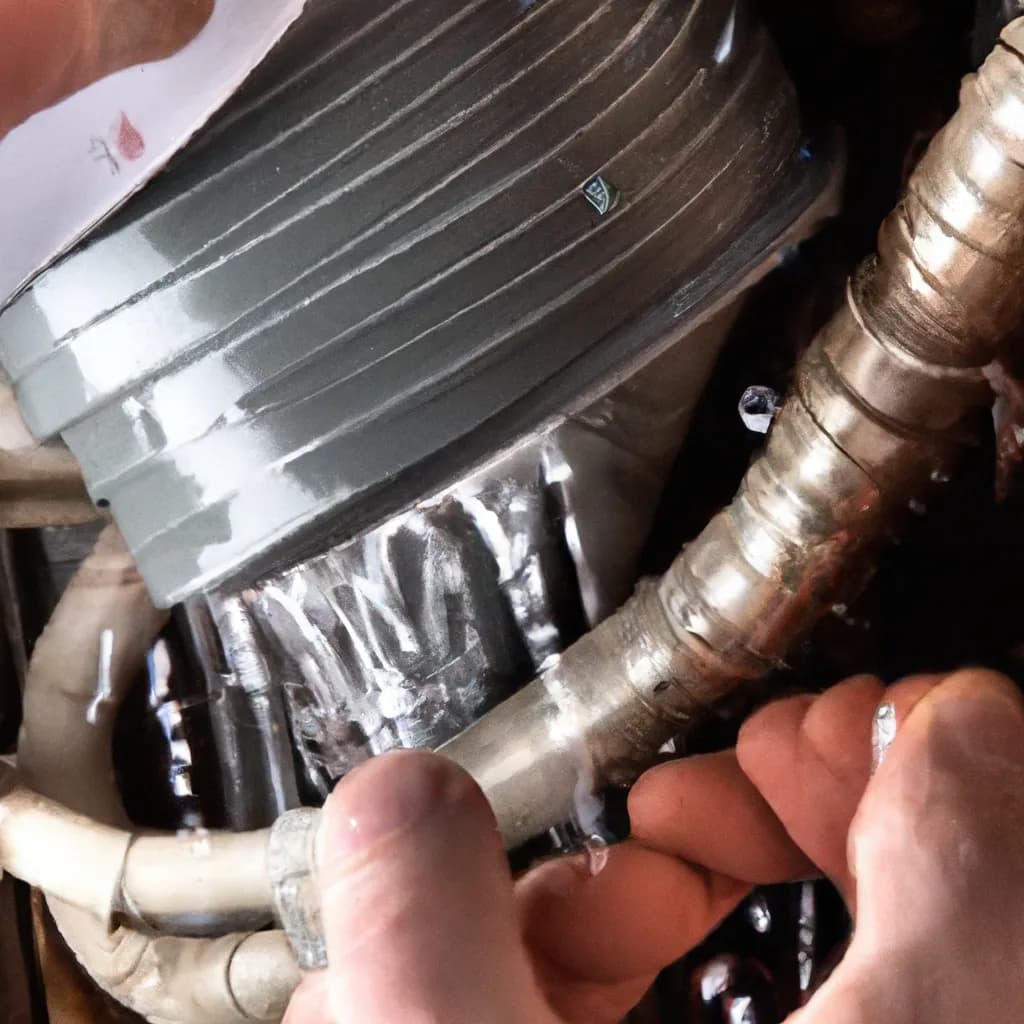
Inspecting the Drain Line and Pan
- Turn off power to your HVAC unit at the thermostat and breaker.
- Remove the access panel to locate the drain pan under the evaporator coil.
- Check for standing water or visible clogs. Use a wet/dry vacuum to clear any blockage from the drain line’s exterior outlet.
- If water remains, the line may need more thorough cleaning or replacement.
Example: In Centennial, a homeowner used a shop vac to clear a stubborn algae clog, restoring normal drainage and stopping the leak.
Checking and Replacing the Air Filter
- Locate your system’s air filter, usually beside the return air duct or inside the blower compartment.
- Remove and inspect the filter. If it’s gray, dusty, or clogged, replace it with a new one of the same size and rating.
- Check for signs of ice on the evaporator coil. If you see ice, leave the system off to let it thaw completely before restarting.
Tip: Homeowners in dust-prone areas like Elizabeth or Parker should check filters monthly, especially during spring and fall.
When to Call a Colorado HVAC Professional
- If you find persistent leaks after clearing the drain line and replacing the filter
- If your condensate pump isn’t working or you hear unusual noises
- If you see signs of mold, water stains, or repeated ice formation
- If you’re unsure about safely inspecting internal HVAC components
An experienced technician from Alloy Heating and Cooling can diagnose complex leaks, check refrigerant levels, test pump operation, and ensure correct installation. For example, a small business owner in Lone Tree avoided damage to inventory after a technician discovered a faulty float switch causing a leak during a routine inspection.
Preventative Tips to Avoid Future HVAC Leaks
Regular Maintenance Recommendations
- Schedule professional HVAC maintenance every spring and fall. This includes drain line cleaning, coil inspection, and condensate pump testing.
- Change your air filter every 1, 3 months, depending on system use and dust levels.
- Visually inspect your HVAC unit monthly for water, rust, or mold around the base.
- Keep the area around your inside unit clear of storage items to allow airflow and easy access.
Real-world example: A homeowner in Golden who kept up with biannual maintenance avoided leaks for years, even as neighbors reported frequent HVAC water issues during summer storms.
Humidity and Weather Considerations in Colorado
While Colorado’s low humidity means less condensation overall, dramatic temperature swings can stress HVAC systems. During periods of heavy rain, snowmelt, or when swamp coolers are in use, moisture levels can rise. Make sure your system is prepared for weather extremes by:
- Ensuring drain lines are insulated and properly sloped
- Adjusting humidifier settings as needed
- Sealing air leaks in your home to reduce excess humidity
In areas like Evergreen and Morrison, where weather can change rapidly, staying ahead of maintenance is key to leak prevention.
Conclusion
HVAC water leaks are a hassle, but with proactive care and a strong understanding of the causes, Colorado homeowners can prevent most issues before they start. By following the troubleshooting steps above and scheduling regular maintenance with Alloy Heating and Cooling, you’ll keep your home dry, comfortable, and efficient. If you ever find water around your HVAC unit or need expert advice, our team is here to help across the Denver metro area and beyond.
Frequently Asked Questions
Is water leaking from my HVAC system dangerous?
Water leaks can lead to mold growth, structural damage, and electrical hazards if not addressed promptly. It’s important to fix HVAC leaks quickly to prevent further damage.
Can Colorado’s dry climate still cause HVAC water leaks?
Yes, even with Colorado’s dry air, HVAC units can leak water due to internal condensation, frozen coils, or maintenance issues unrelated to outdoor humidity.
How often should I clean my condensate drain line?
It’s recommended to clean your condensate drain line at least once a year, preferably during your annual HVAC maintenance visit.
What should I do if I notice water pooling around my HVAC unit?
Turn off your system to prevent further damage, check for obvious clogs or blockages, and contact an HVAC professional if you can’t identify or resolve the issue.
Will replacing my air filter help prevent water leaks?
Yes, keeping your air filter clean and replacing it regularly can help maintain proper airflow and prevent issues like frozen coils that may lead to leaks.

Alloy HVAC Team
HVAC experts with years of experience in the industry. We share tips, insights, and the latest trends in heating, ventilation, and air conditioning to help you maintain optimal comfort in your home or business.