Best HVAC Systems for Colorado’s Unique Climate in 2024
Colorado homeowners and small business owners face unique challenges when it comes to heating and cooling. With rapid weather swings, high altitude, and notoriously dry air, choosing the right HVAC system is essential for year-round comfort and efficiency. At Alloy Heating and Cooling, we have decades of experience helping families and businesses across Greenwood Village, Englewood, Littleton, and the greater Denver area navigate these challenges. In this comprehensive guide, we will explore the best HVAC systems for Colorado’s climate in 2024, what features matter most, and how to make your investment last.
Understanding Colorado’s Unique Climate Challenges
Temperature Extremes: Hot Summers & Cold Winters
Colorado’s climate is marked by dramatic temperature swings. Summer days in Highlands Ranch or Aurora can soar into the 90s, while winter nights in Parker or Castle Rock frequently dip below freezing. In March, one homeowner in Lakewood reported running their air conditioner in the afternoon and furnace at night. This unpredictability means your HVAC system must be versatile, reliable, and fast-responding.
Low Humidity and Its Effects
Colorado is one of the driest states in the U.S. Relative humidity levels can drop below 20%, especially in winter. This dryness can cause cracked wood floors, static electricity, and respiratory discomfort. Many homeowners in Boulder and Niwot have added whole-home humidifiers to combat issues such as nosebleeds and damaged furniture.
Altitude Considerations for HVAC Performance
Much of Colorado sits well above sea level. For example, Denver is at 5,280 feet, while Evergreen and Morrison are even higher. At these elevations, the air is thinner, impacting how furnaces combust fuel and how air conditioners transfer heat. Standard systems designed for sea level may not perform as expected. That is why Alloy Heating and Cooling recommends HVAC units specifically rated for high-altitude operation, ensuring optimal efficiency and safety.
Key Features to Look for in an HVAC System for Colorado
Efficient Heating and Cooling Capabilities
Given Colorado’s unpredictable weather, look for systems that provide both powerful heating and efficient cooling. Hybrid systems, which combine a heat pump and a high-efficiency gas furnace, offer the flexibility needed to handle rapid weather changes. In a recent Centennial installation, a hybrid system allowed the homeowner to seamlessly switch between electric heating during mild days and gas heat during cold snaps, resulting in lower energy bills.
Humidity Control Options
To combat Colorado’s dry air, prioritize HVAC systems with integrated or add-on humidification. Multi-stage air conditioners and furnaces can often work with whole-home humidifiers to keep indoor air at a comfortable level. For example, in Cherry Hills Village, a family noticed their hardwood floors stopped cracking and their respiratory issues improved after installing a system with humidity controls.
Energy Efficiency Ratings and Rebates
Energy costs can add up quickly, especially in homes and businesses with older or undersized systems. Look for high SEER (Seasonal Energy Efficiency Ratio) and AFUE (Annual Fuel Utilization Efficiency) ratings. Colorado utilities like Xcel Energy often offer rebates for installing high-efficiency equipment, making upgrades more affordable. Alloy Heating and Cooling stays up-to-date on local rebate programs, helping clients in Arvada and Westminster maximize their savings.
Top-Rated HVAC Systems for Colorado in 2024
Best Overall: Hybrid Heat Pump Systems
Hybrid heat pump systems shine in Colorado’s mixed climate. These systems use an electric heat pump for efficient heating and cooling during moderate weather, switching to a gas furnace when temperatures plummet. Modern cold-climate heat pumps, such as the Carrier Infinity or Trane XV20i, work efficiently even when outdoor temps drop into the teens. In a recent Lone Tree home, a hybrid system reduced annual heating costs by 25% compared to a standard furnace and AC setup.
Best for Energy Efficiency: Variable-Speed Furnaces
Variable-speed furnaces adjust their output to match your home’s needs in real time, resulting in fewer starts and stops, more consistent temperatures, and lower energy use. The Lennox SLP99V, for example, boasts up to 99% AFUE and ultra-quiet operation. In a Castle Pines office building, replacing an old single-stage furnace with a variable-speed model led to noticeably lower utility bills and improved comfort for employees.
Best for Humidity Control: Multi-Stage Air Conditioners
Multi-stage air conditioners are ideal for Colorado’s dry, hot summers. These AC units run at lower speeds most of the time, allowing them to remove more moisture from the air and maintain consistent cooling. The American Standard Platinum 20 is a popular choice in Highlands Ranch, where families appreciate the improved comfort and reduction in static electricity.
Best for High Altitude: Specialized HVAC Units
Furnaces and AC units for high-altitude applications often have special orifices and controls to compensate for lower air density. Brands like Rheem, Lennox, and Carrier manufacture high-altitude kits or models. For example, in Morrison, a homeowner installed a high-altitude-certified furnace to ensure safe and efficient performance, avoiding issues like incomplete combustion or excessive wear.
Comparing HVAC System Types for Colorado Homes
Heat Pumps vs. Furnaces
Heat pumps provide both heating and cooling, making them a versatile choice for Colorado’s shoulder seasons and milder days. However, during extreme cold snaps, their efficiency can drop. Many homeowners in areas like Northglenn and Brighton have opted for dual-fuel (hybrid) systems, pairing a heat pump with a furnace for supplemental heat when temperatures plunge.
Furnaces, especially high-efficiency models, remain a staple for many Colorado homes. They offer robust and reliable heat, even during the coldest winter nights. In Palmer Lake, one family upgraded to a 96% AFUE furnace and reported faster warm-ups and lower gas bills, even with frequent subzero temperatures.
Ductless Mini-Split Systems
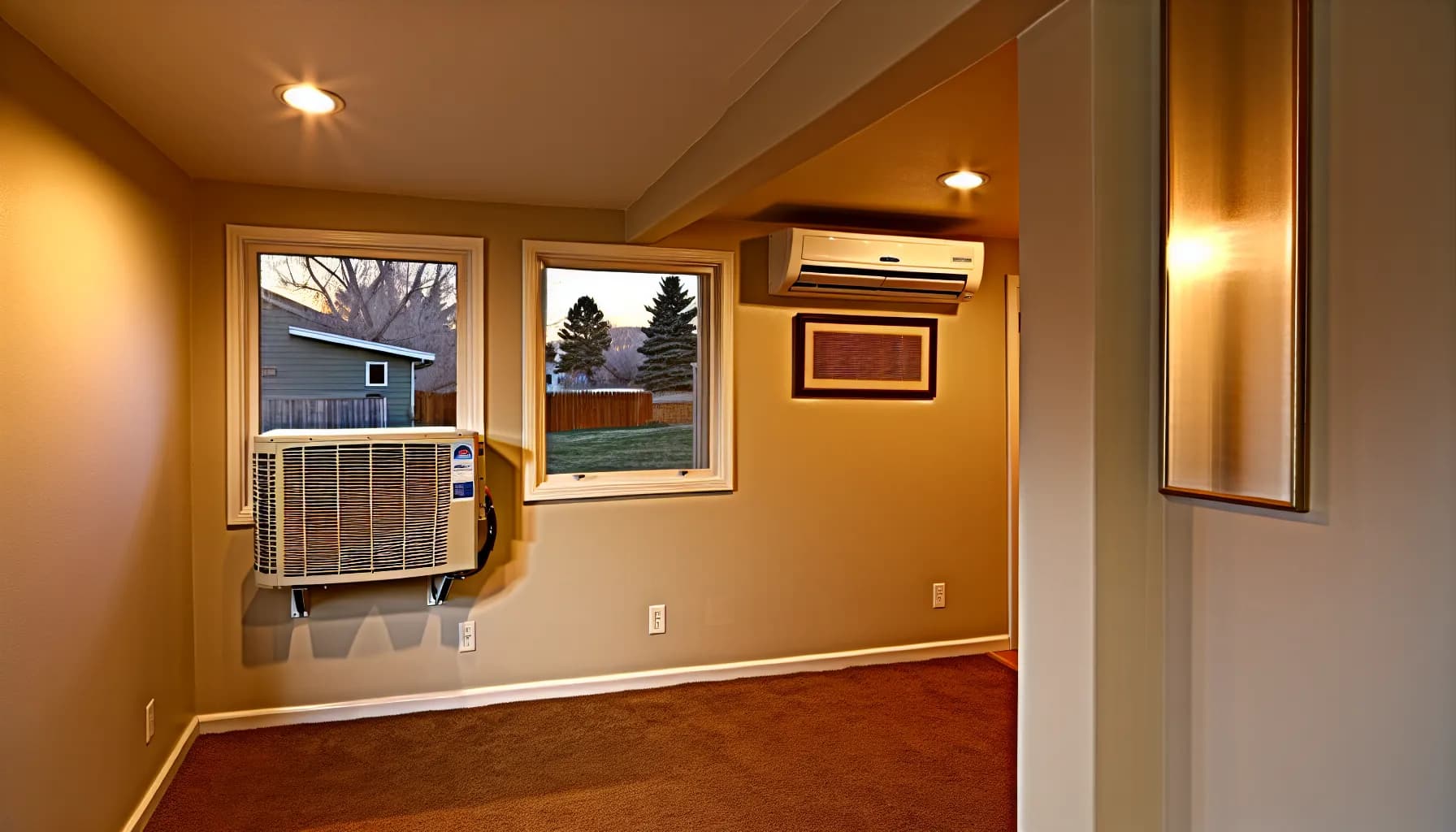
Ductless mini-split systems are gaining popularity across Colorado, especially in older homes without existing ductwork or in new additions. They offer zoned heating and cooling, energy efficiency, and easy installation. In a Boulder bungalow, a mini-split system allowed the homeowner to upgrade comfort room by room, avoiding the expense and mess of adding ductwork.
Geothermal Systems
For those seeking the ultimate in efficiency and sustainability, geothermal heat pumps use the earth’s stable temperature to heat and cool your home. While installation costs are higher, long-term savings and minimal environmental impact are attractive. In Elizabeth, a small business owner chose geothermal for his office, drastically lowering annual energy expenses and reducing maintenance needs.
Tips for Maximizing Your HVAC System’s Performance in Colorado
Regular Maintenance and Filter Changes
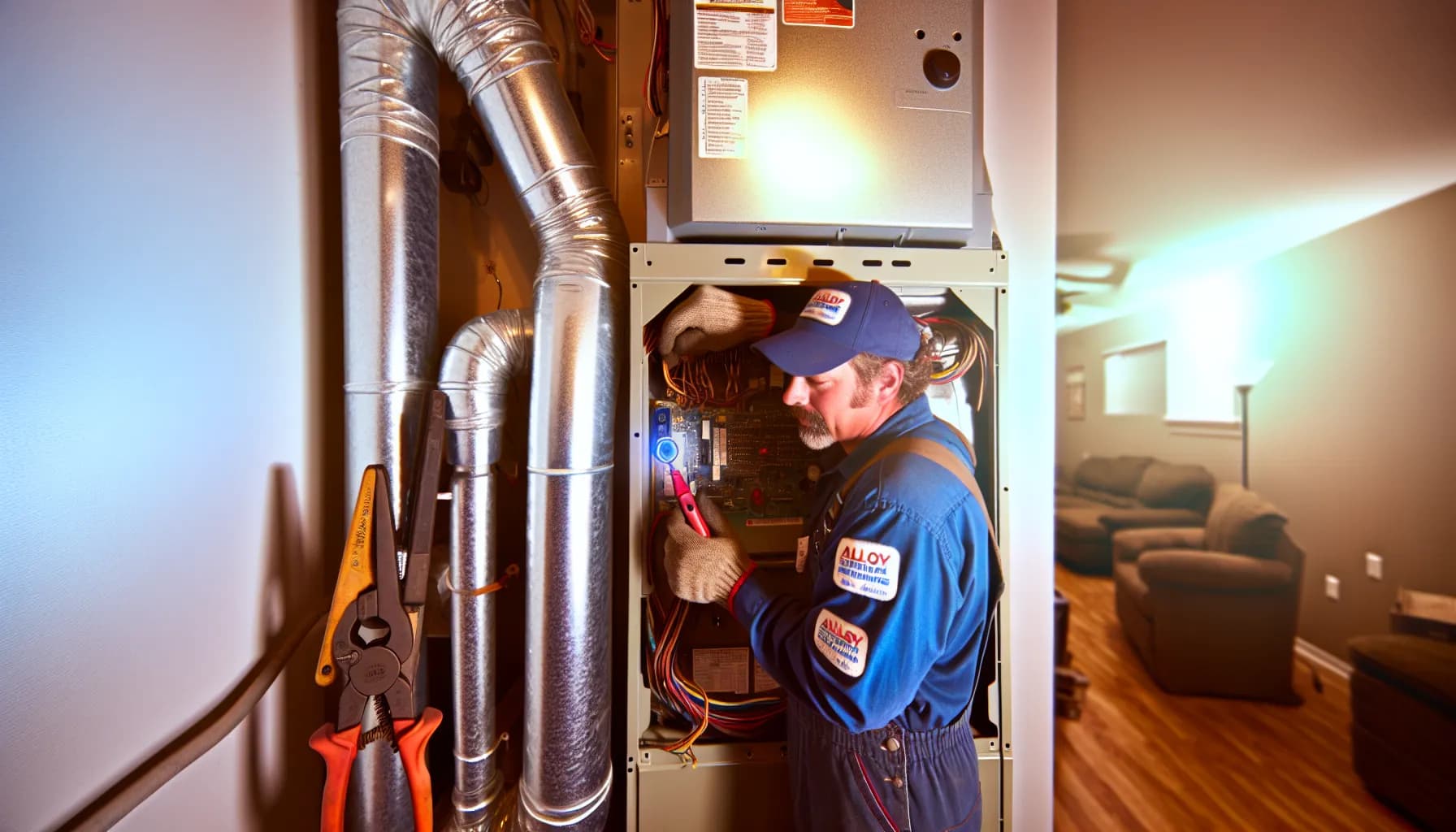
Routine maintenance is essential for any HVAC system, but especially in Colorado’s dusty, dry climate. Dirty filters and neglected equipment can reduce efficiency and indoor air quality. Alloy Heating and Cooling recommends seasonal tune-ups and monthly filter checks for all customers. In Golden, a homeowner noticed improved airflow and fewer allergy symptoms after committing to regular maintenance.
Smart Thermostat Integration
Smart thermostats, such as the Ecobee or Nest, allow you to optimize your HVAC schedule, monitor energy use, and control settings remotely. This is particularly helpful in Colorado, where a sunny day can quickly turn chilly. In Aurora, a family set up a smart thermostat to pre-cool their home before returning from work, saving energy and boosting comfort.
Proper Sizing and Installation
Proper sizing is crucial. An undersized system will struggle to keep up, while an oversized unit can cycle on and off too frequently, wasting energy and wearing out parts. Alloy Heating and Cooling always performs a detailed load calculation for homes in areas like Ken Caryl and Roxborough Park, ensuring the right fit for your square footage, insulation, and windows.
Installation quality matters just as much as equipment selection. Poor installation can lead to reduced efficiency, uneven temperatures, and costly repairs. Always work with a licensed, experienced contractor familiar with Colorado’s unique conditions and building codes.
Conclusion
Colorado’s climate requires HVAC solutions that can handle extreme temperatures, dry air, and high altitude. Whether you are upgrading an older system, building a new home, or looking to improve comfort in your business, choosing the right equipment and features makes all the difference. At Alloy Heating and Cooling, we pride ourselves on matching every customer with the ideal system for their specific needs, from hybrid heat pumps in Denver to geothermal setups in Monument. Contact us today for a free consultation and see how we can help you stay comfortable year-round.
Frequently Asked Questions
What is the best HVAC system for Colorado's climate?
The best HVAC system for Colorado’s climate is typically a hybrid system combining a high-efficiency furnace and a heat pump, offering both effective heating and cooling for the state’s temperature extremes.
How does Colorado's altitude affect HVAC performance?
High altitude can impact HVAC efficiency by reducing air density, which may affect combustion in furnaces and the overall performance of air conditioners. Selecting systems designed for high-altitude operation is important.
Are heat pumps effective in Colorado winters?
Modern cold-climate heat pumps are effective for most of Colorado’s winters, but pairing them with a supplemental furnace or backup heat source ensures comfort during extreme cold snaps.
How important is humidity control in Colorado HVAC systems?
Humidity control is vital in Colorado due to its dry climate. Look for HVAC systems with built-in humidifiers or add-on options to maintain indoor comfort and protect wood furnishings.
Do I need a special HVAC system for high-altitude areas like Denver or Colorado Springs?
Yes, it’s recommended to choose HVAC systems rated for high-altitude performance to ensure optimal efficiency and proper operation in cities like Denver and Colorado Springs.

Alloy HVAC Team
HVAC experts with years of experience in the industry. We share tips, insights, and the latest trends in heating, ventilation, and air conditioning to help you maintain optimal comfort in your home or business.