The Most Common Types of HVAC Systems for Colorado Homes and Their Pros & Cons
Introduction to Residential HVAC Systems in Colorado
Why Choosing the Right HVAC System Matters in Colorado
Colorado’s unique climate, featuring cold, snowy winters and warm, dry summers, means homeowners need reliable, flexible heating and cooling solutions. The right HVAC system keeps your home comfortable year-round, helps control energy bills, and can even improve indoor air quality. For homes in Greenwood Village, Highlands Ranch, Boulder, and surrounding areas, selecting a system suited to local weather patterns and your lifestyle is essential.
Factors to Consider: Climate, Efficiency, and Budget
Before choosing an HVAC system, consider your local climate, your energy efficiency goals, and your budget for both upfront installation and ongoing operation. Colorado’s fluctuating temperatures require systems that can adapt efficiently. Home insulation, window quality, and home size also play important roles in system performance.
Central Air Conditioning and Furnace Systems
How Central HVAC Systems Work
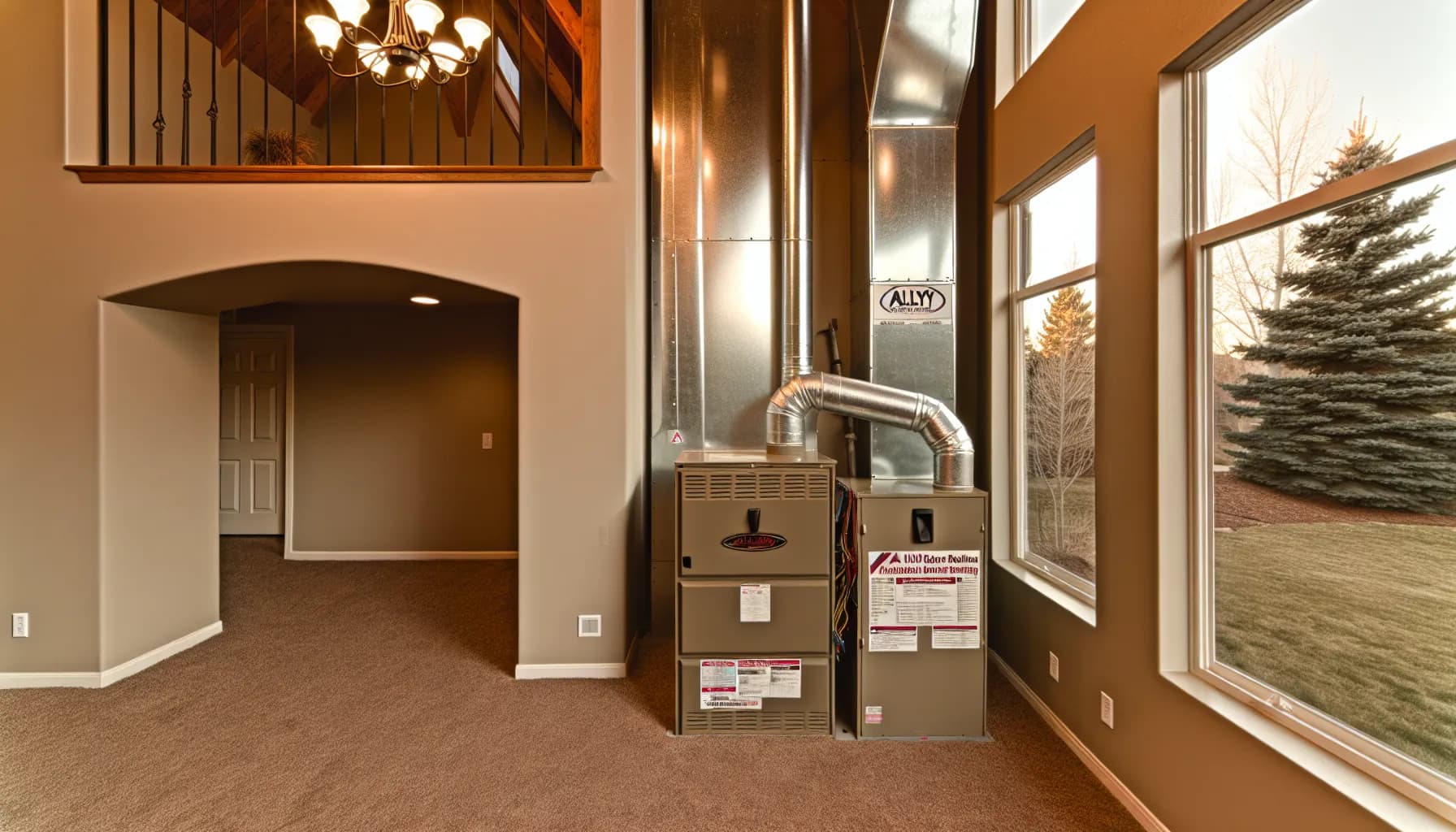
Central HVAC systems combine a furnace for heating and an air conditioner for cooling, using a network of ducts to distribute air throughout the home. Most Colorado homes built since the 1970s use this setup. The furnace typically runs on natural gas, while the AC uses electricity.
Pros of Central Air and Furnace Systems
- Even temperature distribution throughout the home
- Works well for larger homes with existing ductwork
- Furnaces provide strong, reliable heat during cold snaps
Cons of Central Air and Furnace Systems
- Duct leaks and poor insulation can reduce efficiency
- Higher installation costs if ducts need repairs or replacement
- Air quality issues if filters and ducts are not maintained
Heat Pump Systems
Types of Heat Pumps: Air Source vs. Ground Source
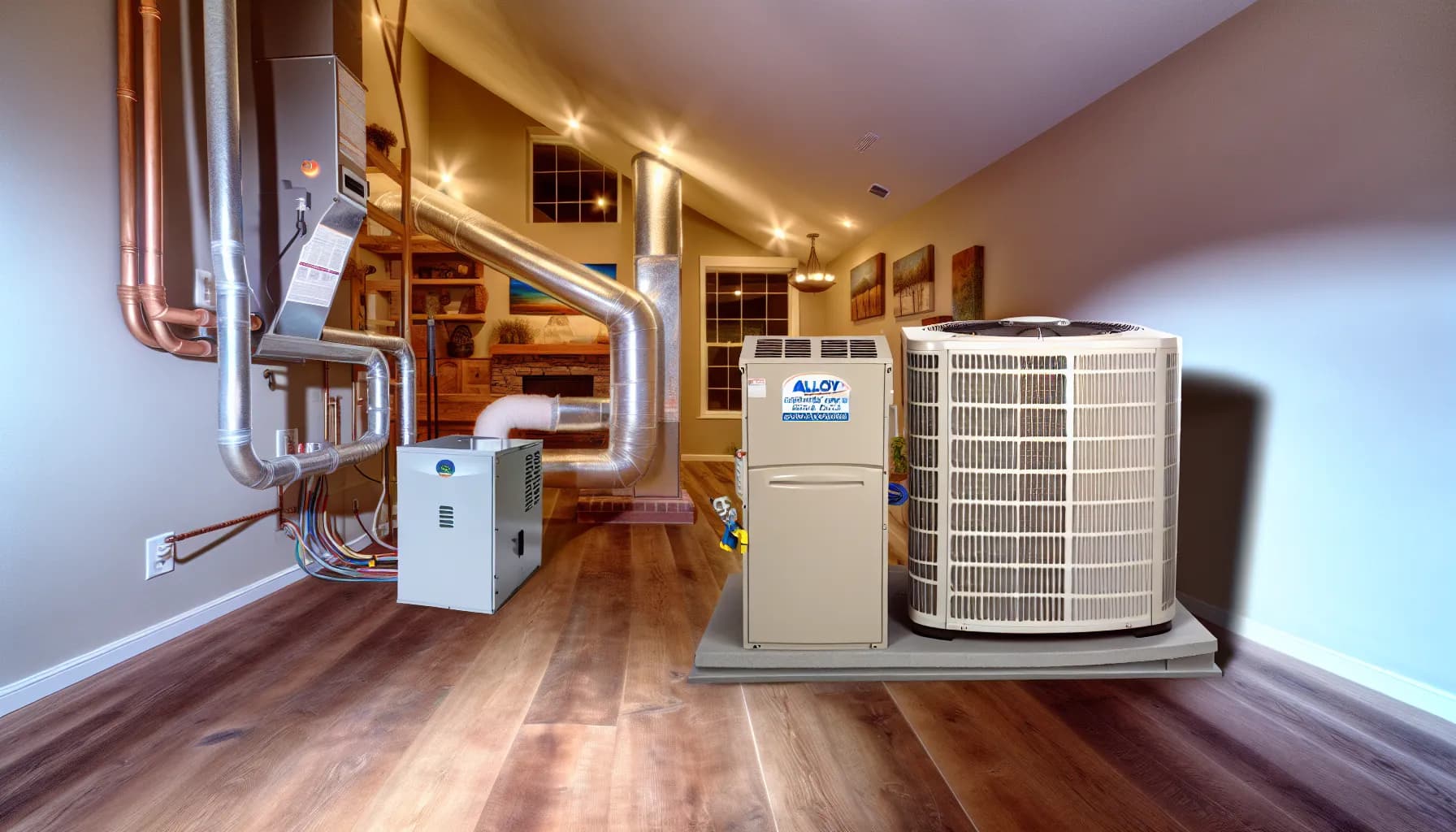
Heat pumps move heat rather than generating it. Air source heat pumps extract heat from the outdoor air, while ground source (geothermal) systems transfer heat from the earth. Both can provide heating and cooling. In Colorado, air source heat pumps are increasingly popular for their efficiency, while ground source systems are prized for their stability but involve higher installation costs.
Pros of Heat Pump Systems
- Efficient year-round heating and cooling
- Lower operating costs than traditional furnaces
- Reduced carbon footprint, especially with renewable electricity
Cons of Heat Pump Systems
- Air source models may need supplemental heat during extreme cold
- Higher upfront costs for ground source systems
- Older homes may require electrical upgrades
Ductless Mini-Split Systems
How Ductless Mini-Splits Operate
Ductless mini-splits use an outdoor compressor and one or more indoor air handlers. They deliver conditioned air directly to specific rooms, making them ideal for homes without ductwork or for additions and remodels. Installation is less invasive than traditional systems.
Pros of Ductless Systems
- Flexible, zoned comfort for different areas of the home
- High energy efficiency due to lack of duct losses
- Simple installation and minimal disruption
Cons of Ductless Systems
- Can be more expensive per room than central systems
- Some homeowners find the appearance of indoor units less appealing
- May require supplemental heating in uninsulated or large spaces during severe cold
Boiler and Radiant Heating Systems
Understanding Boiler and Radiant Heat
Boilers heat water and circulate it through radiators or radiant floor systems. Unlike forced-air systems, radiant heat provides gentle, even warmth from the ground up. This option is popular in older homes and new builds seeking premium comfort.
Pros of Boiler and Radiant Heating
- Exceptional comfort and consistent warmth
- Quiet operation and no airborne dust
- Highly efficient, especially with modern condensing boilers
Cons of Boiler and Radiant Heating
- Higher installation costs, especially for retrofits
- Does not provide cooling (requires a separate AC system)
- Boilers require regular maintenance to prevent leaks and ensure safety
Evaporative Coolers (Swamp Coolers)
How Evaporative Coolers Work
Evaporative coolers, or swamp coolers, use water-saturated pads to cool incoming air. They work best in Colorado’s dry climate and are often used in older homes or as supplemental cooling.
Pros of Swamp Coolers
- Low operating costs and energy use
- Adds humidity to dry indoor air
- Simpler installation compared to central air
Cons of Swamp Coolers
- Limited cooling power during high humidity or extreme heat
- Requires frequent maintenance (pads and water supply)
- Not suitable for all home layouts or multi-story homes
Choosing the Best HVAC System for Your Colorado Home
Assessing Your Home’s Needs
No two homes are exactly alike. A family in Highlands Ranch with a large, multi-level home may benefit most from a high-efficiency furnace and central AC, while a Boulder homeowner in a historic bungalow might prefer ductless mini-splits to avoid disrupting the architecture. Consider your home’s size, insulation, and how you use each space.
Consulting with HVAC Professionals
Working with experienced HVAC professionals, like the team at Alloy Heating and Cooling, ensures you get the right system for your needs and budget. A professional assessment includes load calculations, energy efficiency recommendations, and options for smart thermostats or zoning controls. Real-world examples show that a custom approach can lower energy bills and increase comfort year-round.
Frequently Asked Questions
What is the most efficient HVAC system for Colorado homes?
Heat pumps, especially ground source types, are among the most efficient options for Colorado’s climate, but the best system depends on your home’s insulation, size, and heating/cooling needs.
Are ductless mini-split systems suitable for Colorado winters?
Modern ductless mini-split systems can provide both heating and cooling, but for extreme winter temperatures, you may need supplemental heating or a system rated for cold climates.
How do I choose between a furnace and a heat pump in Colorado?
Consider your budget, energy efficiency goals, and whether you need both heating and cooling. Furnaces are reliable for very cold winters, while heat pumps offer better efficiency and year-round comfort.
Is radiant heating a good option for Colorado homes?
Radiant heating provides even, comfortable warmth and is very effective in Colorado’s dry, cold climate, especially for new constructions or major renovations.
What are the main factors to consider when selecting an HVAC system?
Key factors include your home’s insulation, local climate, upfront and operating costs, energy efficiency ratings, and whether you prefer centralized or zoned comfort.

Alloy HVAC Team
HVAC experts with years of experience in the industry. We share tips, insights, and the latest trends in heating, ventilation, and air conditioning to help you maintain optimal comfort in your home or business.