Can a Furnace Leak Carbon Monoxide? Safety Tips for Colorado Homeowners
Can a Furnace Leak Carbon Monoxide? Safety Tips for Colorado Homeowners
As Colorado homeowners know, reliable heating is essential for comfort and safety during long winters. Furnaces play a crucial role in keeping our homes warm, but they also carry certain risks, especially when it comes to carbon monoxide (CO) leaks. At Alloy Heating and Cooling, we’re dedicated to keeping families and businesses safe across Greenwood Village, Englewood, Littleton, Lone Tree, Highlands Ranch, Parker, Southglenn, and surrounding areas. In this comprehensive guide, we’ll explain how furnaces can leak carbon monoxide, warning signs to watch for, and practical steps to protect your home or business from this silent threat.
Understanding Carbon Monoxide in Furnaces
What Is Carbon Monoxide?
Carbon monoxide is a colorless, odorless, and tasteless gas produced by the incomplete combustion of fossil fuels such as natural gas, propane, oil, and wood. Because it cannot be seen or smelled, CO is often called the “silent killer.” Even low concentrations can cause serious health problems, and high levels can be fatal within minutes.
How Does Carbon Monoxide Form in a Furnace?
Most residential and commercial furnaces in Colorado burn natural gas or propane to generate heat. When combustion is complete, the only byproducts should be carbon dioxide and water vapor. However, if there is not enough oxygen present or if the furnace is malfunctioning, the combustion process becomes incomplete, producing carbon monoxide as a byproduct.
Common causes of incomplete combustion include:
- Dirty or clogged burners
- Improper air-fuel mixture
- Malfunctioning ignition systems
- Cracks or corrosion inside the heat exchanger
Common Sources of Carbon Monoxide Leaks
Furnaces are designed to safely vent combustion gases outside your home. However, several issues can allow carbon monoxide to leak into your living spaces:
- Cracked Heat Exchanger: The heat exchanger separates combustion gases from the air blown throughout your home. Cracks can allow CO to mix with your indoor air.
- Blocked or Disconnected Flue Pipes: If the flue is blocked by debris, animal nests, or snow, exhaust gases can back up into your home.
- Poor Ventilation or Improper Installation: Furnaces installed without proper venting or in tightly sealed spaces can accumulate CO.
- Lack of Maintenance: Dust, soot, or corrosion inside the furnace can disrupt combustion and venting.
Real-world example: In Littleton, Alloy Heating and Cooling technicians discovered a cracked heat exchanger in a 15-year-old furnace during a routine inspection. The homeowner had noticed a faint headache and fatigue over several days. Replacing the furnace and improving the flue venting eliminated the risk and restored peace of mind.
Signs Your Furnace May Be Leaking Carbon Monoxide
Physical Symptoms of Carbon Monoxide Exposure
Because carbon monoxide builds up in the blood and prevents oxygen from reaching vital organs, early symptoms can be subtle. Physical warning signs include:
- Headaches
- Dizziness or lightheadedness
- Nausea or vomiting
- Confusion or difficulty concentrating
- Shortness of breath, especially with exertion
- Fatigue or weakness
Severe exposure can lead to unconsciousness, chest pain, and even death. Children, the elderly, and people with heart or respiratory conditions are especially vulnerable.
Real homeowner story: A Centennial family called Alloy Heating and Cooling after several members experienced persistent headaches and nausea. Our technicians found a blocked flue pipe and a faulty furnace vent. After repairs and a thorough safety check, the family’s symptoms disappeared.
Indicators of a Furnace Leak
- Stale, stuffy air or excessive condensation on windows
- Soot streaks or yellow/brown stains around the furnace or vents
- Pilot light that burns yellow instead of blue (for older furnaces)
- Unusual smells, including a faint burning or musty odor (CO itself is odorless, but malfunctioning furnaces can produce other odors)
- Rusting on vent pipes or visible damage to the heat exchanger
If you notice any of these signs, turn off your furnace, ventilate the area, and contact a professional HVAC technician right away.
When to Call a Professional
Never attempt to diagnose or repair a suspected carbon monoxide leak yourself. If you experience unexplained health symptoms, notice any of the indicators above, or if your carbon monoxide detector alarms, call Alloy Heating and Cooling or your local emergency services immediately.
Prevention Tips: How Colorado Homeowners Can Stay Safe
Regular Furnace Maintenance
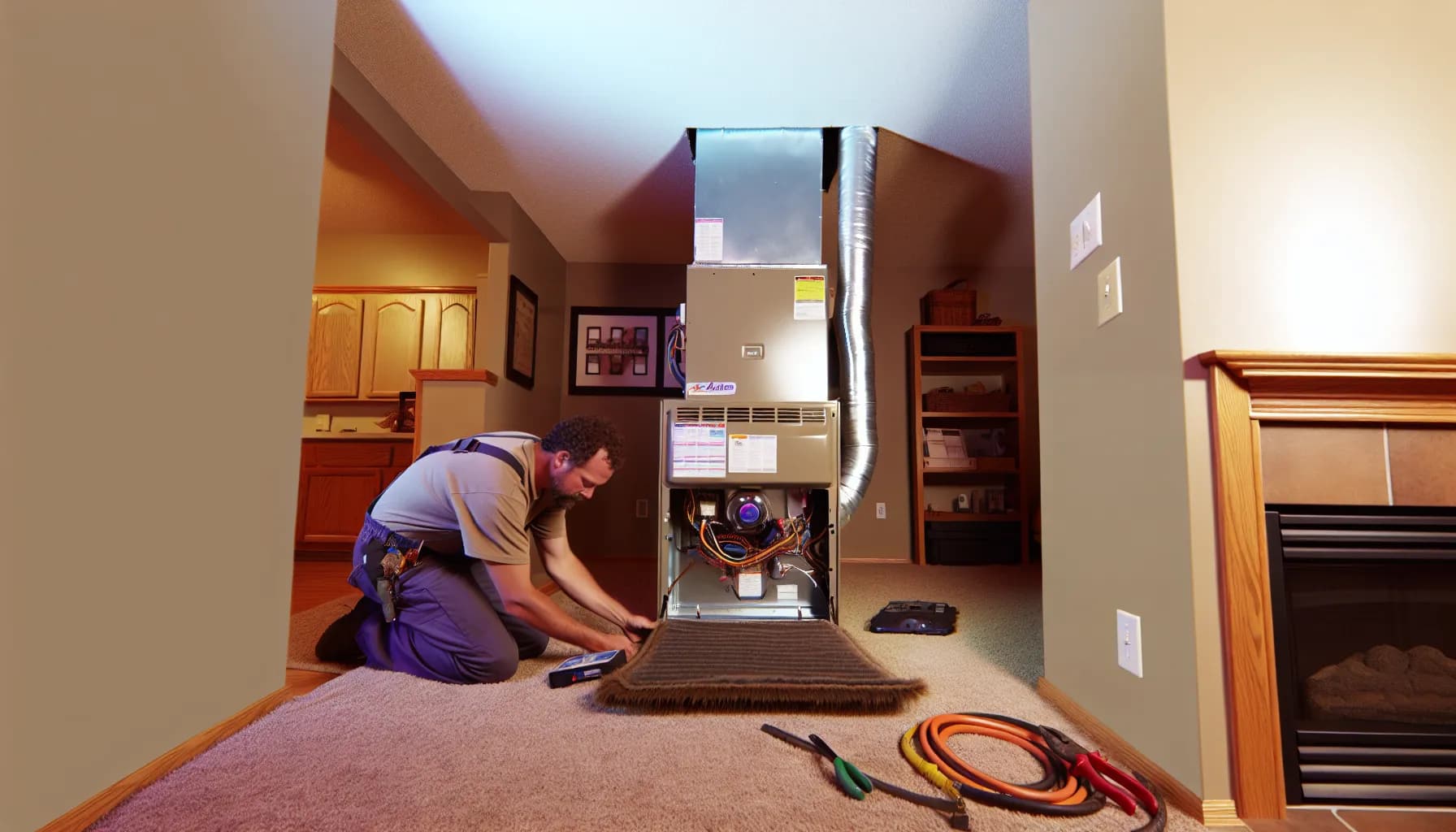
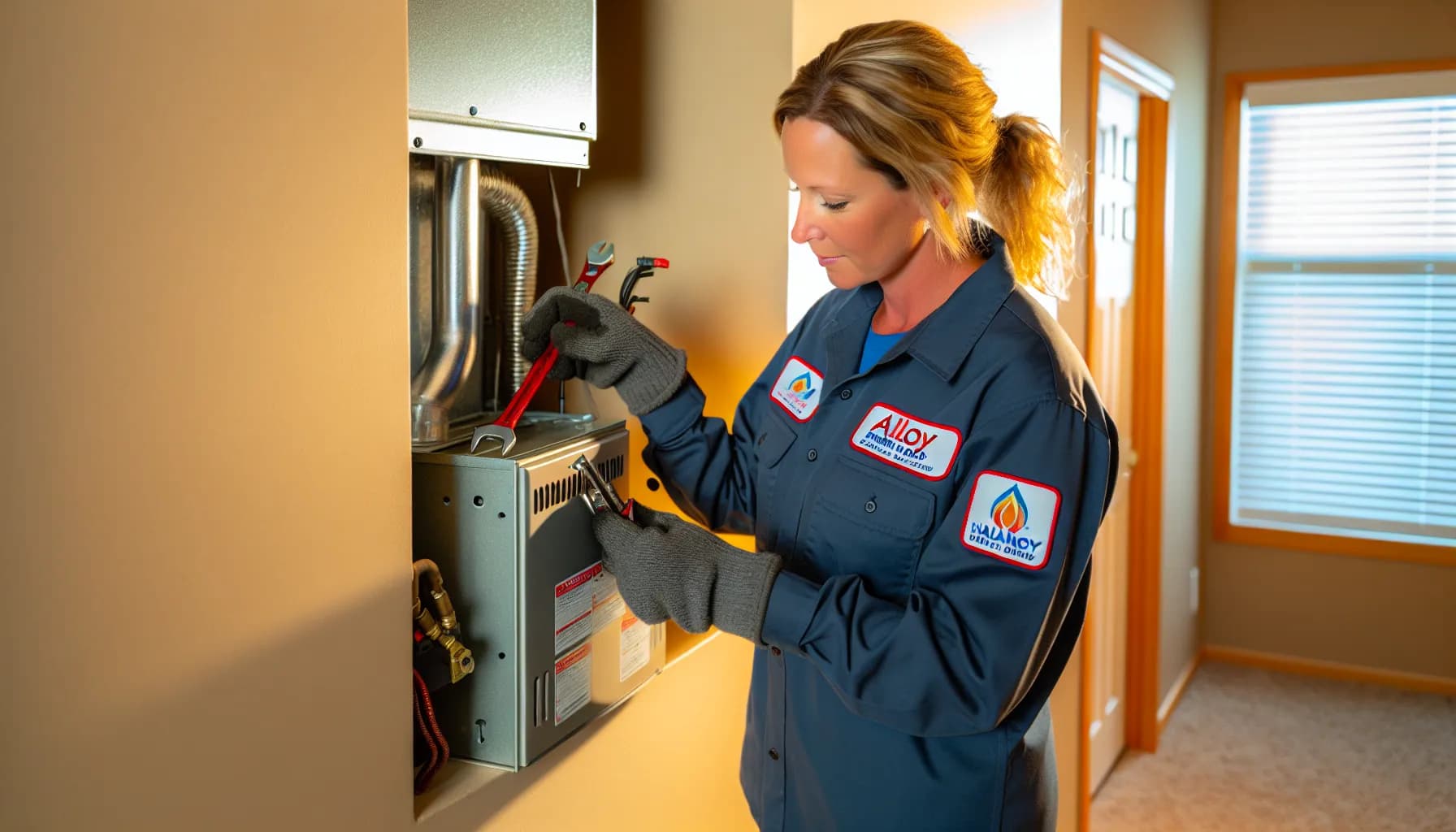
Annual furnace inspections are the most effective way to prevent carbon monoxide leaks. During a professional tune-up, Alloy Heating and Cooling technicians will:
- Inspect the heat exchanger for cracks or corrosion
- Check and clean burners and ignition components
- Ensure the flue and venting system are clear and properly connected
- Test for proper air-fuel mixture and combustion
- Check for signs of wear, rust, or damage
We recommend scheduling your annual inspection before the heating season starts, ideally in late summer or early fall. Preventive maintenance not only keeps you safe but also extends the life of your furnace and improves efficiency.
Installing and Testing Carbon Monoxide Detectors
Every Colorado home and business should have carbon monoxide detectors installed near sleeping areas, on every level, and close to the furnace or boiler room. Choose detectors that are UL-listed and test them monthly. Replace the batteries at least once a year and replace the entire detector every 5-7 years, or as recommended by the manufacturer.
Consider interconnected detectors that can alert everyone in the building if CO is detected anywhere. In a recent Denver case, a family’s CO detector went off late at night. Because they had detectors on every floor, everyone was alerted in time to evacuate safely.
Ensuring Proper Ventilation
Proper ventilation is critical for safe furnace operation. Make sure:
- Vents and flues are free of obstructions (ice, snow, animals, debris)
- All vent pipes are securely connected and slope slightly upward toward the outside
- Combustion air intakes are not blocked by furniture, insulation, or clutter
- Rooms with gas appliances have adequate airflow
If you’ve recently remodeled, upgraded insulation, or sealed air leaks, have your ventilation and furnace checked to ensure everything is balanced and safe.
What to Do If You Suspect a Leak
- Turn off the furnace immediately
- Open doors and windows to ventilate the area
- Evacuate everyone from the building, including pets
- Call 911 or your local emergency services
- Do not re-enter the building until it has been inspected and cleared by professionals
Alloy Heating and Cooling offers emergency furnace repair and carbon monoxide testing for homes and businesses in Greenwood Village, Aurora, Highlands Ranch, and beyond.
What to Do in Case of Carbon Monoxide in Your Furnace
Immediate Steps to Take
- Leave the building quickly and calmly
- Do not try to locate the source of the leak yourself
- Call 911 or your local fire department from outside or a neighbor’s phone
- If safe, alert neighbors in multi-unit buildings
Emergency personnel will use specialized equipment to test for CO and ventilate the building. Only return when they confirm it is safe.
When to Contact Emergency Services
Contact emergency services immediately if:
- Your carbon monoxide detector alarms
- Anyone in the building exhibits symptoms of CO poisoning
- You suspect a gas or combustion appliance is malfunctioning
Remember, even a single exposure to high levels of CO can be deadly. Do not take chances with your health or safety.
How to Prevent Future Leaks
- Schedule annual furnace maintenance and safety inspections
- Replace old or malfunctioning furnaces with modern, sealed-combustion models
- Keep vents, flues, and combustion air intakes clear year-round
- Educate your family or employees about carbon monoxide safety
- Test your CO detectors monthly and replace batteries as needed
In a recent Highlands Ranch incident, a commercial property manager scheduled regular inspections for all building furnaces after a near-miss with a cracked heat exchanger. This proactive approach protected hundreds of tenants and staff from potential harm.
At Alloy Heating and Cooling, your safety is our top priority. We serve residential and commercial clients across the Denver metro area, offering expert HVAC installation, repair, maintenance, and emergency services. If you have any questions or concerns about your furnace or carbon monoxide safety, contact us today for a thorough inspection and peace of mind.
Frequently Asked Questions
Can a furnace really leak carbon monoxide?
Yes, furnaces can leak carbon monoxide if there is a crack in the heat exchanger, poor ventilation, or incomplete combustion. Regular inspections are critical to prevent leaks.
What are the symptoms of carbon monoxide poisoning from a furnace?
Symptoms include headache, dizziness, nausea, confusion, and shortness of breath. If you experience these symptoms and suspect a leak, leave your home and seek help immediately.
How can I detect carbon monoxide in my furnace?
Install carbon monoxide detectors near sleeping areas and your furnace. Regular maintenance and inspections can also help identify potential leaks before they become dangerous.
How often should I have my furnace inspected in Colorado?
It’s recommended to have your furnace inspected by a licensed professional at least once a year, ideally before the heating season begins.
What should I do if my carbon monoxide detector goes off?
Leave your home immediately, call 911 or emergency services, and do not re-enter until professionals confirm it’s safe.

Alloy HVAC Team
HVAC experts with years of experience in the industry. We share tips, insights, and the latest trends in heating, ventilation, and air conditioning to help you maintain optimal comfort in your home or business.