Carbon Monoxide Risks from Your Furnace: What Every Colorado Homeowner Should Know
Carbon Monoxide Risks from Your Furnace: What Every Colorado Homeowner Should Know
Many Colorado homeowners rely on their furnaces to keep warm during the long winters. But while furnaces provide essential comfort, they can also present hidden dangers. One of the most significant risks is carbon monoxide (CO) poisoning. Understanding how your furnace can produce carbon monoxide, how to spot warning signs, and what steps you can take to protect your household can make a life-saving difference.
Can Your Furnace Cause Carbon Monoxide Leaks?
How Furnaces Produce Carbon Monoxide
Furnaces that burn natural gas, propane, oil, or wood can produce carbon monoxide as a byproduct of combustion. When operating correctly, furnaces vent these gases safely outside. However, if the combustion process is incomplete or if the exhaust system fails, CO can leak into your home. Even modern, high-efficiency furnaces are not immune to these risks if they are not properly maintained.
Common Causes of Carbon Monoxide Leaks in Furnaces
Several issues can lead to carbon monoxide leaks. A cracked heat exchanger is a frequent culprit. Over time, metal fatigue or corrosion can cause this crucial part to split, allowing exhaust gases to mix with your home’s air. Blocked or disconnected flue pipes can also force CO back into your living space. Other causes include poor installation, a malfunctioning burner, or lack of adequate airflow for combustion.
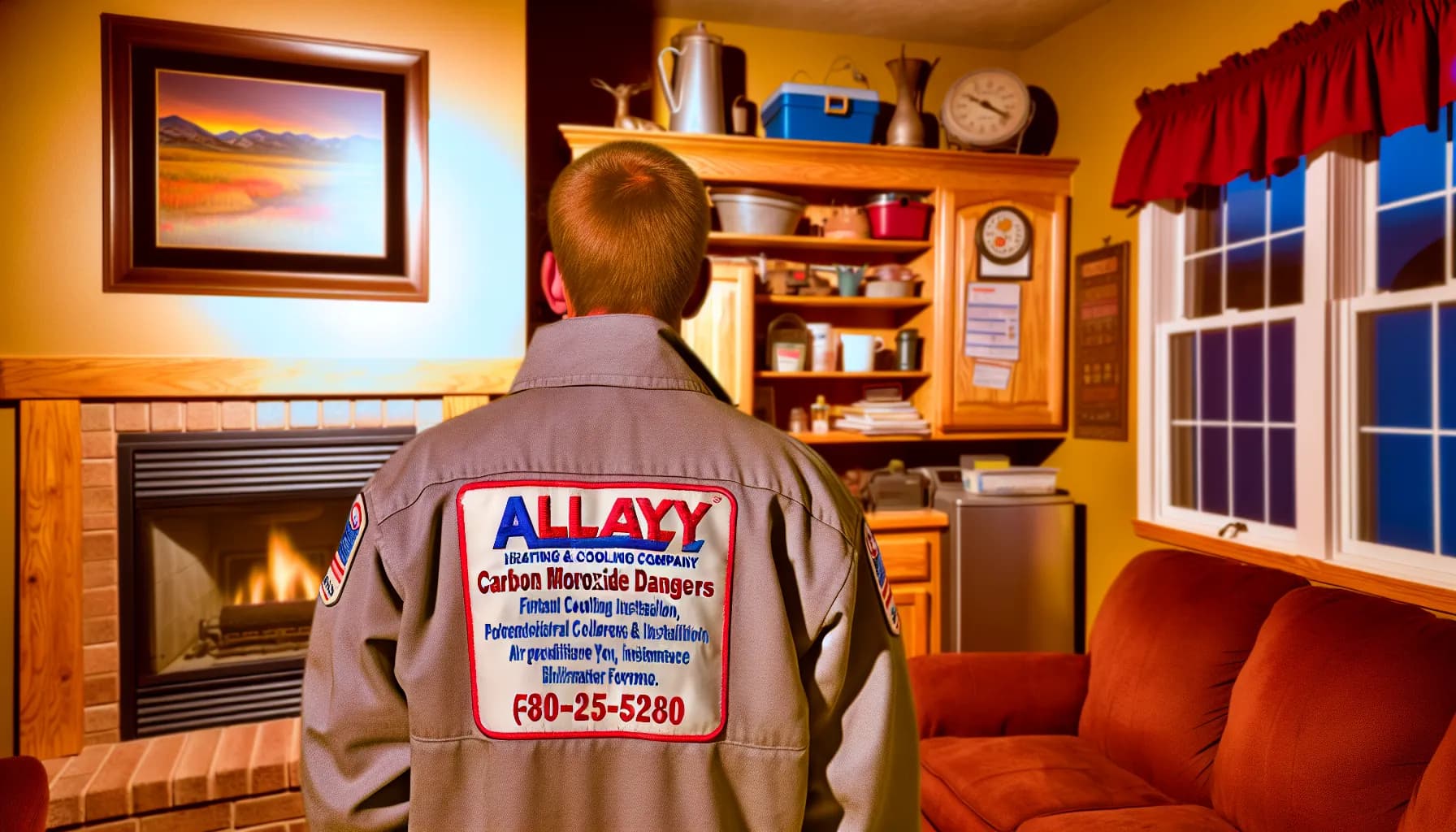
For example, a homeowner in Highlands Ranch noticed their furnace was cycling on and off more than usual. During a routine inspection, our Alloy Heating and Cooling technician found a partially blocked vent stack caused by a bird’s nest. Left unchecked, this blockage could have allowed carbon monoxide to build up inside the home.
Warning Signs of a Carbon Monoxide Problem
Carbon monoxide is colorless and odorless, making it difficult to detect without specialized equipment. However, there are some warning signs. Look for streaks of soot around your furnace, excessive condensation on windows near the appliance, or a yellow instead of blue pilot light. Unexplained health symptoms like headaches, dizziness, or nausea, particularly when you are home, should also prompt immediate action.
Why Carbon Monoxide Is Especially Dangerous in Colorado Homes
Colorado’s Climate and Home Heating Needs
Colorado winters can be harsh, with many households running their furnaces for extended periods. This prolonged use increases the risk of wear and tear on your heating system and heightens the potential for carbon monoxide leaks. In addition, energy-efficient homes in areas like Castle Rock or Evergreen are often tightly sealed to retain heat, which can trap carbon monoxide indoors if a leak occurs.
Risks of Poor Ventilation and High Altitude
Many Colorado homes are built at higher elevations, and thinner air can affect furnace performance. Furnaces may struggle to burn fuel efficiently, which can lead to incomplete combustion and higher CO production. If your home’s ventilation is poor or your furnace is not properly adjusted for altitude, you are at increased risk. We have seen cases in Boulder and Parker where older homes with outdated venting systems were particularly susceptible to carbon monoxide buildup.
How to Prevent Carbon Monoxide Leaks from Your Furnace
Importance of Regular Furnace Maintenance
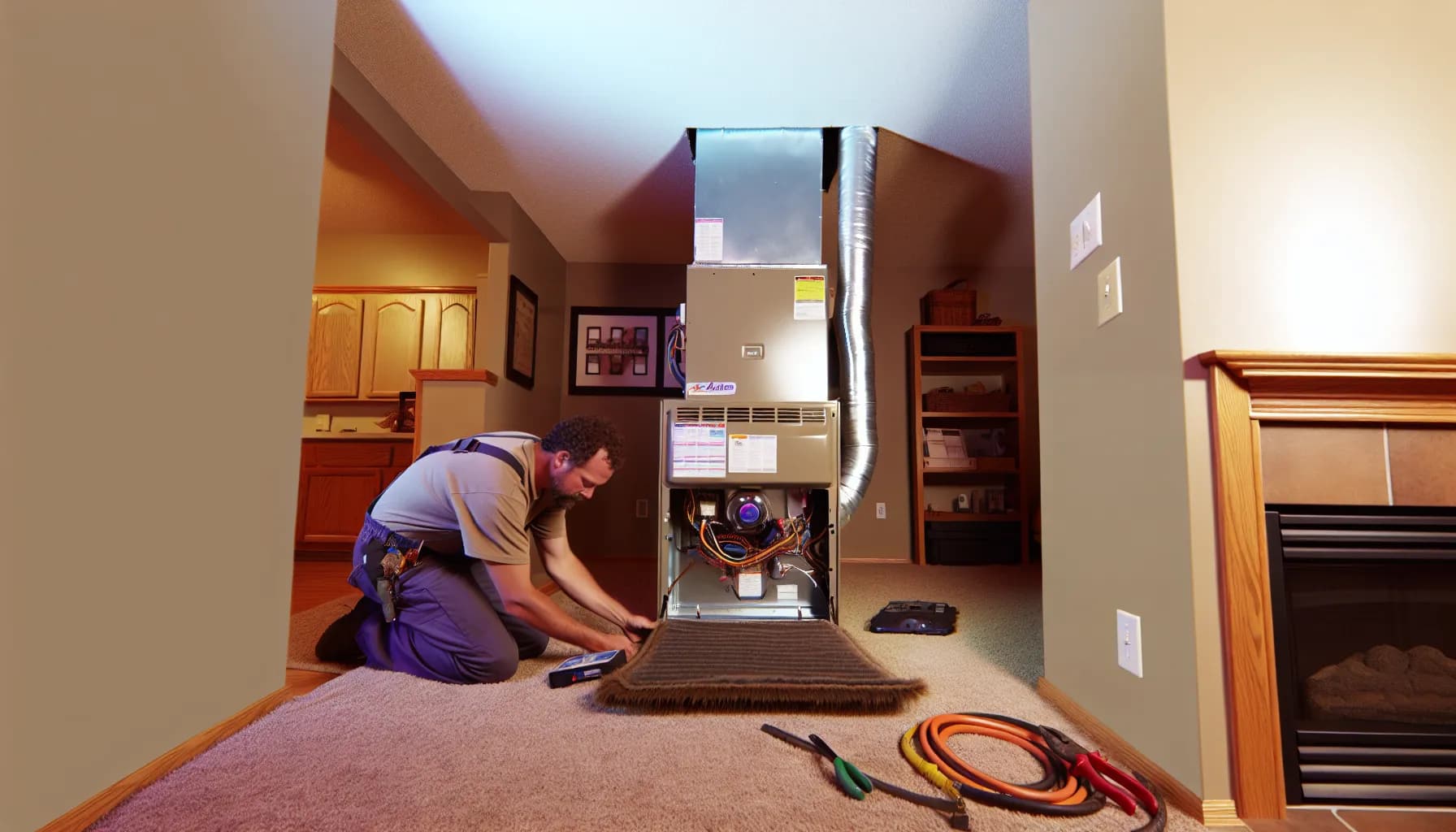
Routine professional maintenance is your strongest defense against carbon monoxide risks. During an annual inspection, Alloy Heating and Cooling technicians check for cracks in the heat exchanger, ensure vents are clear, test for proper combustion, and confirm that safety shutoffs are functioning. Regular tune-ups not only keep your system running efficiently but also prevent dangerous leaks before they start.
In one real-world example, a family in Centennial scheduled a fall furnace check-up. Our technician discovered a minor crack in the heat exchanger that could have become a major safety hazard if left unaddressed. Early detection and timely repairs prevented a potential CO emergency.
Choosing and Installing Carbon Monoxide Detectors
Carbon monoxide detectors are a must-have for every Colorado home. Install detectors on every floor, especially near sleeping areas. Check the batteries twice a year and replace the units every 5-7 years. Hardwired detectors with battery backup offer extra reliability. Alloy Heating and Cooling can recommend and install detectors that meet Colorado’s safety codes, giving you peace of mind.
What to Do If Your Detector Goes Off
If your carbon monoxide detector sounds, treat it as a true emergency. Evacuate everyone immediately and call 911 from outside or a neighbor’s home. Do not attempt to ventilate the house or investigate the source yourself. Emergency responders have specialized equipment to assess the danger and give the all-clear. Afterwards, a certified HVAC technician should inspect and repair your furnace before you return.
What to Do If You Suspect a Carbon Monoxide Leak
Immediate Steps to Take
If you suspect a carbon monoxide problem, whether due to symptoms, warning signs, or a detector alarm, leave your home at once. Get everyone, including pets, to fresh air. Call emergency services for medical attention if anyone is feeling ill. It is better to be safe and let professionals handle the investigation.
Contacting Professionals for Inspection and Repair
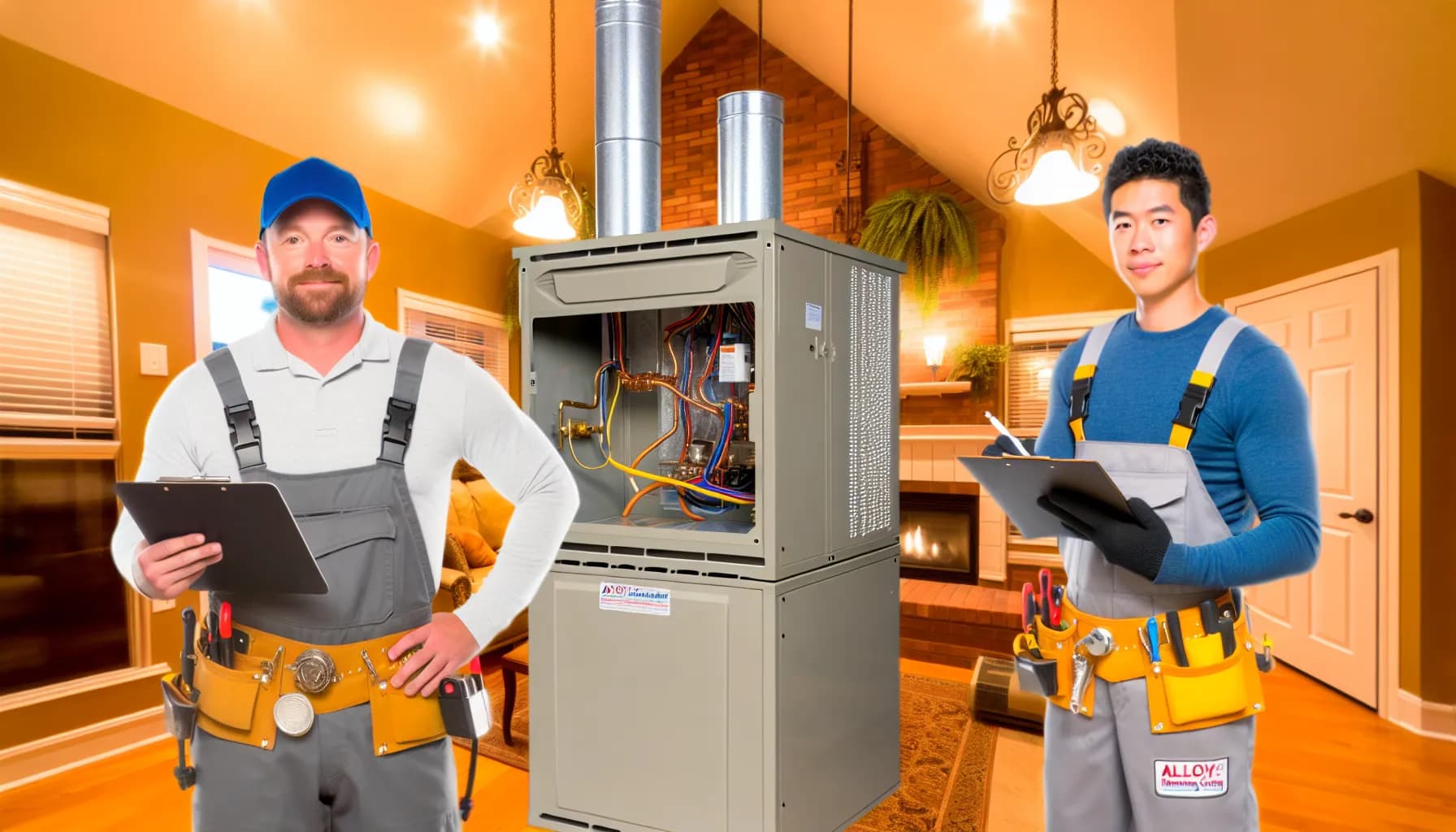
Once the immediate danger has passed, contact a qualified HVAC professional for a thorough inspection. Alloy Heating and Cooling serves homeowners and businesses across Greenwood Village, Littleton, Denver, Boulder, and surrounding communities. Our licensed technicians use industry-leading tools to diagnose and repair carbon monoxide leaks, ensuring your home is safe and your heating system is ready for the next cold snap.
Carbon monoxide safety is everyone’s responsibility. With regular furnace maintenance, proper detector installation, and quick action in emergencies, you can keep your Colorado home comfortable and safe all year long.
Frequently Asked Questions
Can my furnace really cause carbon monoxide in my home?
Yes, furnaces that burn fuel can produce carbon monoxide if they are malfunctioning, poorly maintained, or improperly ventilated.
What are the symptoms of carbon monoxide poisoning?
Common symptoms include headache, dizziness, nausea, shortness of breath, and confusion. High levels can be life-threatening.
How often should I have my furnace inspected for safety?
Experts recommend annual professional inspections to ensure your furnace is operating safely and efficiently.
Are carbon monoxide detectors required in Colorado homes?
Yes, Colorado law requires carbon monoxide detectors to be installed near sleeping areas in most residential properties.
What should I do if my carbon monoxide detector goes off?
Leave your home immediately, call 911, and do not re-enter until professionals declare it safe.

Alloy HVAC Team
HVAC experts with years of experience in the industry. We share tips, insights, and the latest trends in heating, ventilation, and air conditioning to help you maintain optimal comfort in your home or business.