How to Detect and Prevent Carbon Monoxide Leaks from Your Gas Furnace
How to Detect and Prevent Carbon Monoxide Leaks from Your Gas Furnace
Every year, countless families and businesses across Colorado rely on gas furnaces for warmth during our chilly winters. While gas furnaces are efficient and reliable, they also pose a silent risk: carbon monoxide (CO) leaks. At Alloy Heating and Cooling, we have seen the effects of CO leaks firsthand in homes and commercial spaces in Greenwood Village, Englewood, Littleton, and beyond. This guide will help you understand the dangers of carbon monoxide, how to detect leaks, and, most importantly, how to prevent them.
Understanding Carbon Monoxide from Gas Furnaces
What is Carbon Monoxide?
Carbon monoxide is a colorless, odorless, and tasteless gas produced whenever fuel combusts incompletely. Because you can’t see or smell it, CO is often called the “silent killer.” Even low levels can be dangerous over time, especially in enclosed spaces.
How Gas Furnaces Produce Carbon Monoxide
Gas furnaces burn natural gas or propane to create heat. Ideally, this combustion happens cleanly, producing carbon dioxide (CO2) and water vapor. However, if there isn’t enough oxygen for complete combustion, carbon monoxide is created. This can happen due to equipment malfunctions or poor ventilation.
Risks and Symptoms of CO Exposure
Carbon monoxide exposure can cause symptoms similar to the flu: headaches, dizziness, nausea, confusion, and fatigue. Prolonged or high-level exposure can result in unconsciousness or even death. We’ve seen cases in places like Aurora and Castle Rock, where families only realized something was wrong when everyone had persistent headaches or a pet fell ill. Children, seniors, and those with respiratory issues are especially vulnerable.
Common Causes of Carbon Monoxide Leaks in Gas Furnaces
Cracked Heat Exchanger
The heat exchanger is the heart of your furnace, separating combustion gases from the warm air that circulates through your home. Over time, metal fatigue, corrosion, or overheating can cause cracks in the heat exchanger. When this happens, CO-laden exhaust can mix with the air you breathe. In a recent service call in Highlands Ranch, our team discovered a cracked heat exchanger in a five-year-old furnace, a reminder that even newer systems aren’t immune.
Blocked or Leaking Vent Pipes
Your furnace exhausts combustion gases outside through flue or vent pipes. If these pipes become blocked by debris, nests, or snow, or if there are leaks at the joints, CO can backdraft into your home or business. In commercial buildings in Denver, we’ve found birds’ nests and leaves creating dangerous obstructions.
Incomplete Combustion
Poor air supply, dirty burners, or incorrect gas pressure can all result in incomplete combustion and increased CO production. We’ve seen this in older furnaces in Boulder and Aurora, where lack of maintenance led to soot buildup and improper flame characteristics.
How to Detect Carbon Monoxide Leaks from Your Furnace
Installing Carbon Monoxide Detectors
CO detectors are your first line of defense. Place detectors near sleeping areas, on every level of your home, and close to the furnace. Commercial spaces should also have detectors in mechanical rooms and common areas. Choose detectors that are UL-listed for reliability.
Visual Signs of a CO Leak
- Yellow or flickering burner flames (they should be steady and blue)
- Soot or scorch marks around the furnace or vent
- Moisture buildup or excessive condensation on windows near the furnace
- Rust or corrosion on the heat exchanger or vent pipes
Homeowners in Centennial have called us after noticing a sooty residue around their furnace, a classic warning sign.
Professional Inspection and Testing
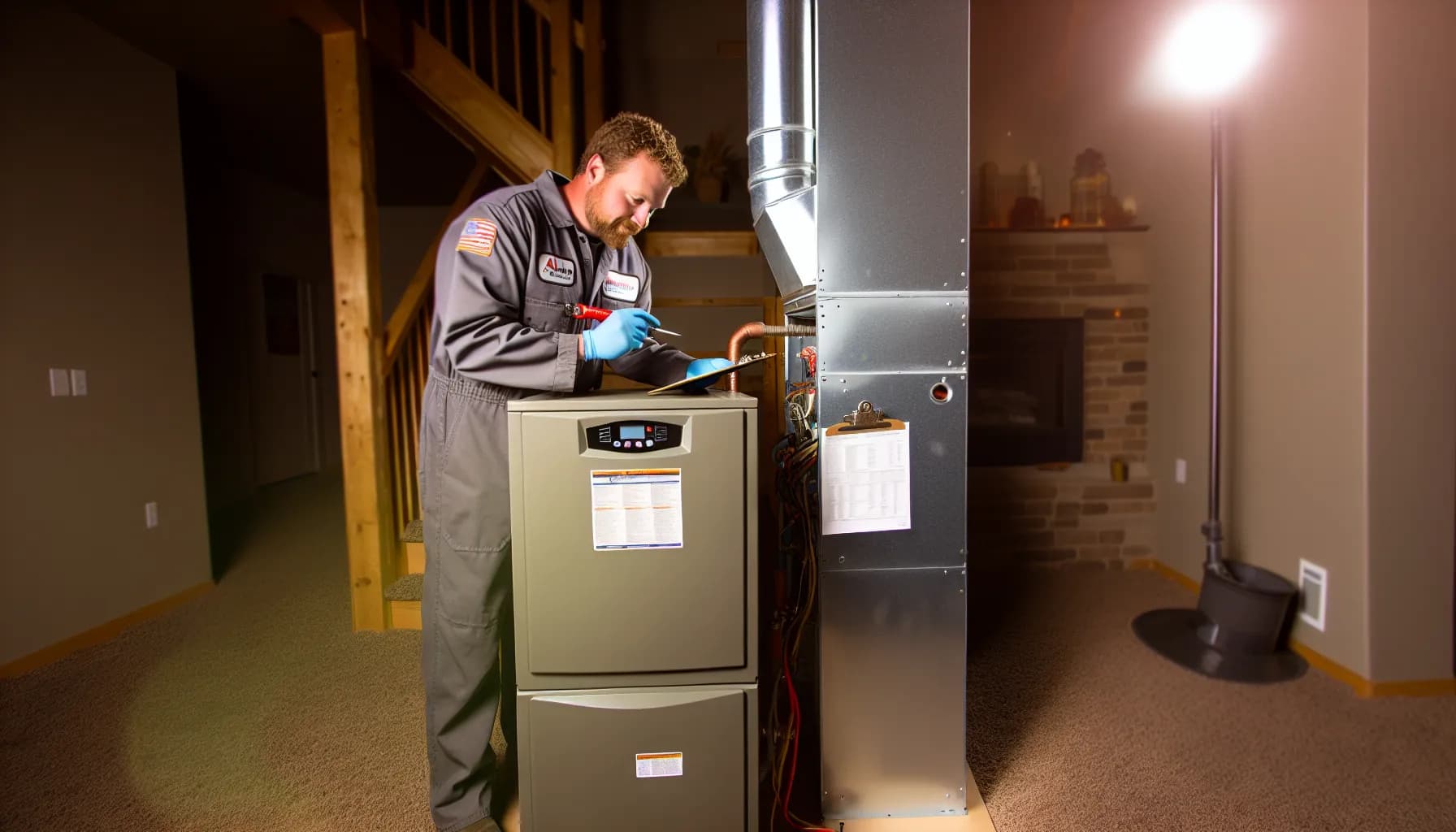
Annual furnace inspections are crucial. At Alloy Heating and Cooling, our technicians use combustion analyzers and CO detectors to test for leaks and unsafe conditions. We check heat exchangers, burner operation, vent integrity, and more. In one Littleton home, our inspection caught a developing leak before it became a hazard, saving the family from potential illness.
Steps to Prevent Carbon Monoxide Leaks from Gas Furnaces
Regular Furnace Maintenance
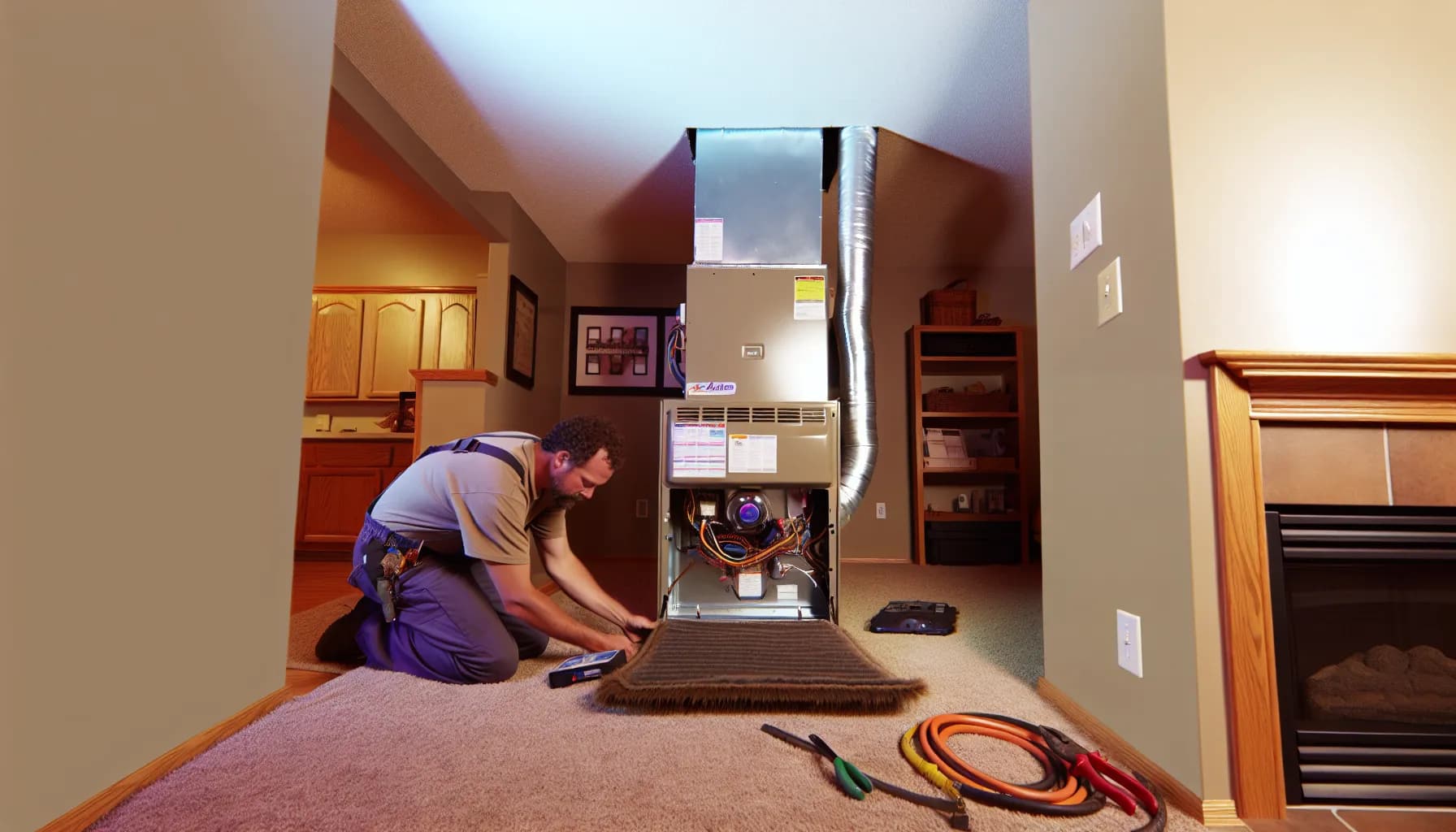
Schedule annual professional maintenance to keep your furnace running safely and efficiently. Maintenance includes cleaning burners, checking for cracks, inspecting vents, and verifying combustion. Regular service helps catch small issues before they become dangerous.
Ensure Proper Ventilation
Make sure nothing blocks your furnace vents or air intake. In homes with new windows or added insulation, ventilation can become restricted. Our technicians can assess your system to ensure proper airflow, even after renovations.
Upgrade to a High-Efficiency Furnace
Modern high-efficiency furnaces have sealed combustion and advanced safety systems, reducing the risk of CO leaks. If your furnace is more than 15 years old, consider an upgrade. We recently installed a new system in a Parker home, which not only improved safety but also lowered energy bills.
What to Do if You Suspect a Carbon Monoxide Leak
Immediate Actions to Take
If your CO detector alarms or you suspect a leak, leave the building immediately. Do not try to find the source. Get everyone outside to fresh air and avoid re-entering until authorities give the all-clear.
Contacting Emergency Services
Once outside, call 911 or your local fire department. If possible, also contact Alloy Heating and Cooling for emergency HVAC service. We prioritize CO emergencies and can work with emergency personnel to make your home or business safe again.
Long-Term Solutions
After the immediate danger is resolved, arrange for a thorough inspection and repair. Our team will identify the source of the leak, repair or replace faulty components, and help you implement long-term prevention strategies. In some cases, we may recommend upgrading your furnace or improving your ventilation system.
FAQs About Carbon Monoxide and Gas Furnaces
Frequently Asked Questions
What are the signs of carbon monoxide from a gas furnace?
Common signs include flu-like symptoms, headaches, dizziness, yellow or flickering pilot lights, soot around the furnace, and excessive condensation on windows.
How can I test my gas furnace for carbon monoxide leaks?
You should install carbon monoxide detectors and schedule annual professional furnace inspections, which include testing for CO leaks.
Can a new gas furnace leak carbon monoxide?
Yes, even new furnaces can leak CO if they are improperly installed or vented, so regular inspections and proper installation are important.
Where should I place carbon monoxide detectors in my home?
Install detectors near sleeping areas, on every level of your home, and close to your gas furnace for early detection.
How often should I have my gas furnace inspected for carbon monoxide safety?
You should have your gas furnace professionally inspected and serviced at least once a year to ensure carbon monoxide safety.

Alloy HVAC Team
HVAC experts with years of experience in the industry. We share tips, insights, and the latest trends in heating, ventilation, and air conditioning to help you maintain optimal comfort in your home or business.