Carbon Monoxide & Your Furnace: Safety Tips for Colorado Homeowners
Carbon Monoxide & Your Furnace: Safety Tips for Colorado Homeowners
Colorado’s cold winters mean furnaces work overtime to keep homes warm and comfortable. However, with increased furnace use comes a greater risk of carbon monoxide (CO) exposure. Carbon monoxide is a colorless, odorless gas that can be deadly. At Alloy Heating and Cooling, we want our neighbors in Greenwood Village, Englewood, Littleton, Lone Tree, Highlands Ranch, Parker, and beyond to understand the risks and know how to prevent CO leaks. Here’s what you need to know about carbon monoxide and furnace safety in Colorado.
Understanding Carbon Monoxide in Your Furnace
What is Carbon Monoxide?
Carbon monoxide is a poisonous gas produced by the incomplete combustion of fuels. It is invisible and has no smell, making it impossible to detect without proper equipment. Even small amounts can cause health problems, while higher concentrations can be fatal within minutes.
How Does Carbon Monoxide Form in Furnaces?
Most furnaces in Colorado run on natural gas, propane, or oil. When these fuels burn completely, they produce heat, water vapor, and carbon dioxide. If combustion is incomplete due to insufficient oxygen, poor burner function, or a malfunctioning component, carbon monoxide is produced instead. Older or poorly maintained furnaces are especially susceptible to this problem.
Common Causes of Carbon Monoxide Leaks in Colorado Homes
- Cracked Heat Exchanger: Over time, the metal heat exchanger in your furnace can crack from thermal stress. CO can pass through these cracks and leak into your home’s air supply.
- Blocked or Disconnected Vents: Snow, ice, debris, or animal nests can block furnace exhaust vents, causing CO to back up into your living space.
- Poor Furnace Maintenance: Dirty burners, worn parts, or incorrect adjustments can disrupt combustion, increasing CO production.
- Improper Installation: Incorrectly sized or installed furnaces and venting can lead to dangerous operating conditions.
Real-world example: Our technician in Highlands Ranch recently found a bird’s nest inside a chimney flue, resulting in CO alarm activation. Removing the blockage and inspecting the system prevented a potential disaster.
Signs of Carbon Monoxide Leaks from Your Furnace
Physical Symptoms of Carbon Monoxide Exposure
Because CO is undetectable by human senses, symptoms are often the first sign of a problem. Early symptoms can mimic the flu, making them easy to overlook. Watch for:
- Headache
- Dizziness or confusion
- Nausea or vomiting
- Shortness of breath
- Fatigue
- Chest pain
Severe or prolonged exposure can lead to loss of consciousness and death. If multiple people in your home experience these symptoms at the same time, especially when the furnace is running, suspect CO exposure.
Visual Indicators Near Your Furnace
- Soot streaks or yellow/brown stains around the furnace or vents
- Excess moisture on windows or walls near the furnace
- Pilot lights that frequently blow out or burn yellow instead of blue
Homeowner scenario: A Centennial customer noticed condensation and dark stains near their furnace room. Our inspection revealed a partially blocked flue and a cracked heat exchanger, both repaired before they became life-threatening.
When to Suspect a Furnace Leak
If your carbon monoxide detector sounds, or if you notice any of the above symptoms or visual signs while the furnace is running, act immediately. Turn off the furnace, ventilate the area, and seek professional help.
Safety Tips for Preventing Carbon Monoxide in Your Furnace
Install and Maintain Carbon Monoxide Detectors
Colorado law requires CO detectors near sleeping areas in all residences. Install detectors on every level of your home, especially near bedrooms and furnace rooms. Test detectors monthly and replace batteries twice a year. Replace units every 5-7 years, or as recommended by the manufacturer.
Schedule Regular Furnace Inspections
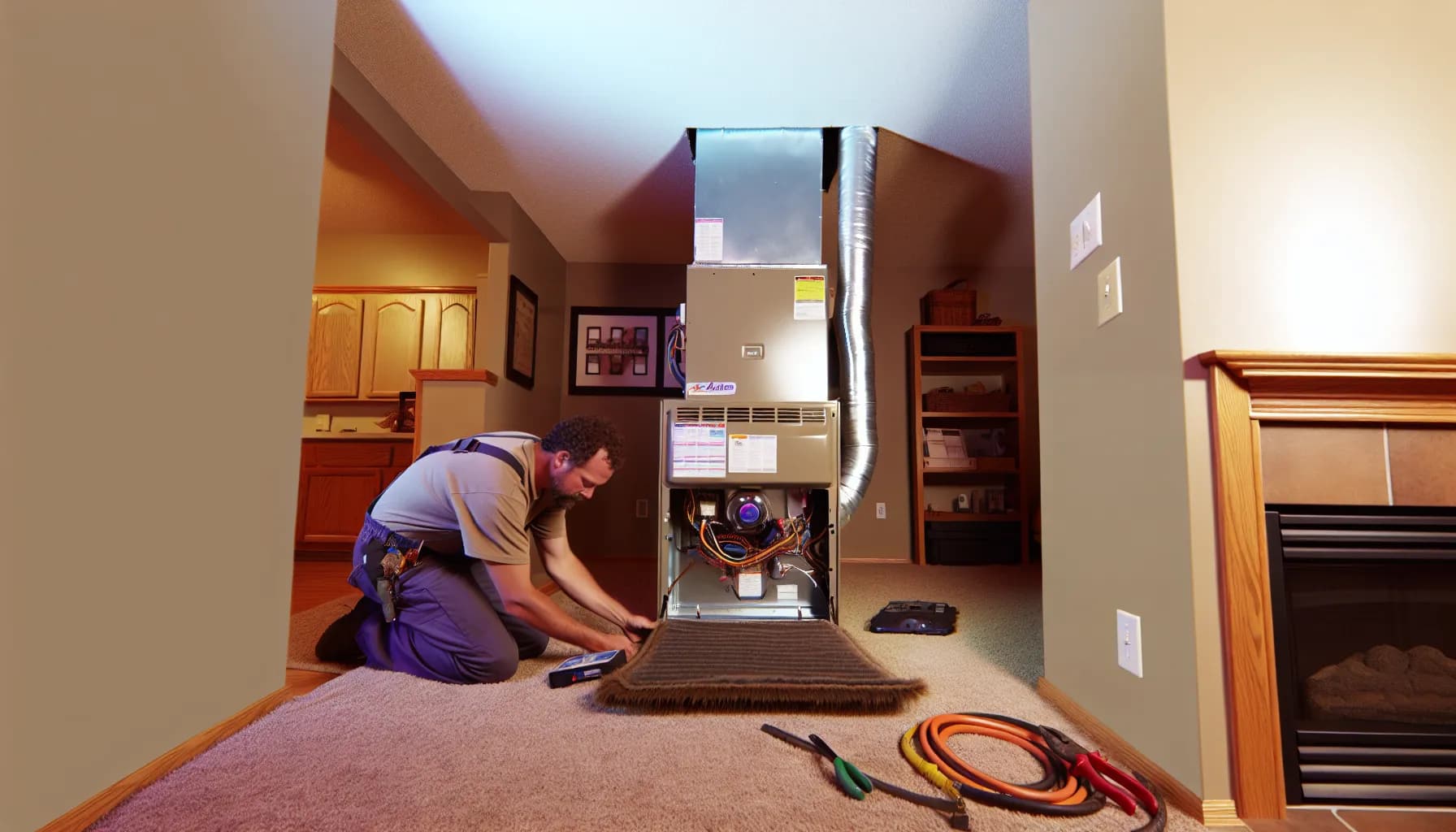
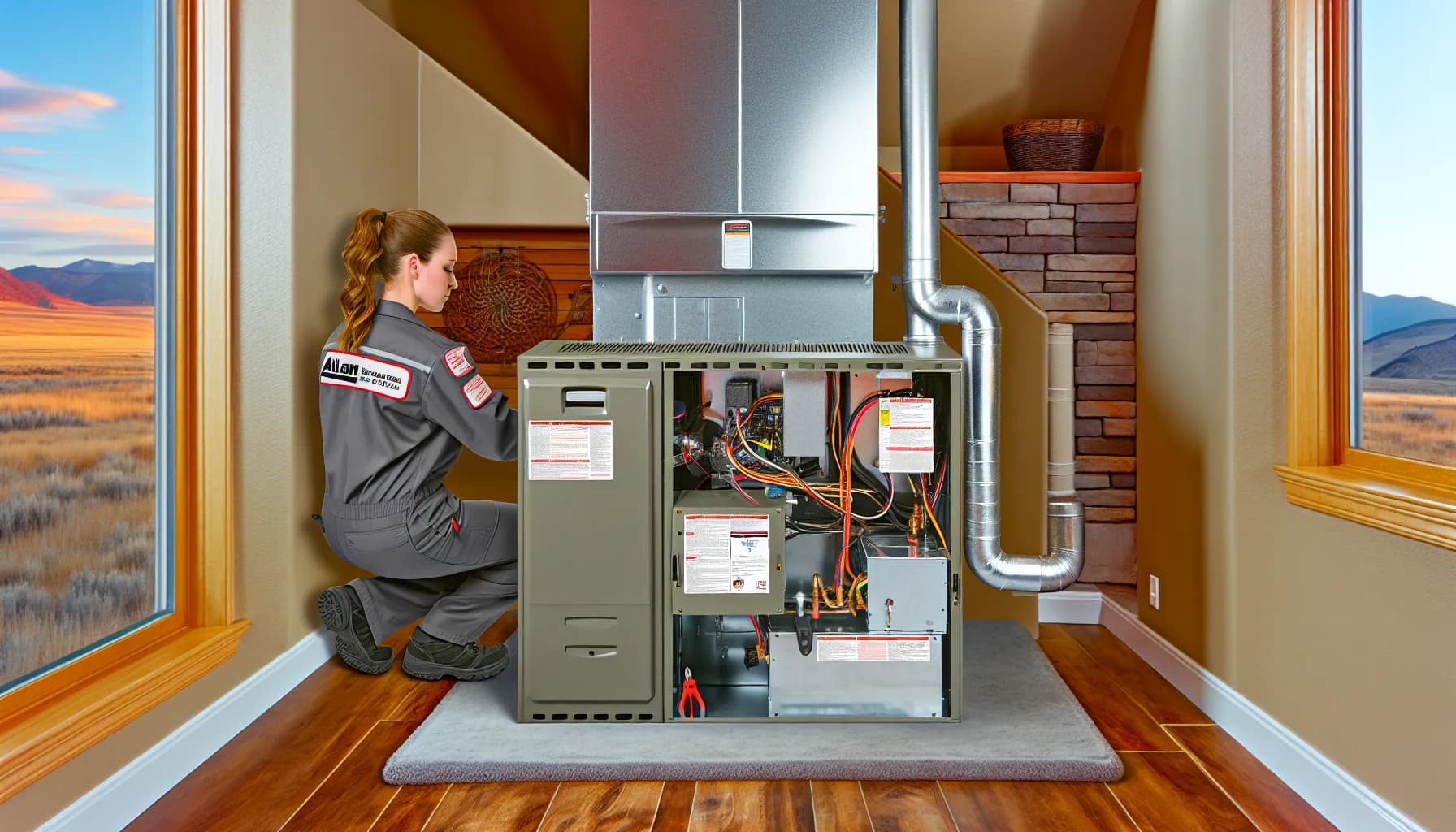
Annual professional furnace inspections are crucial, especially before the heating season. Alloy Heating and Cooling technicians perform combustion analysis, inspect heat exchangers, check for blockages, and ensure safe operation. Regular maintenance can catch problems early, reducing the risk of leaks.
Ensure Proper Furnace Ventilation
Ensure that all furnace vents, flues, and air intakes are clear of obstructions like leaves, snow, or nests. If you have a high-efficiency furnace, check PVC vent pipes outside for blockages after heavy snow or storms. Never close or block air supply vents indoors, as this can disrupt proper combustion.
What to Do if You Suspect a Leak
- Evacuate everyone immediately to fresh air.
- Call 911 from outside your home.
- Do not re-enter until emergency responders say it is safe.
- Have your furnace professionally inspected before using it again.
Colorado Regulations and Recommendations
State Laws Regarding Carbon Monoxide Detectors
Colorado state law (House Bill 09-1091) requires carbon monoxide detectors in all new and existing homes that have fuel-burning appliances or attached garages. Detectors must be installed within 15 feet of each sleeping area.
Recommended Inspection Frequency for Colorado Homeowners
We recommend annual furnace inspections for all Colorado homeowners, ideally before the heating season starts. For homes with older furnaces or in areas with frequent power outages (like Evergreen or Morrison), biannual checks may be warranted. Regular inspections help ensure compliance with local codes and keep your family or employees safe.
Choosing a Qualified Furnace Professional in Colorado
What to Look for in a Furnace Technician
Choose a company that is licensed, insured, and experienced with your specific furnace brand and fuel type. Look for technicians certified by organizations like NATE (North American Technician Excellence) or EPA. Read local reviews, like those from our happy customers in Parker, Boulder, and Castle Rock, to gauge a company’s reliability and expertise.
Questions to Ask Before Hiring
- Are you licensed and insured in Colorado?
- Do you offer written estimates and warranties on repairs?
- What training and certifications do your technicians have?
- Will you provide a detailed inspection report?
- Can you provide references from local homeowners or businesses?
Choosing the right professional can make all the difference for your safety and peace of mind. Alloy Heating and Cooling is proud to serve the Front Range and beyond with transparent, expert service.
Protect your family or business by staying informed and proactive. If you have questions or want to schedule an inspection, contact Alloy Heating and Cooling today.
Frequently Asked Questions
How does carbon monoxide get into my furnace?
Carbon monoxide can develop in your furnace due to incomplete combustion, blocked vents, cracked heat exchangers, or poor maintenance leading to unsafe operating conditions.
What are the symptoms of carbon monoxide poisoning from a furnace?
Symptoms include headache, dizziness, nausea, confusion, and flu-like symptoms. Severe exposure can lead to unconsciousness or death. If you suspect poisoning, seek fresh air and emergency help immediately.
How often should I have my furnace checked for carbon monoxide?
Colorado homeowners should schedule professional furnace inspections annually, ideally before the heating season, to ensure safe and efficient operation.
Are carbon monoxide detectors required in Colorado homes?
Yes, Colorado law requires carbon monoxide detectors in residential properties near sleeping areas to help protect against undetected leaks.
What should I do if my carbon monoxide alarm goes off?
Immediately evacuate everyone from the home, call 911, and do not re-enter until authorities confirm it is safe. Have your furnace inspected by a qualified professional before using it again.

Alloy HVAC Team
HVAC experts with years of experience in the industry. We share tips, insights, and the latest trends in heating, ventilation, and air conditioning to help you maintain optimal comfort in your home or business.