Can a Furnace Cause Carbon Monoxide? What Every Colorado Homeowner Should Know
Can a Furnace Cause Carbon Monoxide? What Every Colorado Homeowner Should Know
Living in Colorado means relying on your furnace to keep your home comfortable during our long, chilly winters. But while your furnace works hard to keep you warm, it’s important to be aware of the risks associated with carbon monoxide (CO) leaks. As a trusted HVAC provider serving Greenwood Village, Englewood, Littleton, Lone Tree, Highlands Ranch, and the greater Denver area, Alloy Heating and Cooling is committed to helping homeowners and businesses stay safe. In this article, we’ll explain how furnaces can cause carbon monoxide leaks, what signs to watch for, and how to protect your family and property.
Understanding Carbon Monoxide and Furnaces
What is Carbon Monoxide?
Carbon monoxide is a colorless, odorless, and tasteless gas produced whenever fuels like natural gas, propane, oil, wood, or coal are burned. Unlike smoke, carbon monoxide cannot be detected by sight or smell, which makes it particularly dangerous. Even in small amounts, CO exposure can be harmful or even fatal. Because of Colorado’s cold winters and heavy furnace usage, understanding the dangers of carbon monoxide is crucial for every homeowner.
How Do Furnaces Work?
Most Colorado homes use gas or oil furnaces. These systems heat air by burning fuel, then distribute the warm air throughout your home using ducts. The combustion process takes place in a closed chamber called the heat exchanger. The heat exchanger transfers warmth to the air, while combustion gases, including carbon monoxide, are vented safely outside through a flue or chimney.
Why Furnaces Can Produce Carbon Monoxide
When a furnace operates normally, carbon monoxide is safely carried outside. Problems arise when something disrupts this process, such as cracks in the heat exchanger, blocked vents, or malfunctioning burners. In these cases, carbon monoxide may escape into your home’s air, creating a serious health risk. This is why regular maintenance and understanding your furnace’s operation are so important.
Common Causes of Carbon Monoxide Leaks in Furnaces
Cracked Heat Exchangers
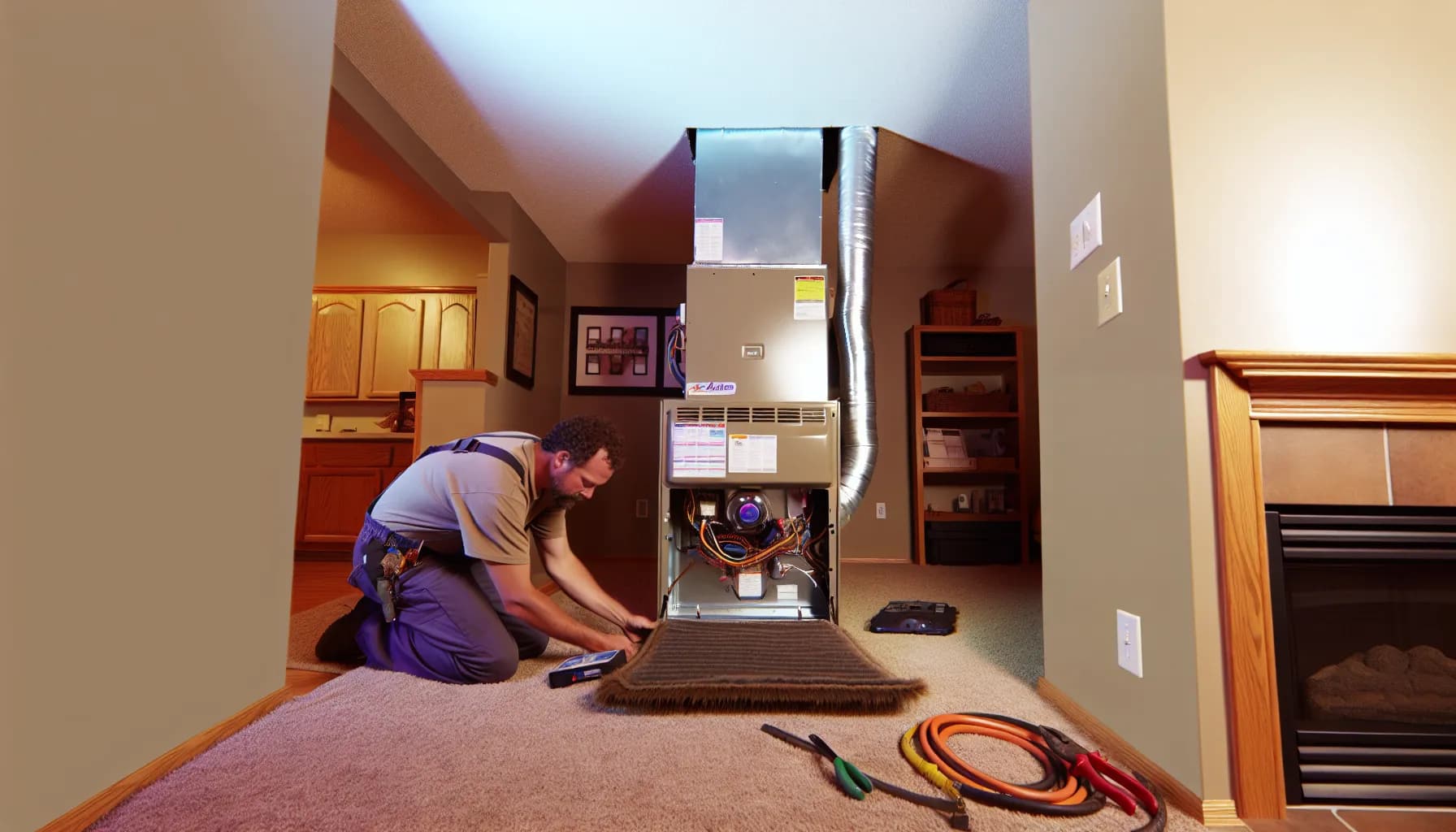
The heat exchanger is a vital component that keeps combustion gases separate from the air you breathe. Over time, heat exchangers can crack due to metal fatigue, corrosion, or overheating. When this happens, carbon monoxide and other gases can seep into your home’s air supply. For example, a homeowner in Highlands Ranch once called us after noticing a faint, odd smell and yellowing around their furnace. Our inspection revealed a cracked heat exchanger, and we were able to replace it before any harm was done.
Poor Ventilation or Blocked Flues
Your furnace relies on proper ventilation to safely remove combustion gases. If the flue or vent pipe becomes blocked by debris, animal nests, or snow (a common issue in Colorado), gases like carbon monoxide can back up into your home. We’ve seen this happen in homes in Parker and Evergreen, where birds had built nests in rooftop vents during the off-season. Routine checks can prevent these blockages from becoming hazards.
Improper Installation or Maintenance
Furnaces must be installed and maintained according to manufacturer specifications and local codes. Poor installation, such as incorrect vent sizing or loose connections, can cause incomplete combustion or prevent gases from venting properly. Inadequate maintenance, like failing to clean burners or replace filters, can also lead to CO production. In one Denver rental property, a DIY furnace installation led to persistent pilot light issues and eventual CO detector alarms. Professional correction of the venting system resolved the problem and ensured tenant safety.
Symptoms of Carbon Monoxide Exposure
Health Effects of Carbon Monoxide Poisoning
Carbon monoxide is dangerous because it prevents your blood from carrying oxygen. Early symptoms can feel like the flu and are often mistaken for seasonal illness. These include:
- Headaches
- Dizziness
- Nausea or vomiting
- Confusion
- Shortness of breath
- Fatigue or weakness
Prolonged or high-level exposure can lead to unconsciousness, organ damage, or even death. Vulnerable individuals, such as children, elderly, and pets, are at higher risk. If you or your family experience these symptoms, especially when the furnace is running, treat it as an emergency.
Warning Signs in Your Home
While CO itself has no smell or color, there are some clues that your furnace may be leaking carbon monoxide:
- Frequent pilot light outages or burner problems
- Streaks of soot or yellow/brown discoloration around the furnace
- Excess moisture on windows or walls near the furnace
- Rust on flue pipes or appliance jacks
- Unexplained condensation on cold surfaces
In a real-world example, a Littleton homeowner noticed sudden headaches and a stuffy feeling in their basement. A CO detector eventually sounded, and our team discovered a blocked flue pipe. Clearing the blockage and inspecting the system prevented further exposure.
How Colorado Homeowners Can Prevent Carbon Monoxide Leaks
Routine Furnace Maintenance
The most effective way to protect your home from carbon monoxide is through annual professional furnace maintenance. Regular service includes:
- Inspecting the heat exchanger for cracks or corrosion
- Checking and cleaning burners
- Verifying vent and flue integrity
- Testing safety controls and ignition systems
At Alloy Heating and Cooling, we offer comprehensive maintenance plans that give Colorado homeowners peace of mind. For instance, our technician discovered a failing heat exchanger in a Centennial home during a routine tune-up, allowing the homeowner to replace it before winter arrived.
Installing Carbon Monoxide Detectors
Colorado law requires carbon monoxide detectors in homes with fuel-burning appliances or attached garages. Place detectors near bedrooms, on every level of your home, and outside sleeping areas. Test them monthly and replace batteries at least once a year. Detectors provide immediate warning of dangerous CO levels, buying you precious time to get to safety. In Boulder, one family credits their detector with alerting them to a malfunction before anyone got sick.
What to Do If You Suspect a Leak
If your carbon monoxide detector sounds or you suspect a leak:
- Leave your home immediately and move everyone to fresh air
- Call 911 or your local fire department
- Do not re-enter the home until it is declared safe by professionals
- Contact an HVAC professional to inspect and repair the furnace
Never ignore CO alarms or try to “ventilate” the home yourself. Quick action can save lives.
Importance of Professional Furnace Inspections in Colorado
How Inspections Help Prevent CO Leaks
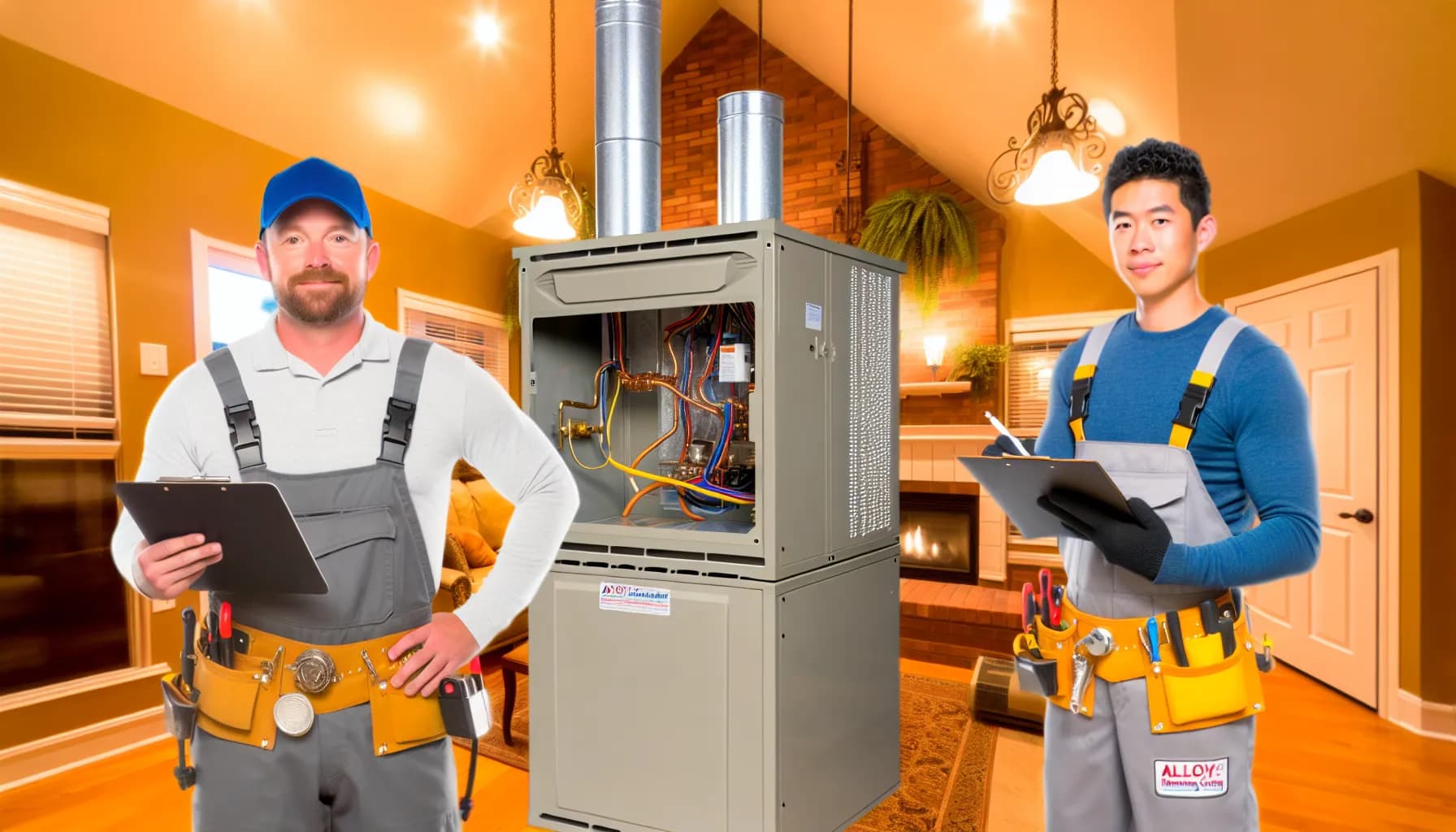
Professional furnace inspections go beyond basic checks. Certified HVAC technicians use specialized tools to detect cracks, measure combustion gases, and verify system safety. These inspections are especially important in Colorado, where altitude can affect furnace performance and increase the risk of incomplete combustion. Regular inspections help identify issues early, reduce the chance of breakdowns, and extend the life of your equipment.
Choosing a Qualified HVAC Technician
When selecting a technician, look for:
- Proper licensing and insurance
- Experience with your specific furnace brand and model
- Positive local reviews and references
- Certifications from organizations like NATE (North American Technician Excellence)
At Alloy Heating and Cooling, our technicians are highly trained and familiar with the unique needs of Colorado homes and businesses. Whether you’re in Castle Rock, Aurora, or Morrison, we offer prompt, thorough inspections to keep your heating system safe and efficient.
Conclusion: Stay Safe with Alloy Heating and Cooling
Carbon monoxide from a furnace is a real risk, but with knowledge and proactive care, you can protect your home and loved ones. Remember these key steps:
- Schedule annual professional furnace maintenance and inspections
- Install and maintain carbon monoxide detectors as required by Colorado law
- Address furnace issues or warning signs without delay
If you live in Greenwood Village, Highlands Ranch, Denver, or any of the surrounding communities, Alloy Heating and Cooling is here to help. Our experienced team provides expert HVAC installation, repair, and maintenance to keep your home safe and comfortable all year long. Don’t wait until it’s too late, schedule your furnace inspection today and enjoy peace of mind this heating season.
Frequently Asked Questions
Can a furnace cause carbon monoxide leaks?
Yes, a furnace can cause carbon monoxide leaks if it is malfunctioning, poorly maintained, or improperly installed. Common issues include cracked heat exchangers, blocked vents, or faulty burners.
What are the signs of carbon monoxide poisoning from a furnace?
Symptoms can include headaches, dizziness, nausea, confusion, and flu-like symptoms. If multiple people in your home experience these symptoms, especially when the furnace is running, seek fresh air and medical help immediately.
How can I prevent carbon monoxide leaks from my furnace?
Schedule regular professional maintenance, install carbon monoxide detectors, keep vents clear, and address furnace issues right away to minimize the risk of leaks.
Are carbon monoxide detectors required in Colorado homes?
Yes, Colorado law requires carbon monoxide detectors in homes with fuel-burning appliances or attached garages. Detectors should be installed near sleeping areas and regularly tested.
How often should I have my furnace inspected for safety?
It’s recommended to have your furnace inspected and serviced by a qualified HVAC technician at least once a year, preferably before the heating season begins.

Alloy HVAC Team
HVAC experts with years of experience in the industry. We share tips, insights, and the latest trends in heating, ventilation, and air conditioning to help you maintain optimal comfort in your home or business.