Can Your Furnace Cause Carbon Monoxide? Safety Tips for Colorado Homeowners
Can Your Furnace Cause Carbon Monoxide? Safety Tips for Colorado Homeowners
Colorado’s chilly winters mean your furnace often works overtime to keep your home or business comfortable. But with heating comes an important question: Can your furnace cause carbon monoxide (CO)? Understanding this risk and knowing how to protect your household is essential for every Colorado homeowner and small business owner.
Understanding the Link: Can a Furnace Cause Carbon Monoxide?
How Furnaces Work in Colorado Homes
Your furnace heats your home by burning fuel, typically natural gas, propane, or oil, to create warm air that is distributed through your ductwork. During this combustion process, several byproducts are produced, including carbon monoxide, a colorless, odorless, and potentially deadly gas. A properly functioning furnace channels CO safely outside through a vent or flue.
Sources of Carbon Monoxide in Furnaces
Carbon monoxide forms when fuel does not burn completely. In most Colorado homes, this risk arises from:
- Incomplete combustion due to lack of oxygen or faulty burners
- Malfunctioning or blocked venting systems
- Cracked or rusted heat exchangers allowing CO to mix with indoor air
Types of Furnaces and CO Risks
Most modern gas and propane furnaces are designed with extensive safety features. However, older furnaces or those that have not been regularly maintained are at higher risk of developing problems. Oil furnaces and some wood-burning systems can also generate CO if they are not properly vented or maintained. Even high-efficiency furnaces can pose risks if their vent pipes become blocked by snow or debris, a real concern in Colorado’s snowy climate.
Common Causes of Carbon Monoxide Leaks from Furnaces
Cracked Heat Exchangers
The heat exchanger is the critical barrier that keeps combustion gases, including carbon monoxide, separate from the air that circulates through your home. Over time, heat exchangers can crack due to age, corrosion, or stress. When this happens, CO can escape into your living spaces. A homeowner in Highlands Ranch recently contacted us after noticing their carbon monoxide detector alarming. Our technician discovered a cracked heat exchanger in a 20-year-old furnace, prompt action prevented a serious health risk.
Blocked or Improper Venting
Furnaces rely on vent pipes or flues to carry combustion gases outside. If these vents become blocked by animal nests, snow, ice, or debris, or if the venting was incorrectly installed, CO can back up and seep into your home. We have seen this in Aurora, where melting snow refroze and blocked a vent pipe, causing a CO detector to signal an alert.
Poor Furnace Maintenance
Regular maintenance is the key to furnace safety. Dirty burners, clogged filters, and faulty ignition systems can all lead to incomplete combustion and CO production. Homeowners who skip annual tune-ups are more likely to experience CO problems, especially during the heavy-use winter months.
Warning Signs of Carbon Monoxide from Your Furnace
Physical Symptoms in People and Pets
Carbon monoxide is known as the “silent killer” because it has no color or smell. Symptoms of exposure can be subtle at first but become life-threatening with prolonged exposure. Watch for:
- Headaches or dizziness
- Nausea or vomiting
- Fatigue or confusion
- Shortness of breath
- Sudden flu-like symptoms that improve when you leave the house
Pets may also become lethargic or unusually disoriented. In one case in Littleton, a family noticed their dog acting weak and discovered a dangerous CO level in their home due to a blocked vent.
Visible Signs in and Around Your Furnace
- Soot or yellow/brown staining around the furnace or vent pipes
- Pilot light frequently going out or burning yellow instead of blue
- Excess moisture or condensation on windows and walls near the furnace
- Unusual smells, such as burning or overheating components (though CO itself is odorless)
Essential Furnace Safety Tips for Colorado Homeowners
Regular Furnace Inspections and Maintenance
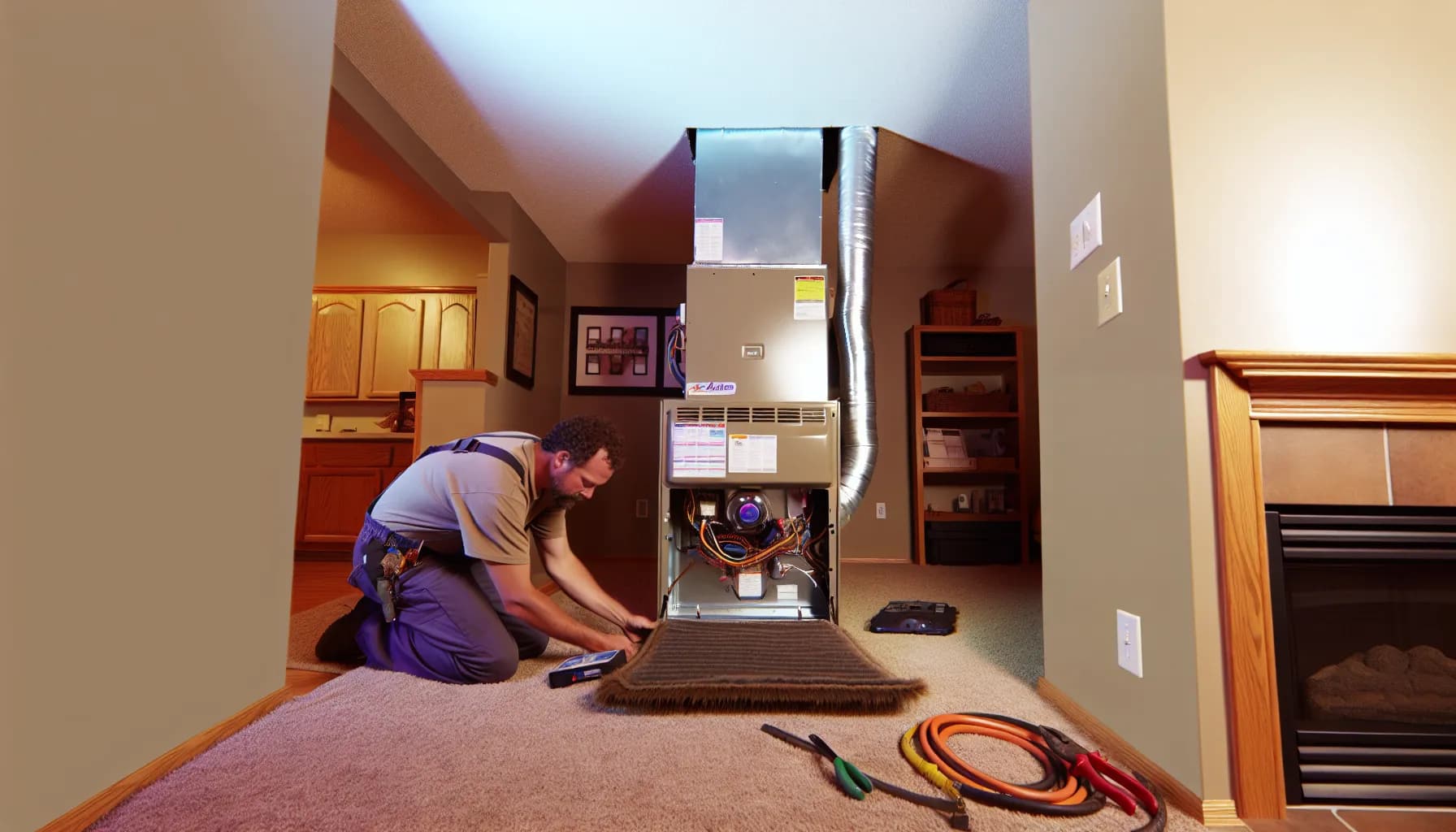
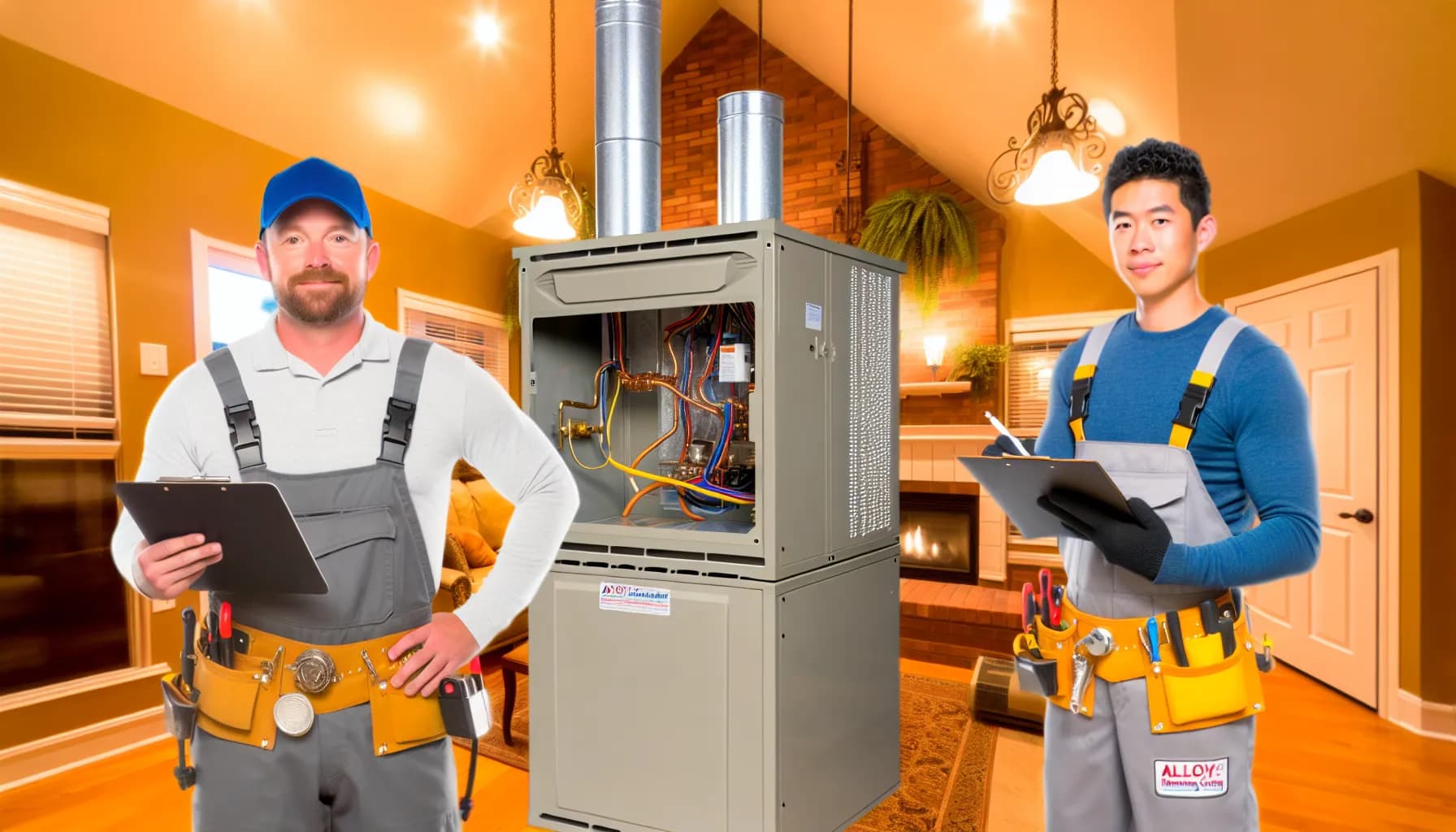
Schedule annual furnace inspections with a licensed HVAC professional prior to each heating season. At Alloy Heating and Cooling, we thoroughly check for:
- Cracked heat exchangers
- Blocked or damaged vents
- Proper combustion and ignition
- Dirty burners and filters
- Safe electrical connections
Routine maintenance not only extends the life of your furnace but also ensures your family’s safety.
Installing Carbon Monoxide Detectors
Colorado law requires carbon monoxide detectors near every sleeping area in homes with fuel-burning appliances or attached garages. Install detectors on every level of your home and test them monthly. Replace batteries twice a year and the detectors themselves every 5-7 years. In commercial spaces, detectors should be placed in mechanical rooms and common areas.
What to Do If You Suspect a CO Leak
If your CO detector goes off or you notice symptoms of exposure, take it seriously. Do not try to locate the source yourself. Turn off the furnace if safe to do so, evacuate immediately, and call emergency services. Then contact Alloy Heating and Cooling so we can safely inspect and repair your system.
What to Do in Case of a Carbon Monoxide Emergency
Immediate Steps to Take
- Evacuate everyone, including pets, from the building right away
- Open windows and doors as you leave to ventilate the space
- Call 911 or your local fire department from outside
When to Call Emergency Services
If anyone is experiencing symptoms of CO poisoning, seek medical attention immediately. Emergency responders can assess CO levels and ensure your property is safe before you return. After the immediate danger is addressed, call Alloy Heating and Cooling to inspect and repair your furnace or venting system before using your heating system again.
Conclusion
Carbon monoxide is a real risk with any fuel-burning furnace, but with proper maintenance, working detectors, and quick action when problems arise, you can keep your Colorado home or business safe and warm all winter long. Alloy Heating and Cooling is here to help with expert inspections, repairs, and advice. If you have questions or need to schedule a furnace check, contact our team today. Your comfort and safety are always our top priorities.
Frequently Asked Questions
Can a properly working furnace cause carbon monoxide?
A properly installed and maintained furnace should not produce dangerous levels of carbon monoxide. However, malfunctions or lack of maintenance can lead to CO leaks.
How often should I have my furnace inspected for carbon monoxide leaks?
Experts recommend having your furnace inspected and serviced by a certified technician at least once a year, ideally before the heating season begins.
What are the symptoms of carbon monoxide poisoning from a furnace?
Common symptoms include headaches, dizziness, nausea, confusion, and flu-like symptoms. In severe cases, it can cause unconsciousness or death.
Are carbon monoxide detectors required in Colorado homes?
Yes, Colorado law requires carbon monoxide detectors to be installed near sleeping areas in homes with fuel-burning appliances or attached garages.
Can I fix a carbon monoxide leak in my furnace myself?
No, carbon monoxide leaks should be addressed by licensed professionals. Attempting DIY repairs can be dangerous. Always contact a qualified technician if you suspect a leak.

Alloy HVAC Team
HVAC experts with years of experience in the industry. We share tips, insights, and the latest trends in heating, ventilation, and air conditioning to help you maintain optimal comfort in your home or business.