Carbon Monoxide Risks from Furnaces in Colorado: Prevention and Safety Tips
Carbon Monoxide Risks from Furnaces in Colorado: Prevention and Safety Tips
With Colorado’s long, cold winters, furnaces work hard to keep homes and businesses comfortable. However, this increased use brings a higher risk of carbon monoxide (CO) exposure. Carbon monoxide is a silent, invisible threat that can have severe, even fatal, consequences if left unchecked. At Alloy Heating and Cooling, we believe that understanding the risks, causes, and prevention of CO leaks is essential for every homeowner, small business, and commercial property in Colorado, from Greenwood Village to Boulder and beyond.
Understanding Carbon Monoxide in Furnaces
What is Carbon Monoxide?
Carbon monoxide is a colorless, odorless, and tasteless gas produced by the incomplete combustion of fuels such as natural gas, propane, oil, or wood. Because it is undetectable without specialized equipment, CO is often referred to as the “silent killer.” Exposure to even small amounts can cause serious health problems, and high concentrations can be fatal within minutes.
How Furnaces Produce Carbon Monoxide
Most Colorado homes and businesses use gas or oil furnaces, which burn fuel to generate heat. When operating correctly, combustion gases are safely vented outside through a flue or chimney. However, if there is incomplete combustion or a problem with the venting system, carbon monoxide can escape into the living space. Common factors include dirty burners, malfunctioning components, or inadequate airflow.
Why Colorado Homes Are at Risk
Colorado’s climate means people rely on their furnaces for months at a time. Homes are often tightly sealed for energy efficiency, which can trap gases indoors if a leak occurs. The combination of extended furnace use, older heating systems, and airtight construction increases the risk of carbon monoxide exposure. Real-world example: In Centennial, a homeowner experienced headaches and fatigue during winter. After installing CO detectors, a leak was discovered from a cracked heat exchanger in their older furnace, a common scenario that proper maintenance could have prevented.
Common Causes of Carbon Monoxide Leaks in Furnaces
Cracked Heat Exchangers
The heat exchanger is a critical furnace component that separates combustion gases from the air that circulates in your home. Over time, heat exchangers can develop cracks due to stress or corrosion. When this happens, CO can seep into the air ducts. Alloy Heating and Cooling technicians often find cracked heat exchangers in furnaces over 15 years old, especially those without regular maintenance. For example, a Littleton family called us after their CO alarm sounded. Our inspection revealed a cracked heat exchanger as the source, prompting immediate repairs and restoring safety.
Blocked or Improperly Vented Chimneys
Chimneys and flues are designed to vent combustion gases safely outside. Blockages from bird nests, debris, or ice can prevent gases from escaping, causing them to back up into the home. Similarly, improper installation or damaged vent pipes compromise venting efficiency. In Highlands Ranch, a business owner reported strange odors near the furnace. Our team found a bird’s nest blocking the vent, creating a dangerous buildup of CO inside the building. Clearing the vent resolved the issue, an example of how vent obstructions are a real risk.
Poor Furnace Maintenance
Neglecting annual furnace maintenance is a leading cause of carbon monoxide leaks. Dirty burners, corroded parts, and worn-out safety controls can all result in incomplete combustion and CO production. Routine inspections and professional tune-ups are crucial for catching these issues early. In Aurora, a homeowner skipped maintenance for several years and later experienced mild CO poisoning symptoms. A comprehensive inspection revealed multiple maintenance issues contributing to a CO leak, highlighting the importance of regular service.
Prevention Tips for Carbon Monoxide Exposure
Annual Furnace Inspections
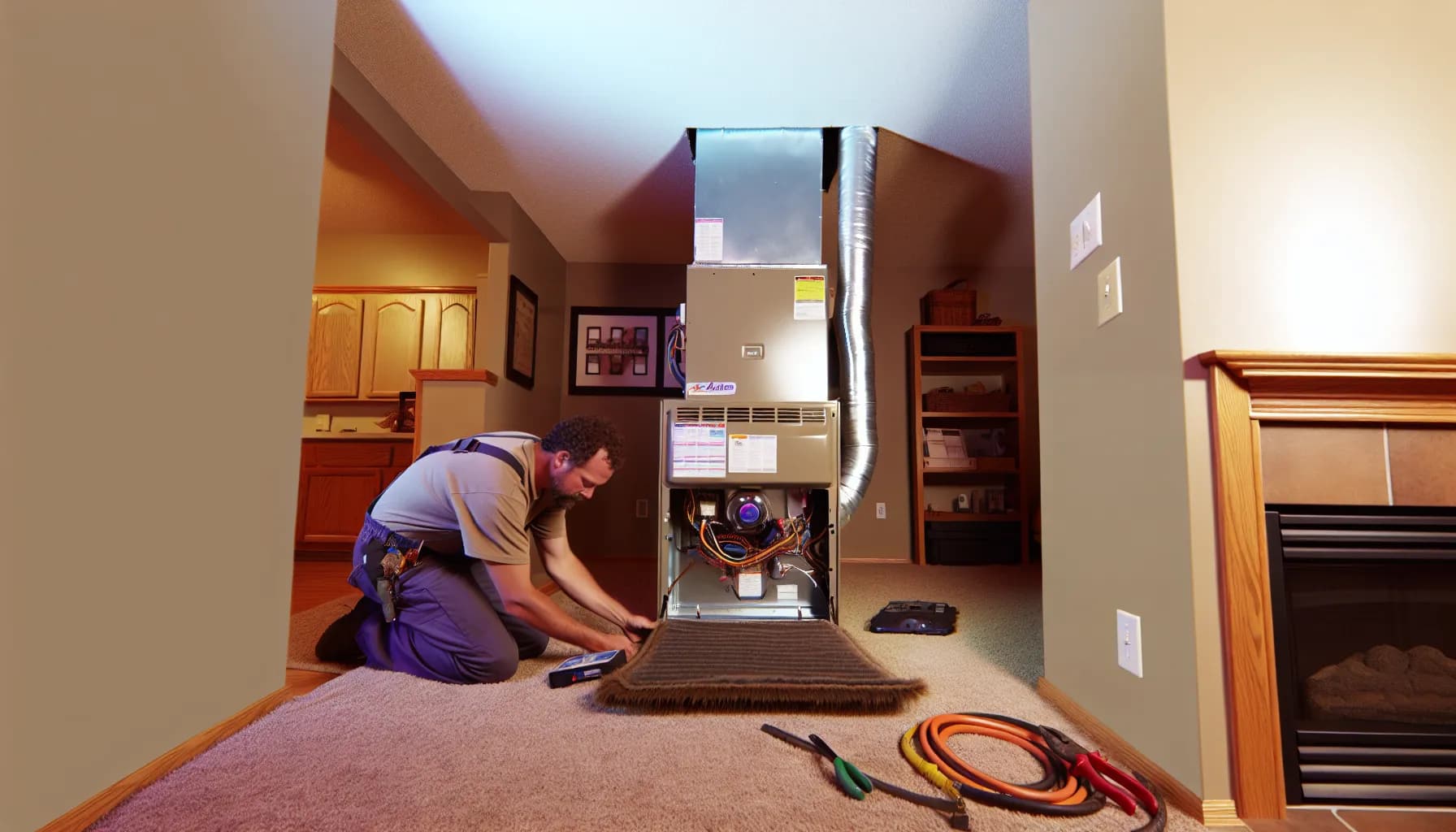
Regular professional inspections are the best defense against CO leaks. During an annual checkup, certified technicians will:
- Inspect and test the heat exchanger for cracks or corrosion
- Check burners for proper operation and cleanliness
- Examine venting systems for blockages or leaks
- Test safety controls and carbon monoxide levels
Scheduling annual maintenance before heating season starts ensures your furnace operates safely. At Alloy Heating and Cooling, we serve customers throughout the Denver metro and Front Range, offering expert inspections tailored to Colorado’s unique needs.
Proper Installation and Ventilation
Correct furnace installation is essential for safe operation. This includes:
- Ensuring all vent pipes are properly connected and sized
- Installing combustion air intakes for modern, airtight homes
- Using approved materials for venting, such as stainless steel or aluminum
Improper installation can cause backdrafting, where exhaust gases re-enter the home. Alloy Heating and Cooling follows all manufacturer and local code requirements for installations, prioritizing your safety. For instance, in Castle Rock, we replaced an outdated furnace with a high-efficiency model and corrected venting issues, reducing CO risk and improving indoor air quality.
Regular Replacement of Furnace Filters
Clogged or dirty filters restrict airflow, causing furnaces to work harder and potentially produce more CO. Change your furnace filter every 1 to 3 months during heating season, or more often if you have pets or allergies. In Parker, one homeowner noticed their furnace was cycling off unexpectedly. A quick filter replacement restored airflow and prevented further issues. Clean filters not only improve safety but also enhance energy efficiency and comfort.
Carbon Monoxide Detection and Safety Measures
Installing Carbon Monoxide Detectors
Carbon monoxide detectors save lives. Install detectors:
- On every level of your home or business
- Near sleeping areas and bedrooms
- Close to fuel-burning appliances like furnaces, water heaters, and fireplaces
Test detectors monthly, replace batteries twice a year, and follow manufacturer guidelines for replacement, usually every 5 to 7 years. In Wheat Ridge, a CO detector alerted a family to a dangerous leak while they slept, allowing them to evacuate safely and avoid tragedy. This scenario underscores the importance of working detectors in every Colorado home.
Recognizing Symptoms of Carbon Monoxide Poisoning
Symptoms of carbon monoxide poisoning can be mistaken for the flu or fatigue. Common signs include:
- Headaches
- Dizziness or confusion
- Nausea or vomiting
- Shortness of breath
- Fatigue or weakness
If multiple people in your home experience these symptoms, especially during winter or when the furnace is running, suspect CO exposure. In Lakewood, a family reported persistent headaches. Their doctor suggested checking for CO, which led to discovering a blocked vent in their furnace room. Action and awareness can save lives.
What to Do if You Suspect a Leak
- Evacuate everyone from the building immediately
- Call 911 or emergency services from a safe location
- Do not re-enter the building until professionals confirm it is safe
- Have your furnace and venting system inspected and repaired before resuming use
Do not attempt to find the source of the leak yourself. Prompt, professional intervention is critical. Alloy Heating and Cooling provides emergency furnace service in the Denver metro and surrounding areas, ensuring help is just a call away.
Colorado Laws and Recommendations on Carbon Monoxide Safety
State Requirements for Carbon Monoxide Detectors
Colorado law requires carbon monoxide detectors in all new and existing single- and multi-family residences that have fuel-burning appliances or attached garages. Detectors must be installed within 15 feet of every sleeping area. Property owners, landlords, and property managers are responsible for compliance. Noncompliance can result in fines or liability if injury occurs.
Local Resources for Homeowners
Many local agencies offer resources for CO safety. Your city or county may provide free or discounted detectors, educational materials, or inspection programs. Groups like the Colorado Department of Public Health and Environment (CDPHE) and local fire departments offer guidance on proper installation and maintenance. Alloy Heating and Cooling partners with local organizations to educate homeowners and businesses about furnace safety. If you have questions or need assistance, contact us for personalized advice and service.
Conclusion: Protect Your Home and Family from Carbon Monoxide
Carbon monoxide risks are real for Colorado homeowners, small businesses, and commercial properties, especially during long heating seasons. By understanding how CO leaks occur, scheduling regular furnace maintenance, installing detectors, and following safety protocols, you can keep your family, employees, and customers safe. At Alloy Heating and Cooling, we are committed to providing expert HVAC services, from installation and repair to maintenance and emergency response. Serving the Denver metro, Boulder, Castle Rock, Monument, and everywhere in between, we are your trusted partner for furnace and indoor air quality solutions. Stay proactive, stay safe, and reach out whenever you need HVAC expertise.
Frequently Asked Questions
How can I tell if my furnace is leaking carbon monoxide?
Common signs include yellow or flickering furnace flames, soot around the furnace, excess moisture on windows, or unexplained health symptoms like headaches and dizziness. Always use a carbon monoxide detector for safety.
Is carbon monoxide poisoning more common in Colorado?
Due to colder climates and longer heating seasons, Colorado homes may run furnaces more often, increasing the risk if systems are not properly maintained or ventilated.
What maintenance can prevent carbon monoxide leaks from my furnace?
Schedule annual professional inspections, replace air filters regularly, ensure vents are clear, and address furnace repairs promptly to reduce the risk of leaks.
Where should I install carbon monoxide detectors in my home?
Install detectors near sleeping areas, on every level of your home, and close to fuel-burning appliances like furnaces for maximum protection.
What should I do if my carbon monoxide alarm goes off?
Leave your home immediately, call 911 or emergency services, and do not re-enter until professionals confirm it is safe.

Alloy HVAC Team
HVAC experts with years of experience in the industry. We share tips, insights, and the latest trends in heating, ventilation, and air conditioning to help you maintain optimal comfort in your home or business.