Prevent Carbon Monoxide Risks: Furnace Safety Tips for Colorado Residents
Prevent Carbon Monoxide Risks: Furnace Safety Tips for Colorado Residents
When winter hits Colorado, few things are more important than a reliable furnace. But with every heating season comes a serious but often invisible threat: carbon monoxide (CO). At Alloy Heating and Cooling, we believe every homeowner and small business in Greenwood Village, Denver, Highlands Ranch, Boulder, and beyond should know how to protect their families, employees, and customers from CO hazards. Here’s everything you need to know about furnace safety and carbon monoxide prevention.
Understanding Carbon Monoxide in Furnaces
What Is Carbon Monoxide?
Carbon monoxide is a colorless, odorless, and tasteless gas produced whenever fuel is burned. Furnaces, water heaters, fireplaces, and even car engines can emit CO. Because you can’t see or smell it, carbon monoxide is often called the “silent killer.” Prolonged exposure can cause severe health problems or even death, making detection and prevention a top priority, especially during Colorado’s long heating season.
How Furnaces Produce Carbon Monoxide
Most Colorado homes and businesses use furnaces powered by natural gas, propane, or oil. When these fuels burn, they release gases through the furnace’s heat exchanger and out the vent system. If the furnace is working properly, CO is safely vented outside. However, problems like a cracked heat exchanger, blocked exhaust vents, or incomplete combustion can cause CO to escape into your living or working space.
For example, one Alloy Heating and Cooling customer in Littleton experienced headaches and nausea every morning. Our technician found that a bird’s nest was blocking the exhaust flue, allowing CO to seep back into the house. After removing the blockage and performing a thorough furnace tune-up, the family’s symptoms disappeared, and so did their worry.
Why Colorado Homes Are at Risk
Colorado’s varied climate means furnaces work hard from October through April. Many Colorado homes and businesses are tightly sealed for energy efficiency, which can trap CO if there’s a leak. Altitude can also affect combustion, causing furnaces to produce more CO if not properly adjusted for elevation. Older homes in Denver, Aurora, or Arvada may have aging furnaces or outdated venting that increases the risk. That’s why regular professional inspections are essential for safety in our region.
Warning Signs of Carbon Monoxide in Furnaces
Physical Symptoms of CO Exposure
Because CO is invisible, your body may be the first indicator that something’s wrong. Early symptoms of CO poisoning can resemble the flu, making them easy to overlook:
- Headache
- Nausea or vomiting
- Dizziness or confusion
- Fatigue or weakness
- Shortness of breath
- Chest pain (especially for those with heart conditions)
Severe exposure can lead to unconsciousness or death. If multiple people in your home or business develop these symptoms at the same time, especially when the furnace is running, carbon monoxide could be to blame.
Furnace Malfunctions to Watch For
Your furnace may give you clues that something is wrong. Watch for these red flags:
- Soot or yellow/brown stains around the furnace or vents
- Pilot light frequently going out or burning yellow instead of blue
- Unusual or lingering furnace odors (although CO itself is odorless)
- Condensation on windows near the furnace room
- Rust on vent pipes
One Centennial resident called Alloy Heating and Cooling after noticing their furnace was making strange noises and the pilot light kept going out. We discovered a cracked heat exchanger, a classic source of CO leaks, and replaced it before any health issues occurred.
Detecting CO Leaks Early
The most effective way to catch carbon monoxide leaks early is with properly installed CO detectors. Place them outside sleeping areas, on every level of your home, and near the furnace itself. Test detectors monthly and replace batteries twice a year. For commercial spaces in Wheat Ridge, Golden, or Lakewood, consider interconnected detectors for larger coverage.
Essential Furnace Safety Tips for Colorado Residents
Schedule Regular Furnace Maintenance
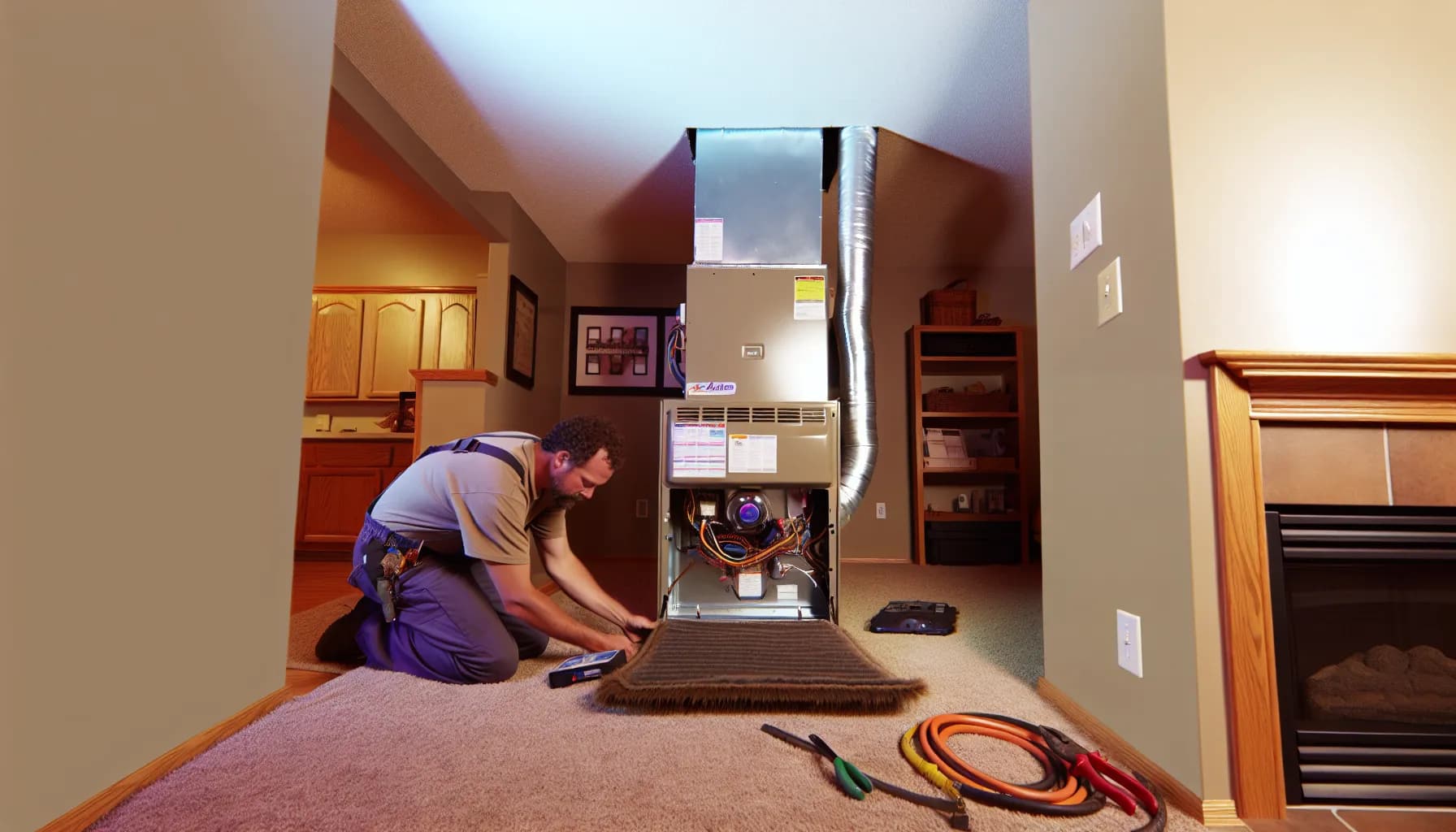
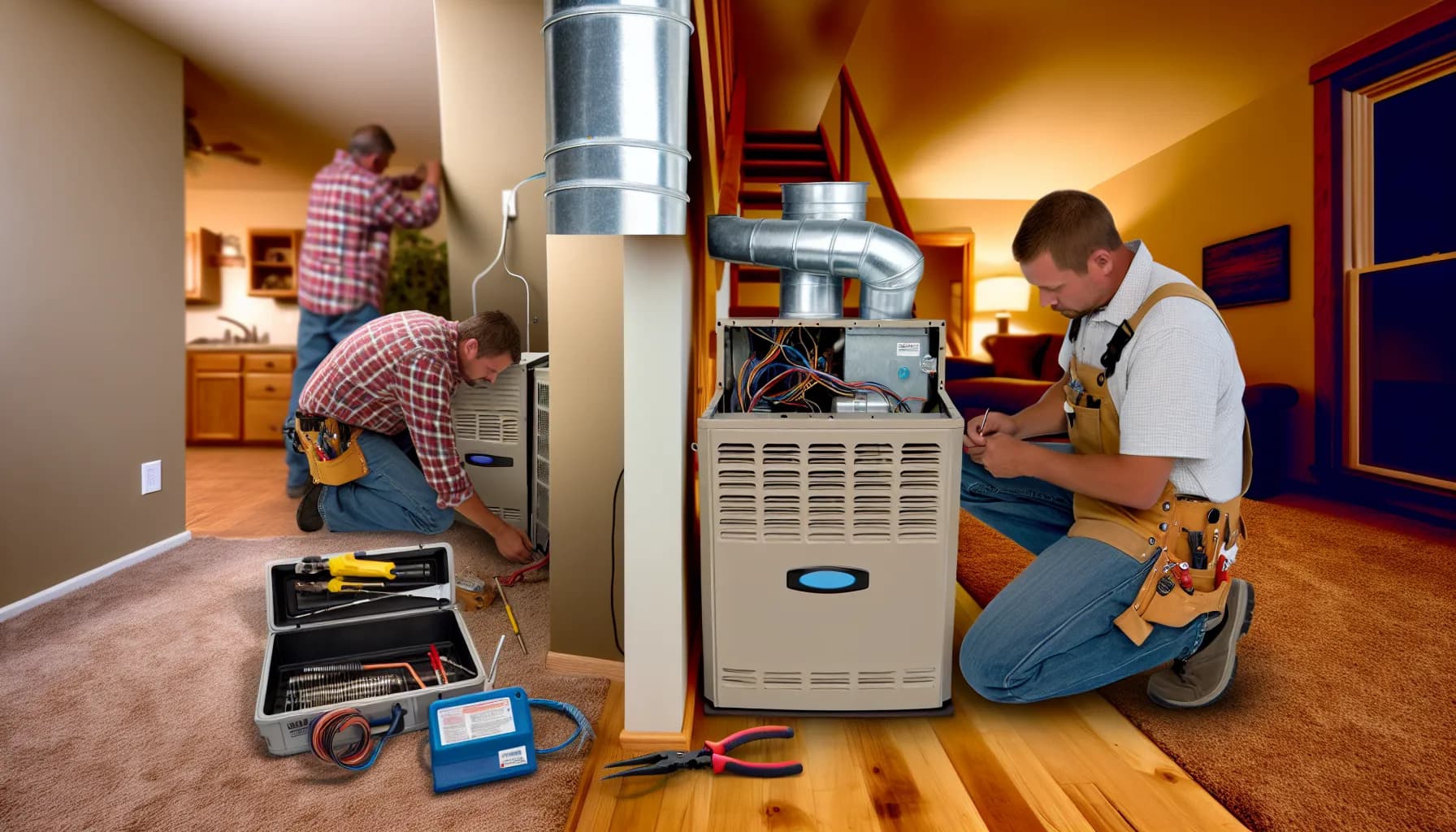
An annual furnace inspection is your first line of defense against CO risks. During a tune-up, Alloy Heating and Cooling technicians check for:
- Cracks or corrosion in the heat exchanger
- Proper venting and unobstructed flues
- Gas pressure and burner adjustments (especially for Colorado’s altitude)
- Clean air filter and blower components
We’ve helped homeowners in Parker and Broomfield avoid costly emergencies by catching minor issues before they turn dangerous. Regular maintenance also improves furnace efficiency and extends equipment life.
Install and Test Carbon Monoxide Detectors
Never rely on your senses to detect CO. Install detectors according to manufacturer instructions, usually five feet above the floor or on the ceiling. Replace units every 5, 7 years. Alloy Heating and Cooling can recommend and install the best detectors for your home or business, ensuring local code compliance in places like Castle Rock or Aurora.
Ensure Proper Ventilation
Good airflow is essential for safe furnace operation. Keep vents and combustion air intakes clear of snow, leaves, or debris. Never block furnace rooms or vents with storage items. If you’ve remodeled or weatherized your home in Boulder or Highlands Ranch, ask a professional to check that your ventilation still supports safe combustion.
Recognize When to Call a Professional
If you notice furnace performance issues, yellow pilot lights, or persistent symptoms of illness, don’t try to fix things yourself. CO leaks require expert attention. Alloy Heating and Cooling offers emergency service across the Denver metro and Front Range. It’s always safer to call us for help than risk your family’s health.
What to Do If You Suspect Carbon Monoxide in Your Furnace
Immediate Steps to Take
If your CO detector alarms or you suspect a leak, act fast:
- Evacuate everyone from the building, including pets.
- Call 911 from outside or a neighbor’s house.
- Do not re-enter until emergency personnel say it’s safe.
- If safe, open windows and doors on your way out to allow fresh air in.
One real scenario: A family in Morrison woke to their CO detector sounding at 3 a.m. They followed these steps and, once the fire department declared the house safe, Alloy Heating and Cooling found a disconnected flue pipe as the culprit. The family’s quick action likely saved their lives.
How to Get Professional Help
After any CO incident, have your furnace professionally inspected before using it again. Alloy Heating and Cooling provides thorough diagnostics, emergency repairs, and recommendations for upgrades or replacements if needed. We serve homes and businesses from Monument to Niwot, ensuring every customer gets peace of mind and safe, reliable heat.
Don’t leave furnace safety to chance. Schedule your annual inspection with Alloy Heating and Cooling today, and protect your loved ones from carbon monoxide risks all winter long.
Frequently Asked Questions
How does carbon monoxide get into my furnace?
Carbon monoxide can enter your home if your furnace has a cracked heat exchanger, blocked vents, or is not burning fuel properly. Regular maintenance helps prevent these issues.
What are the symptoms of carbon monoxide poisoning?
Common symptoms include headache, dizziness, nausea, confusion, and shortness of breath. If you experience these symptoms indoors, leave immediately and seek fresh air.
How often should I have my furnace inspected for carbon monoxide?
It’s recommended to have your furnace professionally inspected and serviced at least once a year, preferably before the heating season begins.
Are carbon monoxide detectors necessary if I have a new furnace?
Yes, carbon monoxide detectors are essential regardless of your furnace’s age, as CO leaks can occur due to installation errors or unforeseen malfunctions.
What should I do if my carbon monoxide detector goes off?
If your CO detector sounds, evacuate everyone from your home immediately, call 911, and do not re-enter until professionals have declared it safe.

Alloy HVAC Team
HVAC experts with years of experience in the industry. We share tips, insights, and the latest trends in heating, ventilation, and air conditioning to help you maintain optimal comfort in your home or business.