The Dangers of Carbon Monoxide from Your Furnace and How to Stay Safe in Colorado Homes
The Dangers of Carbon Monoxide from Your Furnace and How to Stay Safe in Colorado Homes
Understanding Carbon Monoxide in Furnaces
What is Carbon Monoxide?
Carbon monoxide (CO) is an invisible, odorless, and tasteless gas. It is produced when fuels such as natural gas, propane, oil, or wood do not burn completely. Even small amounts of CO can be hazardous to your health, making it a serious concern for any home with a furnace.
How Furnaces Produce Carbon Monoxide
Your furnace heats your home by combusting fuel. During normal operation, it should vent combustion gases, including carbon monoxide, safely outside. However, if your furnace is malfunctioning, poorly ventilated, or has a cracked heat exchanger, CO can leak into your living spaces. At Alloy Heating and Cooling, we have seen firsthand how a simple vent blockage or neglected maintenance can turn a safe system into a hazard.
Why Colorado Homes Are at Unique Risk
Colorado’s cold winters mean furnaces work overtime, increasing the risk of wear and tear that can lead to CO leaks. Many Colorado homes are also tightly sealed for energy efficiency, which limits ventilation and can cause CO to accumulate faster. Older homes in areas like Littleton or Golden may also have aging HVAC systems more prone to problems.
Health Risks of Carbon Monoxide Exposure
Symptoms of Carbon Monoxide Poisoning
CO poisoning is often mistaken for the flu. Early symptoms include headaches, nausea, dizziness, confusion, and shortness of breath. In severe cases, it can cause unconsciousness or even death. We have worked with families in Centennial and Aurora who only realized something was wrong when multiple family members felt ill at the same time.
Long-Term Effects of Exposure
Prolonged or repeated exposure to low levels of carbon monoxide can result in memory loss, difficulty concentrating, and heart problems. Even after acute symptoms pass, long-term health can be affected, especially if the exposure is not quickly identified and stopped.
Vulnerable Populations in Colorado
Young children, elderly adults, pregnant women, and people with chronic heart or respiratory conditions are most at risk for serious complications. In Colorado, where many families live at higher elevations, the effects of CO poisoning can be exacerbated due to lower oxygen levels.
How to Detect Carbon Monoxide in Your Home
Signs That Your Furnace May Be Leaking CO
Besides physical symptoms, there are visual signs your furnace may be leaking CO: soot or scorch marks around the furnace, excess condensation on windows, a yellow or flickering pilot light, and unusual smells (though CO itself is odorless, malfunctioning appliances can produce a burning smell). Homeowners in Highlands Ranch and Englewood have called us after noticing these signs, preventing potential tragedies.
Choosing and Installing CO Detectors
Every Colorado home with gas or wood-burning appliances should have carbon monoxide detectors installed near all sleeping areas and on each level of the house. Choose detectors certified by recognized safety agencies, and test them monthly. Hardwired or interconnected detectors provide added safety, especially in larger homes or commercial buildings.
Regular Maintenance and Professional Inspections
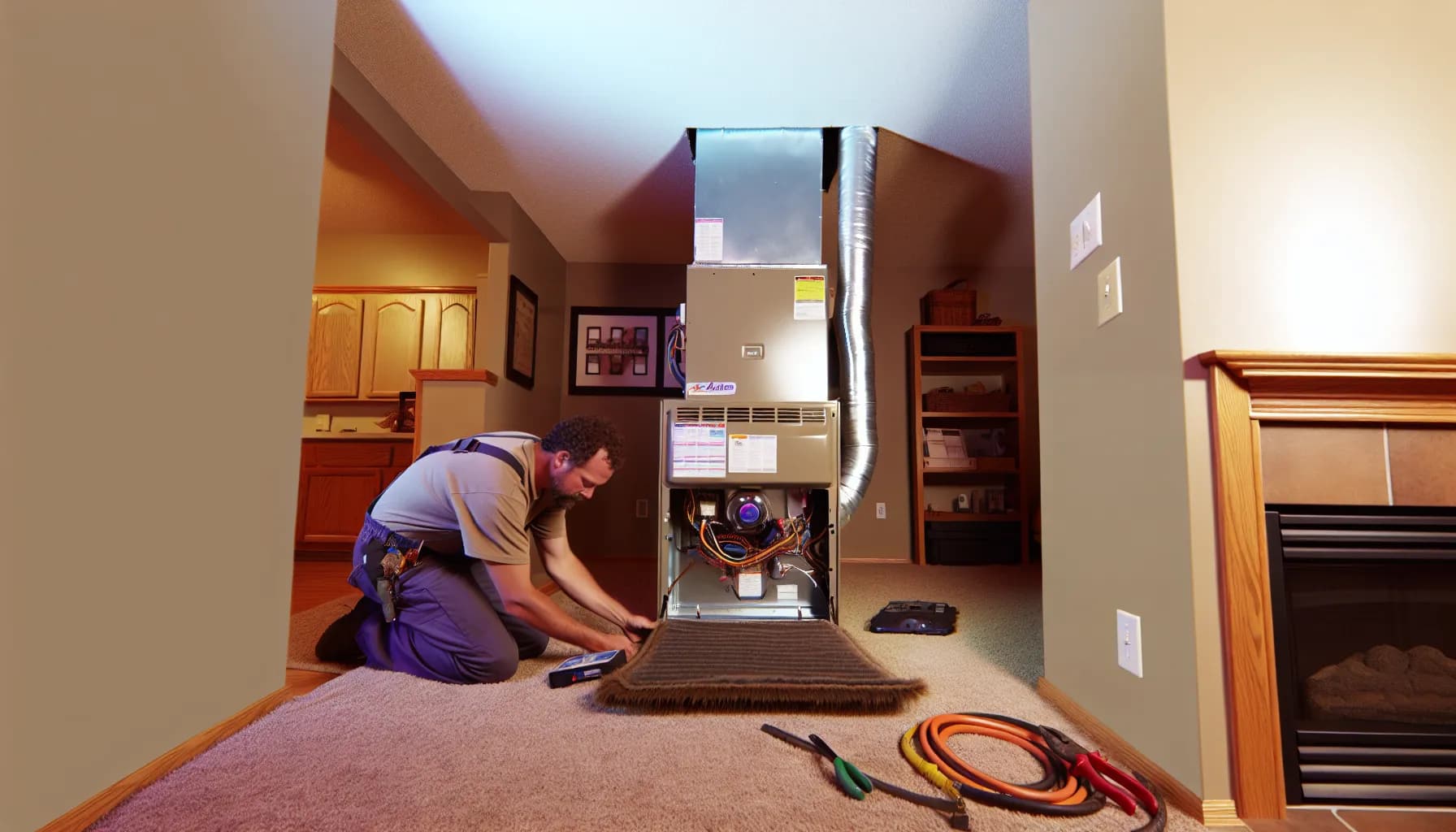
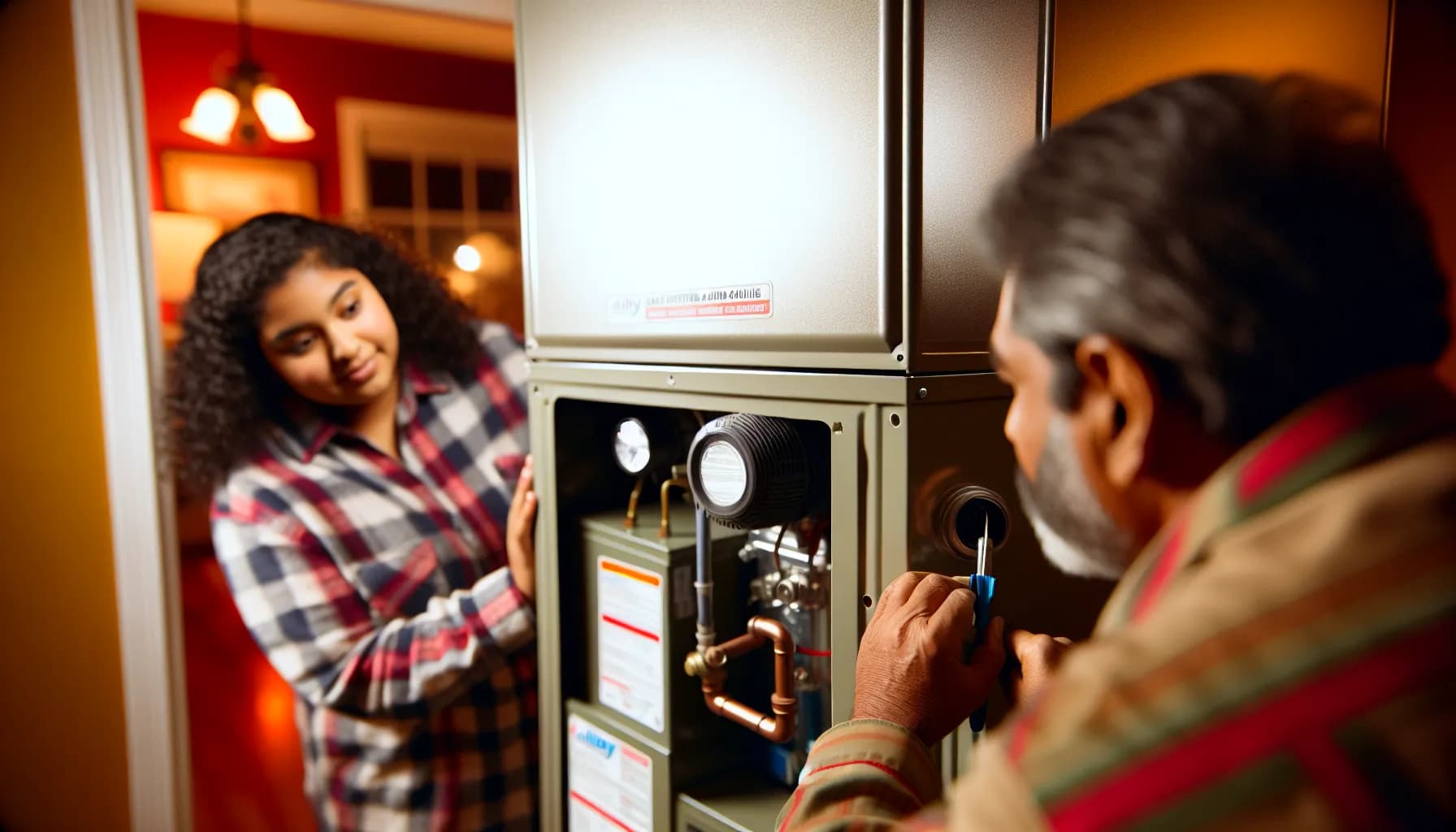
Annual furnace inspections and tune-ups are vital. A professional HVAC technician from Alloy Heating and Cooling will check for cracks, blockages, and proper venting. In commercial spaces like offices in Greenwood Village, regular inspections are not just a safety measure; they are often required by local codes and insurance companies.
Prevention Tips for Safe Furnace Operation
Proper Furnace Ventilation
Ensure that vents and flues are clear of debris, snow, and rodent nests. Never block air vents or exhausts, and avoid storing items too close to your furnace. In areas like Morrison and Evergreen, where wildlife and weather can affect outdoor vents, regular checks are especially important.
Annual Furnace Tune-Ups
Schedule yearly maintenance with a qualified HVAC professional before winter starts. This includes cleaning burners, inspecting heat exchangers, and checking for gas leaks. We have helped many customers in Parker and Castle Rock catch minor issues before they became dangerous.
What to Do If Your CO Alarm Goes Off
If your carbon monoxide detector sounds, evacuate everyone from the home immediately. Call 911 and do not re-enter until emergency personnel say it is safe. Open windows and doors on your way out if possible. If anyone experiences symptoms, seek medical attention right away.
Staying vigilant, scheduling regular maintenance, and ensuring proper ventilation are the best ways to protect your home or business from the dangers of carbon monoxide. At Alloy Heating and Cooling, we are dedicated to keeping Colorado families and businesses safe and comfortable year-round.
Frequently Asked Questions
What causes carbon monoxide leaks in furnaces?
Carbon monoxide leaks in furnaces are typically caused by cracked heat exchangers, poor ventilation, or incomplete combustion of fuel. Regular maintenance can help prevent these issues.
How can I tell if my furnace is leaking carbon monoxide?
Common signs include flu-like symptoms in household members, soot around the furnace, yellow pilot light, or frequent CO detector alarms. If you suspect a leak, evacuate and call a professional immediately.
Are carbon monoxide detectors required in Colorado homes?
Yes, Colorado law requires carbon monoxide detectors to be installed near sleeping areas in all homes with fuel-burning appliances, including furnaces.
How often should I have my furnace inspected for carbon monoxide safety?
It is recommended to have your furnace professionally inspected and serviced at least once a year, especially before winter begins.
What should I do if my carbon monoxide detector goes off?
Leave your home immediately, call 911, and do not re-enter until authorities declare it safe. Seek medical attention if anyone experiences symptoms of CO poisoning.

Alloy HVAC Team
HVAC experts with years of experience in the industry. We share tips, insights, and the latest trends in heating, ventilation, and air conditioning to help you maintain optimal comfort in your home or business.