Furnace and Carbon Monoxide: What Colorado Homeowners Need to Know
Furnace and Carbon Monoxide: What Colorado Homeowners Need to Know
Understanding Carbon Monoxide in Furnaces
What is Carbon Monoxide?
Carbon monoxide (CO) is a colorless, odorless, and tasteless gas that is highly toxic to humans and animals. It is produced whenever fuels such as natural gas, propane, oil, wood, or coal are burned. Because you cannot see or smell carbon monoxide, it can be especially dangerous in homes.
How Furnaces Produce Carbon Monoxide
Most furnaces in Colorado run on natural gas or propane. When your furnace burns fuel efficiently, it produces a small, safe amount of carbon monoxide that is vented outside. However, if something causes incomplete combustion, higher levels of CO can build up and leak into your living spaces. This can happen with older furnaces, those lacking proper maintenance, or when venting systems are obstructed.
Why Colorado Homes Are at Risk
Colorado’s cold winters mean furnaces run often and for extended periods. Many homes are tightly sealed for energy efficiency, which can trap gases inside and make it harder for CO to escape. At Alloy Heating and Cooling, we have seen several cases in Greenwood Village, Highlands Ranch, and Aurora where well-sealed homes with older or neglected furnaces developed dangerous CO levels due to poor ventilation or unnoticed equipment issues.
Common Causes of Carbon Monoxide Leaks in Furnaces
Cracked Heat Exchangers
The heat exchanger is a critical component of your furnace that separates combustion gases from the air circulating inside your home. Over time, heat exchangers can develop cracks due to normal wear and tear, poor maintenance, or manufacturing defects. When this happens, CO can leak into your indoor air. We have helped homeowners in Lakewood and Centennial replace cracked heat exchangers before they caused harm.
Blocked or Dirty Furnace Vents
Furnace exhaust vents are designed to channel combustion gases outside. If these vents become blocked by debris, snow, ice, or animal nests (a common issue in Colorado’s wooded areas like Evergreen and Morrison), carbon monoxide can back up into your home. Even partial blockages from dust or lint buildup can restrict airflow and increase CO risk.
Improper Furnace Installation
Furnace installation by unlicensed or inexperienced contractors is another major cause of carbon monoxide leaks. Incorrectly sized ductwork, unsecured flue pipes, or poor venting can all lead to dangerous situations. In one Denver home, we found a newly installed furnace venting directly into an attic instead of outside, causing elevated CO levels. Always use a professional, certified HVAC company for installation and repairs.
Signs of Carbon Monoxide in Your Home
Physical Symptoms to Watch For
Early symptoms of carbon monoxide poisoning often mimic the flu, which can make them easy to overlook. Watch for headaches, dizziness, nausea, shortness of breath, confusion, or unexplained fatigue, especially if symptoms improve when you leave the house. A family in Parker recently avoided a tragedy by acting quickly when everyone started feeling dizzy each morning.
Visible Signs Near Your Furnace
Look for soot buildup around the furnace, pilot flames that are yellow instead of blue, or excessive moisture on windows near the unit. These can all indicate incomplete combustion or improper venting. If your furnace’s pilot light keeps going out, it could also be a warning sign.
Testing for Carbon Monoxide Levels
The most reliable method to detect carbon monoxide is with a CO detector. These devices continuously monitor air quality and sound an alarm if dangerous levels are detected. Professional HVAC technicians can also use specialized CO meters during maintenance visits to check for leaks and ensure your furnace is operating safely.
How to Prevent Carbon Monoxide Leaks from Your Furnace
Regular Furnace Maintenance
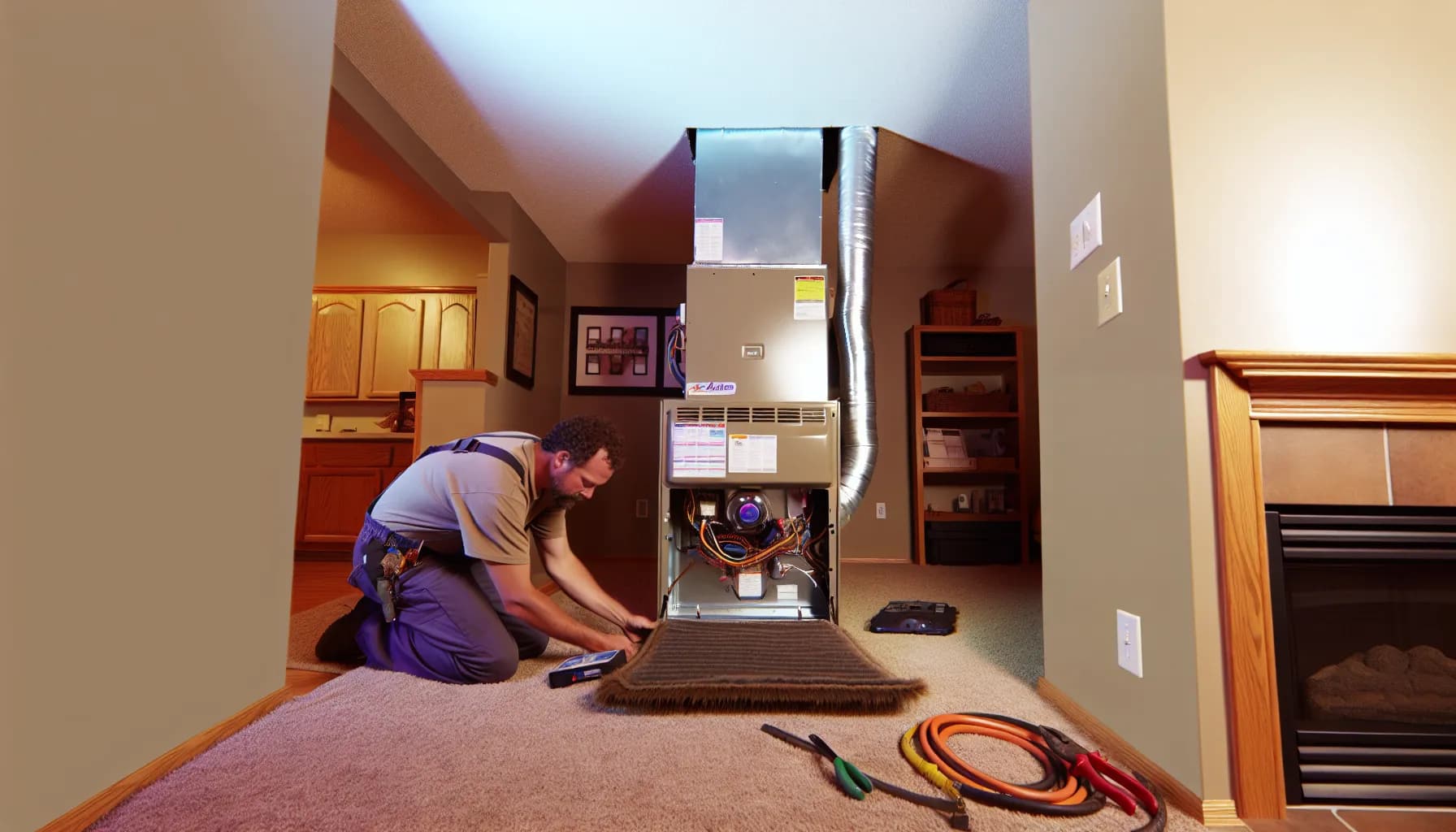
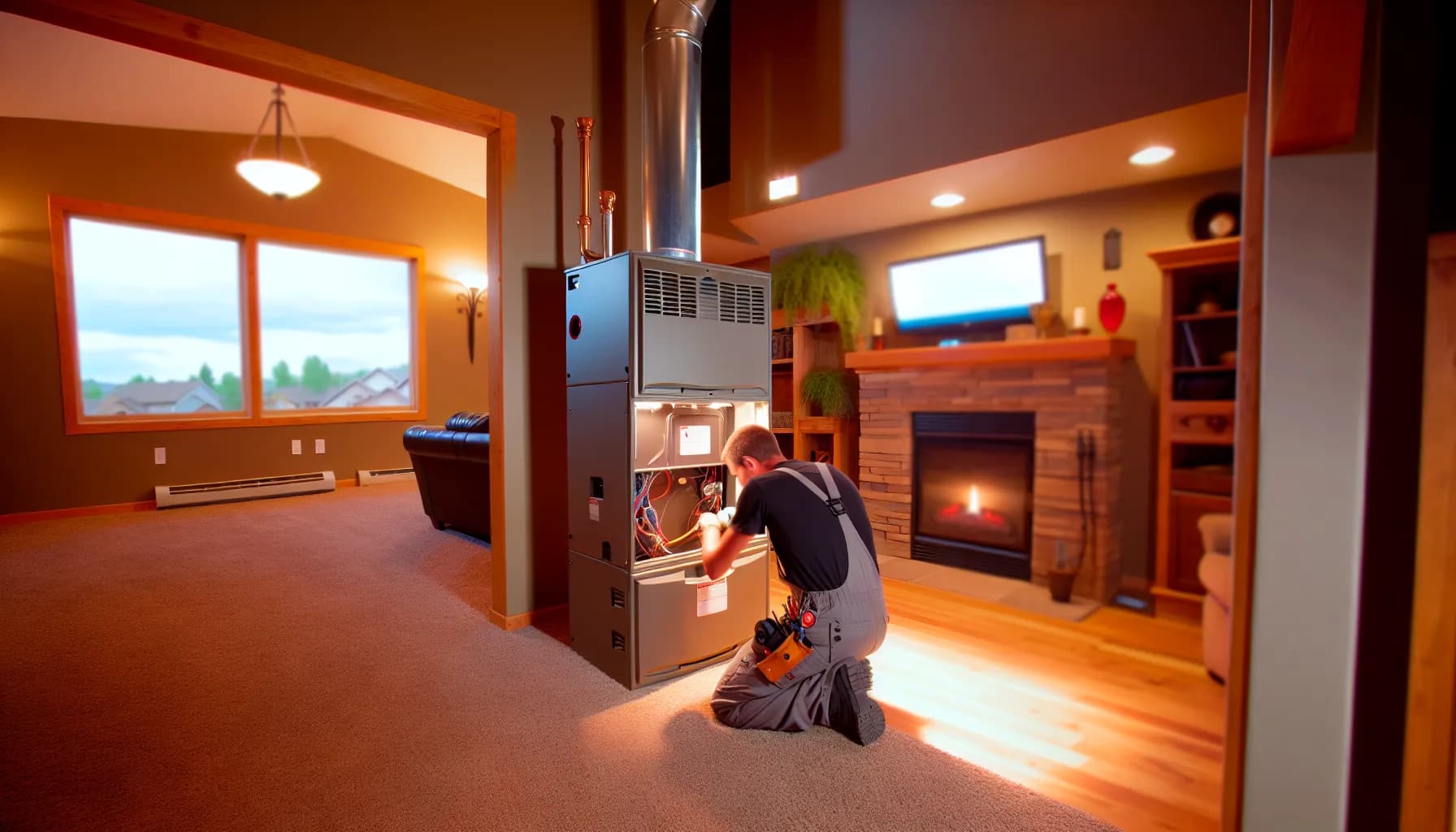
Annual furnace inspections and tune-ups are your best defense against carbon monoxide leaks. A trained technician will check for cracks, inspect venting, clean burners, and test CO levels. In Colorado’s climate, scheduling maintenance every fall is a smart habit to ensure you are ready for winter and to catch problems before they become emergencies.
Installing Carbon Monoxide Detectors
Place carbon monoxide detectors on every level of your home, especially outside bedrooms and near the furnace or utility room. Test them monthly and replace batteries as needed. Many Colorado cities, including Boulder and Broomfield, have local ordinances requiring CO detectors in all residences.
Ensuring Proper Ventilation
Make sure your furnace has enough “breathing room” and that vents are clear of snow, ice, or debris. After heavy storms, check your exterior vents to ensure they are not blocked. Avoid storing items too close to your furnace, which can restrict airflow and increase risk.
What to Do If You Suspect Carbon Monoxide from Your Furnace
Immediate Steps to Take
If your CO alarm goes off or you notice symptoms of poisoning, leave your home immediately and call 911. Do not try to find the leak yourself and do not re-enter your home until emergency personnel say it is safe.
When to Call a Professional
Once you are safe, contact a certified HVAC professional to inspect your furnace and venting system. At Alloy Heating and Cooling, we prioritize emergency carbon monoxide calls and can quickly identify and repair the source of the problem.
Safety Tips for Colorado Homeowners
Never ignore a carbon monoxide alarm, and do not rely solely on your senses to detect CO. Schedule annual furnace inspections, keep vents clear, and install CO detectors throughout your home. Share this information with family members and neighbors to help keep your community safe.
Frequently Asked Questions
How can I tell if my furnace is leaking carbon monoxide?
Look for symptoms such as headaches, dizziness, nausea, or confusion. You may also notice soot around your furnace or pilot light that frequently goes out. Installing a carbon monoxide detector is the most effective way to know for sure.
Are high-efficiency furnaces less likely to produce carbon monoxide?
High-efficiency furnaces are designed to be safer and produce less carbon monoxide, but any furnace can develop problems that lead to leaks. Regular maintenance is essential regardless of furnace type.
How often should I have my furnace inspected for carbon monoxide?
Experts recommend having your furnace professionally inspected at least once a year, ideally before the heating season begins.
Where should I place carbon monoxide detectors in my home?
Install carbon monoxide detectors on every level of your home, especially near bedrooms and close to your furnace or utility room.
What should I do if my carbon monoxide detector goes off?
Leave your home immediately, call 911, and do not re-enter until it has been inspected and deemed safe by professionals.

Alloy HVAC Team
HVAC experts with years of experience in the industry. We share tips, insights, and the latest trends in heating, ventilation, and air conditioning to help you maintain optimal comfort in your home or business.