Furnace and Carbon Monoxide: What Every Colorado Homeowner Should Know About Safety
Furnace and Carbon Monoxide: What Every Colorado Homeowner Should Know About Safety
Colorado winters demand a reliable furnace to keep your home warm and comfortable. But with the convenience of a cozy indoor environment comes a serious responsibility: staying alert to the dangers of carbon monoxide (CO). Each year, homeowners across the Front Range from Greenwood Village to Boulder and Castle Rock to Aurora turn on their furnaces and trust them to operate safely. Understanding carbon monoxide and how to prevent leaks is essential for your family’s wellbeing. Here’s what every Colorado homeowner should know about furnace safety and carbon monoxide.
Understanding Carbon Monoxide in Furnaces
What is Carbon Monoxide?
Carbon monoxide is a colorless, odorless, and tasteless gas. It’s produced by the incomplete combustion of fuels like natural gas, propane, oil, or wood. Because you cannot see, smell, or taste CO, it can build up indoors without any obvious warning signs. This makes it particularly dangerous, especially during the heating season when homes are sealed tight against the cold.
How Furnaces Can Produce Carbon Monoxide
Most Colorado homes use natural gas or propane furnaces. These systems are designed to burn fuel efficiently and vent byproducts outdoors. When working properly, a furnace produces minimal carbon monoxide and safely vents it outside. However, if there’s a malfunction, like a cracked heat exchanger or blocked flue, carbon monoxide can escape into your living space. Even small leaks can lead to dangerous accumulations over time.
Why Carbon Monoxide is Dangerous
CO is often called the “silent killer” for a reason. When inhaled, it binds to hemoglobin in the blood more efficiently than oxygen, preventing your body from absorbing the oxygen it needs. Low-level exposure can cause flu-like symptoms, but high or prolonged exposure can be fatal within minutes. According to the CDC, hundreds of Americans die each year from accidental CO poisoning, many caused by faulty furnaces and heating systems.
Common Causes of Carbon Monoxide Leaks in Furnaces
Cracked Heat Exchangers
The heat exchanger is a critical part of your furnace. It separates the combustion process from the air that is distributed throughout your home. Over time, metal fatigue, corrosion, or manufacturing defects can cause the heat exchanger to crack. When this happens, CO and other combustion gases can mix with your home’s air supply. For example, a Greenwood Village homeowner once called us after smelling something odd; inspection revealed a cracked heat exchanger leaking CO into their basement. Regular professional inspections are essential for detecting these issues early.
Poor Ventilation and Blocked Flues
Proper venting is crucial for safely removing combustion byproducts, including carbon monoxide, from your furnace. Chimneys and flue pipes can become blocked by debris, animal nests, or ice, causing gases to back up into your home. In one Highlands Ranch case, a bird’s nest in a flue pipe almost led to a dangerous buildup of CO. Annual inspections and keeping vents clear can prevent these scenarios.
Improper Furnace Installation or Maintenance
Incorrect installation or skipped maintenance is a leading cause of carbon monoxide leaks. HVAC professionals ensure all connections are secure, gas lines are tight, and exhaust systems are properly configured. We’ve seen cases in Lakewood and Castle Pines where DIY installations or neglected maintenance led to CO alarms going off. Always choose licensed, experienced technicians for installation and annual tune-ups.
Signs of Carbon Monoxide Poisoning and Furnace Leaks
Physical Symptoms of Carbon Monoxide Exposure
Because CO is invisible and odorless, your body may be the first warning sign. Symptoms of exposure include:
- Headache
- Dizziness
- Nausea or vomiting
- Fatigue or confusion
- Shortness of breath
- Chest pain in people with heart disease
If several family members or pets show these symptoms at the same time, especially when the furnace is running, suspect carbon monoxide and get outside immediately.
Warning Signs from Your Furnace
- Yellow or flickering burner flames (should be steady and blue)
- Soot or rust around the furnace or vent pipes
- Excess moisture on windows or walls near the furnace
- Unusual odors (while CO itself is odorless, malfunctioning equipment might produce other smells)
In a Littleton home, we once found soot marks near a furnace vent, which tipped off the homeowner to a problem before any health symptoms occurred.
How to Detect Carbon Monoxide Leaks Early
Install CO detectors on every level of your home, especially near sleeping areas and close to the furnace. Modern detectors sound an alarm before dangerous levels are reached, giving you time to act. Test alarms monthly and replace batteries at least twice a year. Furnace inspections by qualified professionals further reduce the risk by identifying early signs of trouble.
Preventing Carbon Monoxide Buildup from Your Furnace
Importance of Regular Furnace Maintenance
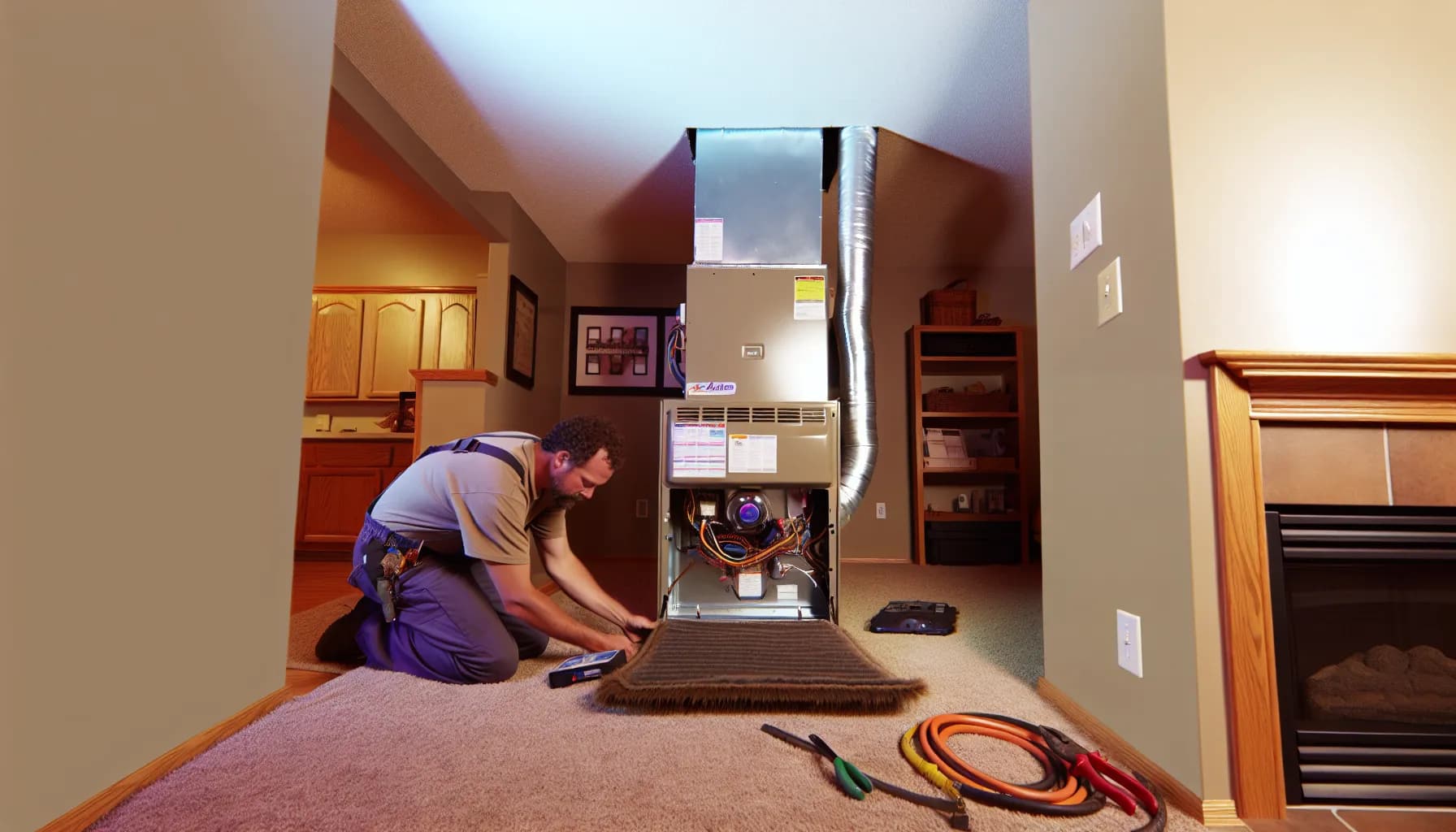
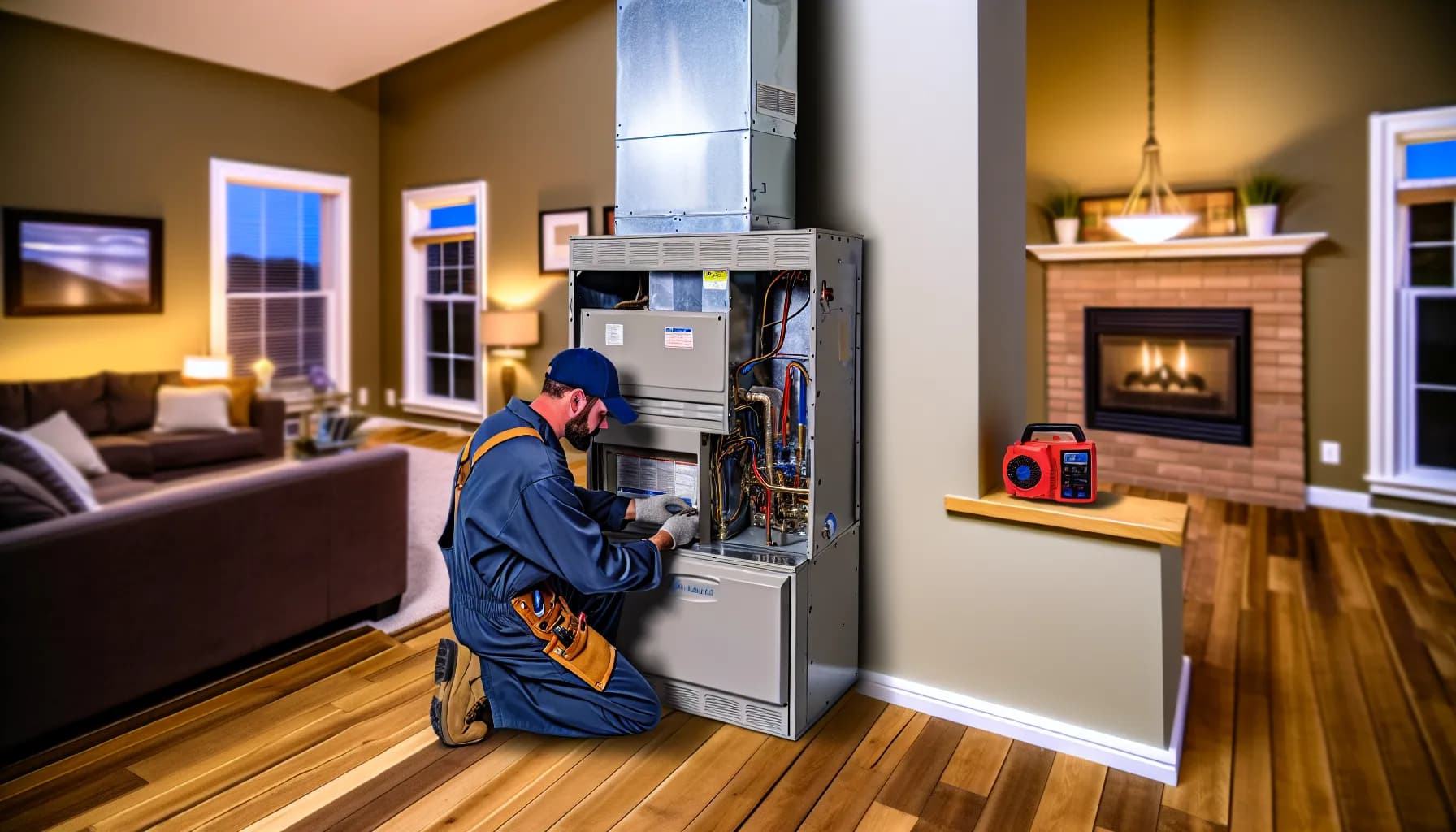
Annual furnace maintenance is your best defense. During a service visit, a certified Alloy Heating and Cooling technician will:
- Inspect and clean burners and heat exchangers
- Check for cracks, corrosion, or blockages
- Test exhaust and venting systems
- Measure CO levels around the furnace
- Ensure all safety controls are working properly
These steps catch issues before they become dangerous and keep your system operating efficiently. Many homeowners in Centennial and Parker schedule tune-ups every fall to ensure peace of mind all winter long.
Installing and Testing Carbon Monoxide Detectors
Colorado law requires homes with fuel-burning appliances to have working carbon monoxide detectors. Place them on every floor and near bedrooms. Test them monthly, replace batteries as recommended, and replace the entire unit every 5-7 years. We often remind our clients in Denver and Boulder that detectors are just as important as smoke alarms.
Best Practices for Furnace Safety in Colorado Homes
- Never block furnace intake or exhaust vents outdoors
- Keep the area around your furnace clear of storage items and debris
- Check vent pipes after heavy snow or wind storms for blockages
- Have your furnace and all gas appliances checked annually by a licensed HVAC technician
- Educate your family on the symptoms of CO poisoning and your emergency plan
In areas like Evergreen and Golden, where winter storms are common, these steps are especially important.
What to Do If You Suspect Carbon Monoxide in Your Furnace
Immediate Actions to Take
If your CO detector goes off or you suspect a leak, act quickly:
- Evacuate everyone from the building, including pets
- Call 911 from outside or a neighbor’s home
- Do not re-enter until emergency responders say it is safe
Do not try to find the leak yourself or ventilate the house by opening windows until everyone is safely outside.
Contacting Local Professionals
Once the immediate danger has passed, call a licensed HVAC company like Alloy Heating and Cooling to inspect your furnace, test for CO, and make any necessary repairs. Our team serves communities throughout the Denver metro, from Arvada to Castle Rock, ensuring your system is safe before you return home.
Ensuring Ongoing Safety for Your Family
After a CO incident, schedule regular furnace maintenance and replace old detectors. Review your family’s emergency response plan and educate everyone on the warning signs. If your furnace is aging or has a history of problems, consider upgrading to a new, high-efficiency model with advanced safety features. Many Colorado homeowners have found peace of mind with a modern furnace and regular professional service.
Carbon monoxide safety is a shared responsibility between homeowners and trusted HVAC professionals. By understanding CO risks, recognizing warning signs, and following best practices, you can keep your home safe and comfortable all winter long. If you have questions or need a furnace inspection, Alloy Heating and Cooling is here to help, serving Greenwood Village, Denver, Boulder, and all surrounding areas.
Frequently Asked Questions
How does a furnace produce carbon monoxide?
A furnace can produce carbon monoxide when fuel is not burned completely due to issues like poor ventilation, cracked heat exchangers, or improper installation and maintenance.
What are the symptoms of carbon monoxide poisoning from a furnace?
Symptoms include headache, dizziness, nausea, confusion, shortness of breath, and, in severe cases, loss of consciousness. If you suspect poisoning, leave your home immediately and seek medical attention.
How can I detect carbon monoxide in my home?
Install carbon monoxide detectors near sleeping areas and furnaces. Test them regularly and replace batteries as needed. Annual professional furnace inspections can also help detect leaks.
How often should I have my furnace inspected for carbon monoxide safety?
It is recommended to have your furnace professionally inspected and serviced at least once a year, especially before the heating season begins.
What should I do if my carbon monoxide detector goes off?
Evacuate everyone from your home immediately, call 911, and do not re-enter until authorities say it is safe. Have your furnace and appliances inspected before resuming use.

Alloy HVAC Team
HVAC experts with years of experience in the industry. We share tips, insights, and the latest trends in heating, ventilation, and air conditioning to help you maintain optimal comfort in your home or business.