How Carbon Monoxide from Furnaces Can Affect Your Home and What to Do
How Carbon Monoxide from Furnaces Can Affect Your Home and What to Do
Your furnace keeps you warm during Colorado’s frigid winters, but it can also become a hidden danger if not properly maintained. Carbon monoxide (CO) leaks from furnaces are a serious threat to the health and safety of homeowners, families, and businesses throughout Greenwood Village, Englewood, Littleton, and the surrounding areas. This guide from Alloy Heating and Cooling explains how carbon monoxide forms in furnaces, the risks it poses, how to detect leaks, and what steps to take if you suspect carbon monoxide in your home.
Understanding Carbon Monoxide in Furnaces
What is Carbon Monoxide?
Carbon monoxide is a colorless, odorless, and tasteless gas produced when fuels like natural gas, propane, oil, or wood burn incompletely. Because it’s undetectable by human senses, CO is often called the “silent killer.” Even short-term exposure to elevated CO levels can cause serious health problems or even death.
How Do Furnaces Produce Carbon Monoxide?
Most furnaces in Colorado homes and businesses burn natural gas or propane to produce heat. When the combustion process is working correctly, it creates heat, water vapor, and carbon dioxide. However, if the process is interrupted or incomplete, it can produce carbon monoxide. Issues like restricted airflow, dirty burners, or faulty heat exchangers can all lead to incomplete combustion and CO production.
Common Causes of Carbon Monoxide Leaks in Furnaces
- Cracked Heat Exchangers: The heat exchanger is a critical part of your furnace that separates the combustion gases from the air circulating in your home. Over time, heat exchangers can crack due to age, corrosion, or stress, allowing CO to leak into your living spaces.
- Blocked or Disconnected Vents: Vents and flues carry combustion gases safely outside. Blockages from bird nests, debris, or ice can cause gases to back up into your home.
- Poor Furnace Maintenance: Lack of regular inspections or cleaning can cause burners to become dirty or misaligned, increasing the risk of incomplete combustion.
- Improper Installation: Furnaces not installed by qualified professionals may have incorrect venting or gas connections, leading to CO leaks.
Real-World Example: In Littleton, a homeowner noticed their furnace was running more often than usual and their energy bills were climbing. A technician from Alloy Heating and Cooling discovered a cracked heat exchanger, which was leaking CO into the home. Thankfully, routine maintenance and a quick response prevented a potentially dangerous situation.
Health and Safety Risks of Carbon Monoxide Exposure
Symptoms of Carbon Monoxide Poisoning
Carbon monoxide poisoning can be mistaken for the flu, making it crucial to recognize the symptoms. Early signs include:
- Headaches
- Dizziness
- Nausea and vomiting
- Shortness of breath
- Fatigue
- Confusion or blurred vision
If several people in your home experience these symptoms at the same time, especially when the furnace is running, it could indicate CO exposure.
Long-Term Effects of Exposure
Prolonged or repeated exposure to carbon monoxide can lead to serious health complications, including:
- Permanent brain damage
- Heart problems
- Organ damage
- Death, in severe cases
Children, elderly adults, and those with respiratory or heart conditions are particularly vulnerable to the effects of CO poisoning.
Who is Most at Risk?
Everyone is susceptible to carbon monoxide poisoning, but certain groups face a higher risk:
- Infants and young children
- Seniors
- Individuals with chronic heart or lung disease
- Pets (who may show symptoms before humans)
In one Greenwood Village household, a family’s dog became lethargic and refused to eat. After noticing similar symptoms among family members, they called Alloy Heating and Cooling. A technician found a blocked furnace flue causing CO buildup , a timely diagnosis that protected the entire household.
How to Detect Carbon Monoxide from Your Furnace
Signs Your Furnace May Be Leaking Carbon Monoxide
While carbon monoxide itself is invisible and odorless, there are some warning signs you can watch for:
- Stale, stuffy, or burning smell around the furnace or vents
- Yellow or flickering furnace burner flame (should be steady blue)
- Excessive condensation on windows, especially near the furnace
- Sooty stains on or around the furnace and vent pipes
- Pilot light frequently going out
The Importance of Carbon Monoxide Detectors
Because you cannot see or smell carbon monoxide, having CO detectors in your home or business is critical. Install them near sleeping areas and on every floor, especially close to gas appliances or the furnace. Test the alarms monthly and replace batteries twice a year. If your detector sounds, treat it as an emergency.
Regular Furnace Inspections and Maintenance
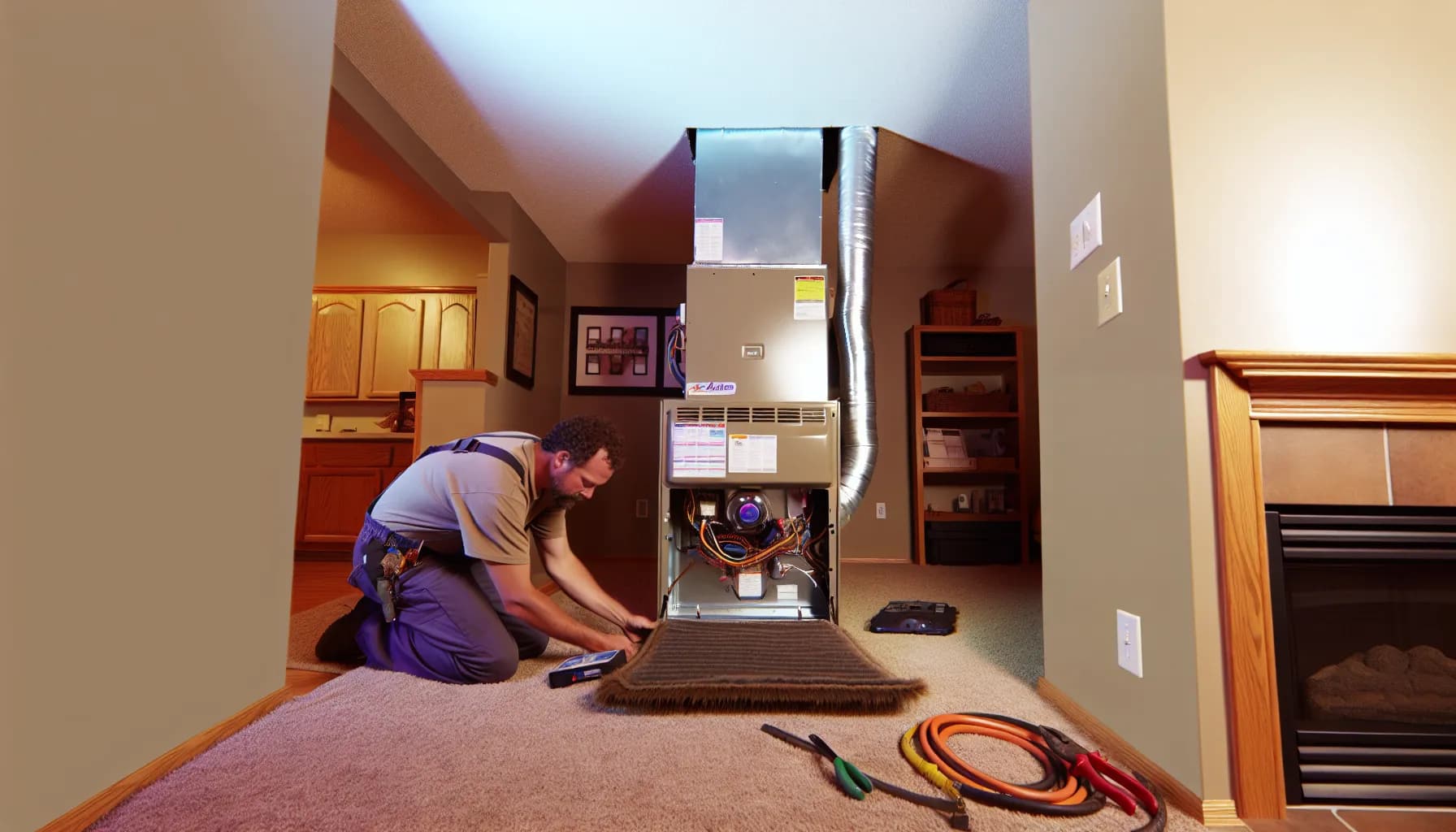
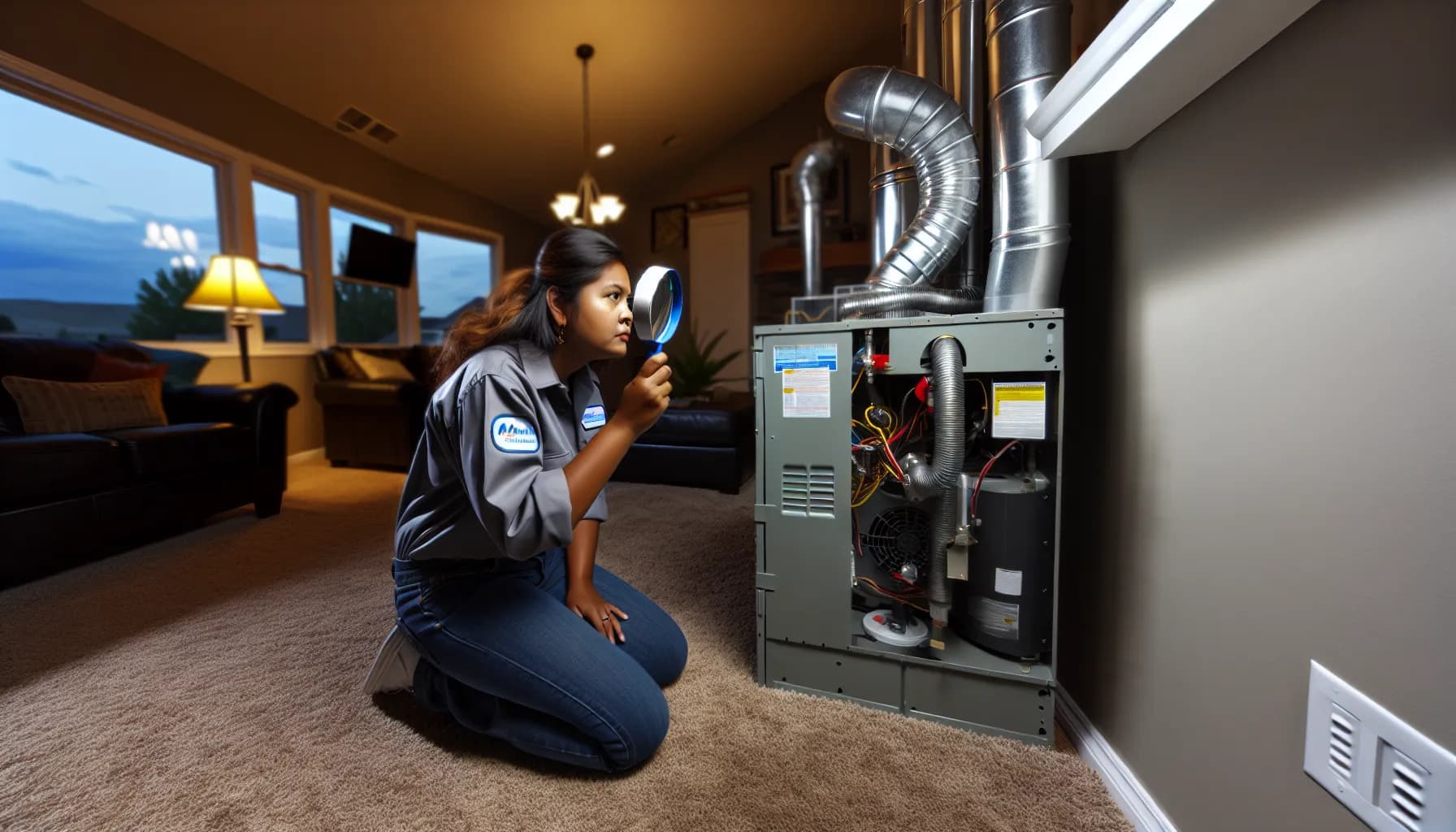
Annual professional inspections are the best defense against carbon monoxide leaks. An experienced technician will:
- Check for cracks in the heat exchanger
- Test combustion efficiency
- Inspect and clean burners
- Verify all venting is clear and properly connected
Alloy Heating and Cooling serves Greenwood Village, Parker, Castle Rock, Denver, and beyond with thorough furnace tune-ups designed to safeguard your family and property.
What to Do If You Suspect Carbon Monoxide in Your Home
Immediate Actions to Take
If you suspect a CO leak or your detector goes off:
- Evacuate everyone from the premises immediately. Do not try to find the source yourself.
- Call 911 or your local fire department from outside the building.
- Do not re-enter until emergency responders say it is safe.
When to Call a Professional
After emergency responders have given the all-clear, contact a licensed HVAC professional like Alloy Heating and Cooling. We will conduct a thorough inspection, identify the source of the leak, and make necessary repairs to ensure your furnace operates safely before you return home.
Preventive Measures to Avoid Future Leaks
- Schedule annual furnace maintenance and inspections
- Install and regularly test carbon monoxide detectors
- Ensure all furnace vents and chimneys remain clear of obstructions
- Address any unusual furnace noises, smells, or performance issues immediately
- Never try to repair or install a furnace yourself
Taking these steps will help keep your home or business safe from carbon monoxide year-round. Many of our clients in Highlands Ranch, Aurora, and Lakewood have avoided emergencies by staying proactive with their furnace care.
Remember, protecting your family, employees, and property from carbon monoxide is a shared responsibility. Trust Alloy Heating and Cooling for expert HVAC maintenance, repairs, and safety checks throughout the Denver metro area and beyond.
Frequently Asked Questions
Can a furnace cause carbon monoxide poisoning?
Yes, a malfunctioning or improperly vented furnace can produce dangerous levels of carbon monoxide, leading to poisoning if not detected and addressed promptly.
What are the signs of carbon monoxide coming from my furnace?
Common signs include flu-like symptoms, headaches, dizziness, increased condensation on windows, and sooty stains around the furnace or vents.
How often should I have my furnace inspected for carbon monoxide?
It is recommended to have your furnace inspected by a qualified technician at least once a year, ideally before the heating season begins.
Are carbon monoxide detectors necessary if I have a furnace?
Yes, carbon monoxide detectors are essential for any home with a fuel-burning furnace, as they provide early warning of dangerous levels of the gas.
What should I do if my carbon monoxide detector goes off near my furnace?
Immediately evacuate the home, call emergency services, and do not re-enter until the source of the carbon monoxide has been identified and resolved by professionals.

Alloy HVAC Team
HVAC experts with years of experience in the industry. We share tips, insights, and the latest trends in heating, ventilation, and air conditioning to help you maintain optimal comfort in your home or business.