Can a Furnace Cause Carbon Monoxide? How Carbon Monoxide Can Leak from Your Furnace and How to Stay Safe in Colorado
Can a Furnace Cause Carbon Monoxide? How Carbon Monoxide Can Leak from Your Furnace and How to Stay Safe in Colorado
In Colorado, where winters can be harsh and temperatures regularly dip below freezing, furnaces are an essential part of keeping homes and businesses comfortable. However, as vital as your furnace is, it can also pose hidden dangers if not properly maintained. One of the most serious risks is carbon monoxide (CO) poisoning. At Alloy Heating and Cooling, we believe every homeowner and business owner should understand how carbon monoxide can leak from a furnace and how to keep your loved ones or employees safe.
Understanding Carbon Monoxide and Your Furnace
What is Carbon Monoxide?
Carbon monoxide is a colorless, odorless, and tasteless gas produced when fuels like natural gas, propane, oil, or wood are burned incompletely. Because it is impossible to see or smell, CO is often called the “silent killer.” Even small amounts can build up indoors, leading to serious health risks or even death if not detected early.
How Furnaces Produce Carbon Monoxide
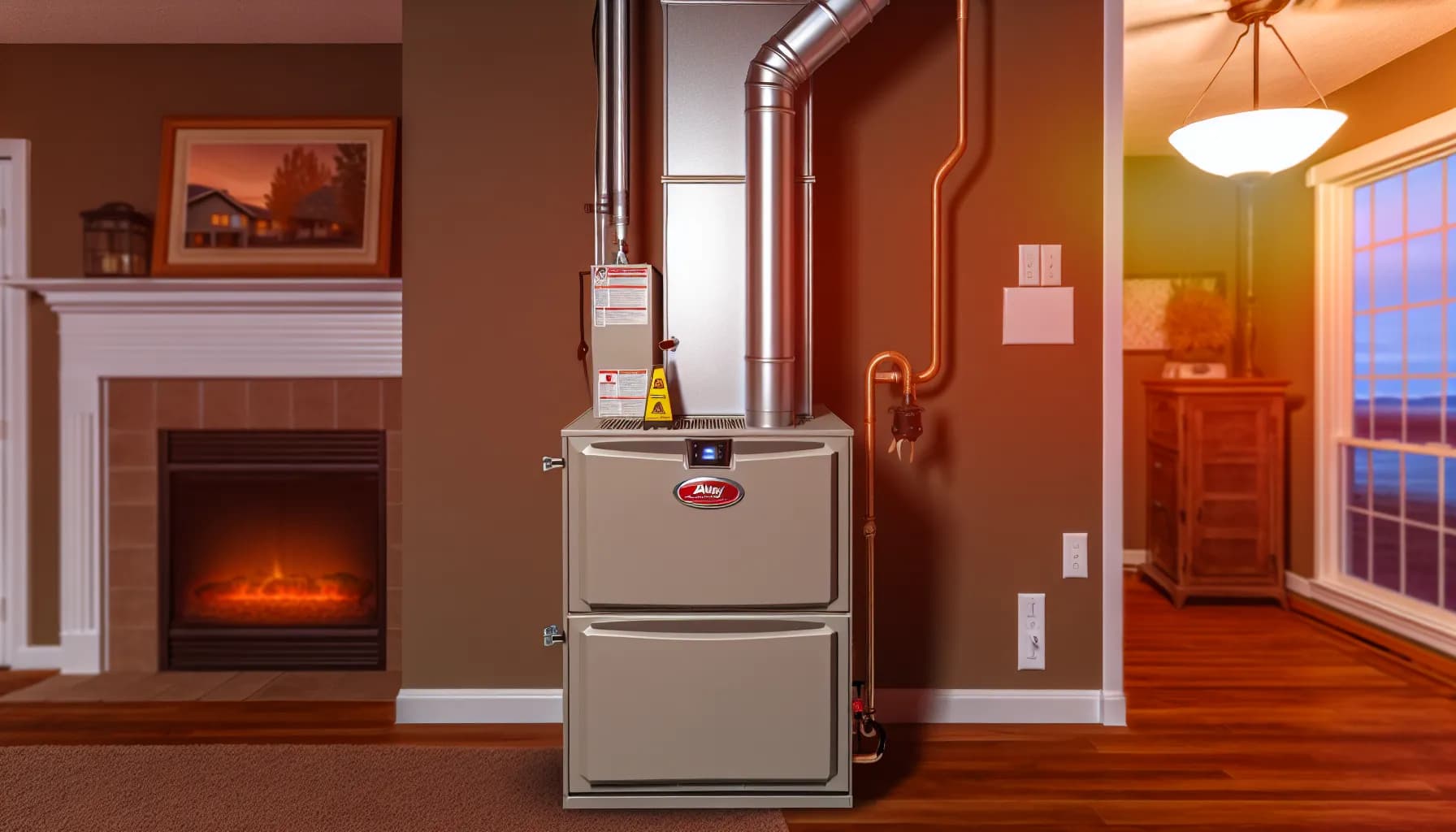
Most Colorado homes and businesses use gas or oil furnaces. These systems heat air by burning fuel. Ideally, combustion is complete and produces only carbon dioxide and water vapor. However, if the furnace is malfunctioning, the combustion may be incomplete, resulting in carbon monoxide production. The furnace is designed to vent combustion gases safely outside, but problems can allow CO to escape into your living or working space.
Why Carbon Monoxide is Dangerous
When you breathe in carbon monoxide, it binds to the hemoglobin in your blood much more effectively than oxygen, quickly reducing your body’s ability to transport oxygen to organs and tissues. Exposure can cause symptoms ranging from headaches and dizziness to unconsciousness and death. Children, elderly individuals, and pets are especially vulnerable. In Colorado, several incidents every year are linked to faulty heating systems, highlighting the importance of awareness and prevention.
Common Causes of Carbon Monoxide Leaks from Furnaces
Cracked Heat Exchanger
The heat exchanger is the heart of your furnace. It safely separates combustion gases from the air that circulates through your home. Over time, metal fatigue, rust, or overheating can cause cracks. These cracks allow dangerous gases like carbon monoxide to mix with the air you breathe. In one Englewood home, a family experienced repeated headaches during winter. Alloy Heating and Cooling technicians found a hairline crack in the furnace’s heat exchanger, which was leaking CO into the home. Replacing the heat exchanger resolved the issue and eliminated the symptoms.
Blocked or Malfunctioning Vents
Furnaces are designed to vent combustion gases safely outside. If these vents become blocked by ice, snow, animal nests, or debris, CO can back up into the home. This is a particular concern in Colorado’s snowy climate. We often see this type of issue after a heavy snowstorm in places like Highlands Ranch or Castle Rock, where outside vents become blocked by snow drifts.
Improper Furnace Installation or Maintenance
Incorrect installation can lead to poor venting or faulty fuel combustion, both of which can cause carbon monoxide to leak. Likewise, skipping regular maintenance increases the risk of undetected issues. For example, a small business in Littleton suffered a CO incident after attempting a DIY furnace installation. The vent pipe was not properly aligned, allowing fumes to escape into the workspace. Professional installation and annual maintenance are always recommended.
Aging or Damaged Furnace Components
Furnaces, like all mechanical systems, wear out over time. Corrosion, rust, and general wear can cause components to fail, leading to unsafe operation. Older furnaces, especially those more than 15 years old, are at higher risk. Alloy Heating and Cooling replaced a 20-year-old furnace in a Parker home after finding multiple areas of rust and corrosion that were compromising safety.
Warning Signs of a Carbon Monoxide Leak from Your Furnace
Physical Symptoms in People and Pets
Carbon monoxide poisoning often starts with subtle symptoms:
- Headaches
- Dizziness or confusion
- Nausea or vomiting
- Fatigue or weakness
- Shortness of breath
Pets may become lethargic, vomit, or have difficulty breathing before humans notice symptoms. If multiple people or pets develop similar symptoms at the same time, especially during furnace operation, suspect CO exposure.
Visible Signs on Your Furnace
- Yellow or flickering burner flames instead of blue
- Soot or black streaks on or around the furnace
- Rusting on flue pipes or vent connections
- Moisture collecting on windows, walls, or other cold surfaces
These signs may indicate poor combustion or venting issues, both of which can cause CO leaks.
Unusual Furnace Behavior
- Frequent pilot light outages
- Furnace shutting off unexpectedly
- Unusual noises or smells during operation
If you notice any of these issues, turn off your furnace and call a professional immediately.
How to Prevent Carbon Monoxide Leaks in Colorado Homes
Schedule Regular Furnace Inspections
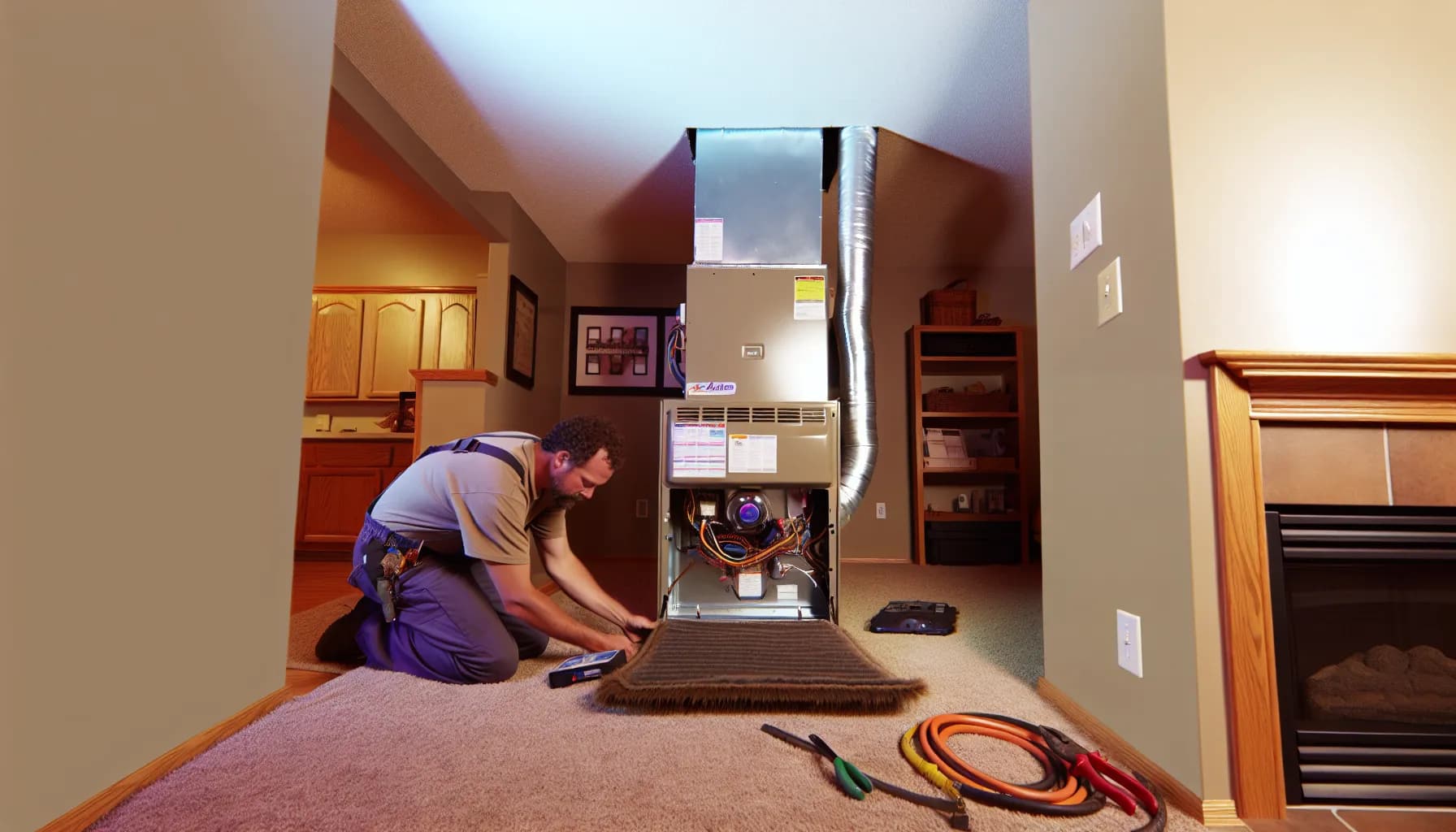
Professional inspections are your best defense. At Alloy Heating and Cooling, our technicians examine the heat exchanger, burners, venting system, and all safety controls. We recommend an annual inspection before heating season begins. In one Centennial home, a yearly checkup revealed a small, developing crack before it became a serious hazard, saving both money and lives.
Install and Maintain Carbon Monoxide Detectors
CO detectors provide early warning if carbon monoxide is present. Install detectors near sleeping areas and on each level of your home or business. Test them monthly and replace batteries at least once a year. Colorado law requires CO detectors in all newly built or sold homes, but older homes should also have them.
Ensure Proper Furnace Ventilation
Make sure furnace vents and flues are clear and unobstructed. After heavy snow, check outside vents for blockages. In rural areas like Franktown or Elizabeth, watch for animal nests or debris. If you are unsure, schedule a vent inspection with Alloy Heating and Cooling.
What to Do if You Suspect a Leak
- Evacuate the building immediately, getting everyone (including pets) outside.
- Call 911 and your gas utility company.
- Do not re-enter the building until professionals say it is safe.
- Have your furnace and venting system thoroughly inspected and repaired before restarting.
Never ignore symptoms or warning signs. Rapid response can save lives.
Colorado-Specific Safety Tips for Furnace Owners
Dealing with High Altitude Conditions
Colorado’s high elevation can affect furnace operation. At higher altitudes, the air is thinner, which can disrupt proper combustion and increase the risk of incomplete burning and CO production. If you live in areas like Evergreen, Morrison, or Boulder, ensure your furnace is properly adjusted for altitude. Alloy Heating and Cooling technicians are trained to calibrate equipment for optimal performance at Colorado elevations.
Local Regulations and Resources
Colorado requires carbon monoxide detectors in all new and existing homes during a sale or rental. Local fire departments and the Colorado Department of Public Health & Environment offer resources and information on CO safety. In the Denver metro area, energy assistance programs may help cover furnace repair or replacement for qualifying households. Always work with licensed HVAC professionals who understand Colorado codes and safety standards.
Conclusion
Carbon monoxide leaks from furnaces are a serious risk, but with regular maintenance, proper installation, and vigilance, you can protect your home or business in Colorado. Alloy Heating and Cooling is committed to the safety and comfort of our neighbors across Greenwood Village, Englewood, Littleton, Lone Tree, Highlands Ranch, Parker, and beyond. If you have concerns about your furnace or want to schedule an inspection, contact us today.
Frequently Asked Questions
Can a furnace really cause carbon monoxide poisoning?
Yes, a malfunctioning or improperly maintained furnace can produce and leak carbon monoxide, which is a serious health hazard if inhaled.
How do I know if my furnace is leaking carbon monoxide?
Warning signs include headaches, dizziness, nausea, or flu-like symptoms, as well as visible soot around your furnace, yellow burner flames, or frequent pilot light outages. Always use a carbon monoxide detector for early warning.
What should I do if my carbon monoxide detector goes off in Colorado?
Immediately evacuate everyone from the home, call 911, and do not re-enter until professionals have confirmed it is safe.
How often should I have my furnace inspected in Colorado?
It is recommended to have your furnace inspected and serviced by a professional at least once a year, especially before the winter heating season.
Are certain types of furnaces more likely to cause carbon monoxide leaks?
Older or poorly maintained furnaces, as well as those with cracked heat exchangers or blocked vents, are more prone to carbon monoxide leaks. Both gas and oil furnaces can pose risks if not properly cared for.

Alloy HVAC Team
HVAC experts with years of experience in the industry. We share tips, insights, and the latest trends in heating, ventilation, and air conditioning to help you maintain optimal comfort in your home or business.