Why is My Heater Not Working? Common Causes and Solutions for Colorado Homeowners
Why is My Heater Not Working? Common Causes and Solutions for Colorado Homeowners
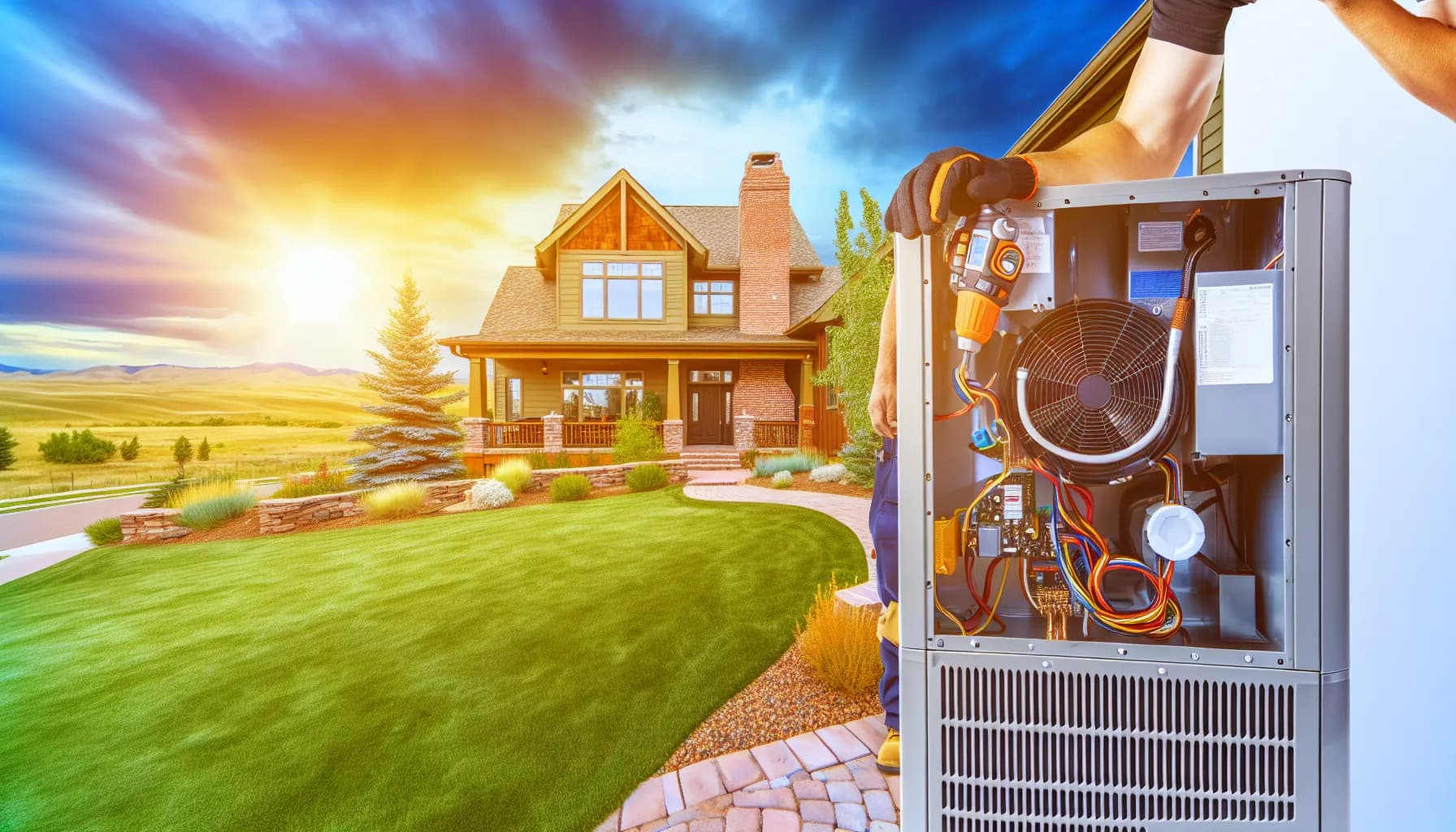
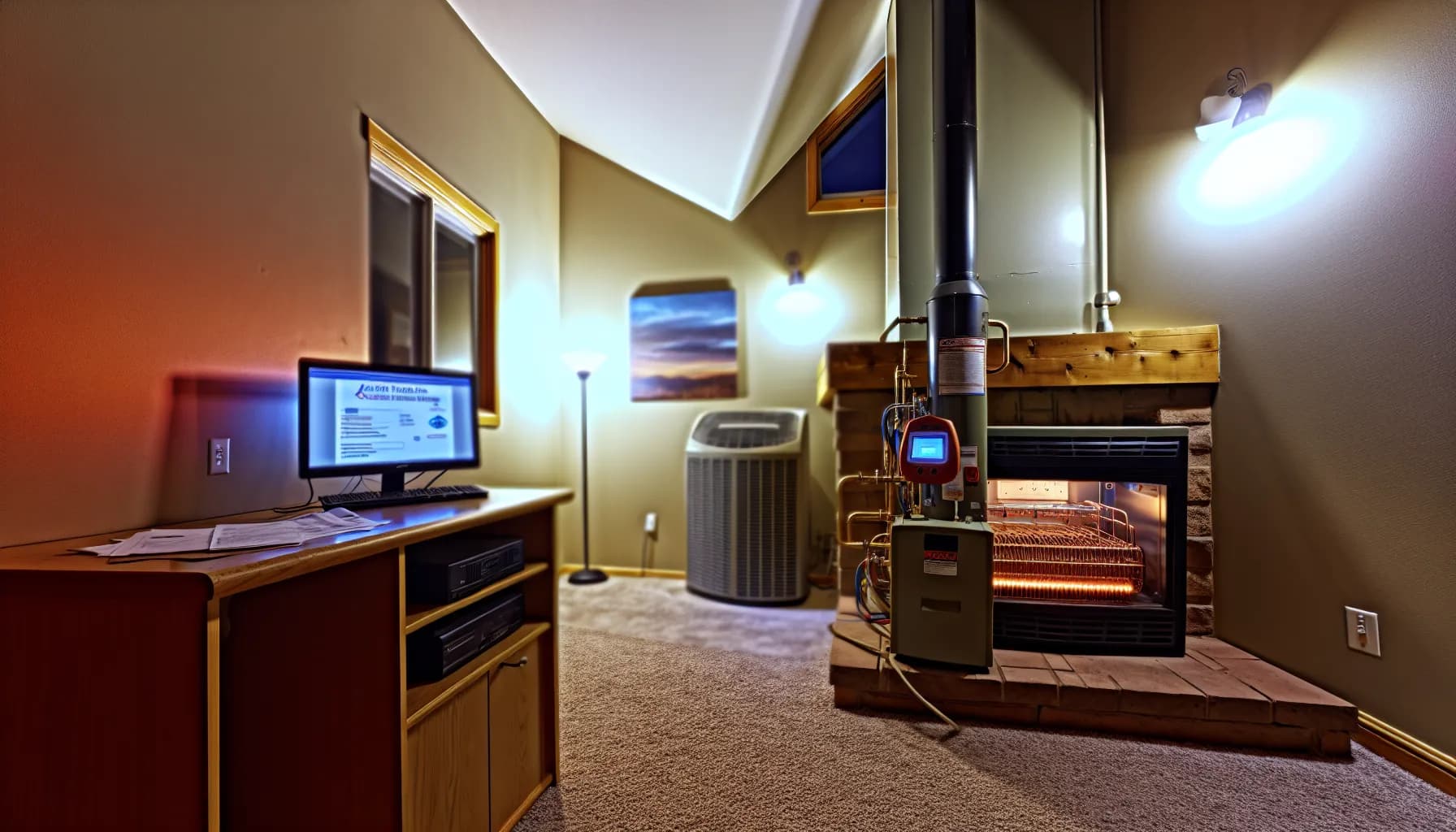
When the cold Colorado winter sets in, a working heater is not just a comfort, it’s a necessity. For homeowners in Greenwood Village, Englewood, Littleton, and across the greater Denver area, a malfunctioning furnace or heating system can quickly turn into a stressful and urgent situation. At Alloy Heating and Cooling, we often receive calls from worried homeowners asking, “Why is my heater not working?” Understanding the potential causes and knowing what steps to take can save you time, money, and discomfort. This comprehensive guide will walk you through common issues, practical troubleshooting, and solutions tailored for Colorado homes.
Heater is Not Working in House: Quick Troubleshooting Steps
If you wake up to a cold house or notice your heater is not responding, there are some immediate steps you can take before calling a professional. These simple checks can sometimes resolve the issue or help you better communicate the problem to your HVAC technician.
Check the Thermostat Settings
It might sound obvious, but a surprising number of calls we get are solved by adjusting the thermostat. Make sure your thermostat is set to “heat” and the temperature is set higher than the current room temperature. If you have a programmable thermostat, check the schedule and ensure it is not set to “off” or “vacation mode.” If the thermostat is battery-operated, try replacing the batteries. In newer “smart” thermostats, connectivity issues can also prevent proper function, try resetting your Wi-Fi or checking the app for error messages.
Examine the Power Supply
Furnaces and heat pumps typically require electricity to operate, even if they use natural gas for heating. Check to see if the furnace switch near the unit is in the “on” position. Inspect your home’s electrical panel for any tripped circuit breakers or blown fuses labeled for the heater or HVAC system. Sometimes, a recent power outage or surge can cause a breaker to trip. If you reset a breaker and it trips again, stop and call a professional, this indicates a deeper electrical issue.
Inspect Air Filters for Blockages
Dirty or clogged air filters are a leading cause of heating problems in Colorado homes. When filters are full of dust, pet hair, or debris, they restrict airflow. This can cause the furnace to overheat and shut down as a safety precaution. Locate your system’s filter (usually behind a return air grille or inside the furnace compartment), remove it, and check for dirt buildup. Replace it if it looks dirty or has not been changed in the last 1-3 months.
Common Reasons Your Heater is Not Working in Colorado Homes
If the above steps do not solve the problem, your heater may be suffering from one of these more technical issues. Colorado’s cold, dry winters can put extra strain on heating systems, making regular maintenance especially important.
Dirty or Clogged Air Filters
As mentioned, restricted airflow is a frequent culprit. In several Highlands Ranch homes we’ve serviced, homeowners experienced uneven heating or frequent furnace cycling. Upon inspection, we found severely clogged filters. Replacing them restored full function and improved indoor air quality. Dirty filters can also cause the heat exchanger to overheat, triggering automatic shutoff for safety.
Pilot Light or Ignition Issues
Older furnaces often use a standing pilot light, while newer models rely on electronic ignition systems. If the pilot light is out or the igniter fails, the furnace cannot start. In cities like Aurora and Lakewood, we often see pilot outages due to drafts, dirty flame sensors, or gas supply issues. A faint clicking sound from the furnace without ignition could indicate a faulty igniter or flame sensor.
Faulty Thermostat
Thermostats can fail due to wiring problems, old age, or dead batteries. We recently helped a Centennial homeowner whose heater would not turn on, only to discover a faulty thermostat wire. Replacing the thermostat resolved the issue. If some areas of your home are warm but others are cold, or if your system cycles on and off rapidly, it could also point to a thermostat problem.
Blower Motor Problems
The blower motor is responsible for pushing heated air through your home’s ducts. If you hear humming but no air is blowing, or if the system shuts down shortly after starting, the blower motor may be faulty. Sometimes, the problem is a simple as a loose fan belt or a faulty capacitor. In one Parker business, a burned-out blower motor caused the entire heating system to fail in the middle of a December snowstorm, our team was able to replace the motor and restore heat within hours.
Tripped Circuit Breakers or Blown Fuses
Electrical issues are another common cause of heater problems. In homes with older electrical panels, such as those in Wheat Ridge or Morrison, aging circuits may trip more frequently under the high demand of winter heating. Always check your panel for any tripped breakers or blown fuses, but if the problem repeats, have an electrician or HVAC technician inspect your system for underlying issues.
Solutions for a Heater Not Working in House
Once you have identified a likely cause, you can take steps to resolve the problem. Some solutions are safe for homeowners to try, while others require professional expertise.
How to Reset Your Heater
Many furnaces have a reset button, typically located on or near the blower compartment. If your heater has shut down for safety reasons (like overheating due to a clogged filter), turning off the power for a few minutes and then pressing the reset button can sometimes restart it. Always consult your owner’s manual for specific instructions. Do not repeatedly press the reset button, as this can damage the system.
When to Replace Filters or Parts
Air filters should be replaced every 1-3 months, especially during peak heating season. If your system is older, parts like igniters, flame sensors, or blower belts may wear out over time. If you notice repeated cycling, unusual noises, or persistent heating issues after changing the filter, it could be time to replace a worn component. We recommend keeping a few spare filters on hand, especially in areas like Castle Rock and Evergreen where winter storms can make it harder to get supplies quickly.
When to Call a Professional HVAC Technician
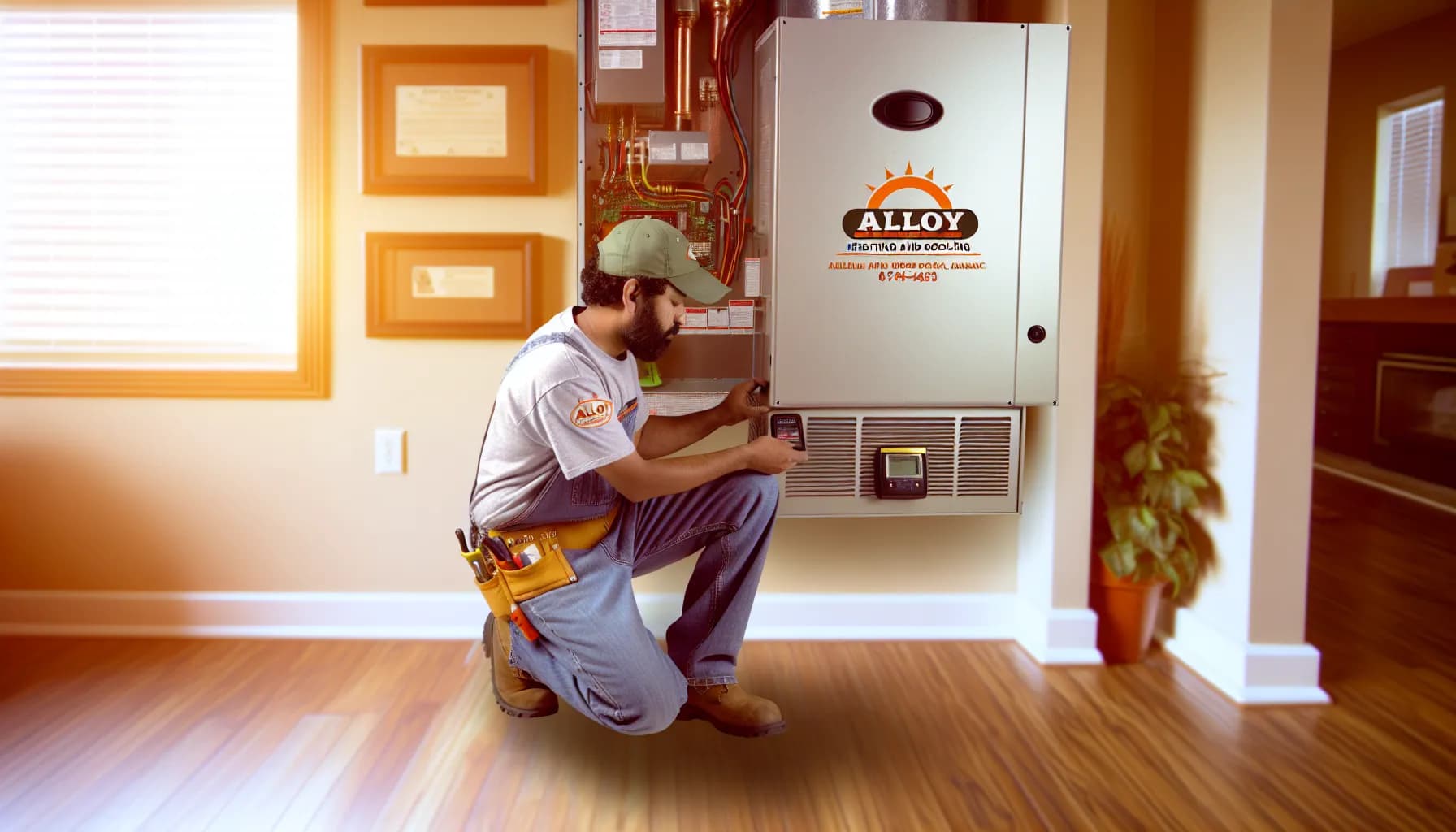
Some problems are simply too complex or dangerous to handle without training. If you smell gas, notice electrical burning odors, see water pooling around your furnace, or have repeatedly tripped breakers, call a licensed HVAC technician immediately. Alloy Heating and Cooling serves a broad area from Denver to Boulder, and our experienced team can diagnose and repair a wide range of issues quickly and safely. We also offer emergency services for those times when heat loss could put your family or business at risk.
Preventative Maintenance Tips for Heaters in Colorado
Regular maintenance is the best way to prevent heating breakdowns and extend the life of your system. Colorado’s unique climate, with cold, dry winters and sudden temperature swings, makes annual maintenance a smart investment for homes and businesses alike.
Seasonal Heater Maintenance Checklist
- Change or clean air filters every 1-3 months.
- Inspect thermostat for proper operation and replace batteries as needed.
- Check vents and registers to ensure they are open and unobstructed.
- Listen for unusual noises from your furnace, such as banging or grinding.
- Look for signs of rust, corrosion, or water leaks around the unit.
- Test carbon monoxide detectors to ensure your family’s safety.
- Schedule a professional inspection before each heating season.
Tips for Prolonging Heater Life
- Keep the area around your furnace clear of storage items, dust, and debris.
- Avoid blocking vents with furniture or rugs, which can restrict airflow.
- Invest in a programmable thermostat to reduce runtime when you are away.
- Have your ducts cleaned every few years to remove dust and improve air quality.
- Address any minor issues promptly to prevent costlier repairs later.
One real-world example: a homeowner in Golden scheduled annual maintenance with Alloy Heating and Cooling every fall. Over ten years, their furnace required only minor repairs, saving thousands of dollars compared to neighbors who waited until breakdowns occurred. Preventative care is especially important in Colorado’s unpredictable winter climate.
In Summary: If your heater is not working, start with basic troubleshooting, check the thermostat, power supply, and air filters. Common causes in Colorado include dirty filters, ignition problems, faulty thermostats, blower motor issues, and electrical faults. Replace filters regularly, reset the system if safe, and call a professional when needed. Preventative maintenance is your best defense against winter heating woes. At Alloy Heating and Cooling, we are always ready to help homeowners and businesses in Greenwood Village, Englewood, Littleton, Highlands Ranch, and beyond stay warm and safe all winter long.
Frequently Asked Questions
Why is my heater not turning on even though the thermostat is set correctly?
If your heater is not turning on despite the thermostat being set, check for tripped circuit breakers, blown fuses, or a malfunctioning thermostat. Also ensure the furnace switch is on.
How often should I change my heater’s air filter?
In Colorado, it’s recommended to check and replace your heater’s air filter every 1-3 months, especially during heavy use in winter, to prevent blockages and maintain efficiency.
What should I do if I smell gas coming from my heater?
If you smell gas, immediately evacuate your home and contact your gas company or emergency services. Do not attempt to turn on or off any electrical devices.
Is it safe to troubleshoot my heater myself?
You can safely check basic items like the thermostat, filter, and circuit breakers. For electrical, gas, or internal mechanical issues, always call a licensed HVAC technician.
How can I prevent heater problems during Colorado winters?
Schedule annual professional maintenance, replace filters regularly, and keep vents clear. Early fall inspections can help catch issues before the cold season begins.

Alloy HVAC Team
HVAC experts with years of experience in the industry. We share tips, insights, and the latest trends in heating, ventilation, and air conditioning to help you maintain optimal comfort in your home or business.