Carbon Monoxide and Your Furnace: What Every Colorado Homeowner Should Know
Carbon Monoxide and Your Furnace: What Every Colorado Homeowner Should Know
For homeowners across Colorado, especially in areas like Denver, Greenwood Village, Highlands Ranch, and Boulder, a reliable furnace is essential for comfort during chilly winters. But while your furnace keeps you warm, it can also pose a hidden danger: carbon monoxide (CO). Understanding how CO relates to your furnace, what causes leaks, and how to protect your home is critical for your family’s safety. At Alloy Heating and Cooling, we’ve seen firsthand how proper awareness and maintenance can make all the difference.
Understanding Carbon Monoxide in Furnaces
What is Carbon Monoxide?
Carbon monoxide is a colorless, odorless, and tasteless gas produced when fuels such as natural gas, propane, oil, or wood do not burn completely. Because you can’t see or smell it, CO is often called the “silent killer.” Exposure to high levels can be fatal in minutes, while even lower concentrations can cause serious health issues over time.
How Do Furnaces Produce Carbon Monoxide?
Most Colorado homes use gas-fired or oil-fired furnaces. These heating systems generate warmth by burning fuel. When working correctly, the combustion process produces heat, water vapor, and carbon dioxide. But if the furnace is malfunctioning or improperly vented, incomplete combustion can occur, releasing carbon monoxide into your home’s air. For example, a furnace with a cracked heat exchanger or a blocked vent can’t safely direct combustion gases outside, which increases CO risk indoors.
Why Colorado Homeowners Should Be Concerned
Colorado’s cold climate means furnaces run for long stretches during winter, increasing the chances of wear and tear. Homes in areas like Littleton, Castle Rock, and Aurora with older or rarely serviced furnaces are especially at risk. In addition, tightly sealed modern homes, while energy efficient, can trap gases inside, making CO buildup more likely. At Alloy Heating and Cooling, we have helped families avoid tragedy by catching CO issues early during routine maintenance calls.
Common Causes of Carbon Monoxide Leaks in Furnaces
Cracked Heat Exchangers
The heat exchanger is a critical component inside your furnace. It separates combustion gases from the air that circulates through your home. Over time, repeated heating and cooling cycles can cause the metal to crack. Even a small crack can allow CO to seep into your air supply. In one real-world case in Highlands Ranch, a homeowner reported headaches and fatigue. An inspection revealed a cracked heat exchanger, and replacing it solved the problem, and likely prevented a much more serious outcome.
Inadequate Ventilation and Blocked Flues
Your furnace’s venting system is designed to carry combustion gases safely outdoors. If the flue becomes blocked by debris, bird nests, snow, or ice, a common issue in Colorado’s variable climate, CO can back up into the home. In an Englewood business, Alloy Heating and Cooling technicians found a blocked vent caused by nesting birds. After clearing the obstruction and installing a vent guard, indoor air quality improved dramatically.
Poor Furnace Maintenance
Neglecting routine maintenance is a leading cause of CO leaks. Dirty burners, clogged filters, or worn-out components can disrupt proper combustion. In many service calls around Denver and Westminster, we’ve found that a simple annual tune-up would have prevented dangerous CO levels. Regular cleaning and inspection keep your furnace running safely and efficiently.
Warning Signs of Carbon Monoxide in Your Home
Physical Symptoms to Watch For
Because CO is invisible and odorless, your body is often the first detector. Common symptoms of CO poisoning include:
- Headaches
- Dizziness or confusion
- Nausea or vomiting
- Fatigue or weakness
- Shortness of breath
- Chest pain
If these symptoms improve when you leave the home and return when you go back inside, CO could be the culprit. For instance, a Centennial family called us after several members felt sick every morning. A CO test revealed high levels near their furnace, highlighting the importance of acting quickly on these warning signs.
Furnace and Home Indicators
Beyond physical symptoms, your furnace or home may give clues to a CO problem. Watch for:
- Yellow or flickering pilot light (should be steady blue)
- Soot streaks or rust around the furnace
- Excess moisture on windows or walls near the furnace
- Unusual odors (though CO itself is odorless, other combustion byproducts might smell)
- Stale or stuffy indoor air
If you notice any of these, especially in combination, schedule a professional inspection right away.
Importance of Carbon Monoxide Detectors
CO detectors are your first line of defense. They alert you to dangerous levels of carbon monoxide before symptoms begin. Colorado law requires CO alarms within 15 feet of all sleeping areas in any dwelling that burns fossil fuels. At Alloy Heating and Cooling, we recommend placing detectors on every floor and near your furnace. Regularly test and replace batteries, and change out old detectors every 5-7 years for reliable protection.
How to Prevent Carbon Monoxide Leaks from Your Furnace
Schedule Regular Furnace Inspections
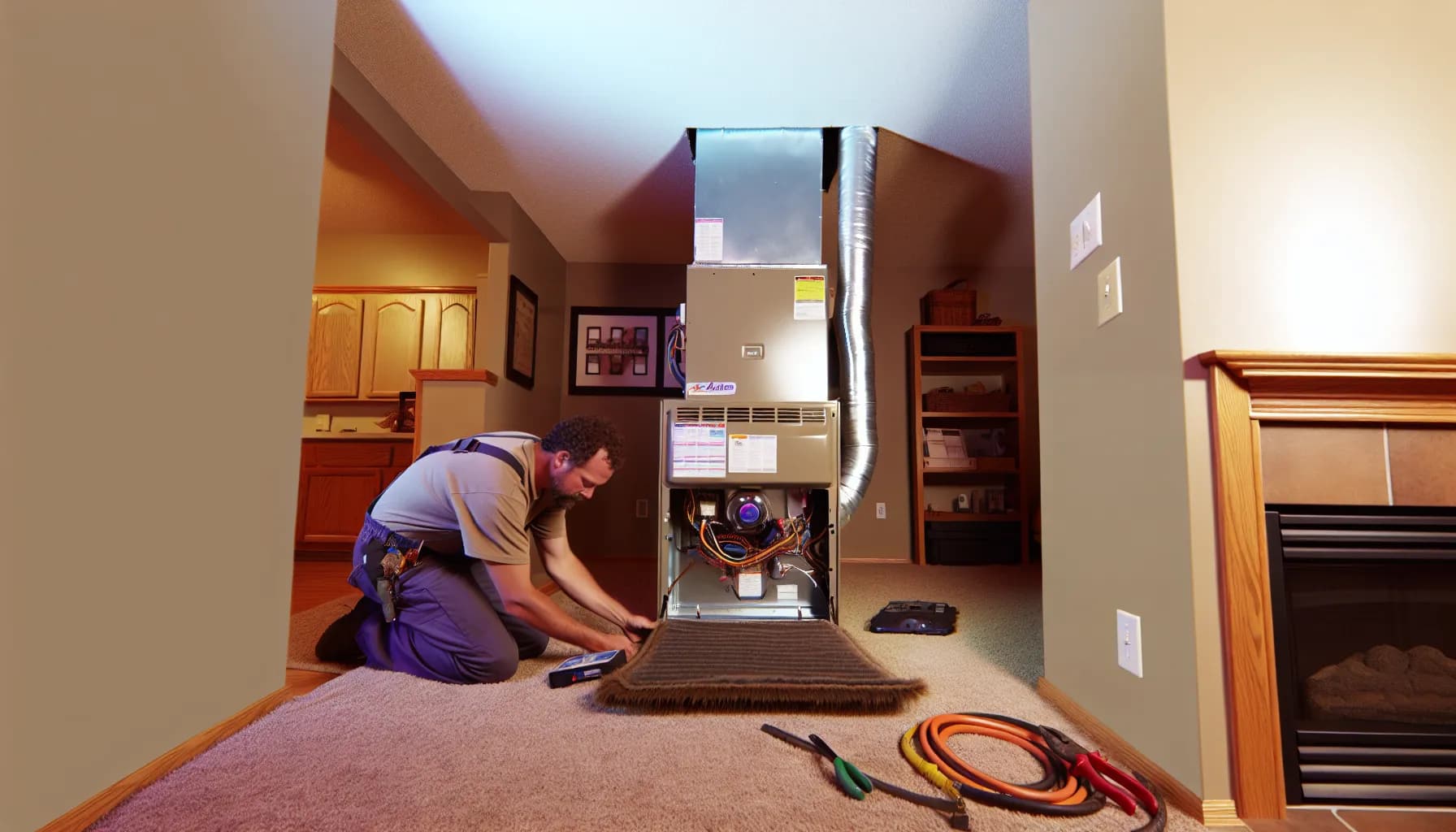
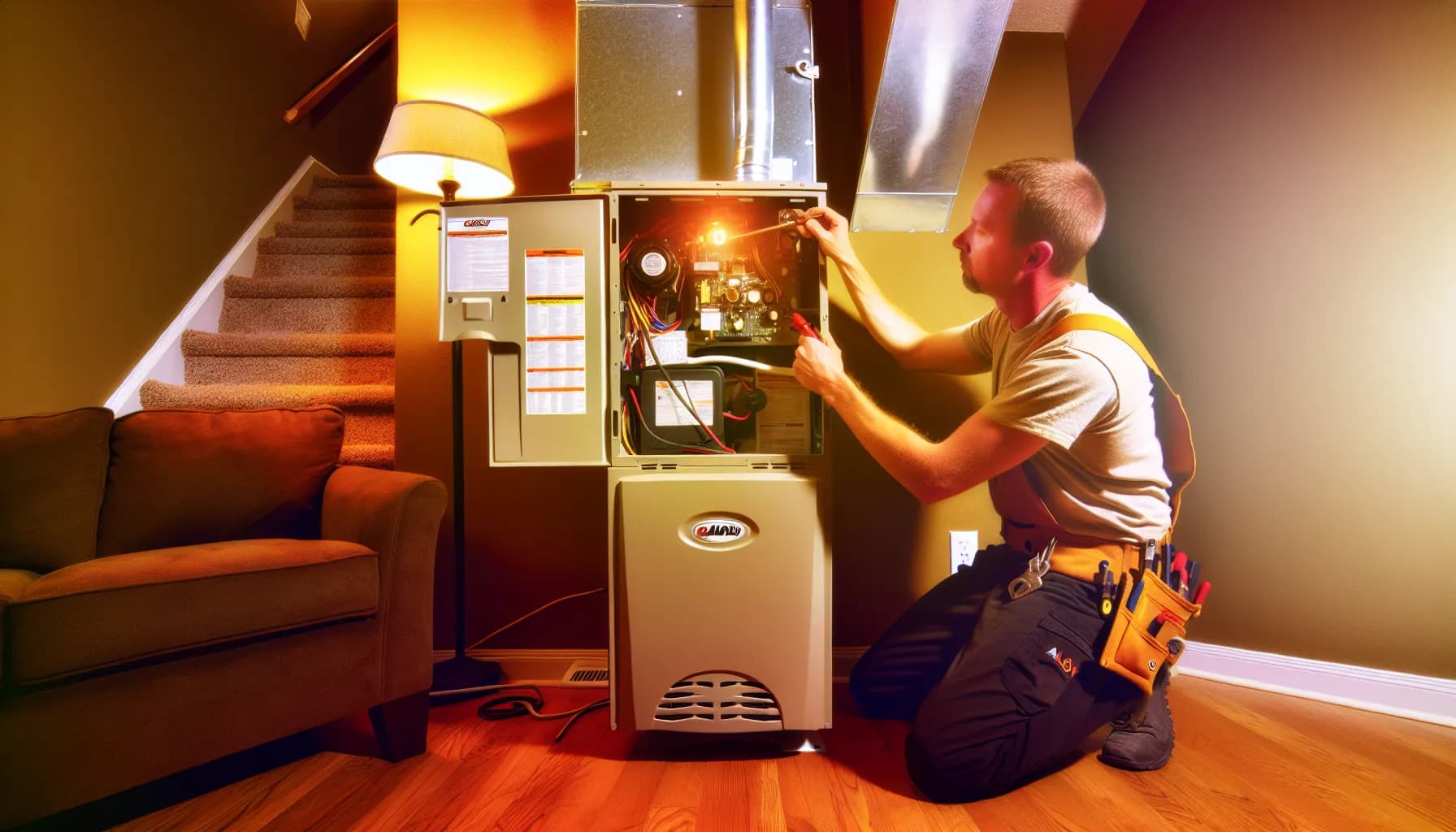
Annual professional inspections are crucial. A trained HVAC technician from Alloy Heating and Cooling will:
- Check for cracks in the heat exchanger
- Inspect flues and vents for blockages
- Test combustion efficiency
- Clean burners and filters
- Ensure safe and proper operation
In one Lakewood home, our yearly checkup uncovered a partially blocked flue pipe. Clearing the blockage and cleaning the system kept the family safe and avoided a costly emergency call later.
Install and Maintain CO Detectors
CO detectors save lives. Install detectors close to bedrooms, in hallways, and near the furnace. Make sure to test alarms monthly, replace batteries twice a year, and swap out any device older than seven years. If your detector sounds, take it seriously every time.
Choose Qualified HVAC Professionals
Never trust your furnace repairs or installation to an unlicensed or inexperienced contractor. Alloy Heating and Cooling’s certified technicians use advanced tools and training to spot issues that untrained eyes might miss. We’ve seen several cases in Arvada where DIY repairs created more hazards, including CO leaks from poorly sealed joints. Licensed professionals ensure your system is safe, up to code, and performing at its best.
What to Do If You Suspect a Carbon Monoxide Leak
Immediate Steps to Take
If you suspect a CO leak, follow these steps immediately:
- Evacuate everyone from the home or building. Get into fresh air as quickly as possible.
- Call 911 or your local emergency services from outside the building.
- Do not re-enter your home until professionals declare it safe.
Do not try to locate the leak yourself. In a recent case in Parker, quick evacuation and a call to emergency services ensured everyone’s safety, even though CO levels were dangerously high.
When to Call Emergency Services
Call emergency services if:
- Your carbon monoxide detector goes off
- Anyone is experiencing CO poisoning symptoms
- You suspect a CO leak for any reason
Emergency personnel have the equipment and training to assess and resolve hazardous situations safely.
Long-Term Solutions for Furnace Safety
After an emergency, have your furnace inspected by a qualified HVAC company like Alloy Heating and Cooling. We’ll identify the root cause, whether it’s a cracked heat exchanger, blocked vent, or another issue, and recommend repairs or replacement as needed. Many Colorado homeowners find it’s worth investing in a modern, high-efficiency furnace, which offers better safety features and lower risk of CO leaks.
Consider scheduling annual maintenance, upgrading old equipment, and improving home ventilation. These steps provide peace of mind and protect your family all year long.
Frequently Asked Questions
- What causes carbon monoxide in a furnace?
- Carbon monoxide in a furnace is typically caused by incomplete combustion of fuel, often due to issues like cracked heat exchangers, blocked vents, or poor furnace maintenance.
- How can I detect carbon monoxide leaks from my furnace?
- Install carbon monoxide detectors near sleeping areas and the furnace, watch for physical symptoms like headaches or nausea, and look for signs such as yellow furnace flames or soot buildup.
- How often should I have my furnace inspected for carbon monoxide risks?
- It’s recommended to schedule a professional furnace inspection at least once a year, especially before the heating season begins.
- What should I do if my carbon monoxide detector goes off?
- Leave your home immediately, call 911 or emergency services, and do not re-enter until it’s declared safe by professionals.
- Are certain types of furnaces more prone to carbon monoxide leaks?
- Older furnaces or those that are poorly maintained are more prone to carbon monoxide leaks. Regular maintenance and timely upgrades to modern, high-efficiency units can reduce risk.
For more information or to schedule a furnace safety inspection in Greenwood Village, Englewood, Littleton, Lone Tree, and surrounding Colorado communities, contact Alloy Heating and Cooling. Your safety is our top priority, let us help keep your home warm and secure all year round.
Frequently Asked Questions
What causes carbon monoxide in a furnace?
Carbon monoxide in a furnace is typically caused by incomplete combustion of fuel, often due to issues like cracked heat exchangers, blocked vents, or poor furnace maintenance.
How can I detect carbon monoxide leaks from my furnace?
Install carbon monoxide detectors near sleeping areas and the furnace, watch for physical symptoms like headaches or nausea, and look for signs such as yellow furnace flames or soot buildup.
How often should I have my furnace inspected for carbon monoxide risks?
It’s recommended to schedule a professional furnace inspection at least once a year, especially before the heating season begins.
What should I do if my carbon monoxide detector goes off?
Leave your home immediately, call 911 or emergency services, and do not re-enter until it’s declared safe by professionals.
Are certain types of furnaces more prone to carbon monoxide leaks?
Older furnaces or those that are poorly maintained are more prone to carbon monoxide leaks. Regular maintenance and timely upgrades to modern, high-efficiency units can reduce risk.

Alloy HVAC Team
HVAC experts with years of experience in the industry. We share tips, insights, and the latest trends in heating, ventilation, and air conditioning to help you maintain optimal comfort in your home or business.