Can a Furnace Cause Carbon Monoxide? Safety Tips for Colorado Homeowners
Can a Furnace Cause Carbon Monoxide? Safety Tips for Colorado Homeowners
For Colorado homeowners, keeping your home warm during the winter months is essential. However, it’s equally important to ensure your heating system is safe. One of the most serious concerns related to furnaces is carbon monoxide (CO) exposure. At Alloy Heating and Cooling, we want you to understand the risks, recognize warning signs, and take proactive steps to protect your family and property from this invisible hazard.
Understanding How a Furnace Can Cause Carbon Monoxide
What is Carbon Monoxide?
Carbon monoxide is a colorless, odorless, and tasteless gas. It is produced by the incomplete combustion of fuels like natural gas, propane, oil, wood, or coal. Because it is impossible to see or smell, CO is often called the “silent killer.” High concentrations can quickly become deadly, and even low-level exposure over time can cause serious health issues.
How Furnaces Produce Carbon Monoxide
Most Colorado homes rely on gas or oil furnaces for heat. These systems burn fuel to generate warmth. When a furnace is working correctly, it safely vents the small amounts of CO created during combustion outside your home through a flue or vent pipe. Problems occur when this process is disrupted, either through equipment failure, poor maintenance, or blocked venting, allowing CO to build up indoors.
Common Causes of Carbon Monoxide Leaks in Furnaces
- Cracked Heat Exchanger: The heat exchanger separates combustion gases from the air that circulates through your home. Over time, heat and stress can cause cracks, letting CO escape into your ductwork.
- Blocked or Damaged Flue: Chimney or vent obstructions, such as bird nests, ice, or debris, can prevent exhaust gases from exiting your home, causing CO to back up indoors.
- Poor Ventilation: Unvented or improperly installed appliances, or closed-off utility rooms, can trap CO inside.
- Faulty Furnace Components: Malfunctioning burners or pilot lights can lead to incomplete combustion, producing more CO.
- Lack of Maintenance: Dust, rust, or mechanical wear can impair your furnace’s performance and safety over time.
For example, we recently assisted a Greenwood Village homeowner who noticed soot around their furnace. A thorough inspection revealed a blocked flue caused by a bird’s nest. Once removed and the system cleaned, the CO risk was eliminated.
Signs Your Furnace May Be Leaking Carbon Monoxide
Physical Symptoms of Carbon Monoxide Exposure
- Headaches
- Dizziness
- Nausea or vomiting
- Shortness of breath
- Confusion or disorientation
- Fatigue
Symptoms often resemble the flu but without a fever. If multiple people in your home experience these symptoms simultaneously, especially when indoors, it’s a red flag. One Lakewood family we helped last winter reported persistent headaches and tiredness, after testing, we found a failing heat exchanger was leaking CO into their home.
Warning Signs Around Your Furnace
- Soot or scorch marks on or around your furnace
- Yellow or flickering pilot light instead of a steady blue flame
- Excess moisture or condensation on windows and walls near the furnace
- Unusual smells, like burning or staleness
- Rusting on vent pipes or flue
- Unexplained increase in utility bills
Any of these signs should prompt an immediate inspection by a qualified HVAC technician.
Essential Furnace Safety Tips for Colorado Homeowners
Regular Furnace Maintenance
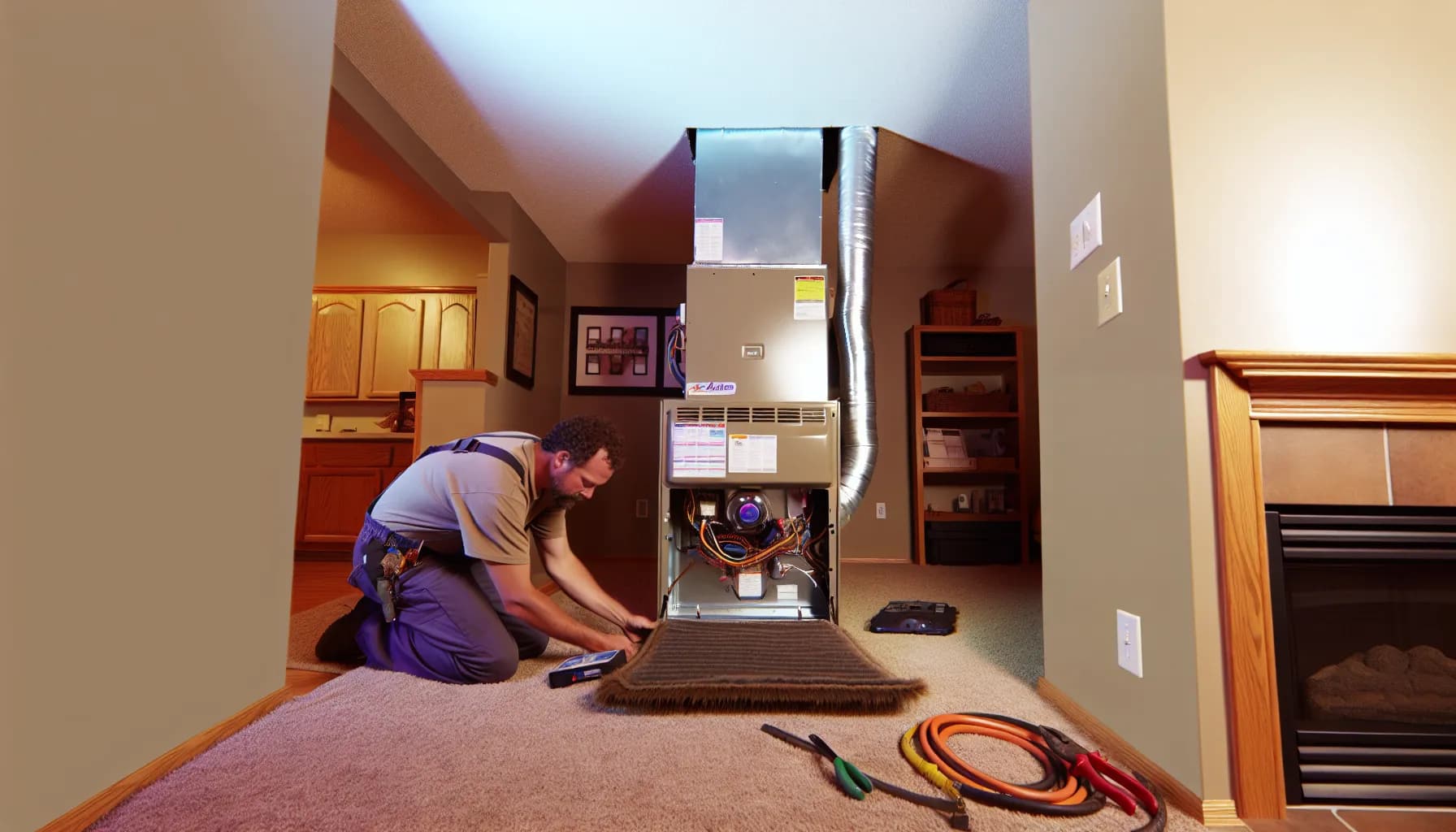
Prevention is the best defense against carbon monoxide hazards. Schedule annual furnace inspections and tune-ups with a trusted HVAC professional. During a maintenance visit, Alloy Heating and Cooling will:
- Inspect and clean burners and heat exchangers
- Check for cracks, rust, or corrosion
- Ensure proper venting and airflow
- Test CO levels and safety controls
- Replace air filters
Early fall is an ideal time for maintenance, before the heating season begins in earnest. For commercial and small business customers in Denver or Highlands Ranch, we recommend customized maintenance plans to minimize downtime and ensure occupant safety.
Installing and Testing Carbon Monoxide Detectors
State law in Colorado requires CO detectors within 15 feet of all sleeping areas in homes with fuel-burning appliances. We recommend placing detectors on every floor and near attached garages, as vehicles can also produce CO. Test alarms monthly and replace batteries at least once a year. Replace detectors every 5-7 years, or as directed by the manufacturer.
One Aurora homeowner told us their CO alarm went off during a winter storm. Because their detector was functional and correctly located, they evacuated safely before any health issues developed.
What to Do If You Suspect a Carbon Monoxide Leak
- Evacuate everyone from the home immediately
- Call 911 or your local fire department
- Do not re-enter until emergency personnel declare it safe
- Ventilate the home by opening doors and windows if you can do so quickly and safely
- Contact a licensed HVAC company to inspect and repair your furnace before using it again
Never ignore a tripped CO alarm, even if you feel fine. Safety always comes first.
Why Furnace Safety is Crucial for Colorado Homes
Effects of Colorado’s Climate on Furnace Operation
Colorado’s cold winters and high elevation can put extra stress on heating systems. Furnaces run more often and for longer periods, increasing the chances of wear and tear. Additionally, snow and ice can block exterior vents and chimneys, raising the risk of CO buildup. We’ve seen cases in Castle Rock and Evergreen where snowdrifts covered flue pipes, leading to emergency service calls. Regular outdoor checks are especially important after heavy storms.
Local Regulations and Recommendations
Colorado law requires CO detectors in most homes built, rented, or sold after July 1, 2009. The law applies to single-family homes, apartments, condos, and rental units with fuel-burning appliances or attached garages. Local building codes may have additional requirements, so consult with your HVAC professional or local code office if you have questions.
Beyond legal mandates, the City of Denver and other municipalities strongly recommend annual furnace inspections and using certified technicians for all work. Alloy Heating and Cooling’s team is fully licensed and insured, serving communities from Boulder to Monument, ensuring code compliance and peace of mind.
Conclusion
A well-maintained furnace is both efficient and safe. Understanding the risks of carbon monoxide, recognizing early warning signs, and following best practices can protect your loved ones and property. For expert furnace inspections, repairs, and CO safety advice throughout Greenwood Village, Englewood, Littleton, Aurora, Denver, and the surrounding Colorado Front Range, trust Alloy Heating and Cooling. Contact us today for your seasonal furnace check or to schedule a safety consultation.
Frequently Asked Questions
Can a furnace really cause carbon monoxide poisoning?
Yes, a malfunctioning or improperly ventilated furnace can produce dangerous levels of carbon monoxide, which can lead to poisoning if inhaled.
What are the signs of carbon monoxide leaking from my furnace?
Common signs include soot around the furnace, a yellow or flickering pilot light, excess moisture on windows, and unexplained physical symptoms like headaches or nausea.
How can I prevent carbon monoxide leaks from my furnace?
Schedule annual furnace inspections, install carbon monoxide detectors, and ensure your furnace is ventilated correctly to prevent leaks.
Are carbon monoxide detectors required in Colorado homes?
Yes, Colorado law requires carbon monoxide detectors within 15 feet of sleeping areas in most homes, especially those with fuel-burning appliances like furnaces.
What should I do if my carbon monoxide alarm goes off?
Immediately evacuate your home, call 911, and do not re-enter until authorities determine it is safe.

Alloy HVAC Team
HVAC experts with years of experience in the industry. We share tips, insights, and the latest trends in heating, ventilation, and air conditioning to help you maintain optimal comfort in your home or business.