Furnace and Carbon Monoxide Safety: What Every Colorado Homeowner Needs to Know
Furnace and Carbon Monoxide Safety: What Every Colorado Homeowner Needs to Know
Understanding Carbon Monoxide in Furnaces
What Is Carbon Monoxide?
Carbon monoxide (CO) is a colorless, odorless, and tasteless gas that can be extremely dangerous in enclosed spaces. It is often called the “silent killer” because it cannot be detected without specialized equipment. Exposure to even small amounts can cause serious health problems, making carbon monoxide safety a priority for homeowners throughout Colorado.
How Do Furnaces Produce Carbon Monoxide?
Furnaces, especially those powered by natural gas, propane, or oil, generate heat through combustion. When this process works correctly, the byproducts are safely vented outside. However, if the furnace is malfunctioning or improperly vented, carbon monoxide can leak into your living space. Common causes include cracked heat exchangers, blocked vents or flues, and incomplete combustion due to dirty burners.
Common Signs of Carbon Monoxide Leaks
While carbon monoxide itself is undetectable without a sensor, there are signs that may indicate a leak. These include:
- Soot streaks or excessive moisture around furnace or vents
- Pilot lights that frequently blow out
- Stale or stuffy indoor air
- Unusual furnace smells (though CO itself has no odor, malfunctioning equipment can produce odd odors)
Homeowners in Greenwood Village, Aurora, or Highlands Ranch have reported finding soot buildup during routine maintenance, only to discover a cracked heat exchanger leaking CO into their home.
Risks of Carbon Monoxide Exposure in Colorado Homes
Health Effects of Carbon Monoxide Poisoning
Carbon monoxide poisoning can range from mild to life-threatening. Early symptoms often mimic the flu, including headache, dizziness, nausea, and fatigue. Prolonged or high-level exposure can cause confusion, loss of consciousness, organ damage, or even death. Children, elderly adults, and those with respiratory issues are particularly vulnerable.
Why Colorado Homeowners Are at Risk
Colorado’s cold winters mean furnaces run frequently and homes are tightly sealed to conserve heat. This can trap pollutants inside and increase the risk of CO buildup. Homeowners in mountain areas like Evergreen or Morrison may also face elevated risks due to higher altitudes, which can affect combustion efficiency and exacerbate symptoms of CO exposure.
How to Prevent Carbon Monoxide Leaks from Your Furnace
Regular Furnace Maintenance and Inspections
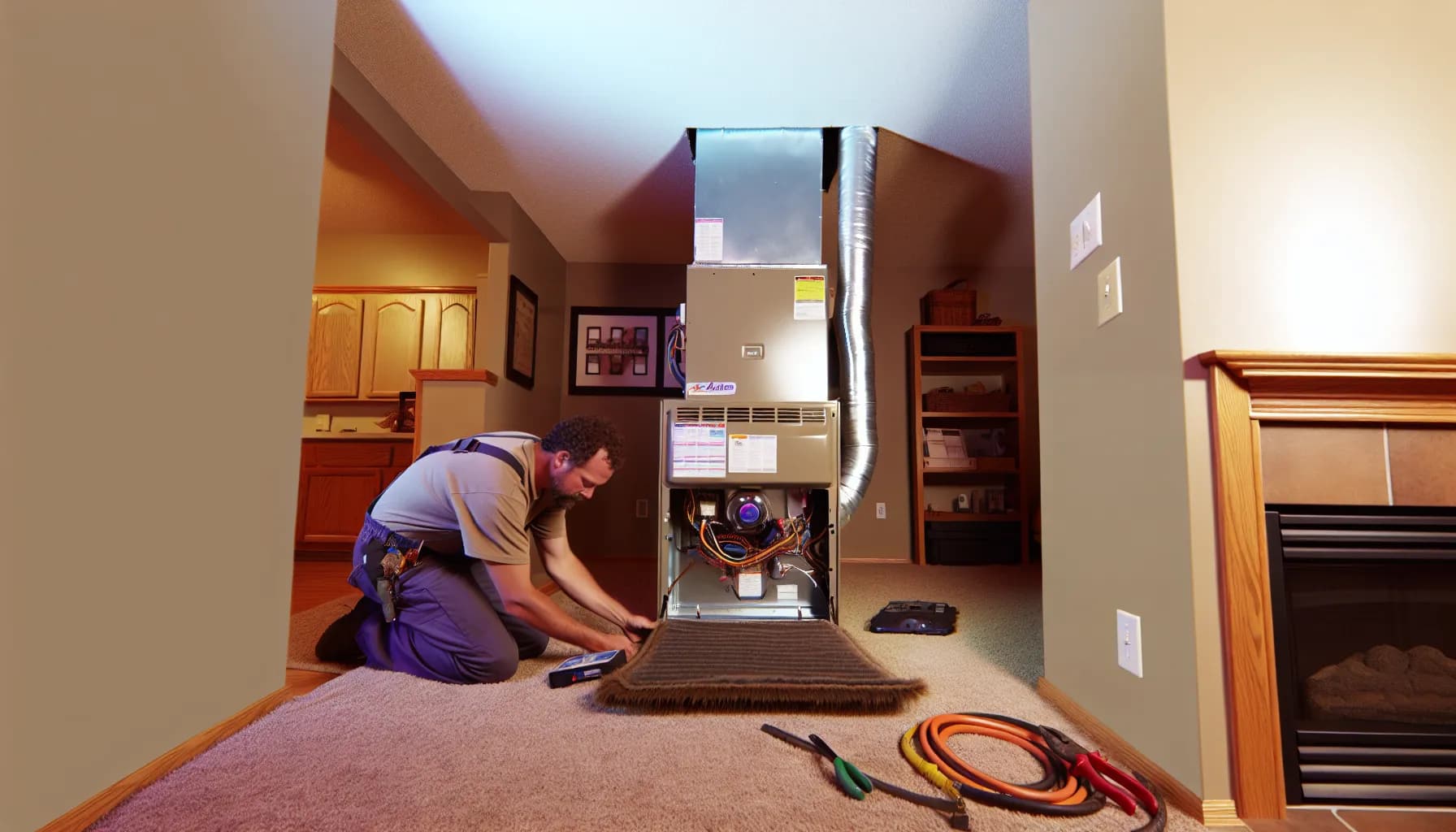
Annual furnace inspections by a certified HVAC technician are the most effective way to prevent carbon monoxide leaks. During a typical service call, a technician from Alloy Heating and Cooling will check the heat exchanger, inspect and clean burners, test for proper venting, and look for signs of wear or damage. These thorough checks have helped homeowners in Centennial and Castle Rock catch small issues before they become dangerous.
Installing and Testing Carbon Monoxide Detectors
Install carbon monoxide detectors on every floor of your home, especially near bedrooms and furnace rooms. Test detectors monthly and replace batteries at least twice a year. Colorado law requires detectors in most residential properties, so make sure your home is compliant. Detectors are the first line of defense and have saved families in Littleton and Parker from serious harm.
Proper Furnace Ventilation Tips
Ensure that your furnace and all fuel-burning appliances have clear, unobstructed vents leading outdoors. Never block or cover air intake or exhaust vents, and keep the area around your furnace free of clutter. After heavy snowfall, check outdoor vents for ice or snow buildup, a common issue in places like Monument and Palmer Lake.
What to Do If You Suspect a Carbon Monoxide Leak
Immediate Actions to Take
If your carbon monoxide detector sounds or you suspect a leak, act quickly. Turn off the furnace and open windows and doors to ventilate your home right away. Do not try to locate the leak yourself, as exposure can be dangerous.
When to Call Emergency Services
If anyone in your home experiences symptoms of carbon monoxide poisoning, leave immediately and call 911 or your local emergency number. Emergency responders are equipped to measure CO levels and provide necessary medical attention.
Steps for Safe Evacuation
- Evacuate everyone, including pets, from the building
- Do not re-enter until professionals have declared it safe
- Contact a licensed HVAC technician to inspect and repair your furnace before using it again
We have seen situations in Arvada and Thornton where quick evacuation and immediate calls to emergency services prevented serious harm.
Choosing a Qualified HVAC Professional in Colorado
Questions to Ask Your HVAC Technician
- Are you licensed and insured in Colorado?
- What experience do you have with carbon monoxide safety and furnace repair?
- Do you offer a written inspection report?
- Can you provide references from recent clients?
Homeowners in Boulder and Lakewood have shared that asking these questions helped them find reliable HVAC partners.
Importance of Licensed and Insured Services
Hiring a licensed and insured HVAC professional ensures that all work meets Colorado’s safety codes. Certified technicians have the training to spot carbon monoxide risks and perform repairs safely. Alloy Heating and Cooling is fully licensed and experienced, providing peace of mind to families and small businesses across the Front Range.
Frequently Asked Questions
Can a furnace cause carbon monoxide poisoning?
Yes, malfunctioning or poorly maintained furnaces can produce carbon monoxide, posing a serious risk of poisoning if the gas leaks into your home.
What are the symptoms of carbon monoxide exposure from a furnace?
Symptoms can include headache, dizziness, nausea, shortness of breath, confusion, and flu-like symptoms. High levels of exposure can be life-threatening.
How can I detect carbon monoxide in my home?
Install carbon monoxide detectors on every floor of your home and especially near sleeping areas. Regularly test and replace the batteries in these detectors.
How often should I have my furnace inspected for carbon monoxide leaks?
It is recommended to have your furnace professionally inspected and serviced at least once a year, ideally before the heating season begins.
Are there specific carbon monoxide safety regulations for Colorado homeowners?
Yes, Colorado law requires carbon monoxide detectors in most residential properties. Check local regulations to ensure your home meets all safety requirements.

Alloy HVAC Team
HVAC experts with years of experience in the industry. We share tips, insights, and the latest trends in heating, ventilation, and air conditioning to help you maintain optimal comfort in your home or business.