Can a Furnace Cause Carbon Monoxide in Your Home? What Colorado Homeowners Need to Know
Can a Furnace Cause Carbon Monoxide in Your Home? What Colorado Homeowners Need to Know
Winter in Colorado means relying on your furnace to keep your home or business warm and comfortable. But while a well-functioning furnace is a necessity, it’s important to be aware of the potential risks, especially when it comes to carbon monoxide (CO). For homeowners throughout Greenwood Village, Englewood, Littleton, and the greater Denver area, understanding the connection between furnaces and carbon monoxide is crucial for keeping your family and property safe.
Understanding Carbon Monoxide and Its Risks
What Is Carbon Monoxide?
Carbon monoxide is a colorless, odorless, and tasteless gas that forms when fuels like natural gas, propane, oil, or wood burn incompletely. Because you can’t see or smell it, carbon monoxide can build up indoors without warning.
Why Is Carbon Monoxide Dangerous?
CO binds to red blood cells more readily than oxygen, meaning it can prevent your body from absorbing the oxygen it needs. Even low levels of exposure can cause health problems, while high concentrations can be life-threatening within minutes. According to the Centers for Disease Control and Prevention, hundreds of people in the U.S. die each year from accidental CO poisoning, and thousands more require emergency care.
Common Sources of Carbon Monoxide in Homes
- Furnaces and boilers
- Gas-powered water heaters
- Fireplaces and wood stoves
- Gas ovens and ranges
- Portable generators and space heaters
- Automobiles running in attached garages
Any appliance or equipment that burns fuel can be a source of CO if it is not installed, vented, or maintained properly.
Can a Furnace Cause Carbon Monoxide in Your Home?
How Furnaces Produce Carbon Monoxide
All fuel-burning furnaces produce some carbon monoxide as a byproduct of combustion. Modern furnaces are designed to vent these exhaust gases safely outside. Problems arise when something interferes with this process, such as a cracked heat exchanger, blocked flue, or malfunctioning burner, allowing CO to leak into your living space.
Types of Furnaces and CO Risks
- Gas Furnaces: The most common in Colorado homes, gas furnaces pose a CO risk if there’s a failure in venting, heat exchanger cracks, or pilot light problems.
- Oil Furnaces: Less common but still present, these can also develop leaks or venting issues that release CO.
- Electric Furnaces: These do not produce carbon monoxide since no combustion occurs.
At Alloy Heating and Cooling, we’ve encountered real-world cases in Highlands Ranch and Aurora where homeowners experienced CO detector alarms due to blocked furnace flues caused by nesting birds or debris. In each case, prompt professional intervention prevented a potentially dangerous situation.
Signs Your Furnace May Be Leaking Carbon Monoxide
- Unusual condensation on windows near the furnace
- Soot or rust around furnace or vent pipes
- Stale or stuffy air, or a burning smell
- Frequent pilot light outages
- Health symptoms like headaches, dizziness, or nausea, especially when the furnace is running
If you or your family experience unexplained symptoms that improve when you leave the house, carbon monoxide could be the cause.
Specific Concerns for Colorado Homeowners
Colorado Climate and Furnace Usage
Our cold Colorado winters mean furnaces work overtime, sometimes running for months at a stretch. Prolonged use increases wear and tear, making regular maintenance even more important. Higher altitudes in areas like Evergreen and Castle Rock can also affect furnace combustion, potentially increasing CO risks if equipment isn’t properly adjusted for elevation.
Regulations and Safety Requirements in Colorado
Colorado law requires all homes with fuel-burning appliances or attached garages to have carbon monoxide detectors installed near sleeping areas. This applies to single-family homes, apartments, condos, and rental properties. Local building codes also mandate proper venting and annual inspections for heating equipment. Compliance is essential for safety and for meeting insurance or real estate requirements.
How to Prevent Carbon Monoxide Leaks from Your Furnace
Routine Furnace Maintenance
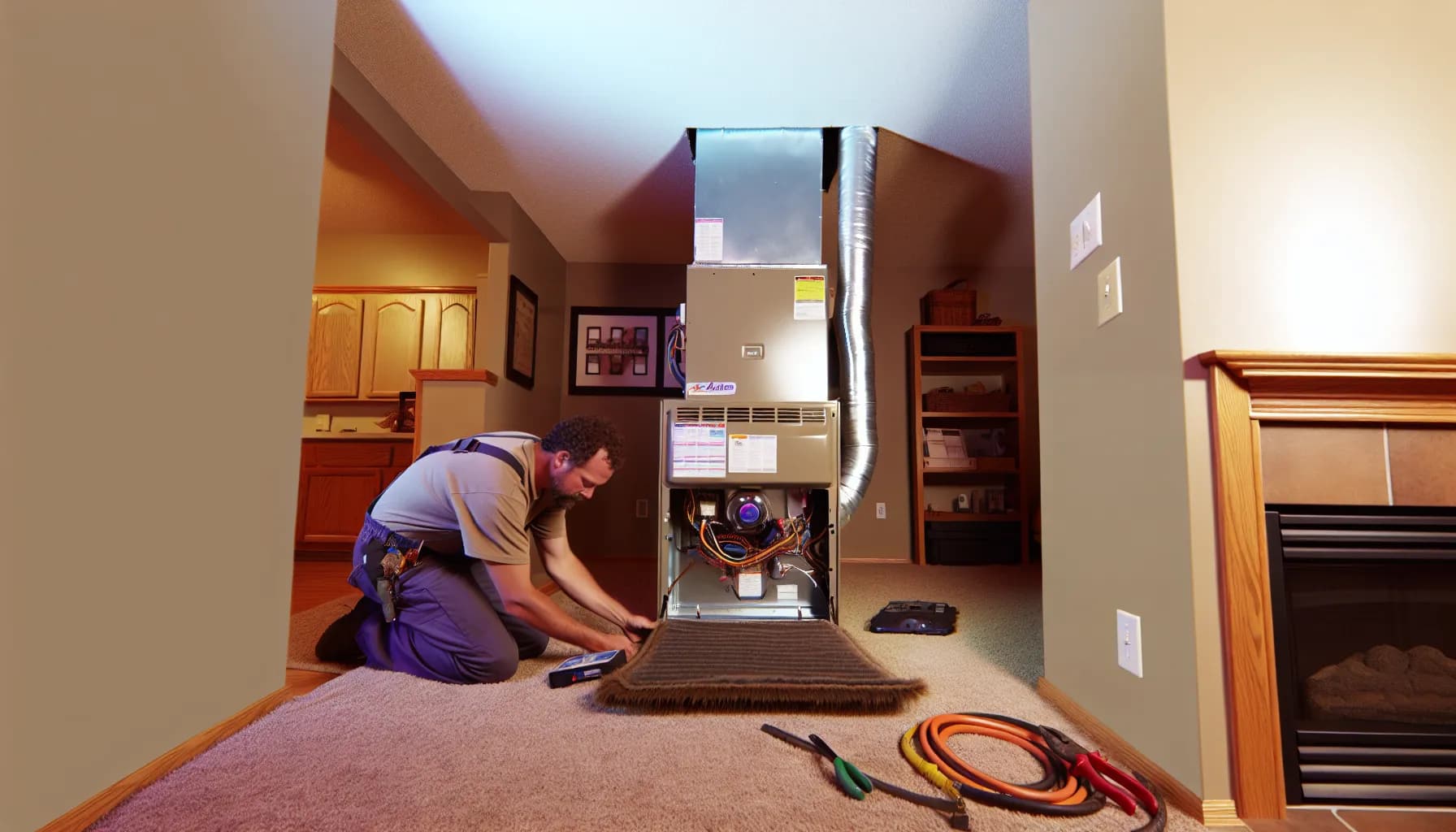
Regular professional maintenance is your first line of defense against CO leaks. At Alloy Heating and Cooling, we recommend annual furnace checkups for all homes in Parker, Centennial, and surrounding communities. A typical inspection includes:
- Checking the heat exchanger for cracks
- Inspecting and cleaning burners
- Testing carbon monoxide levels around the appliance
- Ensuring vent pipes and flues are clear
- Adjusting burners for optimal combustion
We’ve seen homeowners in Littleton avoid major furnace replacements by catching small issues early during routine maintenance appointments. Preventive care saves money and safeguards your family’s health.
Installing Carbon Monoxide Detectors
Every home with a gas or oil furnace should have working CO detectors on every level and near sleeping areas. Test detectors monthly and replace batteries at least once a year. Consider interconnected detectors for added safety, if one alarm sounds, all will go off. Alloy Heating and Cooling can recommend and install reliable models for your home or business.
What to Do If You Suspect a Leak
- Evacuate everyone from the home immediately
- Call 911 from outside or a neighbor’s house
- Do not re-enter until emergency responders say it is safe
- Schedule a professional furnace inspection before turning the system back on
We had a customer in Denver whose CO alarm went off late at night during a cold snap. They followed these steps, and our 24/7 emergency team quickly identified and repaired a cracked heat exchanger, preventing a serious health emergency.
When to Call a Professional
Warning Signs Requiring Immediate Attention
Don’t wait to call an HVAC professional if you notice:
- Carbon monoxide detector alarms
- Visible rust, soot, or water around the furnace
- Family members experiencing flu-like symptoms only when at home
- Unusual smells (even though CO is odorless, exhaust leaks can produce other odors)
Choosing a Licensed HVAC Technician in Colorado
Always choose a licensed, insured, and experienced HVAC contractor for furnace repair or installation. Ask about certifications, references, and local experience. Alloy Heating and Cooling proudly serves Greenwood Village, Lakewood, Boulder, and the entire Denver metro area with highly trained technicians and a commitment to safety.
Whether you’re a homeowner in Highlands Ranch, a small business in Aurora, or managing a commercial property in Broomfield, protecting your space from carbon monoxide is a shared responsibility. With proper maintenance, working detectors, and professional support, you can keep your family or business safe and warm all winter long.
Frequently Asked Questions
Can a furnace really cause carbon monoxide poisoning?
Yes, a malfunctioning or poorly ventilated furnace can produce dangerous levels of carbon monoxide, which can lead to poisoning if not properly detected and addressed.
What are the symptoms of carbon monoxide exposure from a furnace?
Common symptoms include headaches, dizziness, nausea, shortness of breath, and confusion. Prolonged exposure can lead to serious health issues or even death.
How often should I have my furnace inspected in Colorado?
It’s recommended to have your furnace professionally inspected and serviced at least once a year, especially before the heating season begins.
Are carbon monoxide detectors required in Colorado homes?
Yes, Colorado law requires carbon monoxide detectors to be installed near sleeping areas in all homes with fuel-burning appliances or attached garages.
What should I do if my carbon monoxide detector goes off?
Leave your home immediately, call 911, and do not re-enter until emergency services confirm it is safe. Contact a qualified HVAC professional to inspect your furnace before using it again.

Alloy HVAC Team
HVAC experts with years of experience in the industry. We share tips, insights, and the latest trends in heating, ventilation, and air conditioning to help you maintain optimal comfort in your home or business.