Why is My Central Heating Not Working? Top Reasons and Solutions for Colorado Homes
Why is My Central Heating Not Working? Top Reasons and Solutions for Colorado Homes
When the Colorado winter chill sets in, a reliable central heating system is not just a comfort, it is a necessity. If your heat suddenly stops working, it can quickly turn your home or business into an uncomfortable space. At Alloy Heating and Cooling, we understand how stressful it can be to troubleshoot heating issues when temperatures drop. Let’s explore the most common reasons central heating systems fail, how Colorado’s unique climate affects performance, and what steps you can take to restore warmth quickly and efficiently.
Common Reasons Your Central Heating is Not Working
Thermostat Issues
The thermostat is the control center of your heating system. If it is not working properly, your furnace may never receive the signal to turn on. Homeowners in Greenwood Village and nearby areas sometimes discover their thermostat is set to “cool” or the batteries have died. In other cases, a faulty sensor or outdated thermostat can cause erratic heating or no heat at all.
Power Supply Problems
Central heating systems rely on a consistent power supply. A tripped circuit breaker or blown fuse can cut power to your furnace. Sometimes, loose wiring or an overloaded electrical panel is to blame. In commercial settings or older homes in places like Denver or Aurora, electrical issues are especially common after storms or during heavy system use.
Dirty or Clogged Air Filters
Air filters protect your system from dust, pollen, and debris. When filters become clogged, airflow is restricted, causing the furnace to overheat or shut down. In Colorado’s dry and dusty climate, we often see filters clog more quickly, especially in households with pets or ongoing construction.
Pilot Light or Ignition Problems
Many older Colorado homes still use furnaces with pilot lights. If the pilot won’t stay lit or the electronic ignition fails, the furnace cannot produce heat. Common causes include a dirty sensor, faulty thermocouple, or gas supply issues. For example, a homeowner in Highlands Ranch recently called us when their furnace blower was running but no heat was coming out. The culprit? A worn-out ignition control module.
Faulty Blower Motor
The blower motor moves heated air through your ducts. If it malfunctions, you might hear unusual noises or notice weak airflow. Over time, dust buildup or worn bearings can cause the blower to fail. In commercial spaces in Centennial, we have seen motors overheat due to lack of regular maintenance.
Blocked or Leaky Ductwork
If your ducts are blocked, disconnected, or leaking, heated air will not reach your living spaces. This is especially true in older homes in Boulder or Golden, where original ductwork may have deteriorated. Signs include uneven heating, higher energy bills, or rooms that stay cold even when the furnace runs.
How Colorado’s Climate Impacts Central Heating Systems
Effects of Cold Weather on Heating Efficiency
Colorado’s winters can be harsh, with temperatures often dipping below freezing. When it’s extremely cold, your heating system must work harder to maintain comfort. Prolonged use can reveal existing issues like weak ignition systems or failing blower motors. In Parker and Castle Rock, homeowners frequently notice their systems struggle during sudden cold snaps.
Altitude-Related Heating Challenges
Many Colorado communities, including Denver, Boulder, and Morrison, are located at high altitudes. Thin air affects how furnaces burn fuel; gas-fired units may require special adjustments or high-altitude kits. Without these modifications, your furnace can lose efficiency or fail prematurely. At Alloy Heating and Cooling, we routinely calibrate new installations for altitude to ensure maximum performance.
Humidity and Heating Performance
Colorado’s dry air can impact both comfort and heating efficiency. Low humidity makes it feel cooler indoors, causing you to run the furnace longer. Dry conditions can also increase dust buildup in filters and ducts. Over time, this affects system performance and indoor air quality.
Step-by-Step Troubleshooting for Central Heating Not Working
Checking the Thermostat Settings
Start by making sure your thermostat is set to “heat” and the temperature is above the current room temperature. Replace the batteries if needed and check for error messages or blank screens, which can indicate a wiring or power issue.
Inspecting the Furnace and Pilot Light
Look for obvious signs of trouble at the furnace, like flashing error lights or unusual noises. If you have a standing pilot, check if it’s lit. For electronic ignition systems, listen for clicking sounds when the furnace tries to light. If you smell gas, leave the area and call your utility provider immediately.
Replacing or Cleaning Air Filters
Dirty air filters are a leading cause of furnace failures in Colorado homes. Remove the filter and hold it up to the light. If you cannot see light through it, replace it with a new one. Clean filters improve airflow and help your system run more efficiently.
Examining Electrical Connections
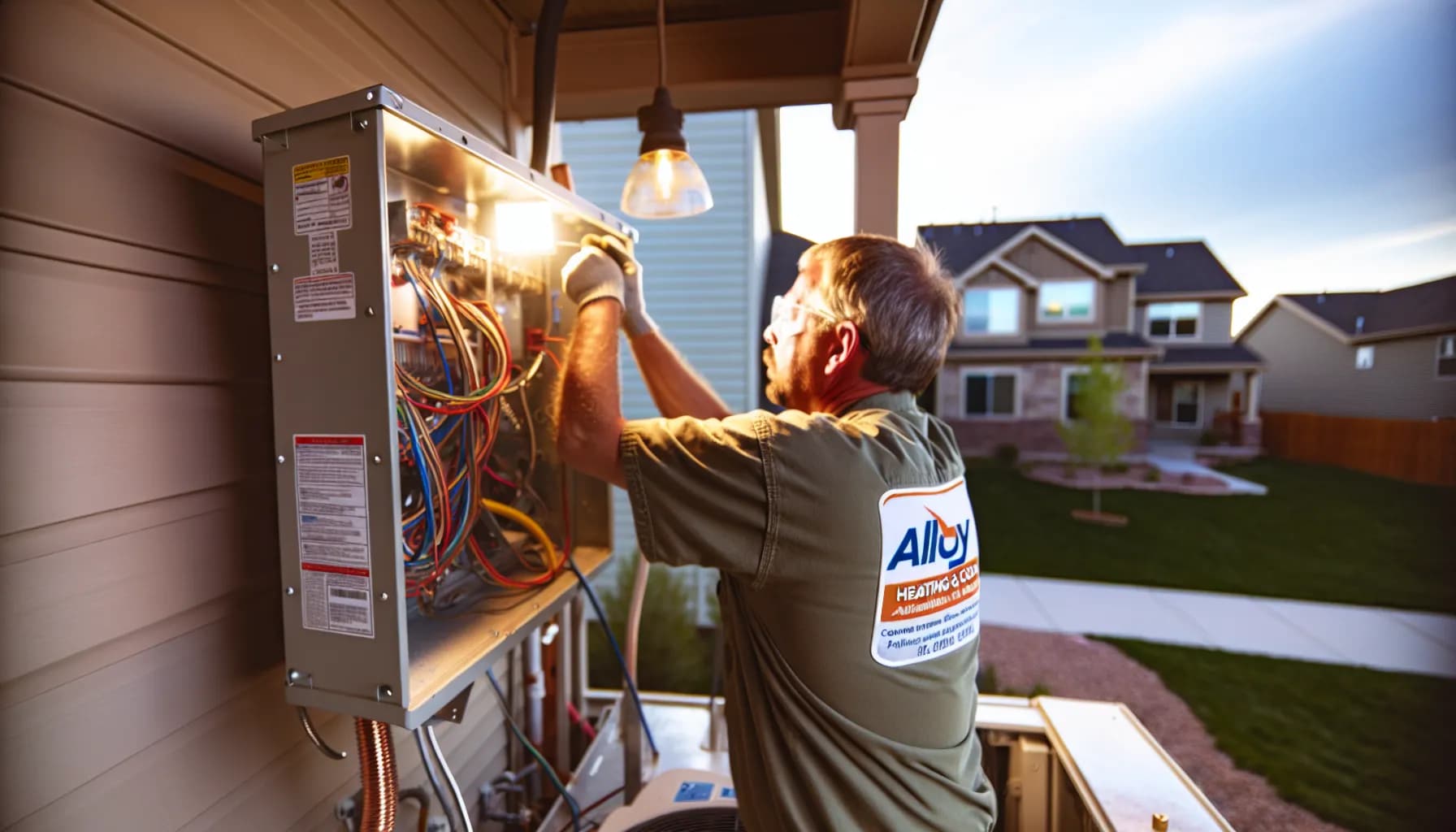
Check your home’s circuit breaker panel to make sure the furnace breaker is in the “on” position. Inspect for loose wires or connections at the furnace, but only if you are comfortable working with electrical components. If you find damaged wires or frequently tripped breakers, contact a professional.
When to Call a Professional HVAC Technician in Colorado
Signs of Serious Heating System Problems
If you hear banging, screeching, or grinding noises from your furnace, notice burning smells, or see water pooling around the unit, these are signs of major issues. Frequent cycling, weak airflow, or the system not turning on at all often require expert diagnosis. In a recent case in Arvada, a homeowner noticed their system shutting off every few minutes, our technician found a cracked heat exchanger, which could have led to a dangerous carbon monoxide leak.
Benefits of Regular Maintenance
Preventative maintenance is the best way to avoid unexpected heating breakdowns. Professional tune-ups include cleaning, safety checks, and adjustments for Colorado’s unique climate and altitude. Regular maintenance extends equipment life, boosts efficiency, and ensures safe operation throughout the heating season. Homeowners in Castle Pines and Evergreen benefit from our maintenance plans, which help spot small issues before they become big problems.
Whether you live in a historic Denver bungalow or a modern Highlands Ranch home, Alloy Heating and Cooling is here to help. Our team has decades of experience serving Colorado’s diverse communities and climate challenges. If your central heating is not working, contact us for fast, friendly, and expert service.
Frequently Asked Questions
Why is my central heating not turning on at all?
This could be due to a tripped circuit breaker, faulty thermostat, power supply issues, or a problem with the furnace’s ignition system.
How often should I replace my heating system’s air filter?
In Colorado homes, it’s recommended to check and replace air filters every 1-3 months, especially during heavy use in winter.
Can altitude in Colorado affect my central heating performance?
Yes, higher altitudes can impact furnace efficiency and may require adjustments or specialized equipment for optimal performance.
What should I do if my furnace is blowing cold air?
Check the thermostat settings, air filter, and ensure the pilot light is lit. If these are fine, there may be a more serious issue requiring professional help.
When should I call an HVAC technician for my central heating?
If basic troubleshooting doesn’t resolve the issue, or if you notice unusual noises, smells, or frequent cycling, it’s best to contact a qualified technician.

Alloy HVAC Team
HVAC experts with years of experience in the industry. We share tips, insights, and the latest trends in heating, ventilation, and air conditioning to help you maintain optimal comfort in your home or business.