Types of HVAC Systems for Residential Homes in Colorado and Their Pros & Cons
Types of HVAC Systems for Residential Homes in Colorado and Their Pros & Cons
Introduction to Residential HVAC Systems
What is an HVAC System?
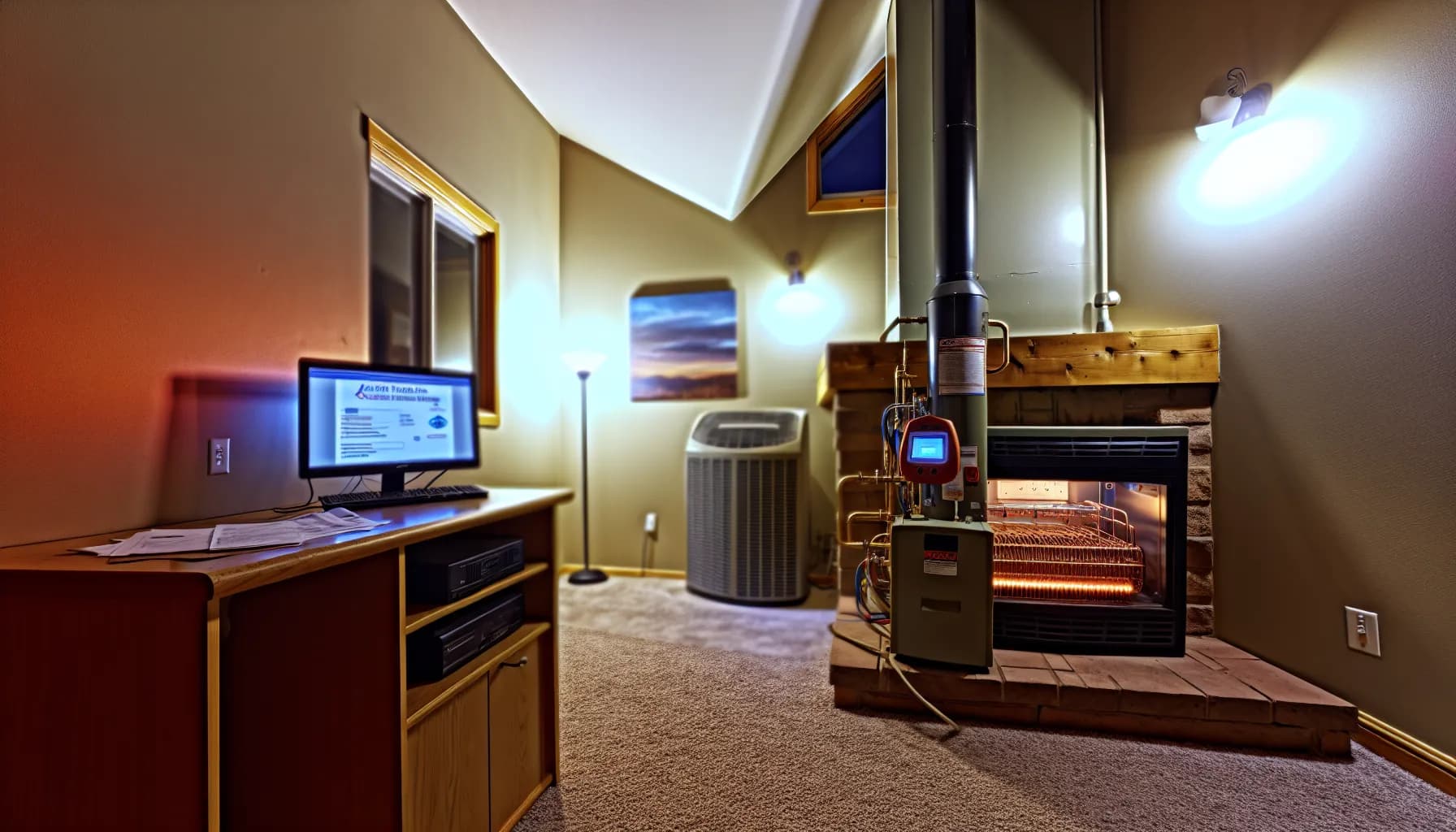
HVAC stands for Heating, Ventilation, and Air Conditioning. In residential homes, an HVAC system is responsible for keeping your indoor environment comfortable throughout the year. It manages temperature, humidity, and indoor air quality, which is especially important for Colorado’s variable climate. From snowy winters in Castle Rock to hot summers in Denver, your HVAC system is central to daily comfort and health.
Why Choosing the Right HVAC Matters in Colorado
Colorado’s weather can be unpredictable. Homeowners in areas like Highlands Ranch or Boulder may experience frigid winter nights followed by sunny, warm afternoons. This temperature swing means your heating and cooling system must be versatile and reliable. Choosing the right system impacts not only comfort, but also energy bills, maintenance needs, and even your home’s resale value. At Alloy Heating and Cooling, we see firsthand how the right HVAC choice can make all the difference in homes across Greenwood Village, Littleton, and beyond.
Central Air Conditioning Systems
How Central Air Systems Work
Central air conditioning systems use a network of ducts to distribute cooled air throughout the home. These systems typically consist of an outdoor condenser/compressor and an indoor air handler connected to your home’s ductwork. A thermostat controls the system, maintaining your desired temperature.
Pros of Central Air Conditioning
- Even Cooling: Delivers consistent temperatures across every room.
- Indoor Air Quality: Central systems often include filtration, helping remove dust, pollen, and allergens.
- Integration: Can be paired with existing furnace ductwork for heating and cooling from one system.
Cons of Central Air Conditioning
- Ductwork Required: Not ideal for homes without existing ducts. Installation can be invasive and costly.
- Energy Use: Older systems or poorly maintained ductwork can be less efficient, leading to higher utility bills.
- Limited Zoning: Most standard systems do not offer room-by-room temperature control without additional equipment.
Example: A family in Centennial with an older home may face a hefty bill to retrofit ductwork for central AC, while a newer home in Parker with ducts already in place can install a system with minimal disruption.
Furnace and Forced Air Heating Systems
Overview of Forced Air Heating
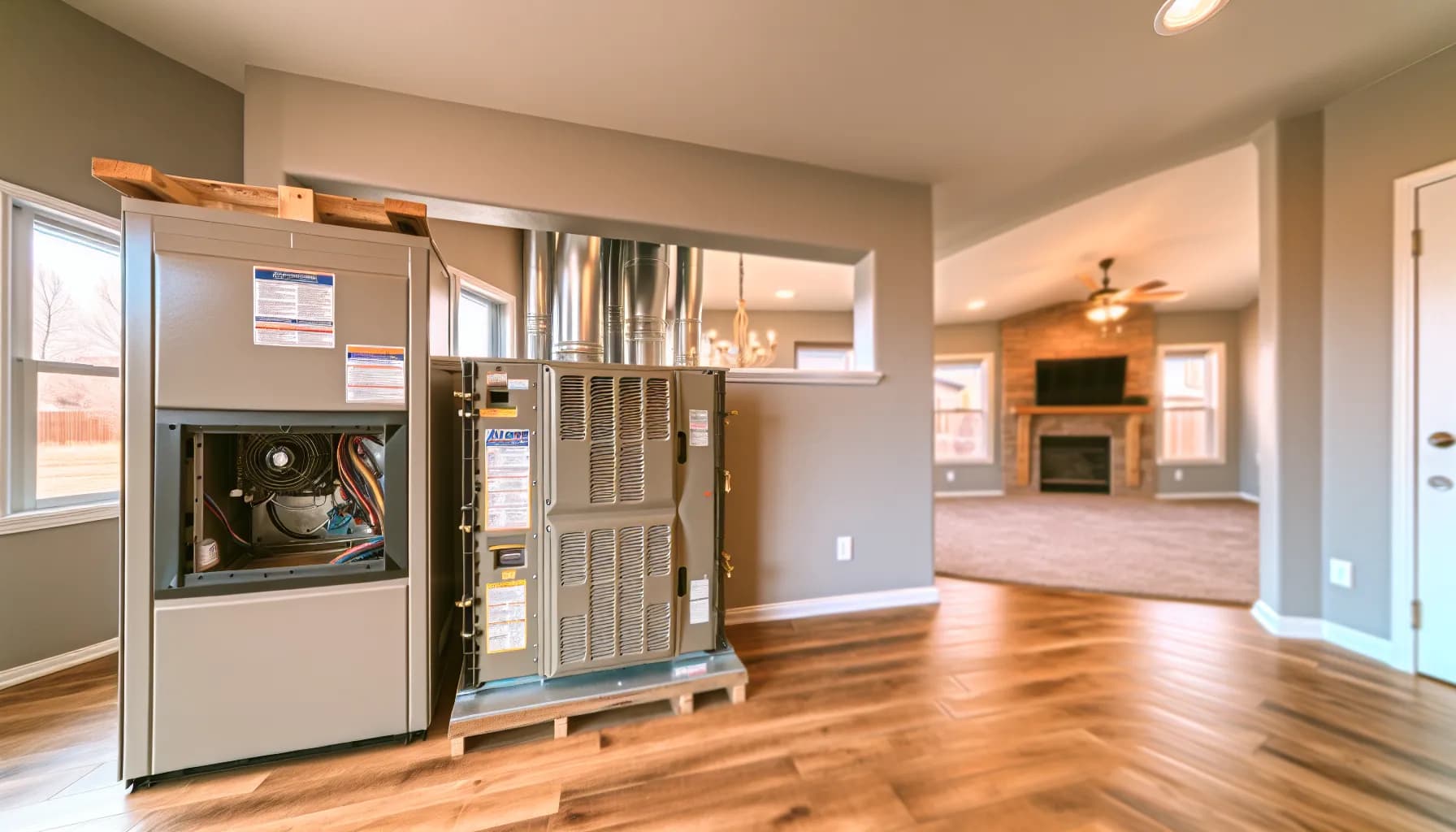
Forced air heating uses a furnace (powered by gas, electricity, or oil) to heat air, which is then pushed through ducts to warm the house. This is one of the most common heating methods in Colorado, especially for homes in colder regions like Morrison or Evergreen.
Pros of Furnace Systems
- Fast Heating: Quickly warms up the entire home, even during Colorado’s coldest nights.
- Widely Available: Easy to service and repair, with parts and technicians readily available.
- Can Be Paired with Central AC: Makes adding cooling in the future straightforward.
Cons of Furnace Systems
- Energy Consumption: Gas furnaces, while effective, can lead to higher utility bills if not properly maintained.
- Air Quality Issues: Forced air can circulate dust without proper filtration or cleaning.
- Ageing Equipment: Older furnaces (15+ years) are less efficient and more prone to breakdowns.
Example: In Arvada, a homeowner with an aging furnace noticed higher gas bills and frequent repairs. Upgrading to a high-efficiency model with a modern air filter resolved both issues.
Heat Pump Systems
How Heat Pumps Work in Colorado
Heat pumps are versatile systems that provide both heating and cooling. They transfer heat from one place to another, extracting warmth from outdoor air in winter and removing heat from your home in summer. Modern models (including cold-climate heat pumps) are designed to work efficiently in Colorado’s variable temperatures, but supplemental heat may be needed during extreme cold snaps.
Pros of Heat Pumps
- Energy Efficiency: Heat pumps use less energy than traditional furnaces or air conditioners, especially in moderate climates.
- Dual Purpose: One system handles both heating and cooling.
- Lower Carbon Footprint: Especially when paired with renewable energy sources.
Cons of Heat Pumps
- Performance in Extreme Cold: Efficiency drops below 20°F; may require backup heat.
- Higher Upfront Cost: Installation can be pricier than a basic furnace or AC.
- Regular Maintenance Needed: Filters and coils must be kept clean for optimal performance.
Example: In Niwot, a homeowner replaced their aging AC and furnace with a heat pump, cutting their electricity use by 30% and enjoying quieter operation. However, they kept their old furnace as a backup for sub-zero nights.
Ductless Mini-Split Systems
What is a Ductless Mini-Split?
Ductless mini-split systems consist of an outdoor compressor and one or more indoor air handlers. They cool or heat specific rooms or zones, making them ideal for homes without ductwork or for additions and renovations.
Pros of Ductless Mini-Splits
- Flexible Zoning: Control temperatures in individual rooms or zones.
- No Ductwork Needed: Great for older homes, additions, or areas where ducts are impractical.
- Energy Savings: No energy losses from ductwork, which can account for up to 30% of energy use in central systems.
Cons of Ductless Mini-Splits
- Upfront Cost: Installing multiple indoor units can add up.
- Appearance: Wall-mounted units are visible in living spaces.
- Limited Whole-House Use: May require several units to cover large homes.
Example: A homeowner in Golden used a ductless mini-split to cool their sunroom and master suite, avoiding the expense and mess of installing new ducts.
Hybrid and Dual Fuel HVAC Systems
How Hybrid HVAC Systems Operate
Hybrid or dual fuel systems combine a heat pump with a gas furnace. The heat pump handles heating and cooling during milder temperatures, while the furnace provides efficient heating when outdoor temperatures drop too low for the heat pump to work effectively.
Pros of Hybrid Systems
- Optimized Efficiency: Automatically switches between electricity and gas for the best efficiency and comfort.
- Lower Operating Costs: Reduces reliance on expensive fuels during moderate weather.
- Year-Round Comfort: Consistent performance regardless of outside temperature.
Cons of Hybrid Systems
- Complexity: More components mean more maintenance and potential repair points.
- Initial Cost: Higher upfront investment than single-system setups.
- Space Requirements: Needs room for both a furnace and a heat pump.
Example: In Highlands Ranch, a small business owner installed a hybrid system to reduce winter heating bills while ensuring comfort for both employees and customers year-round.
Geothermal HVAC Systems
How Geothermal Systems Work
Geothermal heat pumps leverage the stable underground temperature to provide heating and cooling. Pipes buried in the ground circulate a fluid that absorbs or releases heat to the earth, depending on the season.
Pros of Geothermal Systems
- Exceptional Efficiency: Uses 25-50% less electricity than conventional systems.
- Longevity: Underground piping can last 50+ years, and indoor components often exceed 20 years.
- Quiet Operation: No noisy outdoor compressors.
- Eco-Friendly: Lower carbon emissions and no combustion byproducts.
Cons of Geothermal Systems
- High Installation Cost: Significant investment for drilling and installation.
- Site Dependent: Not all properties are suitable for ground loops.
- Long Payback Period: Savings add up over time, but initial costs can deter some homeowners.
Example: A homeowner in Evergreen installed a geothermal system when building their new home, enjoying minimal utility bills and consistent comfort year-round.
Choosing the Right HVAC System for Colorado Homes
Factors to Consider: Climate, Efficiency, and Budget
There is no one-size-fits-all HVAC system. Consider the following factors for your Colorado home:
- Climate Zone: Mountain communities have different needs than Denver suburbs.
- Home Size & Layout: Larger or multi-story homes may need zoning or multiple systems.
- Energy Efficiency: Look for ENERGY STAR ratings and high SEER/HSPF ratings for AC and heat pumps.
- Budget: Balance upfront costs against long-term savings and incentives.
- Existing Infrastructure: Homes with or without ductwork may have different best-fit solutions.
Consulting with HVAC Professionals
Each home is unique, and local expertise can make the difference. At Alloy Heating and Cooling, we assess your home’s insulation, window placement, and ductwork to recommend the ideal system. For example, we helped a family in Lakewood with an older, drafty home choose a high-efficiency furnace and air purification system, while a new build in Broomfield benefited from a ductless mini-split design for individualized comfort.
When you work with a qualified HVAC contractor, you receive tailored recommendations, access to rebates, and professional installation. This ensures your investment delivers comfort, reliability, and energy savings for years to come.
Frequently Asked Questions
What is the most energy-efficient HVAC system for Colorado homes?
Geothermal heat pumps and high-efficiency heat pump systems are typically the most energy-efficient options for Colorado homes, but their initial installation costs can be higher than traditional systems.
Are heat pumps effective in Colorado's cold winters?
Modern heat pumps, especially cold-climate models, can provide efficient heating in most of Colorado, but extremely low temperatures may require supplemental heating.
Do ductless mini-split systems work for whole-house heating and cooling?
Yes, ductless mini-split systems can be designed for whole-house comfort by using multiple indoor units, making them a flexible option for homes without ductwork.
How often should I replace my residential HVAC system?
Most HVAC systems last 10-20 years depending on the type and maintenance. It’s best to consult an HVAC professional for an evaluation based on your system’s age and performance.
What factors should I consider when choosing an HVAC system for my Colorado home?
Consider your home’s size, insulation, climate zone, energy efficiency needs, initial budget, and whether you need both heating and cooling.

Alloy HVAC Team
HVAC experts with years of experience in the industry. We share tips, insights, and the latest trends in heating, ventilation, and air conditioning to help you maintain optimal comfort in your home or business.