Best Types of HVAC Systems for Colorado Homes and High Altitude Conditions
Best Types of HVAC Systems for Colorado Homes and High Altitude Conditions
Living in Colorado means enjoying stunning views, fresh mountain air, and four distinct seasons. However, it also presents unique challenges when it comes to heating and cooling homes, especially at higher elevations. Whether you live in Greenwood Village, Boulder, Castle Rock, or any of Colorado’s beautiful mountain towns, choosing the right HVAC system is crucial for year-round comfort and energy efficiency. This comprehensive guide from Alloy Heating and Cooling will help you navigate the best HVAC options for Colorado homes and high-altitude conditions.
Understanding HVAC Systems for Residential Use
What is an HVAC System?
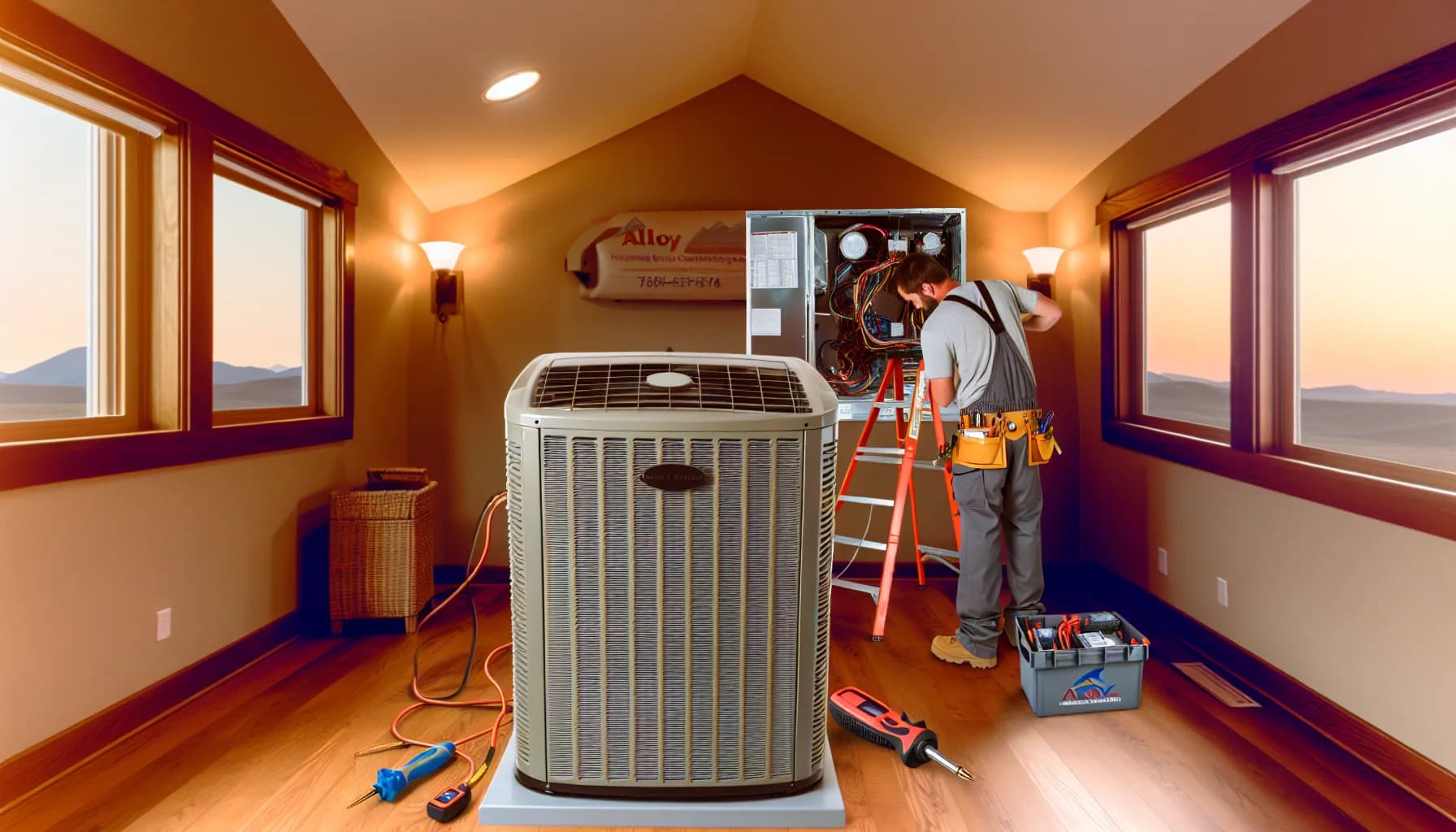
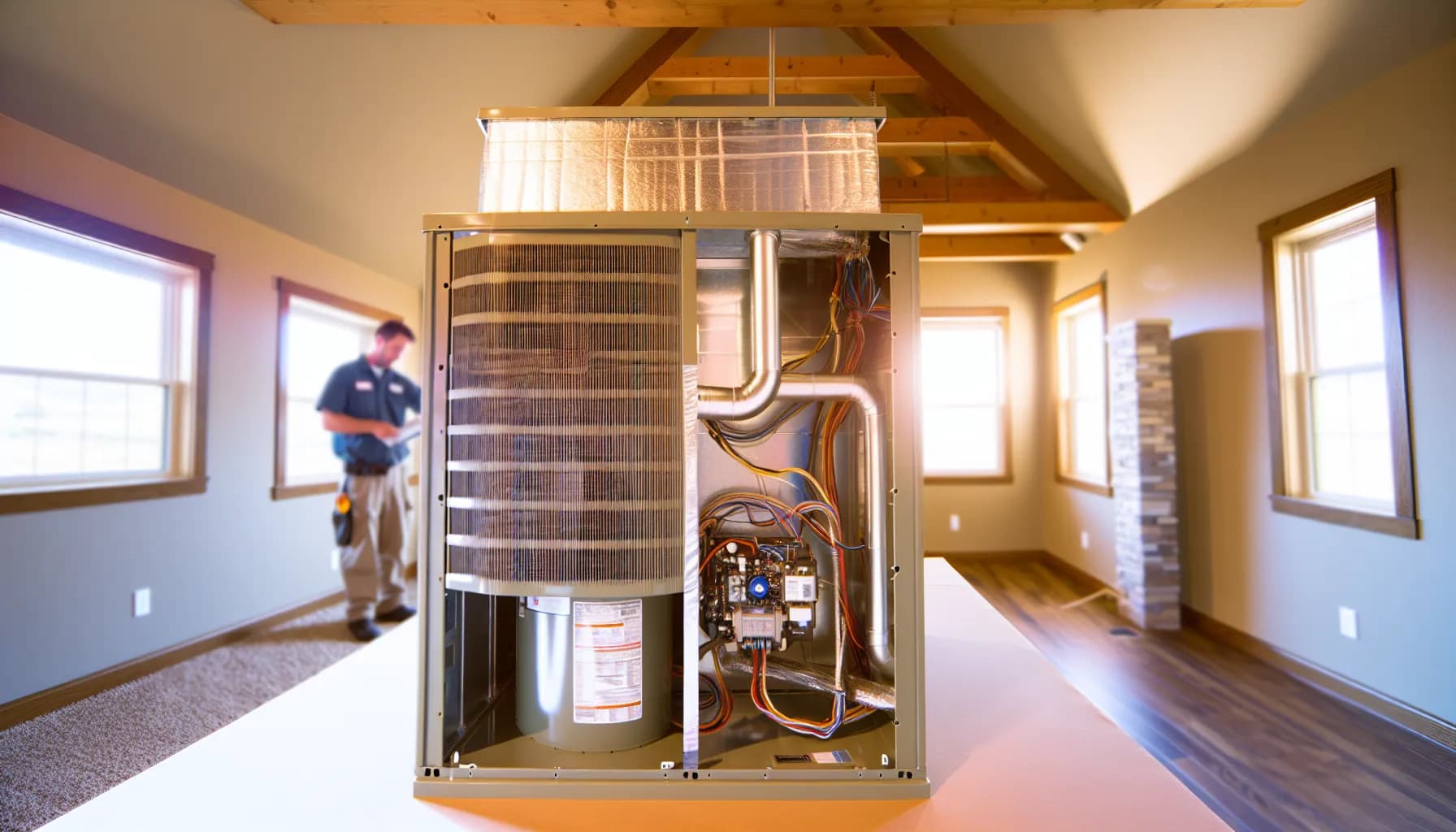
An HVAC system stands for Heating, Ventilation, and Air Conditioning. It is the technology used to regulate indoor temperature, humidity, and air quality in homes and businesses. A typical residential HVAC system can include a furnace, air conditioner, heat pump, ductwork, and sometimes air purifiers or humidifiers. The main goal is to keep your living space comfortable throughout the year, no matter the weather outside.
Importance of Choosing the Right HVAC System for Your Home
No two Colorado homes are exactly alike. The right HVAC system depends on several factors including your home’s size, insulation, location, and your family’s comfort needs. Choosing the wrong type can lead to poor performance, higher energy bills, and even system breakdowns. For example, a homeowner in Highlands Ranch who upgraded to a central air system without considering insulation found their system struggled to maintain temperature, leading to frequent service calls. By contrast, another family in Evergreen worked with Alloy Heating and Cooling to select a heat pump optimized for high altitude. Their home now stays cozy in winter and cool in summer, with lower operating costs.
Key Factors to Consider for Colorado and High Altitude
Climate Challenges in Colorado
Colorado’s climate is known for its low humidity, wide temperature swings, and sudden weather changes. In the Denver metro area, summer days can reach the 90s, while winter nights can drop well below freezing. The dry air can also impact your comfort and indoor air quality, making humidification an important consideration.
Impact of High Altitude on HVAC Performance
High altitude, found in places like Morrison, Castle Rock, and Boulder, affects HVAC systems in several ways. Thinner air at higher elevations means less oxygen for combustion in gas furnaces and water heaters, which can reduce efficiency and capacity. Air conditioning systems also have to work harder due to the difference in air pressure. That’s why many manufacturers provide high-altitude kits or make specific adjustments to ensure the system operates safely and efficiently. For example, a homeowner in Castle Pines had an older furnace replaced with a high-efficiency model equipped with a high-altitude kit, resulting in more consistent heating and lower utility bills.
Popular Types of HVAC Systems for Residential Homes
Central Air Conditioning and Heating Systems
Central HVAC systems are common in Colorado, especially in newer homes and larger properties. They use ductwork to distribute heated or cooled air throughout the house. A central furnace provides heat, while an air conditioner or heat pump cools the home in summer. These systems can be equipped with smart thermostats and zoning controls for improved comfort and efficiency.
Ductless Mini-Split Systems
Ductless mini-split systems are gaining popularity in homes that lack existing ductwork, historic homes, or in areas where homeowners want more control over individual rooms. Each indoor unit can be controlled separately, making them an excellent choice for home offices, additions, or rooms that are hard to heat or cool. Installation is typically less invasive, and they are known for their quiet operation and energy efficiency.
Heat Pumps
Heat pumps are versatile systems that both heat and cool your home. They work by transferring heat rather than generating it, making them highly energy efficient. Modern cold-climate heat pumps are specifically designed to operate effectively in low temperatures, which is ideal for Colorado’s winters. Some homeowners in Parker and Evergreen have replaced traditional furnaces with heat pumps and report significant reductions in energy bills, especially when paired with proper insulation and air sealing.
Furnaces (Gas, Electric, and Dual Fuel)
Furnaces are a staple in Colorado homes. Gas furnaces are the most common, but electric and dual-fuel models are also available. Dual-fuel systems combine a heat pump with a gas furnace, automatically switching between the two based on temperature to maximize efficiency and comfort. At higher elevations, high-efficiency, sealed-combustion gas furnaces are recommended, as they are less affected by thin air.
Evaporative Coolers (Swamp Coolers)
Evaporative coolers, also known as swamp coolers, use water evaporation to cool the air. They are highly effective in Colorado’s dry climate and are less expensive to operate than traditional air conditioners. However, they are not as effective in humid conditions or at extremely high altitudes. Many homeowners in Denver and Aurora use swamp coolers in the summer to keep cooling costs down.
Pros and Cons of Each HVAC System Type
Efficiency in High Altitude Conditions
- Central Systems: High-efficiency models with sealed combustion are best for high altitudes. Standard models may lose efficiency without altitude adjustments.
- Ductless Mini-Splits: Perform well at altitude and offer flexibility for targeted comfort.
- Heat Pumps: Cold-climate heat pumps are effective but require proper sizing and installation. Standard heat pumps may struggle during the coldest winter days.
- Furnaces: Gas furnaces need to be rated for high altitude. Electric furnaces are less affected by altitude but can be more expensive to operate.
- Evaporative Coolers: Work best in dry, moderate climates and elevations below 7,000 feet.
Installation and Maintenance Considerations
- Central Systems: Require ductwork, which can add to installation cost in older homes.
- Ductless Mini-Splits: Easier to install, especially in homes without ducts. Require periodic cleaning of filters and units.
- Heat Pumps: Require professional installation and may need supplemental heating in extreme cold.
- Furnaces: Regular maintenance is needed to ensure safe operation, especially with gas units at altitude.
- Evaporative Coolers: Need seasonal startup and shutdown, plus regular cleaning to prevent mineral buildup.
Cost and Energy Savings
- Central Systems: Higher upfront costs, but good long-term value in larger homes.
- Ductless Mini-Splits: Lower installation costs for small areas, with excellent energy efficiency.
- Heat Pumps: High efficiency can offset higher upfront investment. Eligible for rebates in many Colorado communities.
- Furnaces: Gas furnaces offer low operating costs but may need upgrades for altitude.
- Evaporative Coolers: Lowest operating costs, but limited to specific climate conditions.
Choosing the Best HVAC System for Your Colorado Home
Assessing Home Size and Insulation
The right HVAC system starts with an accurate assessment of your home’s size, layout, and insulation levels. A well-insulated home in Castlewood may only need a smaller system than a similar-sized home in Morrison with less insulation. Professional load calculations ensure the system is neither too large nor too small, both of which can lead to inefficiency and discomfort.
Consulting Local HVAC Professionals
Working with a local HVAC expert like Alloy Heating and Cooling means you benefit from years of experience with Colorado’s unique climate. A professional can recommend equipment specifically rated for high altitude, handle necessary modifications, and provide guidance on the most cost-effective options for your needs. For example, a business owner in Centennial saved thousands by upgrading to a dual-fuel system after a site assessment by our technicians.
Energy Efficiency Ratings and Rebates
Look for ENERGY STAR-certified equipment, which meets strict efficiency guidelines. High-efficiency systems often qualify for local utility rebates and federal tax credits, helping to offset the initial investment. Many Colorado homeowners have reduced their annual utility bills by 20 percent or more by upgrading to efficient HVAC systems and taking advantage of available incentives.
In summary, selecting the best HVAC system for your Colorado home means considering climate, altitude, energy efficiency, and your unique comfort needs. Whether you choose a high-efficiency furnace, a cold-climate heat pump, a ductless mini-split, or an evaporative cooler, Alloy Heating and Cooling is here to help you find the perfect solution for year-round comfort and savings.
Frequently Asked Questions
What type of HVAC system is best for high altitude homes?
Heat pumps and high-efficiency furnaces are often recommended for high altitude homes because they maintain performance even with thinner air and extreme weather conditions common in Colorado.
Are evaporative coolers effective in Colorado?
Yes, evaporative coolers (swamp coolers) can be very effective in Colorado’s dry climate, but they may not perform as well in humid conditions or at extremely high altitudes.
How does high altitude affect HVAC efficiency?
High altitude can reduce the efficiency of standard HVAC systems because thinner air affects combustion and heat transfer. Specialized equipment or adjustments may be needed for optimal performance.
Is a ductless mini-split system suitable for Colorado homes?
Ductless mini-split systems are a good option for Colorado homes, especially for additions, retrofits, or rooms that need independent temperature control.
How can I improve the energy efficiency of my HVAC system in Colorado?
Regular maintenance, proper insulation, and choosing a system with a high energy-efficiency rating (such as ENERGY STAR-certified units) can help improve your HVAC system’s performance and energy savings in Colorado.

Alloy HVAC Team
HVAC experts with years of experience in the industry. We share tips, insights, and the latest trends in heating, ventilation, and air conditioning to help you maintain optimal comfort in your home or business.