Why Is My Heater Not Working in My Colorado Home? Top Troubleshooting Tips
Why Is My Heater Not Working in My Colorado Home? Top Troubleshooting Tips
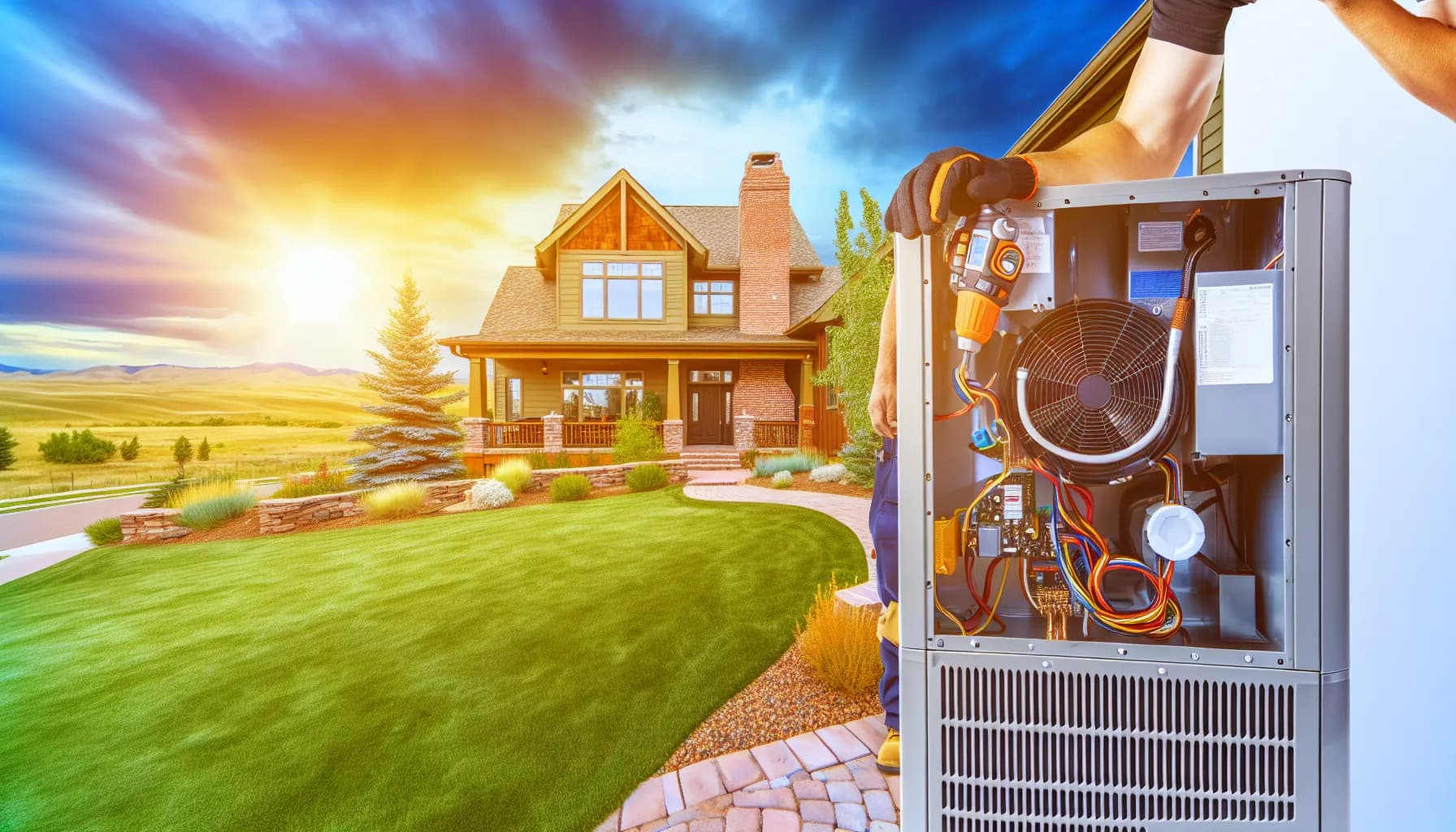
Colorado winters bring freezing temperatures that make a reliable heating system essential for comfort and safety. When your heater stops working, it can quickly become stressful. At Alloy Heating and Cooling, we help homeowners, small businesses, and commercial property owners across Greenwood Village, Englewood, Littleton, and the greater Denver area get to the bottom of heating problems fast. Here, we’ll cover the most common reasons your heater isn’t working, step-by-step troubleshooting tips, and when to call a professional HVAC technician in Colorado.
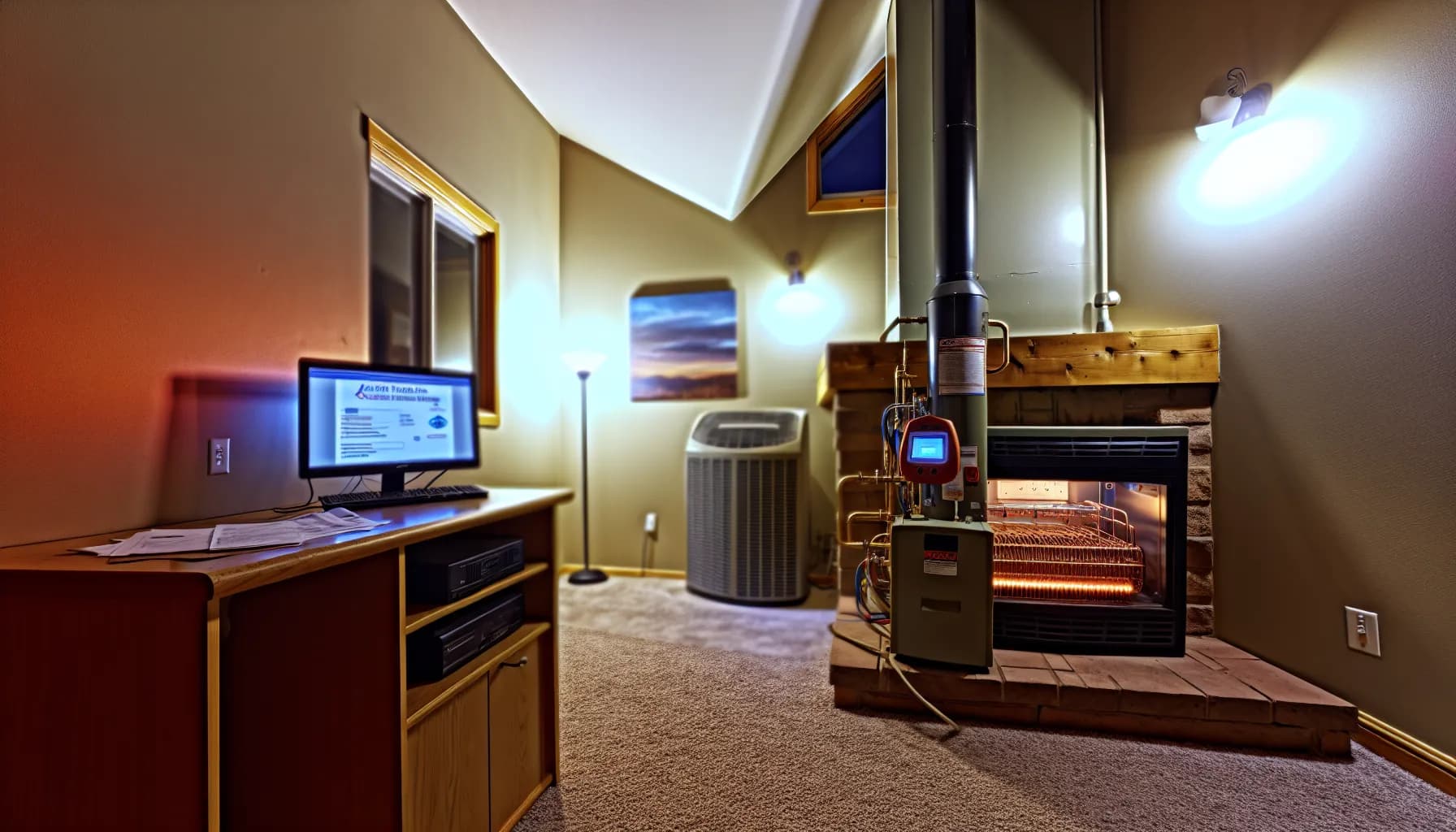
Common Reasons Your Heater Is Not Working in the House
Thermostat Issues
The thermostat is the “brain” of your heating system. If it’s not working correctly, your heater won’t turn on or will run inconsistently. A misplaced thermostat setting, dead batteries, or wiring problems can all cause your furnace to stop responding. For example, a Centennial homeowner once called us because their heater wouldn’t kick in , a simple battery swap in the thermostat fixed the issue immediately.
Power Supply Problems
Heaters rely on electricity or gas to operate. A tripped circuit breaker, blown fuse, or shut-off gas valve will keep your furnace from working. We’ve seen several cases in Parker and Castle Rock where a power surge tripped the furnace breaker without the homeowner realizing it.
Dirty or Clogged Filters
Air filters trap dust and debris. When they become clogged, airflow is restricted, and your furnace can overheat or shut down as a safety precaution. In Highlands Ranch, a small business owner noticed their office was much colder than usual. The culprit was a filter that hadn’t been changed in six months, blocking heat from reaching the rooms.
Ignition or Pilot Control Issues
Gas furnaces use an ignition system or pilot light to start heating. If these components fail, no heat is produced. Older systems may have a pilot light that goes out, while modern systems use electronic ignition that can malfunction. A Lone Tree resident recently had trouble with a furnace that wouldn’t light , a faulty ignition sensor was to blame and required a quick replacement by our techs.
Blower Motor Malfunctions
The blower motor pushes warm air through your ducts. If it fails, the furnace may heat up but not circulate air, leaving your home cold. Issues can include worn belts, motor failure, or problems with the control board.
Step-by-Step Troubleshooting for a Malfunctioning Heater
Check the Thermostat Settings
Start with the thermostat. Make sure it is set to “heat” and the temperature is higher than your current room temperature. Replace the batteries if it’s digital, and ensure it is firmly attached to the wall plate.
Inspect Circuit Breakers and Power Sources
Go to your electrical panel and look for tripped breakers. Reset any tripped breakers and see if your heater restarts. If you have a gas furnace, make sure the gas valve is open. Also, check that the furnace switch (often located nearby) is in the “on” position.
Replace or Clean the Air Filter
Find your furnace’s air filter (usually near the blower compartment), and inspect it. If it’s gray or covered in debris, replace it with a new filter. A clean filter can restore airflow and proper operation almost instantly.
Examine the Furnace Pilot Light or Ignition
For older furnaces with a pilot light, check if it’s still burning. If it’s out, follow your owner’s manual to relight it. For electronic ignition systems, listen for clicking sounds or flashing error codes on the control board. If you’re unsure, it’s best to call an HVAC professional.
Ensure Proper Airflow Around Vents
Check that supply and return vents are open and not blocked by furniture, rugs, or drapes. Good airflow is vital for even heating throughout your home.
When to Call a Professional HVAC Technician in Colorado
Signs of Serious Heater Problems
If your heater still won’t work after basic troubleshooting, or if you notice strange noises, burning smells, or see error codes on your furnace, it’s time to call a professional. Unusual banging or squealing noises can indicate motor or belt issues, while a persistent gas smell is an emergency requiring immediate attention.
Benefits of Professional Heater Repair
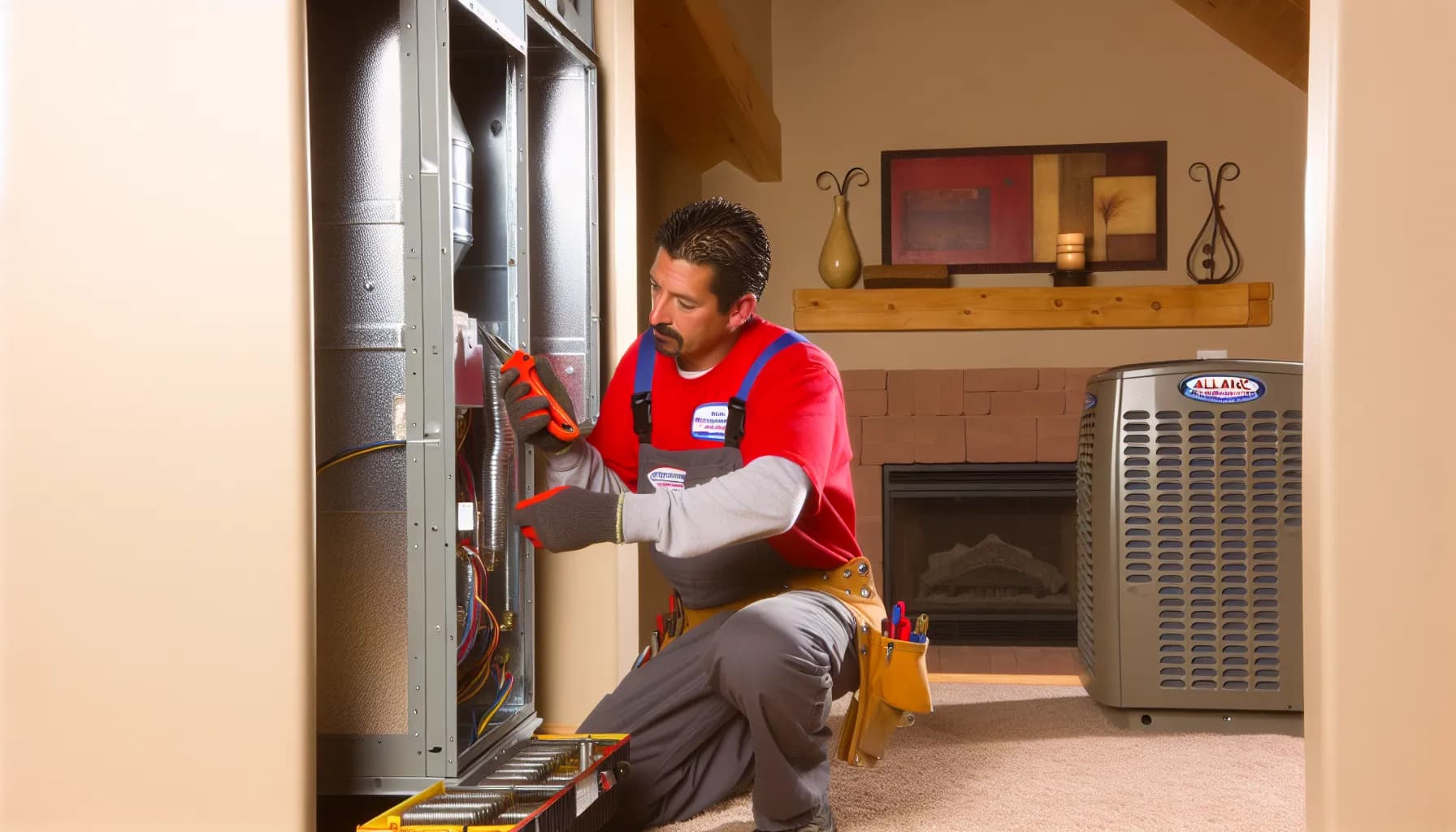
Certified HVAC technicians like ours at Alloy Heating and Cooling have the tools and expertise to safely diagnose and repair complex issues. We frequently help customers in Aurora and Golden with repairs that require advanced testing equipment, electrical work, or gas line safety checks. Professional repairs restore comfort quickly and prevent future breakdowns.
Preparing for a Technician Visit
Before your HVAC tech arrives, clear the area around your furnace and thermostat. Write down any error codes, unusual sounds, or recent maintenance you’ve performed. This helps your technician diagnose the issue faster and more accurately.
Preventative Maintenance Tips to Keep Your Heater Working
Schedule Regular Heater Inspections
Annual professional inspections catch small problems before they turn into expensive repairs. Our team provides thorough tune-ups for homes and businesses from Boulder to Castle Pines, ensuring your system is ready for winter.
Change Filters Frequently
Replace your filter every 1-3 months during heating season, or more often if you have pets or allergies. Clean filters keep air flowing and protect your system from dust buildup.
Monitor Unusual Noises or Smells
Pay attention to new or strange sounds, or any burning or musty odors. Early detection can prevent larger problems and keep your heater running efficiently all season long.
Don’t let a broken heater leave you in the cold. If you’re in Greenwood Village, Denver, Lakewood, or any surrounding Colorado city, Alloy Heating and Cooling is ready to help. From troubleshooting to repairs and preventative maintenance, our expert team keeps your home or business warm and comfortable all winter long.
Frequently Asked Questions
Why is my heater running but not heating the house?
This may be caused by clogged filters, thermostat malfunctions, or issues with the heating element. Start by checking your thermostat and replacing dirty filters.
What should I check first if my heater is not working?
Begin by ensuring your thermostat is set to heat and at the desired temperature. Next, check the power supply and circuit breakers.
How often should I change my heater’s air filter?
In Colorado, it’s recommended to change your heater’s air filter every 1-3 months, especially during the heating season.
Can I fix a heater pilot light issue myself?
You can try relighting the pilot if your heater’s manual allows it, but if the pilot won’t stay lit, it’s best to call a professional.
When should I call a professional for heater repair?
If basic troubleshooting doesn’t resolve the issue, or if you notice strange noises, burning smells, or the heater won’t turn on at all, contact a licensed HVAC technician.

Alloy HVAC Team
HVAC experts with years of experience in the industry. We share tips, insights, and the latest trends in heating, ventilation, and air conditioning to help you maintain optimal comfort in your home or business.