Furnace and Carbon Monoxide: What Every Colorado Homeowner Should Know
Furnace and Carbon Monoxide: What Every Colorado Homeowner Should Know
Understanding Carbon Monoxide in Furnaces
What is Carbon Monoxide?
Carbon monoxide (CO) is a colorless, odorless, and tasteless gas that can be deadly if inhaled in large amounts. Because the gas does not have a smell or color, it is known as the “silent killer.” When appliances that burn fuel, like furnaces, water heaters, or fireplaces, do not operate correctly, they can produce carbon monoxide. Exposure to even small amounts can cause serious health issues, making awareness and prevention critical for every Colorado homeowner.
How Furnaces Produce Carbon Monoxide
Gas and oil furnaces heat your home by burning fuel. Ideally, this combustion is efficient and produces mainly heat, water vapor, and carbon dioxide. However, if the furnace is malfunctioning, burning fuel incompletely, or not vented properly, it can produce carbon monoxide as a dangerous byproduct. At Alloy Heating and Cooling, we have seen even new furnaces produce CO if not installed correctly or if vents are blocked by snow or debris.
Why Colorado Homes Are at Risk
Colorado’s cold winters mean furnaces often run for several months at a time, increasing the risk of wear and tear. Many homes are tightly sealed for energy efficiency, which can restrict airflow and ventilation. This makes it easier for carbon monoxide to build up if a leak occurs. In neighborhoods like Highlands Ranch, Aurora, and Castle Rock, we often see homeowners who close off vents or block airflow to keep heat in, not realizing this can impact indoor air quality.
Common Causes of Carbon Monoxide Leaks in Furnaces
Cracked Heat Exchangers
The heat exchanger is a critical furnace component that separates combustion gases from the air circulated in your home. Over time, heat exchangers can crack from repeated heating and cooling cycles. These cracks allow carbon monoxide to leak into your home’s air supply. We’ve helped families in Littleton and Parker who didn’t realize their older furnace’s heat exchanger was compromised until a CO detector alerted them.
Blocked or Improperly Vented Flues
The flue or vent is designed to carry combustion gases safely outside. If the flue becomes blocked by animals, leaves, snow, or even improper installation, carbon monoxide can back up into your living space. This is especially common during Colorado’s heavy snowfalls, which can cover exterior vents. During annual inspections, our team checks all venting to ensure safe operation.
Poor Furnace Maintenance
Neglecting regular maintenance is one of the leading causes of carbon monoxide issues. Dirty burners, clogged filters, and worn parts can cause incomplete combustion and increase the risk of CO production. We’ve seen small businesses in Denver and homes in Evergreen face dangerous CO levels simply because routine tune-ups were skipped.
Warning Signs of Carbon Monoxide from Your Furnace
Physical Symptoms in People and Pets
Early symptoms of CO poisoning can mimic the flu. Headaches, dizziness, fatigue, nausea, confusion, and shortness of breath are common. Pets may also become lethargic or unresponsive. If everyone in your home feels sick at the same time, especially when the furnace is running, suspect carbon monoxide.
Visual Indicators Around the Furnace
Be alert for soot or brownish-yellow stains around your furnace, vent pipes, or on nearby walls. A pilot light that burns yellow instead of blue can also signal incomplete combustion and possible CO production. If you notice excess moisture on windows or walls near the furnace, it could indicate a venting problem.
Carbon Monoxide Detector Alerts
A carbon monoxide detector is your first line of defense. If the alarm sounds, it means dangerous levels of CO have been detected. Never ignore a CO detector alert. In homes across Centennial and Boulder, alarms have saved lives by catching leaks early.
How to Prevent Carbon Monoxide in Your Furnace
Regular Furnace Inspections and Maintenance
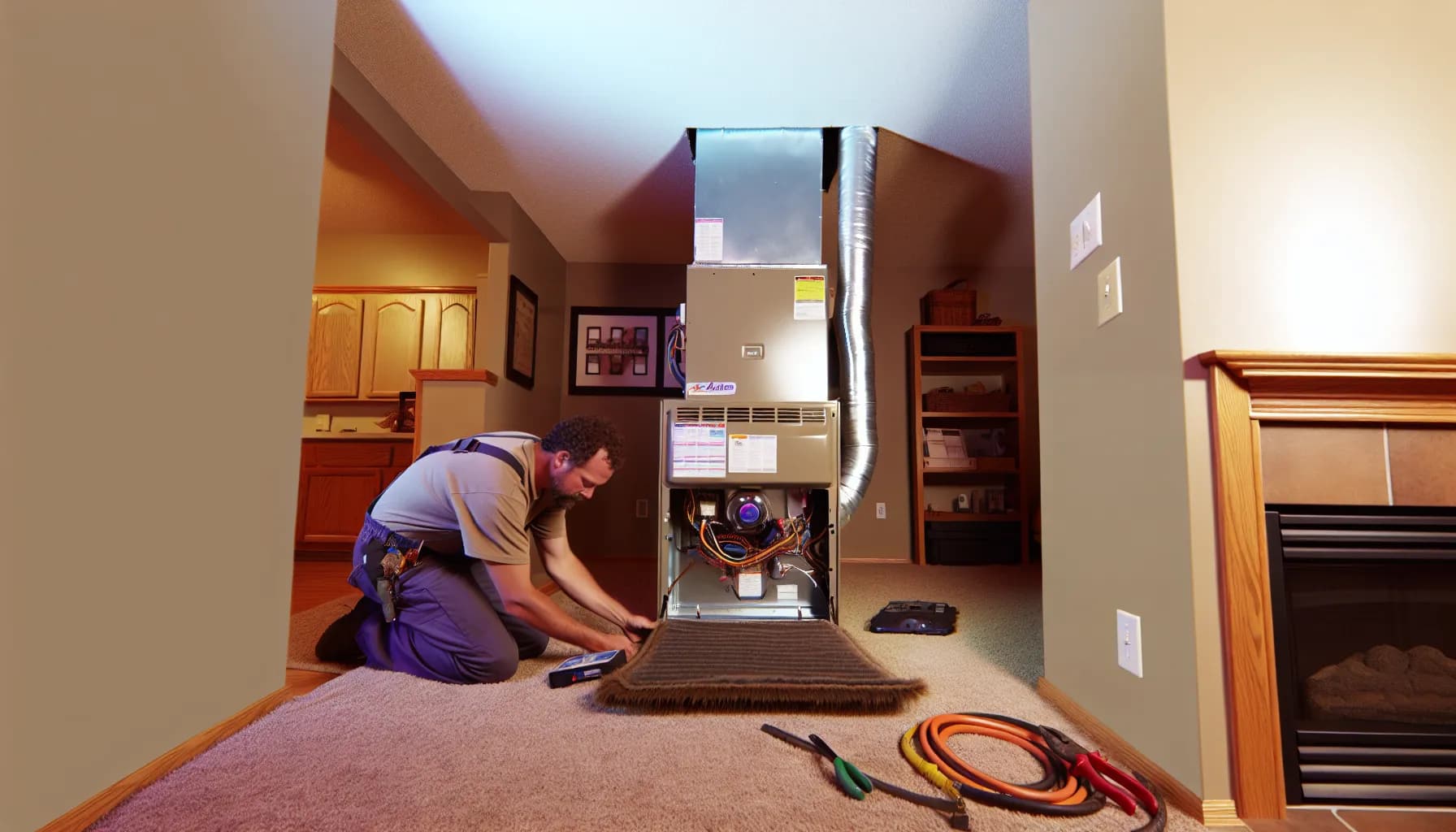
Schedule annual furnace inspections with a licensed HVAC professional, like Alloy Heating and Cooling. Technicians check for cracked heat exchangers, clean burners, test combustion, and inspect venting. Preventive maintenance is far less expensive than dealing with CO emergencies.
Installing and Maintaining Carbon Monoxide Detectors
Place detectors on every level of your home, especially near bedrooms and fuel-burning appliances. Test detectors monthly and replace batteries at least once a year. Many newer models have a lifespan of about 7-10 years, so be sure to replace old units as needed.
Ensuring Proper Ventilation
Never block furnace vents or exhausts, and keep the area around your furnace clear. If remodeling or adding insulation, consult an HVAC technician to ensure adequate airflow. In areas like Morrison and Golden, where snow can cover exterior vents, check regularly during winter months.
What to Do If You Suspect Carbon Monoxide from Your Furnace
Immediate Actions to Take
If you suspect a CO leak or your detector goes off, leave your home immediately. Get everyone outside to fresh air. Do not try to find the source yourself or open windows if it delays evacuation.
When to Call Emergency Services
Once safely outside, call 911 or your local fire department. Emergency responders have equipment to test for carbon monoxide and will let you know when it’s safe to return. They can also help ventilate your home if necessary.
How to Get Your Furnace Checked and Repaired
After emergency services have cleared your home, contact Alloy Heating and Cooling for a thorough furnace inspection and repair. Our certified technicians will identify the source of the leak, make necessary repairs, and ensure your system operates safely. We’ve helped homeowners in Aurora and Castle Pines restore their peace of mind after CO scares.
Frequently Asked Questions
How can I tell if my furnace is leaking carbon monoxide?
Common signs include headaches, dizziness, nausea, or flu-like symptoms in occupants, as well as sooty stains near the furnace or yellow furnace flames. A carbon monoxide detector is the most reliable way to detect CO leaks.
How often should I have my furnace inspected for carbon monoxide leaks?
It is recommended to have your furnace professionally inspected at least once a year, ideally before the heating season begins.
Can a new furnace produce carbon monoxide?
Yes, even new furnaces can produce carbon monoxide if they are improperly installed, vented, or maintained.
Where should I place carbon monoxide detectors in my home?
Install carbon monoxide detectors on every level of your home, especially near sleeping areas and close to any fuel-burning appliances like furnaces.
What should I do if my carbon monoxide detector goes off?
Leave your home immediately, call 911, and do not re-enter until emergency responders have declared it safe.

Alloy HVAC Team
HVAC experts with years of experience in the industry. We share tips, insights, and the latest trends in heating, ventilation, and air conditioning to help you maintain optimal comfort in your home or business.